3 Seater Hot Tub Solutions for Space-Limited Hotel Terraces
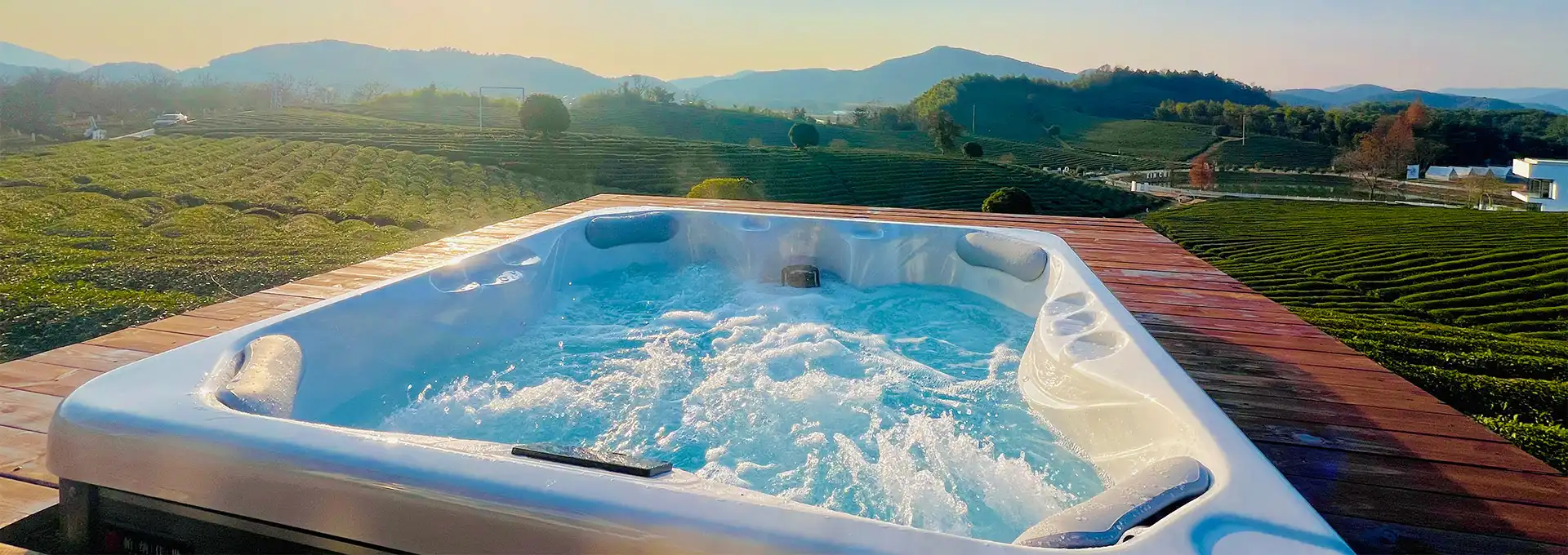
A hotel patio doesn't have to be big to be a memorable guest amenity. With careful design and the right equipment, it's easy to give your visitors a secluded space to rest and enjoy warm-water hydrotherapy, even in a small outdoor space. A 3 seater hot tub is a practical solution for boutique hotels, private homes, and small resorts where floor space is limited but guest demands are high. The difficulty is to reconcile the need for comfortable seats, installation requirements, maintenance access, and visual appeal without over-crowding the terrace. Shenzhen iParnassus Intelligent Spas Co., Ltd. uses its expertise in the development and manufacture of spa products to offer spa solutions for residential and hospitality applications. This article will walk hotel managers through the process of evaluating a three-person spa, planning for its construction, and choosing amenities that would provide a pleasant and manageable experience for the visitor.


Why Is a Three-Person Hot Tub Suitable for Small Hotel Terraces?
How Can a Compact Spa Improve the Guest Experience?
A private outdoor spa may turn a hotel terrace from a basic lounging area into a destination for leisure. This extra function may provide another motivation for customers to choose a certain lodging option and can make a room more appealing, especially in the case of boutique hotels and villa properties.
A three-person spa takes less space than a huge commercial pool, yet provides room for couples or small families. It might be considered for luxury suites, private garden rooms with rooftop terraces, and independent vacation cottages.
But a hot tub's worth is determined by more than its capacity. Guests should have adequate space to enter and depart securely, to get to towels and controls easily, and to have a fair amount of privacy. Therefore, the surrounding terrace should be given an appropriate floor, drainage, lighting, and circulation space.
A proper installation plans the spa as part of the hotel design and not as just another piece of equipment. That balance between function and environment is especially critical for residences with limited outside space.
Which Hotel Areas Are Appropriate for a Three-Person Spa?
If you have a private suite terrace, a garden villa, a tiny rooftop leisure space, or an isolated outdoor nook, a compact hot tub is perfect for the hospitality atmosphere. The best site will depend on the amount of floor space available, structural considerations, guest privacy, and proximity to utilities.
A covered terrace could need work on ventilation and moisture control, whilst a rooftop installation exposed to the elements would need adequate weatherproofing and a structural evaluation. Hotels should also assess how much the spa will be utilized. The maintenance burden of a unit which serves a single private suite may be different from that of a unit located in a common guest area.
Before you decide on a model, measure the usable installation space, not only the advertized terrace size. Doors, columns, railings, stairs, and furniture all take up usable space. Also, the arrangement should provide maintenance access and safe circulation inside the spa.
How Can Hotels Create a Private and Comfortable Setting?
Privacy is a key component of the visitor experience. Guests enjoying a private hot tub often anticipate some degree of privacy from adjacent rooms, public pathways, and surrounding structures.
Screens, planters, pergolas, and well-placed furniture may assist in creating a more private area. But the modifications must not restrict ventilation, service panels, or emergency access. The materials must be acceptable for outdoor situations and for frequent cleaning.
Lighting and flooring should be given equal importance. Low-glare lighting provides visitors with support while moving about the terrace at night, and slip-resistant surfaces limit the chance of accidents when guests approach or exit the spa. Even if you do equip the terrace, be sure to provide a clear passage.
The idea is not to overload the area with ornamental objects. A mix of basic privacy elements, functional lighting, durable materials, and comfy seats may make a tiny patio seem more friendly.

How Can the iParnassus® 3A15 Fit into a Limited Space?
What Are the Main Dimensions and Specifications?
When evaluating a compact hot tub, hotel buyers should begin with its dimensions, seating configuration, and water capacity. The iParnassus® 3A15 is designed as a hotel spa equipment quotation with one lounge position, making it a potential option for private hospitality terraces.
| Specification | Published 3A15 details |
|---|---|
| Model | 3A15 |
| Seating capacity | 3 people |
| Lounge seat | 1 |
| Jet count | 24 on the official product page |
| Pump | 1 × one-speed, 3.0 HP |
| Dimensions | 218 × 175 × 85 cm |
| Water capacity | 856 L |
Outside dimensions are around 2.18 m x 1.75 m x 0.85 m. The actual area to be placed must be larger since the spa needs room to enter, leave, and service. Its water capacity is also important for the whole operating load – 856 liters.
One standard needs to be validated before it can be published or purchased. The official product site indicates there are 24 jets, while the product brief released states there are 21 massage jets. Buyers should ask for an updated spec sheet to check the final production configuration, and don’t assume the two figures are for the same version.
How Does the Seating Layout Support Different Guests?
The 3A15 will have one lounge and two more seats. This setup allows visitors to utilize the spa in numerous ways and keeps the entire setup very small.
The lounge position may be better for passengers who want to recline, while the other seats are more upright. The massage jets are positioned to massage the back, legs, and feet, as per the product brief provided. Recessed leg space helps keep your legs submerged while in use.
What hotels need to know is that seating capacity alone is not enough to assess if a model is right. Buyers should evaluate the kind of visitors they cater to. If you're a couple traveling in a luxury suite, you may prefer a lounge position, but small families may value the three usable seats more.
Check interior seating measurements and product photos before buying if feasible. The stated capacity of three people does not guarantee all guests would be equally comfortable.
What Installation Space Should Be Reserved?
The outside measurements of the spa are just part of the calculation for installation. Hotels also have to think about the service panel, electrical connections, drainage, delivery route, and room to walk around it.
The service panel should be accessible after installation. A unit situated too near a wall or ornamental screen could hinder specialists from inspecting pumps and plumbing connections. This may result in longer periods of maintenance and unneeded inconvenience.
The delivery route should be examined in advance. If the spa can access the terrace, doorways, elevators, stairs, corners, and changes in floor level may all make a difference. You may have to hoist equipment, and rooftop jobs may need collaboration with building management.
A preliminary installation plan should contain:
- The size of the spa and the space needed to fit it.
- A properly rated electrical supply and isolation system.
- Access for drainage and water-filling.
- A sturdy support surface for the operating load with filling.
- Access to service panel and replaceable parts.
- Practical delivery and replacement routes.
These tests might assist avoid delays in installation while completing the patio design.

Which Features Should Hotels Prioritize When Selecting a Compact Spa?
Which Massage and Comfort Features Add Practical Value?
In hospitality applications, the features that are beneficial should enhance the visitor experience, but not add needless operational complexity. The 3A15 product brief we were shown talks about massage jets for the lounge and other chairs, which are designed to address regions such as the back, legs, and feet.
The brief includes mentions of three lighted fountains next to the lounge seat, handgrips near two chairs, and cushions for the sitting positions. These elements may add to the look and convenience of the spa, especially when found in a luxury villa or suite setting.
However, hotel purchasers should differentiate between critical services and optional ornamental aspects. More important than looks are secure ingress and egress, easy-to-clean surfaces, controls within reach, and steady circulation.
One way that might be helpful in making purchases is to classify product characteristics into three categories: basic working functions, guest-comfort amenities, and optional decorative aspects. This allows a better comparison of various models according to the real needs of the hotel.
How Should Design and Maintenance Be Balanced?
A hot tub may be a visual centerpiece for a modest patio. Its shell and cabinet finishes should coordinate with the surrounding architecture, flooring, and outdoor furniture.
Information from 3A15 shows that the shells and cabinets may be made in various colors. Hotels may integrate these possibilities with a modern suite, a garden villa, or a resort terrace for the spa.
But looks should not be at the price of upkeep. Outdoor equipment is exposed to sun, rain, dust, and fluctuations in temperature. Buyers should ask the manufacturer what cleaning agents are appropriate, how to care for the material, and what to anticipate for maintenance needs of the chosen finish.
Never obstruct access to a service with decorative decking, pots, and screens. An installation that looks good but is difficult to check or fix may be more costly to run throughout the life of the system.
What Should Buyers Confirm Before Ordering?
Prior to placing a hotel order, please confirm in writing the requirements for products. This is especially true in hospitality projects where the spa may be frequented by a variety of visitors and serviced by multiple workers.
| Evaluation area | Questions to ask the supplier |
|---|---|
| Dimensions and weight | What are the exact dimensions and filled operating weight? |
| Seating | What is the confirmed seating and lounge configuration? |
| Jets | What is the final jet count and arrangement? |
| Pump | What pump configuration is included? |
| Electrical supply | What voltage and protective devices are required? |
| Water treatment | What filtration and disinfection procedures are recommended? |
| Service access | What clearance is needed around the service panel? |
| After-sales support | What warranty, spare parts, and technical support are available? |
The jet counts for the 3A15 will have to be reconciled before publishing and purchase. Buyers should also ask for installation drawings, operating instructions, maintenance advice, and formal warranty conditions.
These materials assist hotel managers in understanding not just what they are buying, but what will be needed to run the hotel spa equipment following delivery.

How Should Hotels Prepare for Installation and Daily Operation?
What Structural and Utility Checks Are Necessary?
The weight of an empty hot tub is a far less burden on a terrace than a loaded unit. Operating weight, fully loaded, comprises shell, water, equipment, and people. The 3A15 is advertised with a water capacity of 856 liters. Water alone weighs roughly 856 kilograms.
Therefore, for rooftop and high terrace installations, structural assessments by a competent specialist are required. When assessing, evaluate how your loads are distributed, the support conditions, waterproofing, and the building's allowable load. Don't install a hotel spa equipment quotation just because it seems like it would fit.
Electrical work must be carried out by competent persons in compliance with local rules. The installation plan will need to establish the power supply, protection devices, isolation measures, and safe cable routing.
Drainage is just as crucial. They need a good way to drain the spa while it is being cleaned or maintained so it will not flood the lower levels or the neighbors’ houses. The installation staff also has to verify the water filling arrangements.
How Can Hotels Maintain Water Quality?
A hotel hot tub requires a documented water treatment and cleaning program. Unlike a private domestic spa, hospitality equipment is utilized by numerous people with various habits. Hence, the need for continuous water quality control.
The operational plan should include who monitors the water, how frequently measurements are taken, what disinfection and pH limitations apply, and what action personnel should take when findings are beyond the allowed range.
Employees should also be familiar with filter cleaning, circulation checks, surface cleaning, and the manufacturer’s suggested water replacement processes. Specific treatment needs vary by spa design, use pattern, local restrictions, and applicable public health recommendations.
A maintenance journal may assist staff in recording water quality tests, cleaning, filter service, and equipment problems. If the spa is closed for a period of time, the hotel must follow the proper shutdown and water management procedures for the spa instead of leaving untreated water in the system.
How Can Hotels Reduce Maintenance Disruptions?
Preventive maintenance is better than waiting until equipment issues disrupt visitor services. A reasonable program would include daily checks of water quality, frequent filter inspection, periodic cleaning of surfaces, and scheduled technical inspections.
Training the staff is equally vital. Staff working in the spa should be able to operate the control panel, notice aberrant pump or circulation behavior, follow cleaning protocols, and report issues.
Before buying, hotels should ask the supplier about the availability of replacement parts and after-sales service. For a resort that has a terrace spa as a visitor amenity, technical response time might be just as significant as the original equipment expense.
When asking for a proposal for hotel spa equipment, procurement teams should specify the anticipated installation site, available space, seating needs, and the project timeframe. They should question suppliers for information on the model configuration, dimensions, water capacity, pump specifics, electrical requirements, accessories included, warranty coverage, shipping conditions, and installation duties.
Conclusion
A tight hotel patio may be a good guest amenity if you examine the spa, the arrangement of the surroundings and the operation strategy combined. The three-seater iParnassus® 3A15, for example, is perfect for boutique hotels, private homes and smaller resort terraces when a suitable seating arrangement is required without taking up too much floor area. But consumers should not only consider the outside measurements. Long-term performance is affected by structural loads, electrical installation, drainage, service access, water treatment, and maintenance. Verify the final product specs, especially the number of jets, before purchase. Also, get the technical papers necessary to install and operate the device. With careful design and the right provider, hotels may create a more private, attractive outdoor leisure experience with a tiny 3 seater hot tub.

FAQ
1. Is a 3-seater hot tub suitable for a small hotel terrace?
It can be suitable if the terrace has enough space for the spa, safe guest access, maintenance clearance, and required utilities. The building structure must also be assessed for the full operating load, especially for rooftop installations.
2. What are the dimensions of the iParnassus® 3A15?
The official product page lists dimensions of 218 × 175 × 85 cm and a water capacity of 856 liters. Additional space should be reserved for maintenance, entry, and safe movement around the spa.
3. How many jets does the 3A15 have?
The official product page lists 24 jets, while the supplied product brief states 21 massage jets. Buyers should request written confirmation of the final production configuration before ordering.
4. What should hotels consider before installing a rooftop hot tub?
Hotels should arrange a structural assessment covering the filled operating weight, occupants, and load distribution. Waterproofing, drainage, electrical protection, delivery access, and maintenance clearance should also be checked.
5. How often should a hotel hot tub be maintained?
Maintenance frequency depends on usage, water-treatment design, manufacturer instructions, and local regulations. Hotels should establish documented procedures for water-quality checks, filter cleaning, surface sanitation, circulation inspection, and periodic servicing.
Create a More Inviting Hotel Terrace with iParnassus®
A well-designed terrace spa can help hotels make better use of limited outdoor space while giving guests another reason to enjoy their stay. iParnassus® develops 3 seater hot tubs and spa products for residential and hospitality applications, with attention to comfort, design, product configuration, and practical operation. The 3A15 is one option for projects requiring a three-person layout with a lounge seat in a relatively compact footprint. Hotel buyers can discuss dimensions, seating arrangements, available finishes, technical requirements, and project-specific needs with the iParnassus® team. For product information, configuration confirmation, or a hospitality project inquiry, contact info@iparnassus.com.

References
1. iParnassus®. “3 Seater Hot Tub – Model 3A15.” Official product information.
2. Health and Safety Executive (HSE). The Control of Legionella and Other Infectious Agents in Spa-Pool Systems: HSG282. 2017.
3. Health and Safety Executive (HSE). Managing the Risks from Spa Pools and Hot Tubs.
4. Centers for Disease Control and Prevention (CDC). Legionella: Information for Owners and Managers of Hotels and Other Accommodation.
5. Pool & Hot Tub Alliance (PHTA). ANSI/PHTA-2: Standard for Public Pool and Spa Operations and Maintenance. 2026.
6. Pool & Hot Tub Alliance (PHTA). ANSI/PHTA-11: Standard for Water Quality in Public Pools and Hot Tubs. 2026.

Send Inquiry