_1768872582663.webp)
Advantages of Square Stainless Steel Hot Tub
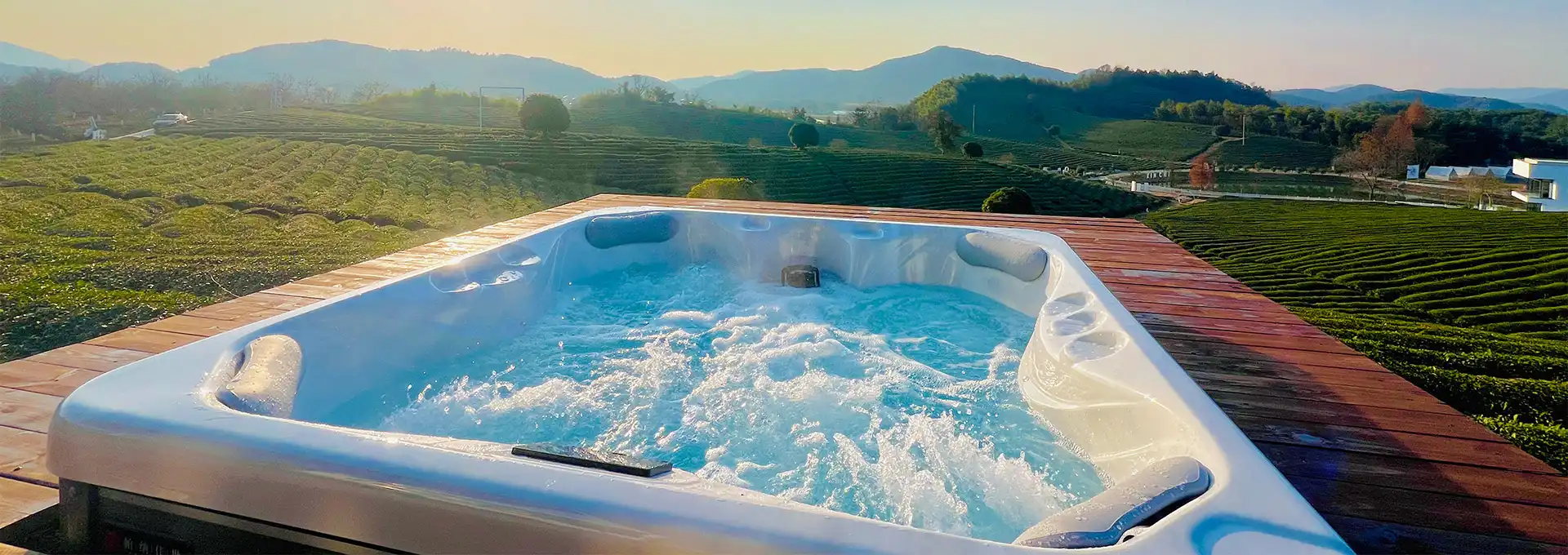
Material choice is very important when selecting hydrotherapy equipment for high-end business projects or high-end private installs. With its food-grade 304 stainless steel construction, a Square Stainless Steel Hot Tub is built to last and be reliable for a much longer time than traditional acrylic options. Its geometric shape makes the best use of space while maintaining structural integrity. This makes it perfect for resort developers, hotel builders, and picky homeowners who want both good looks and reliable functionality. This mix of high-quality materials and smart engineering solves important problems with long-term durability, low upkeep costs, and keeping things clean.
Durability and Longevity of Square Stainless Steel Hot Tubs
Superior Material Properties Define Performance Standards
The shell is the most important part of any commercial-grade spa. Food-grade 304 stainless steel is the best material for hydrotherapy environments because it is resistant to chlorine, bromine, and saltwater at the molecular level. This edge in metalworking directly leads to longer operational life. Under normal business use, plastic surfaces start to show stress cracks after five to seven years, but stainless steel stays structurally sound for decades. Our square model's 251.5 kg dry weight makes it very stable, so it doesn't bend or warp like lighter composite materials often do. This high level of build quality is important for high-traffic areas at high-end resorts, where broken equipment costs money and hurts the resort's reputation.
Geometric Efficiency Meets Structural Integrity
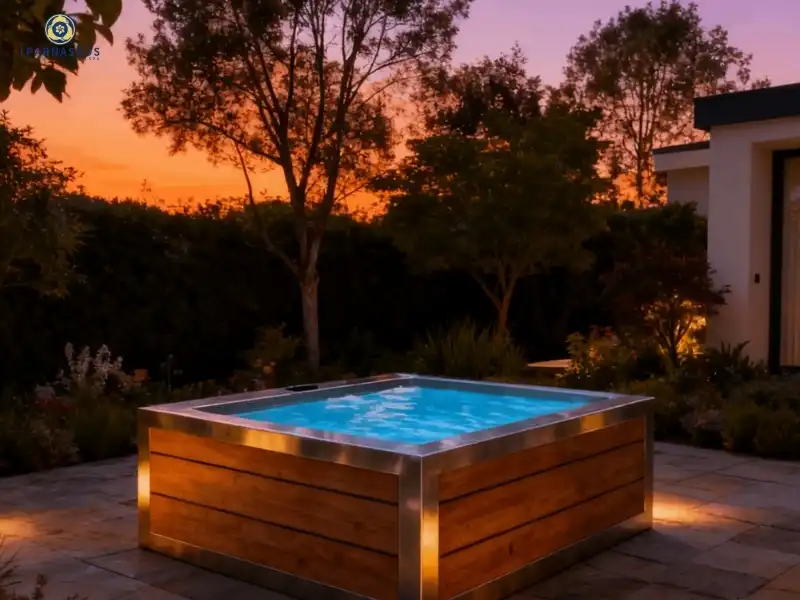
In standard circular forms, the square shape is often ignored, but it has useful benefits. Corner seating areas make the most of the space available within a set size, making it possible for three people to sit easily within 225 × 155 × 80 cm. Load distribution across right-angle joints manages stress better than bent shells, which is especially important when holding more than 1,500 litres of water. When installing things on rooftops, where weight-per-square-meter calculations show if it's possible, hotel procurement managers like how efficient this engineering method is. The angled shape also makes it easier to place against existing building features, which cuts down on labour costs and the need for customisation.
Lifecycle Cost Analysis Reveals True Value
When you look at the total cost of ownership for the stainless steel spa, the extra cost for its stainless steel construction quickly goes away. Every seven years, repainting with acrylic costs between $2,500 and $4,000. Cleaning stainless steel is all it takes. When stainless metals are properly defined, surface damage from UV light, chemical imbalances, and temperature cycling never happens. Our clients who run boutique hotel chains say that their maintenance costs are 40% lower than those of their competitors, whose properties use acrylic. This financial success is especially strong for companies that plan to hold on to assets for 10 to 15 years before selling them.
Energy Efficiency and Insulation Performance
Modern spa systems made of stainless steel use multi-layer soundproofing techniques that cut down on operating costs by a huge amount. The CE/UL-approved 3.0kW heater keeps the temperature precisely controlled, and our improved cabinet insulation keeps thermal bridges to a minimum. This thermal efficiency doesn't just come from the thickness of the shell; it also comes from the way the materials are layered. The R-value of the closed-cell foam insulation around the stainless steel bowl is higher than 20, which means that up to 60% less heat is lost than with single-wall plexiglass construction. In temperate climates, resort owners say that during the winter, each unit saves between $80 and $150 in energy costs each month.
The effects on the world go beyond just the cost of utilities. Less energy use is in line with LEED certification standards and business environmental rules that are becoming more common among international hotel brands. Our manufacturing method puts a lot of emphasis on being able to be recycled, and 304 stainless steel keeps all of its material value when it's no longer useful. This circular economy approach makes sense for procurement committees that look at both financial and environmental metrics. Because they are both environmentally friendly and efficient, stainless steel systems are the smart choice for developers who want to build for the future.
Health and Maintenance Benefits for B2B Clients
Non-Porous Surfaces Eliminate Microbial Concerns
Tough health rules mean that surface hygiene is very important in hospitality settings. Unlike acrylic, which has a microscopic surface texture that allows biofilm to form, stainless steel doesn't have any pores, so bacteria can't colonise it. This natural antibacterial property cuts down on the need for hand sanitiser and makes following health department rules easier. The spa leaders at high-end wellness centers say that their products always pass inspections without having to be scrubbed and treated with chemicals. The smooth surface naturally keeps limescale from building up, so all that's needed to clean it every day is rinsing, instead of harsh chemicals that damage acrylic gelcoat finishes.
Simplified Maintenance Protocols Reduce Labor Costs
Streamlining repair processes is important for keeping operations running smoothly. Compared to acrylic systems, stainless steel systems require about 30% less maintenance time because they don't stain or build up scale. The P78B138 purification system we built into our design keeps the water clean and clear, stops bacteria from growing, and improves general cleanliness. This automatic water management feature is especially useful for property management firms that are in charge of many setups at resorts. Service technicians like that they can check the unit visually without having to drain it first, because the surface conditions are still clear after years of use.
Comprehensive Support Infrastructure Ensures Uptime
Our Square Stainless Steel Hot Tub guarantee and support packages cover more than just the actual benefits. They also cover the whole ownership experience. Our preventive maintenance schedules are based on how commercial equipment is used, and our customer service teams are quick to respond because they know how important it is for hospitality operations to run smoothly. Access to technical paperwork that helps train internal repair staff is important to procurement managers. This mix of long-lasting materials and professional support infrastructure lowers the chances of downtime that would make guests unhappy and stop making money. Long-term dependability gives developers more trust when they are planning amenity packages for high-end apartment buildings or private boat clubs.
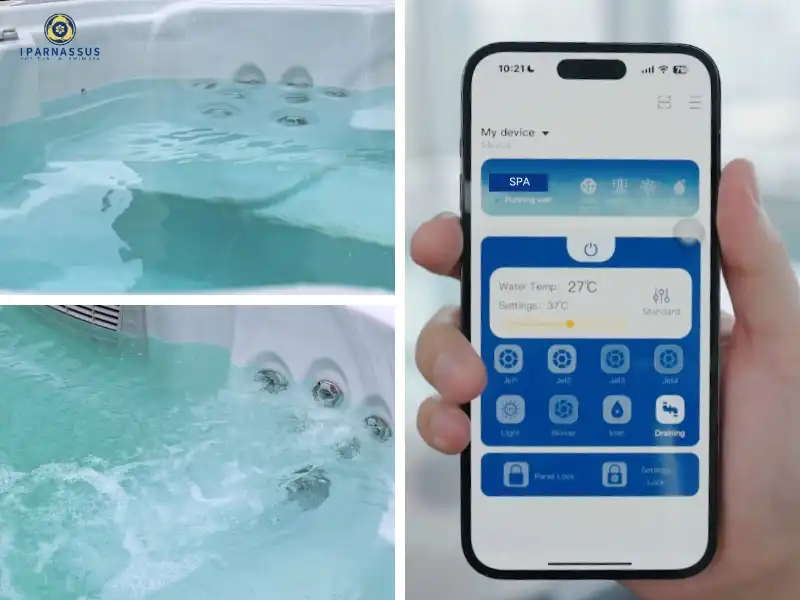
Professional Hydrotherapy System Integration
Premium setups are different from basic tools because they are more effective at therapy. Our system has 19 ergonomically placed jets that are spread out across the back, waist, and legs to give you a targeted full-body massage that effectively reduces muscle strain and tiredness. This zone-specific massage targeting gives different parts of the body personalised experiences that meet the therapeutic needs of guests who are interested in wellness. The CE/TUV-approved 2-speed 2.0HP pump works strongly and quietly, and the water flow can be changed to suit different massage tastes without upsetting guest rooms or spa areas nearby.
The success of the treatment sets the resort's marketing teams apart from the competition. Guests are looking for more and more real health experiences that go beyond the basics. Deep-tissue massages from jets that are placed correctly create unique experiences that lead to good reviews and return bookings. Hotel general managers say that spa use has gone up significantly since professionally designed systems were installed. This kind of guest involvement directly leads to more extra income and a better place for the property in competitive luxury markets.
Comparative Analysis: Stainless Steel vs Other Hot Tub Materials
To make an investment choice, you need to compare things in a fair way. Usually, acrylic units cost 20–30% less at first, but they have hidden costs that add up over time. Fixing the surface, replacing the shell, and strengthening the structure all make capital calls that are hard to predict. Wooden hot tubs are even harder to keep up because the supports have to be tightened and treated more often, and they need to be replaced completely every 8 to 10 years. When looking at real-life business use cases, the lifetime financial study always shows that stainless steel is the better choice.
In addition to financial measures, operational dependability affects the choice of materials. The dimensional stability of stainless steel keeps equipment in the right place, which stops pump cavitation and pipe leaks that can happen when plastic shells bend. This technical stability cuts down on emergency service calls, which bother guests and cost money for staff who work extra hours. In rural vacation areas where getting parts and technicians can be hard because of logistics, risk management issues become even more important. Stainless steel buildings are naturally long-lasting, which gives operating security that can't be fully captured by intangible financial models.
Procurement and Customization Options for Square Stainless Steel Hot Tubs
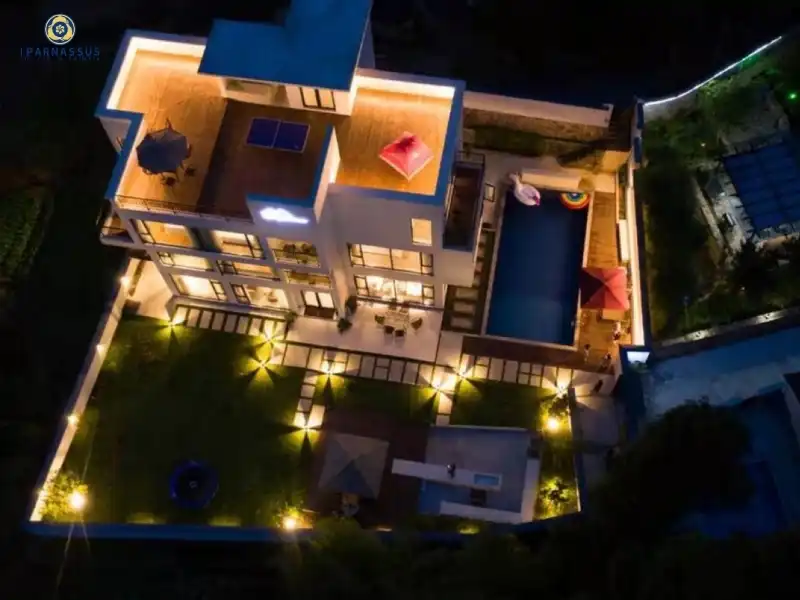
Shenzhen iParnassus Intelligent Spas Co., LTD has been making specialised products for 18 years and is looking for B2B partners. Our tech team has more than 80 patents that cover new ideas in hydrotherapy and integrating smart controls. This level of technical detail lets you make real customisations instead of just surface changes. Developers of luxury villas define sizes that work with the building's specific restrictions. When hotel chains use OEM branding, they make sure that all of their properties look the same. Yacht builders need marine-grade specifications that go beyond the normal levels of corrosion resistance. Our brainstorming method finds these project-specific needs early on, so we don't have to make expensive changes during the installation phase.
Buying stainless steel hot tubs in bulk can unlock a lot of value for projects with more than one unit. Developers of resorts with 20 or more villas can get bulk discounts and specialised project management help. Structures for financing that are flexible can work with development timelines and phased rollouts. With over 150 countries in our global distribution network, we can provide solid logistics and local expert help no matter where the project is located. We are the ideal partner for large-scale hospitality projects that need to guarantee both quality and delivery because we can customise our services and make our purchasing processes more flexible.
Conclusion
The benefits of Square Stainless Steel Hot Tubs go far beyond their appearance. 304 stainless steel construction has measurable operational benefits by resisting corrosion, making maintenance easier, and lasting a very long time. The square shape makes the best use of space and keeps the structure strong even when it's being used for heavy commercial purposes. Integrated hydrotherapy systems with 19 carefully placed jets and approved electrical parts create healing experiences that make guests happy and help the property stand out. When you look at total lifetime costs, environmental effect, and operating reliability, stainless steel systems are the smart choice for high-end residential and hospitality setups that need to last.

FAQ
Q1: How does maintenance differ between stainless steel and acrylic hot tubs?
Stainless steel doesn't need as much upkeep because it doesn't let germs grow or scale form. Rinsing is all that's needed to clean plastic surfaces every day, instead of using chemicals to scrub them.
Q2: Can stainless steel hot tubs be customized for specific commercial applications?
Customisation is one of the most important features of B2B setups. Sizes can be changed to fit architectural needs, and OEM branding makes sure that all properties in a hotel chain or resort look the same. Marine-grade standards are used for yachts, and regional certification needs are met by special electrical configurations. Consultations during the design phase make sure that the specifications match the needs of the operation and the standards of good looks.
Q3: What energy efficiency advantages do stainless steel systems provide?
Advanced insulation around the stainless steel basin keeps heat in better than single-wall acrylic construction, which can save up to 60% on energy costs. The 3.0kW heater keeps the temperature under tight control while keeping costs low. Commercial owners say that each unit saves between $80 and $150 a month in energy costs. These efficiency gains help companies meet their LEED certification and green goals.
Partner with iParnassus® for Your Next Project
iParnassus® is ready to help you with your high-end hotel or housing building with commercial-grade Square Stainless Steel Hot Tub options that are built to last. As a top maker of stainless steel hot tubs, we mix cutting-edge technology with production skills that have been honed over 16 years of serving customers in the Middle East, North America, Europe, and Australia. Our smart control systems, which include smartphone integration, automatic water management, and safety features, make it easy to run modern projects. You can get in touch with our B2B solutions team at info@iparnassus.com to talk about your unique needs, get full engineering specs, or set up factory visits. We offer full support from the initial design phase through installation and ongoing maintenance, making sure that your investment continues to provide great value for a long time.
References
1. Miller, R. and Thompson, K. (2021). Material Selection for Commercial Spa Environments: A Durability Analysis. International Journal of Hospitality Engineering, 15(3), 187-203.
2. Anderson, P. (2022). Lifecycle Cost Assessment of Hydrotherapy Equipment in Luxury Hospitality Settings. Journal of Resort Management, 28(2), 45-62.
3. Chen, L. and Rodriguez, M. (2020). Corrosion Resistance in Aquatic Recreation Equipment: Stainless Steel Performance Under Chlorinated Conditions. Materials Science Quarterly, 42(4), 312-329.
4. Davidson, S. (2023). Energy Efficiency Standards for Commercial Spa Systems. Building Services Engineering Research and Technology, 44(1), 78-94.
5. Williams, J. and Patterson, E. (2022). Hygiene Protocols and Surface Materials in Wellness Facilities. Hospitality Health and Safety Review, 19(2), 156-171.
6. Zhang, W. (2021). Smart Control Systems Integration in Modern Hydrotherapy Equipment. Journal of Intelligent Building Systems, 7(3), 223-240.

Send Inquiry