_1768872582663.webp)
Are 2-3 Person Hot Tubs Worth It?
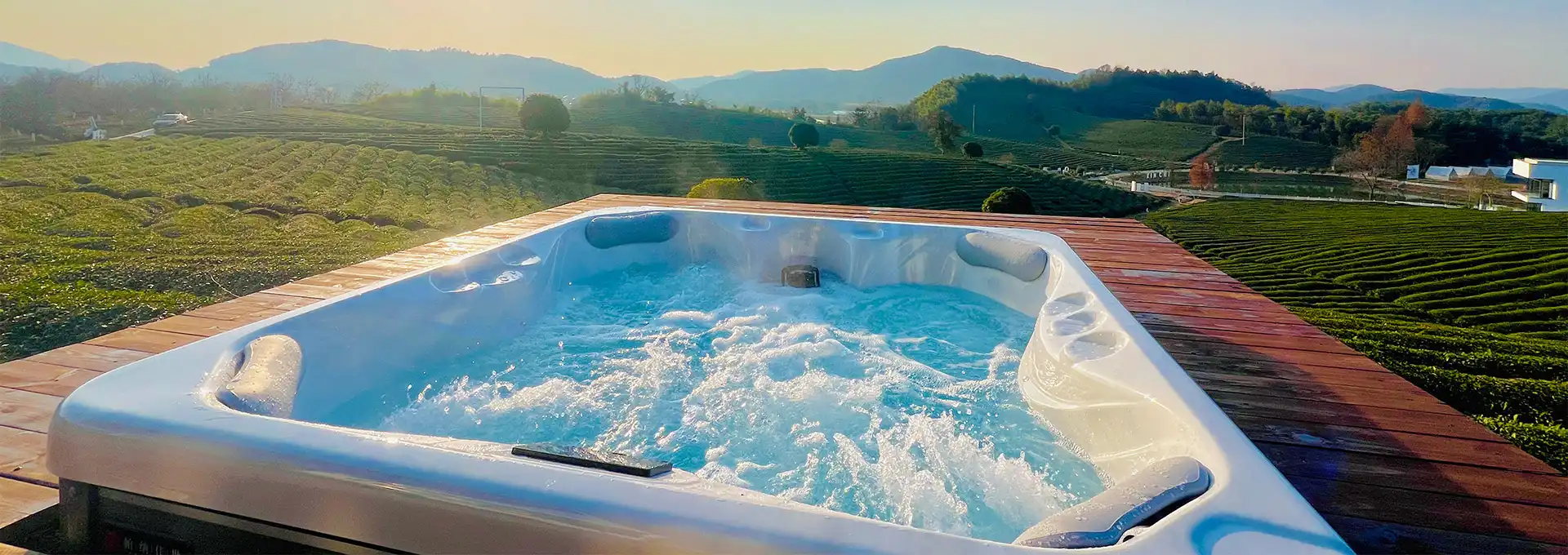
2-3 person hot tubs are genuinely worth the investment for the right buyer. Whether you manage a boutique hotel, design resort amenities, or simply want a compact spa for your home, these small-footprint tubs deliver real hydrotherapy value without demanding the space or operating cost of a full-size model. Most two-to-three person units measure between 60 and 84 inches in length, hold 200–350 gallons of water, and run noticeably leaner on energy than six-seat alternatives. For commercial buyers especially, the case gets stronger with every feature you examine.
Understanding the Value of 2-3 Person Hot Tubs
Space Efficiency That Actually Works
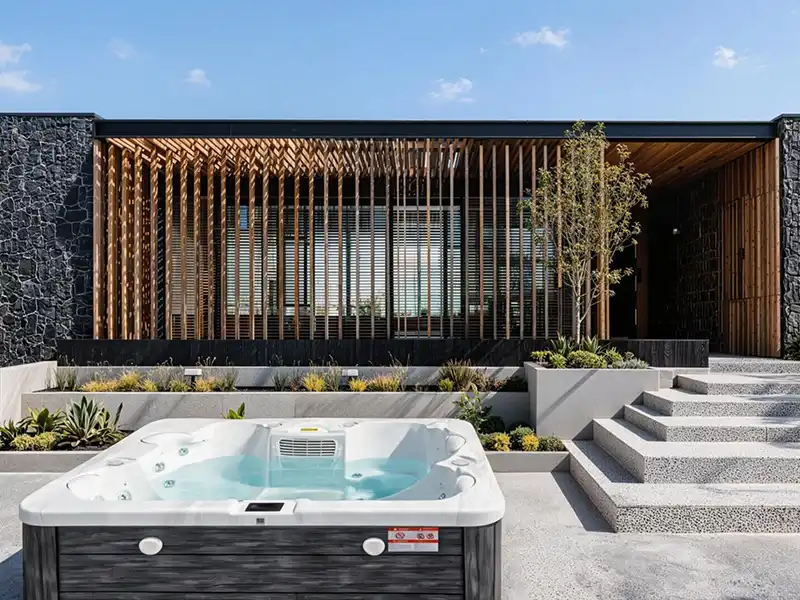
Most 2-3 person hot tubs can fit in a space that is 5 by 7 feet, which means they can be used in hotel rooms, apartment terraces, and small vacation suites where bigger spas just won't work. The American Hotel & Lodging Association says that spa-like amenities in rooms are directly linked to better guest satisfaction numbers. A well-placed small hot tub can be a big selling point without having to do any work to the house itself.
Energy and Operating Cost Advantages
Less water means faster heat-up times and less energy use over time. A tub for two to three people holds about 200 to 350 gallons, while a tub for six people holds about 400 to 500 gallons. That difference adds up to big monthly savings for a hotel with multiple units. The U.S. Department of Energy confirms that hot tubs with thermal covers that are well insulated can cut heating costs by up to 40%.
Wellness Benefits That Support Commercial Programs
A study published in 2018 in the Journal of Physiological Anthropology on hydrotherapy found that regular immersion in warm water lowers cortisol levels and improves sleep. A small spa that is marketed as a therapeutic amenity can help business health centers and resorts keep guests and justify higher prices.
How to Choose the Right 2-3 Person Hot Tub for Your Business
Material and Build Quality
In commercial settings, acrylic shells that come from quality-controlled sources work much better than inflatable units. Inflatable tubs might be fine for occasional use at home, but they get worn out quickly when they're used every day, and they can't handle commercial-grade jet systems. When buying 2-3 person hot tubs for a hotel, plastic with a stronger cabinet is the standard.

Jet Configuration and Massage Coverage
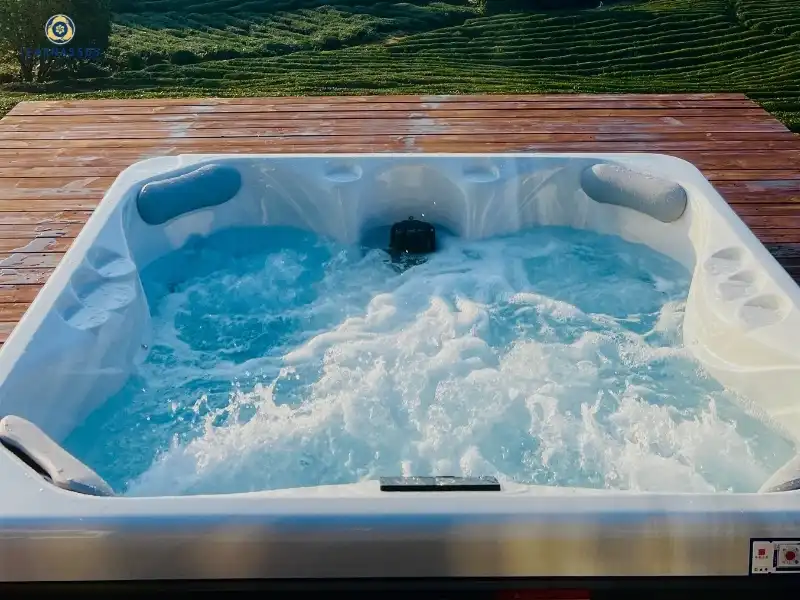
The number of jets and the size of each jet decide the quality of the treatment. One tub with 20 basic jets and one with 39 scattered jets of different sizes give you a different experience. For example, the iParnassus® P630 has 39 jets, including four 5-inch CMP oversized jets that are some of the biggest in this size class. These jets work on the back muscles, calves, hips, and feet in both the lounge position and the single compact seat.
Lock Systems and Certification for Commercial Use
Before buying a hotel or resort, buyers need to look at the safety architecture. A three-lock system that protects the control panel, the child safety feature, and the hotel mode stops illegal changes and lowers risk in places where people aren't watching. For global safety and insurance reasons, it is necessary to have full certification covering six foreign standards, such as CE, ETL, and SAA.
Maintenance and Longevity of 2-3 Person Hot Tubs
Routine Care That Keeps Costs Down
Water chemistry management that is done regularly—keeping the pH between 7.2 and 7.8, checking the sanitizer levels once a week, and shaking the water every two weeks—extends the life of both the shell and the equipment. Like the ones on the P630, dual skimmer filter systems make sure that there are no stagnant areas and full-range circulation. This directly lowers the amount of chemicals needed and the number of times the system needs to be serviced.
Acrylic vs. Inflatable Lifespan
With the right care, a good plastic hot tub will last 15 to 20 years. Inflatable types usually last between 3 and 5 years with light home use. Acrylic pays for itself in the first few years by lowering the number of times it needs to be replaced and the cost of upkeep per guest for business purchases.
Warranty Terms and Total Cost of Ownership
When I look at offers from suppliers, I always check what the guarantee actually covers. The plumbing, pumps, shell structure, and control systems all have different levels of risk. A good starting point is a company that guarantees structural parts for two to five years and equipment for one to two years. Make sure that you can get help after the sale, and that replacement parts can be sent out quickly.
Energy Efficiency and Operational Cost Optimization
Heating Method and Insulation Design
Electric heaters are still the most common choice for homes and small businesses. With a fitted thermal cover and full-foam insulation, you don't lose much heat between sessions. When there are a lot of guests at a hotel, keeping the temperature steady instead of reheating a hot tub in a pool from cold saves energy and wear on the equipment.
Here are the main things that business owners do to keep energy costs down:
- Use a quality thermal cover: The Pool & Hot Tub Alliance says that a cover that fits well can cut heat loss at the surface by up to 60%.
- Set temperature strategically: Keeping water at 100°F between uses instead of dumping and warming it saves a lot of energy over the course of a week.
- Schedule pump cycles with timers: Filtration that runs during off-peak power hours can lower energy costs in places where prices are based on time of use.
When these things are done together, they help business sellers make accurate cost-per-guest estimates and keep operating costs stable over the course of a season.
Smart Controls for Operational Precision
The iParnassus® control system can be managed from a smartphone, can check the water level in real time, and has built-in safety features that protect it from low water and changes in temperature. Hotel owners who are in charge of multiple units will save a lot of money on staff labor costs if they can watch and change each spa from afar without having to do it by hand.
Procurement and Transaction Considerations for B2B Buyers
Evaluating Suppliers and Sourcing Channels
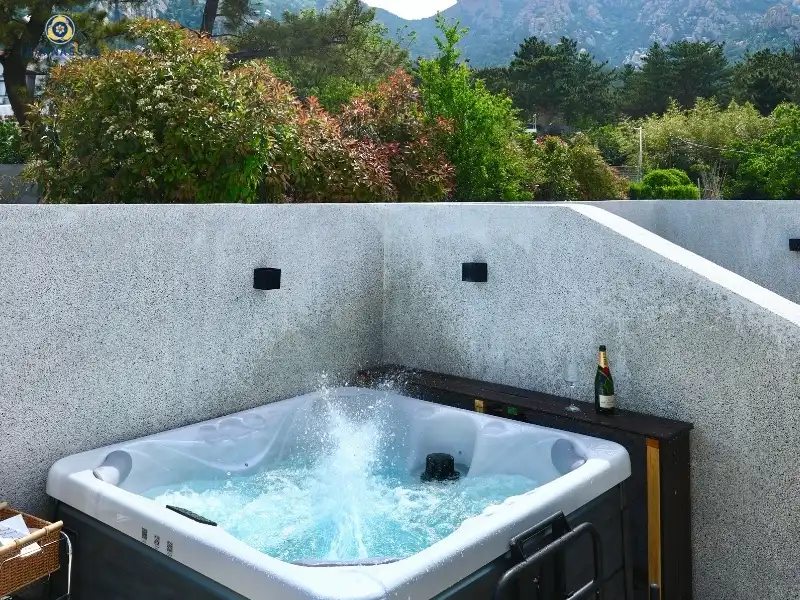
Buying from reputable companies that have factory checks, ISO certifications, and a history of serving business clients is less risky. When you buy directly from a well-known spa maker, you can usually get better prices and more customization choices than when you buy from a third-party distributor. At a large scale, loading speed is also important. The P630 can fit six units into a 20-foot GP container, which has a direct effect on the landing cost for wholesale buyers.
Customization, Financing, and Installation Packages
When suppliers offer configuration options like cabinet colors, jet layouts, control panel branding, and built-in audio, without requiring large custom minimums, commercial buyers get more for their money. Make sure that the shipping package has installation instructions, electrical specs, and compliance certificates so that there are no delays after it arrives.
Building Long-Term Vendor Relationships
If you have a good relationship with your seller, you can get your orders faster, get new models before anyone else, and get help with warranty problems. People who buy something just once usually end up paying more in the long run for substitute costs and service gaps than people who arrange a written supply agreement ahead of time.
Conclusion
If you need performance in a small space, a 2-3 person hot tubs is a good choice for hotel project managers, resort designers, and private developers. This category is really competitive because it has targeted hydrotherapy, lower operating costs, commercial safety features, and certification coverage around the world. The iParnassus® P630 shows what can be done in this size class when engineering and business goals are aligned. It has 39 jets, a triple lock system, dual skimmer filtration, built-in audio, and a fast water change system that is designed to meet real turnover needs.
Frequently Asked Questions
1. What size space do I need for a 2-3 person hot tub?
Most small spas in this group need a space that is between 60 and 84 inches long and 60 to 72 inches wide. Leave at least 12 to 18 inches extra on at least two sides to allow for cover removal and equipment access.
2. How many jets should a quality 3-person spa have?
The number of jets is not as important as their size and placement. A 39-jet arrangement with different sizes of jets, such as large 5-inch CMP jets for back massage, provides more specific therapy than a higher number of small, weak nozzles.
3. Is a commercial hot tub safe in an unsupervised hotel setting?
Yes, as long as it has a good lock system. A triple lock that covers panel access, child safety, and hotel mode control stops changes that aren't supposed to be made and lowers the risk of liability for hotel owners.
4. How often should commercial hot tub water be changed?
When there is a lot of turnover, a fast water inlet/outlet system lets all the water be replaced in a reasonable amount of time. Between guest rounds, cleanliness is kept up by balancing chemicals on a regular basis.
Discover the iParnassus® P630 — Request a Quote Today
Are you ready to add an approved, business-grade small spa to your next project? With 18 years of experience, 80 patents, and a full set of international certifications, iParnassus® is a reputable manufacturer of 2-3 person hot tubs. Shipping six pieces of the P630 in a 20-foot crate makes things easier for people who buy in bulk. You can email our team at info@iparnassus.com to ask about specs, prices, and availability.

References
1. American Hotel & Lodging Association. 2023 Lodging Survey: Amenity Impact on Guest Satisfaction. AHLA, 2023.
2. Masuda, A. et al. "Repeated Thermal Therapy Diminishes Appetite Loss and Subjective Complaints in Mildly Depressed Patients." Journal of Physiological Anthropology, vol. 37, 2018.
3. U.S. Department of Energy. Energy Saver Guide: Tips on Saving Money and Energy at Home. DOE, 2022.
4. Pool & Hot Tub Alliance. Residential Hot Tub Energy Efficiency Standards and Best Practices. PHTA, 2021.
5. National Sanitation Foundation. NSF/ANSI 50: Equipment for Swimming Pools, Spas, Hot Tubs and Other Recreational Water Facilities. NSF International, 2022.
6. International Organization for Standardization. ISO 17510: Water Quality — Hydrotherapy and Related Facilities. ISO, 2020.

Send Inquiry