_1768872582663.webp)
Are 3-4 Person Hot Tubs Energy Efficient?
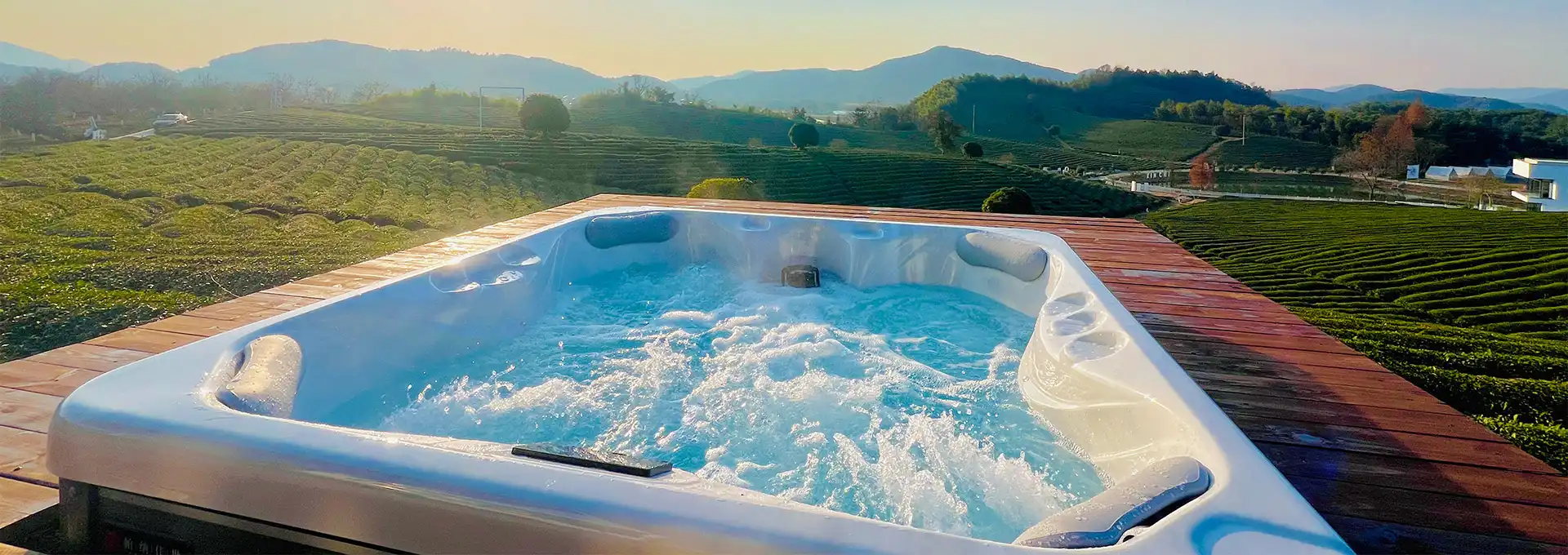
3-4 person hot tubs are among the most energy-efficient spa options available today. Their compact water volume means less energy is needed to heat and maintain temperature compared to larger 6-8-person models. According to the U.S. Department of Energy, well-insulated residential hot tubs can cost as little as $10–$20 per month to operate. When paired with modern features like variable-speed pumps, ozone-UV sanitation, and insulated hard shells, a quality small hot tub delivers serious value without inflating your utility bill—making it a smart pick for budget-conscious homeowners and hospitality operators alike.
Understanding Energy Efficiency in 3-4 Person Hot Tubs
What "Energy Efficient" Actually Means for Compact Spas?
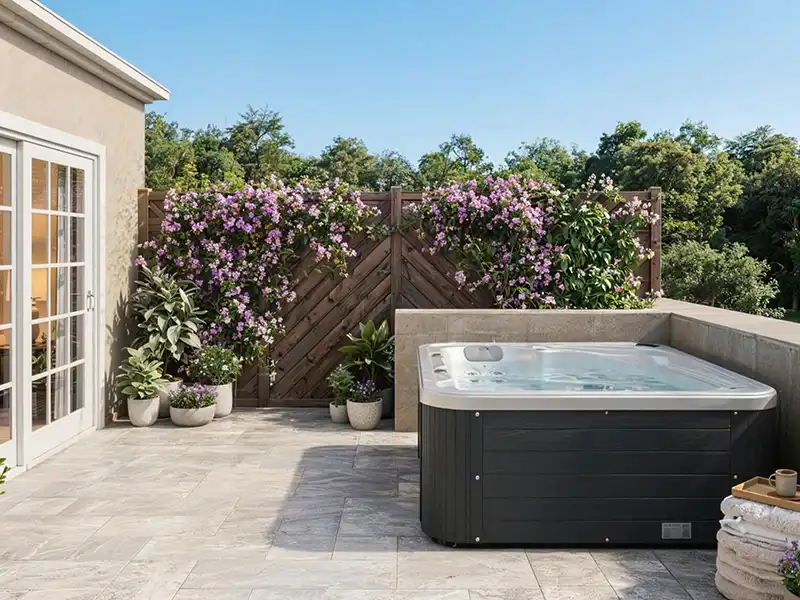
In a small spa, energy efficiency isn't just about the number of watts listed on the specs sheet. It refers to how well the unit retains heat, circulates water, and cleans itself without using too much electricity. Any regular hard-shell hot tub needs between 1,500 and 6,000 watts of power, based on the size of the heater and how active the jets are. A small 3-4 person hot tub model, which is about 1.8 meters square, holds significantly less water than a six-person tub. This means that the heater cycles less often and the pump works against a smaller thermal load.
It's simple math: less water volume means less need to heat it up, which translates to lower monthly running costs. This is why right-sizing is important. Picking a four-seat spa when you only need four seats is not a compromise; it's a choice that will save you time and money.
Key Features That Influence Energy Efficiency
Shell Material and Insulation
Hard-shell models made of acrylic keep heat in much better than inflatable ones. High-density foam insulation packed between the shell and the cabinet traps warmth, so the heater doesn't have to run as long at night or in the winter. USA-imported acrylic is used in the 4S01 model by iParnassus®. This is a material that is both structurally strong and very good at resisting heat, which is important for keeping water at the right temperature in North America and Europe's various climates.
Here are the main technical factors that affect how much energy 3-4 person hot tubs use:
- Full-foam insulation beneath the shell: This keeps heat from escaping through the cabinet walls, so the temperature doesn't drop as much at night and the heater doesn't have to work as often.
- Ozone + UV dual sanitation: This mix cuts down on the need for chemical treatment and the number of pump runs needed to turn water over, which lowers the total power draw.
- Variable-speed or low-draw circulation pumps: Running a small circulation pump at a low speed 24/7 uses a lot less energy than turning a big jet pump on and off repeatedly.
- Insulated thermal cover: The most effective way to save energy is to use a cover that fits well. Research has shown that covers can cut down on standby heat loss by as much as 60%.
These parts don't work in isolation; they work together. Even if a hot spa has great insulation, it will still lose a lot of heat if the cover doesn't fit right. The whole thermal package, not just individual components, should be evaluated by procurement teams.
Smart Controls and Programmable Timers
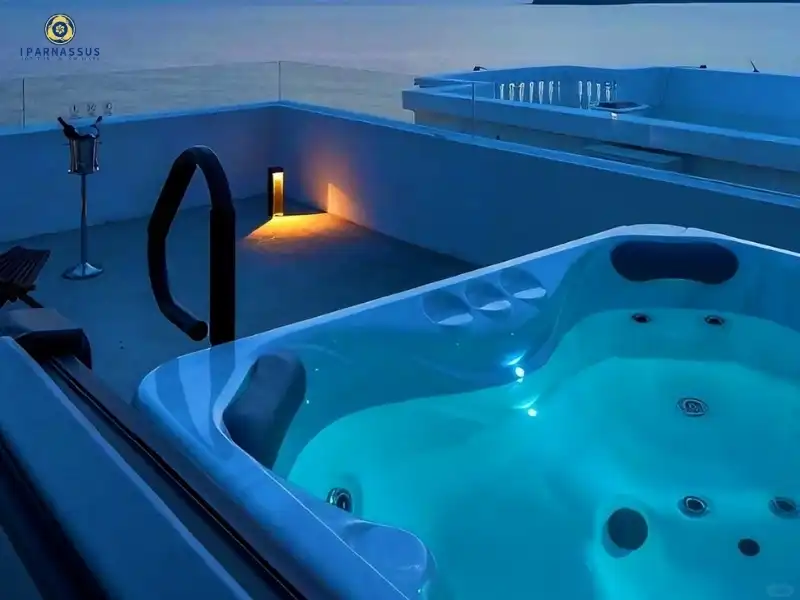
The iParnassus® control system includes self-protection processes, smartphone monitoring, and schedules that can be programmed. Setting the tub to "economy mode" during off-peak hours, like 10 PM to 6 AM, leaves the water at a lower holding temperature and heats it up before your soak window. Depending on the weather, this one habit can cut energy use by 15–30%. The touchscreen is waterproof, easy to use, and doesn't have the "overwhelming controls" problem that many buyers report with competing models that have a lot of features.
Maintenance Practices to Maximize Energy Efficiency
Filter Care, Water Chemistry, and Cover Discipline
The circulation pump has to work harder when the filter is dirty, which draws more current and makes the water less clear at the same time. It is recommended to rinse cartridge filters every two weeks and replace them on schedule to keep the flow resistance low and the energy draw steady for 3-4 person hot tubs.
The chemistry of the water is more important than most owners realize. An unbalanced pH level damages components, shortens the life of heater elements, and speeds up the wear on pump seals, all of which use more energy over time. A lot of the cleaning work is done automatically by the ozone-UV system on iParnassus® units. This means you don't have to shock the water as often, and the filtration cycle doesn't have to run for as long.
These gains are amplified by behavioral habits:
- After each soak, you should immediately replace the insulated cover.
- Instead of constantly raising and dropping the temperature, set a steady target temperature.
- Timers that can be programmed can be used to align filtration processes with times when power rates are lower.
- Have a professional check your equipment once a year to catch broken seals or scale buildup before they stop working properly.
By consistently doing these things, you can make your tub last longer and keep your monthly costs low, which is especially important for hotel managers or eco-villa operators managing multiple units.

Comparing 3-4 Person Hot Tub Models for Energy Efficiency
Hard Shell vs. Inflatable: A Practical Comparison
Inflatable spas are less expensive to buy, but their thin walls offer minimal thermal resistance. In cooler areas, people who use an inflatable tub or hot spa often find that the heater has to run almost all the time to maintain temperature, which takes away from the initial cost savings during the first heating season.
The iParnassus® 4S01 and other hard-shell 3-4 person hot tubs are better investments over time. The 1.8-meter footprint is just the right size for most decks and patios. Four full-size seats with built-in headrest pillows make it possible to really soak, and massage jets placed in just the right places provide focused hydrotherapy without the need for a high-horsepower pump bank, which keeps the electrical demand low.
The 4S01 has big organizational benefits for wholesalers who are looking at procurement efficiency. A 40-foot high-cube container can hold 18 units, which cuts down on the costs of shipping, storing, and moving each unit. That higher container-load density means better margins for resellers and lower landed costs for facility operators who buy in bulk.
Procurement Considerations for Energy-Efficient 3-4 Person Hot Tubs
Balancing Upfront Cost Against Lifetime Operating Savings
There is a wide range of build quality in the $2,000–$5,000 price range. When buyers only look at the purchase price of 3-4 person hot tubs, they might not pay attention to the insulation grade, pump efficiency class, or warranty scope. These are all factors that determine how much the product will really cost them over a 7–10 year life.
The choices professionals make during installation also have long-term effects on energy use. If you put your tub on a level, well-drained concrete pad instead of a wooden deck, the base will lose less heat. Having the right electrical setup, like a dedicated circuit and the right gauge wires, stops voltage drop that forces heaters and fans to draw more current to compensate.
That investment is protected by the supplier's guarantee and help after the sale. iParnassus® offers a full warranty and quick customer service, making sure that malfunctioning parts that slow down operations are fixed before they lead to higher running costs.

Conclusion
If buyers look at insulation, pump technology, sanitation systems, and cover quality together as a package, they can find a compact hot tub that really saves energy. For those comparing 3-4 person hot tubs, the iParnassus® 4S01 shows that performance doesn't have to be compromised at the entry level. With acrylic construction made in the USA, ozone-UV sanitation, smart controls, and a size that fits in real-life areas, it offers real value for homes, hotel owners, and wholesalers alike. Those savings go even further when you keep up with maintenance. One of the most energy-efficient things you can do is make sure your spa is the right size.
FAQ
1. How much does it cost a month to run a hot tub for three to four people?
How much it costs to run depends on the weather, how often it is used, and the local energy rate. Well-insulated hard-shell models cost around $20 to $50 a month in the U.S. when they are used normally.
2. Are hard-shell spas using less energy than inflatable ones?
Yes. Hard-shell acrylic tubs with full-foam insulation keep heat in much better than inflatable options. This means that heaters don't have to run as long, especially in cooler climates.
3. Does ozone-UV cleaning use less electricity?
Yes, it does. Ozone-UV systems lower the total power draw by doing a large portion of the water sanitation work passively. This means that the filtration pump cycles for less time and happens less often.
4. What effect does a thermal cover have on my energy bills?
One of the most effective ways to save energy is to use an insulated cover that fits right. This can cut standby heat loss by up to 60%.
Ready to Find Your Ideal 3-4 Person Hot Tub Supplier?
Every spa that iParnassus® builds is backed by our 18 years of experience and more than 80 patents. The 4S01 small four-seat hot tub combines durable acrylic from the USA, smart energy management, and ozone-UV sanitation in a size that works in real life. We're ready to help you with your project, whether you're a homeowner, hotel manager, or dealer looking for 3-4 person hot tubs for sale. Email us at info@iparnassus.com.
References
1. U.S. Department of Energy. (2023). Energy Saver: Hot Tubs and Spas.
2. California Energy Commission. (2021). Appliance Efficiency Regulations—Portable Electric Spas.
3. Association of Pool & Spa Professionals (APSP). (2022). ANSI/APSP/ICC-14 American National Standard for Portable Electric Spa Energy Efficiency.
4. Natural Resources Canada. (2023). Energy Efficiency of Hot Tubs and Spas.
5. Which? Consumer Research. (2022). Hot Tub Running Costs: Inflatable vs. Hard Shell Compared.
6. Energy Star Program. (2023). Understanding Standby Energy Loss in Residential Spas.

Send Inquiry