_1768872582663.webp)
Are Compact Hot Tubs Energy Efficient and Easy to Maintain?
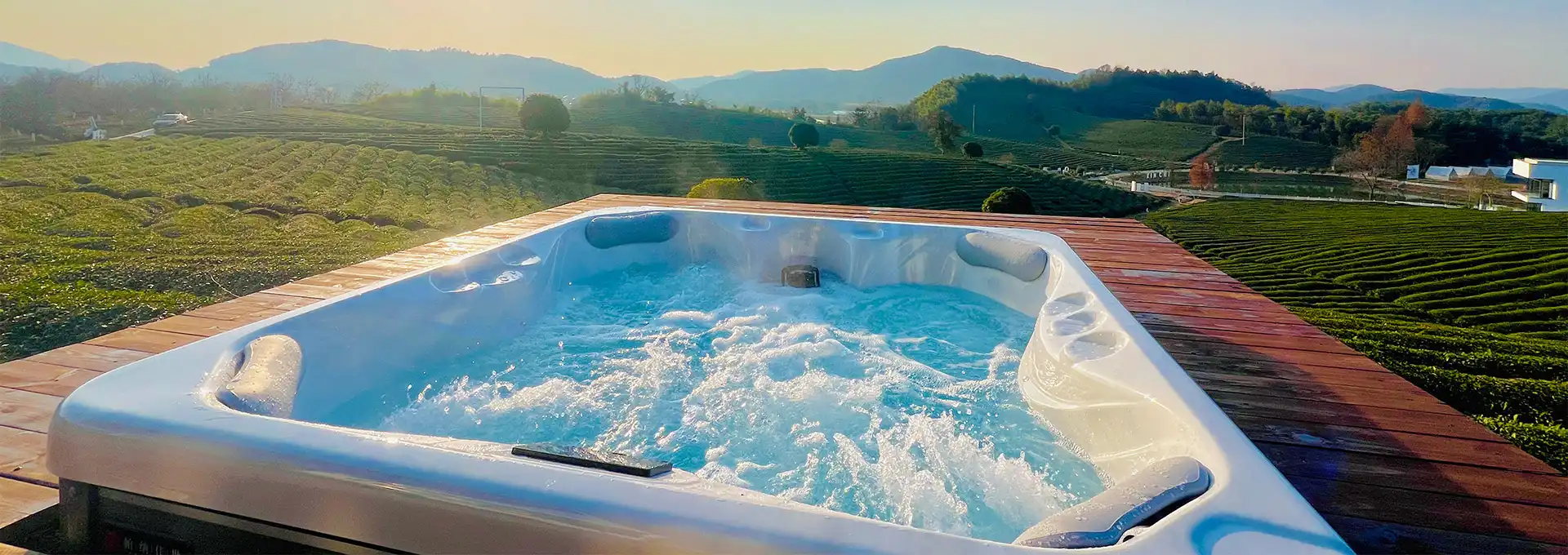
Little Compact Hot Tubs are very energy efficient and super simple to maintain. A lower amount of water (usually around 500 L) warms up more quickly and uses less power and chemicals than a full-size spa. A good tiny hot tub that is designed with high-quality insulation and sophisticated temperature controls may operate at a fraction of the cost of bigger options. Whether you have a boutique hotel, B&B, or condo unit, these space-saving soaking solutions provide real operational savings together with a superior wellness experience.
Understanding Compact Hot Tubs: Definitions and Key Features
What Qualifies as a Compact Hot Tub?
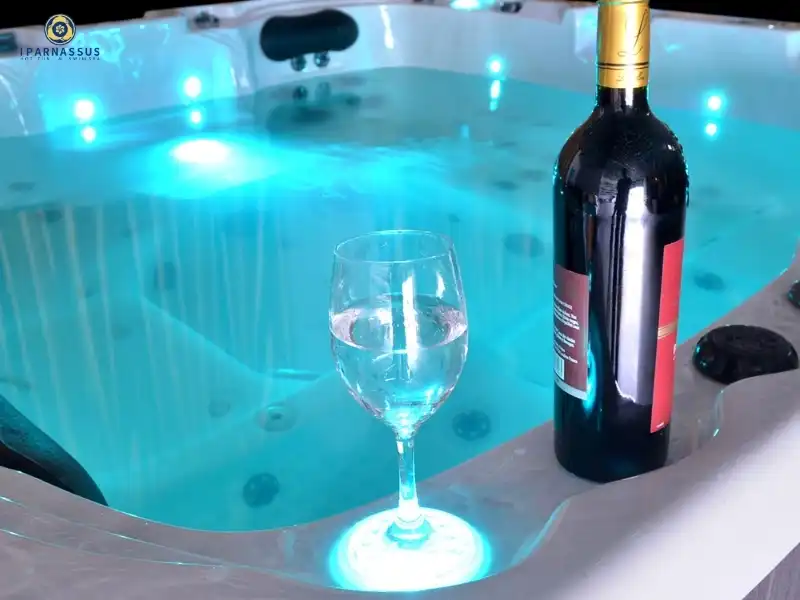
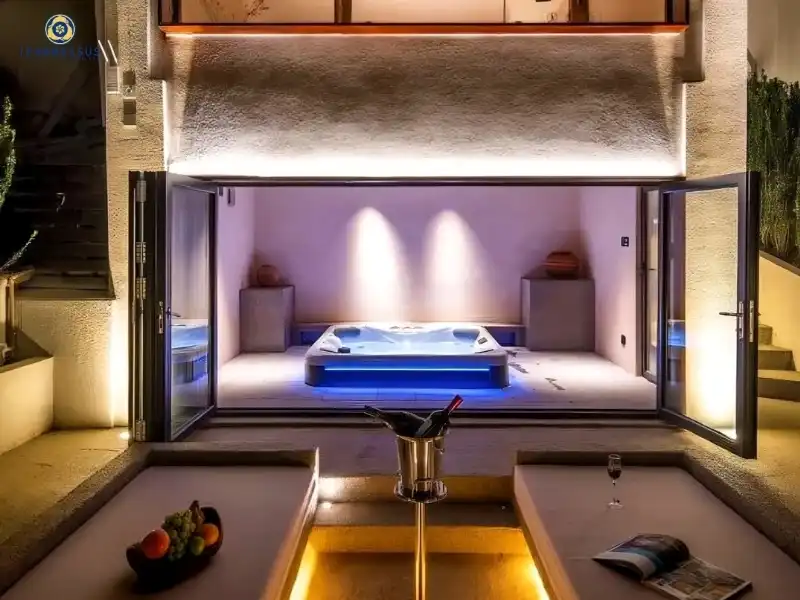
A tiny hot tub often fits two to four people in a space that bigger versions can’t. Take the iParnassus® 2R01, a little 193×153cm, one of the smallest in its class, but capable of seating three persons in real luxury. It has a two-way lounge seat, allowing two users to face each other, making discussion natural throughout the massage session. The device has an effective skimmer filtration system and fits in ordinary elevators, opening doors to interior apartment and rooftop installations that other spa goods just cannot reach.
Materials and Technology That Matter
The building material has a direct impact on both the durability and the energy consumption. Higher-grade acrylic shells, with bottoms made of reinforced polymer, hold heat better than the cheaper options. The difficulty with maintaining temperature in the system depends on the positioning of jets, the effectiveness of the circulation pump, and the design of the heater. Procurement managers buying a tiny spa model for hospitality or domestic usage should pay close attention to these parameters before executing purchase orders. An insulated shell and layer of insulation will reduce monthly operating expenses by 20-30% compared to a poorly insulated unit of the same water capacity.

Evaluating the Energy Efficiency of Compact Hot Tubs
Energy efficiency is the defining factor inthe total cost of ownership. A standard large hot tub holds 1,500L or more, meaning every heating cycle draws significantly more power. A compact model holding roughly 500L reaches target temperature far faster — often within one to two hours — reducing the energy window substantially.
Key efficiency variables include:
- Insulation quality: Full-foam insulation beneath the shell and around the cabinet minimizes heat loss overnight. Procurement teams should verify insulation grade as part of product specification reviews.
- Heater type: Electric resistance heaters are standard, but pairing a compact tub with an optional heat pump can cut energy consumption by up to 75% in moderate climates, according to the U.S. Department of Energy.
- Smart controls: The iParnassus® control system allows smartphone-based temperature scheduling, so the tub only heats when needed. Automated self-protection programs activate when entering or exiting water, eliminating unnecessary power draw without manual intervention.
- Cover discipline: A well-fitted thermal cover retains up to 60% ofthe heat that would otherwise escape overnight, directly reducing reheat cycles and electricity bills.
These factors collectively determine whether a small-footprint spa unit becomes an operational asset or a recurring overhead burden. Prioritizing each variable upfront protects procurement budgets over the product's lifetime.
Maintenance of Compact Hot Tubs: Simplified Yet Effective Practices
Routine Tasks That Protect Performance
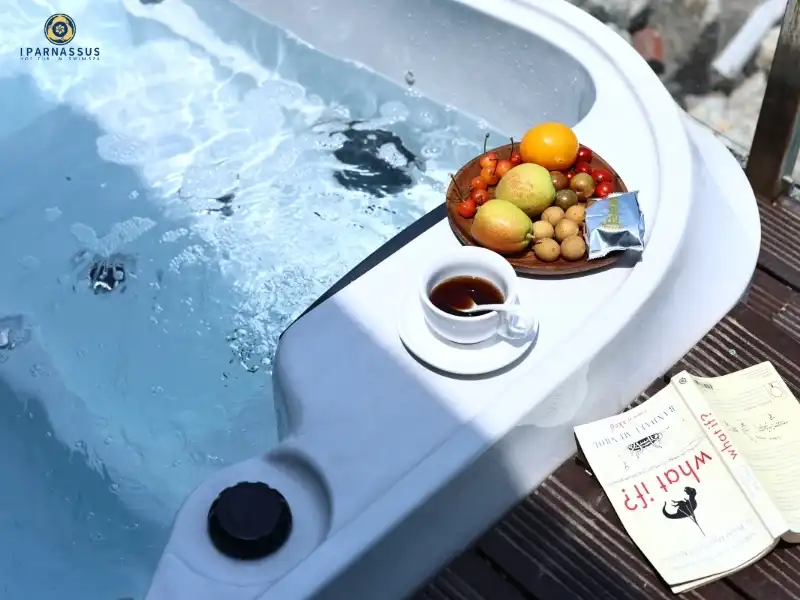
The smaller amount of water is a real maintenance benefit. Less water = fewer chemicals, quicker water changes, easier balancing. Most of what a tiny,compact 4-person hot tub requires is taken care of with a weekly pH and sanitizer check, plus a monthly filter washing. The 2R01 comes with a skimmer filtration technology that proactively catches surface material to alleviate the main filter load and prolong its life.
Smart Automation Reduces Workload
iParnassus® has sophisticated water-level detection and automated refill alerts built into the control panel. The system’s self-cleaning cycle may be programmed, so B&B or boutique hotel workers don’t need to manually start the cleaningprocesss. Touch-sensitive control panel with an outstanding waterproof certification for use in damp or outdoor conditions. Remote water management, such as control of intake and outflow via a smartphone, saves staff time on physical maintenance work.
Here are the practical maintenance steps that keep a compact spa running reliably long-term:
- Water chemistry: Test pH (7.2–7.8), alkalinity (80–120 ppm), and sanitizer weekly. Balanced water protects jets, seals, and the heating element from corrosion.
- Filter maintenance: Rinse cartridge filters every two weeks; replace annually or per manufacturer guidance.
- Cover care: Wipe the cover surface monthly and condition it seasonally to prevent cracking and heat loss.
- Jet and pump inspection: Check jets for blockage quarterly. Unusual noise from the pump warrants immediate attention to prevent escalation.
These steps require less than 30 minutes per week for a compact unit, making them realistic even for small-team hospitality operators.
Procurement Insights: Choosing Energy-Efficient and Low-Maintenance Compact Hot Tubs
Selecting the right compact spa supplier goes beyond comparing sticker prices. Procurement professionals should evaluate warranty terms, replacement part availability, and after-sales response time with the same rigor applied to technical specifications.
The iParnassus® 2R01 offers logistics advantages that matter at scale: up to 22 units fit in a single shipping container, reducing per-unit freight cost significantly for bulk B2B orders. For boutique hotel groups or B&B networks equipping multiple properties, this density translates directly into procurement savings. The unit's elevator-compatible dimensions also reduce installation complexity at urban properties, where access routes are often a sourcing bottleneck.
When assessing any compact 4-person hot tubsupplier, verify the following criteria before committing:
- Energy certification and rated power consumption
- Insulation specification (full-foam vs. partial)
- Warranty coverage on shell, jets, heating element, and control system
- Smart control compatibility and software update support
- Lead time and container packing density for bulk orders
iParnassus® holds 80 patents as of 2026 and carries 18 years of manufacturing experience, with an established distribution presence across Europe, North America, the Middle East, and Australia — factors that reduce supply chain risk for international procurement teams.
Best Practices for Installation and Operation to Maximize Efficiency
Good site preparation pays benefits in the energy economy and maintenance ease. A flat, load-bearing surface such as a reinforced balcony, garden patio, rooftop deck, or indoor space keeps stress off the shell and allows the pump drainage to work properly.
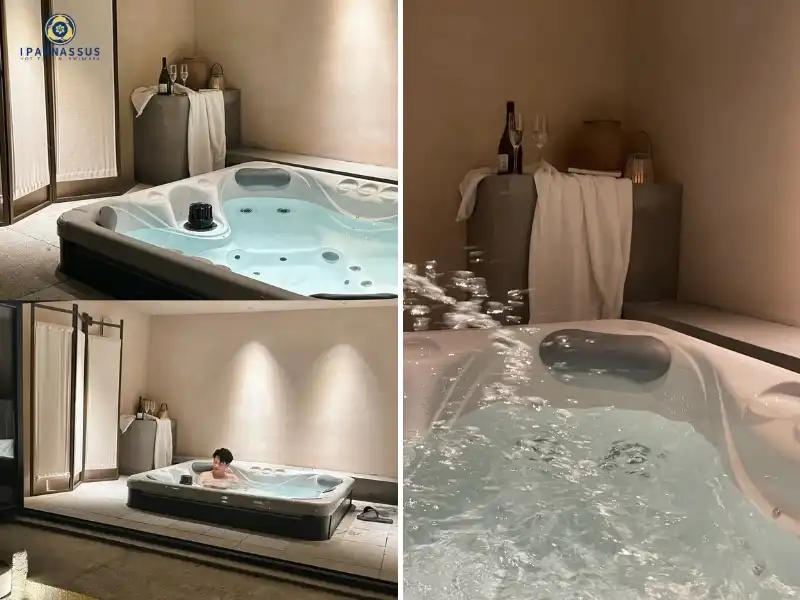
Positioning is important too. Placing the unit out of prevailing breezes lowers heat loss. In colder locations, an inside installation or a windbreak structure may dramatically save heating expenditures during winter months. The weather-resistant structure of the 2R01 allows for deployment inside or outside without modification, providing true freedom for the operator.
A strategy of keeping the thermostat at 38°C during peak usage and lowering it to 35°C during low use (rather than shutting down completely) is often more energy-efficient than cold restarts. Plus, along with the iParnassus® smart scheduling function, this method automates temperature control without needing personnel involvement.
Conclusion
Compact Hot Tubs deliver genuine energy efficiency and low-maintenance operation when sourced from a quality manufacturer. Smaller water volumes heat faster, cost less to run, and demand fewer chemicals. Smart control integration and high-grade insulation amplify these advantages further. For procurement professionals equipping apartments, boutique hotels, B&Bs, or marine properties, a well-specified compact spa unit represents sound value — not a compromise. The iParnassus® 2R01 exemplifies this balance: a 193×153cm footprint, dual lounge seating, skimmer filtration, and smartphone-based controls at a price point accessible toentry-to-mid-budgett buyers.
FAQ
1. Do compact hot tubs use less electricity than full-size models?
Yes. A compact tub holding around 500L heats up faster and maintains temperature with less energy than a 1,500L+ standard model. Paired with a heat pump and a good thermal cover, monthly running costs can be substantially lower than most buyers expect.
2. What maintenance does a small spa actually require?
Weekly water chemistry testing, bi-weekly filter rinsing, and monthly cover care cover the essentials. Units equipped with automated cleaning cycles and smart water-level reminders — like iParnassus® models — reduce manual workload further, making them practical for small hospitality teams.
3. Can a compact spa be installed indoors?
Yes. Models like the 2R01 are designed to fit through standard doorways and elevators, making indoor installation viable for apartments, rooftop rooms, and hotel suites. Adequate ventilation and a waterproof floor surface are the primary site requirements.
4. How long does a compact hot tub typically last?
A quality acrylic-shell compact spa, properly maintained, routinely lasts 15–20 years. Shell integrity, insulation quality, and pump maintenance are the primary longevity factors.
Discover iParnassus® Compact Hot Tub Solutions for Your Business
iParnassus® combines 18 years of spa manufacturing expertise with 80 patents to deliver reliable, energy-efficient compact hot tubs built for real commercial and residential demands. As a trusted Compact Hot Tub manufacturer, we support B2B buyers with competitive bulk logistics, smart control integration, and responsive after-sales service. Contact our team at info@iparnassus.com or visit iphottubs.com to request a personalized quote and explore the 2R01 and our full product range.

References
1. U.S. Department of Energy. (2023). Energy Saver: Hot Tubs and Spas. https://www.energy.gov/energysaver/hot-tubs
2. Association of Pool & Spa Professionals (APSP). (2022). ANSI/APSP/ICC-14 American National Standard for Portable Electric Spas. https://www.phta.org/standards/
3. U.S. Department of Energy. (2023). Heat Pump Water Heaters and Efficiency Comparisons. https://www.energy.gov/energysaver/heat-pump-water-heaters
4. NSF International. (2022). Water Quality and Treatment for Recreational Water. https://www.nsf.org/consumer-resources/articles/pool-spa-water-treatment
5. Swim Spa & Hot Tub Business. (2024). Global Hot Tub Market Trends and Procurement Outlook. https://www.poolspanews.com/business/industry-trends/hot-tub-market-trends
6. California Energy Commission. (2023). Appliance Efficiency Regulations — Portable Electric Spas. https://www.energy.ca.gov/rules-and-regulations/appliance-efficiency-regulations-title-20

Send Inquiry