Are Relax & Retreat Hot Tubs Suitable for Hotel Wellness Areas?
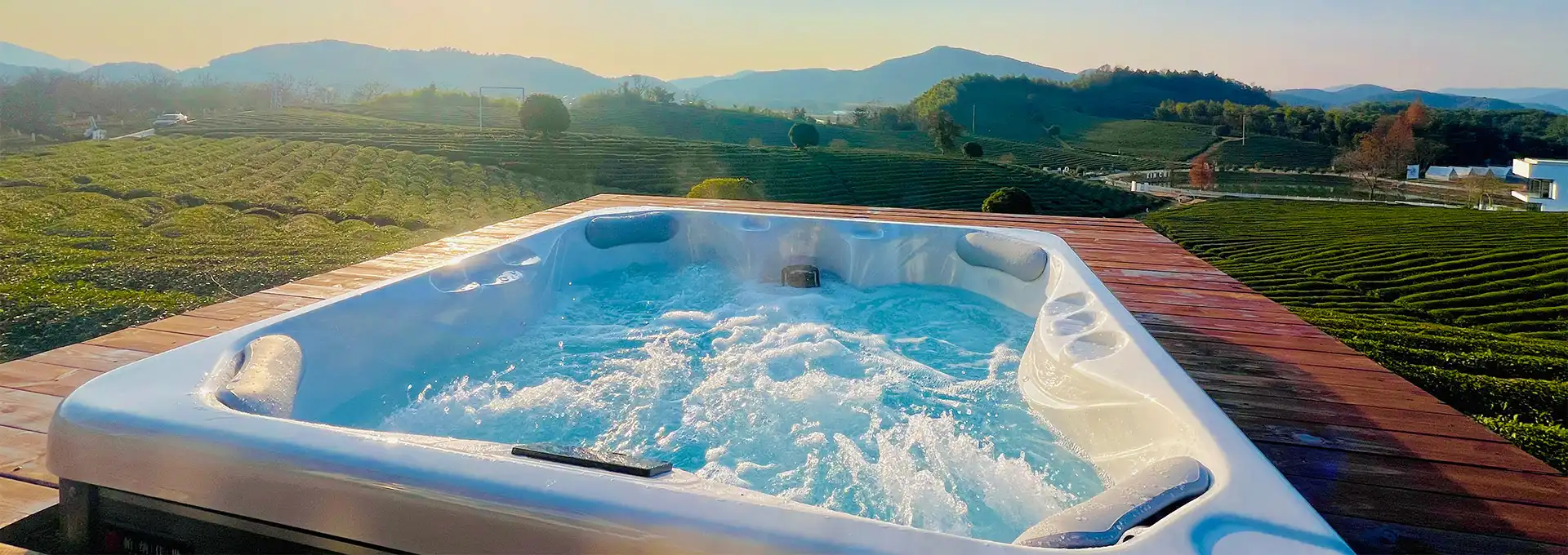
Hotels are now competing on experiences as much as accommodation, and a professionally designed wellness space may offer customers another incentive to book, extend their stay, or return. But are relax & retreat hot tubs designed for hotel health areas? For boutique hotels, private villa resorts, and properties that want to provide a more unique spa experience, the answer might be yes when the product, installation, and operation strategy are appropriately matched. Shenzhen Iparnassus Intelligent Spas Co., LTD's 4D40 Relax & Retreat model has six-person seating, a wide lounge, a variety of massage positions, a swim-current zone and an illuminated waterfall. The mix of both leisure and water movement allows hospitality designers more options than a standard soaking tub.


Why the 4D40 Can Add More Value to a Hotel Wellness Area
A hotel health element should not be only brochure-beautiful. It must provide an unforgettable visitor experience, match the setting of the hotel, and make sensible use of the available space. The 4D40 combines many activities into one installation, and it’s worth considering for resorts and hotels looking to establish a dedicated place for leisure.
A Six-Person Layout Supports Shared Guest Experiences
The 4D40 is for those visitors who wish to relax in various ways but don’t have to utilize different amenities. It seats six with a choice of sitting configurations and a wide lounge seat so couples, friends, or families may enjoy the same wellness area in various positions. This layout may make Relax & Retreat hot tubs especially applicable to shared-use contexts such as resort wellness terraces, private spa suites, and interior relaxation areas for hotels. The design allows visitors to have numerous options during a visit, instead of one typical seating posture. The product spec says it has six seats, 57 jets, four pumps, and a water capacity of 6,800 liters. These numbers assist the hotel planners in the first evaluation of the equipment. The ultimate allowed bather load is to be set by local rules and the property’s operation plan and not only by the seating capacity.
A Lounge Seat Creates a More Immersive Massage Experience
One of the most noticeable elements of the 4D40 is its lounge seating. It is amply proportioned and furnished with equally spaced jets intended to offer massage from the trapezius region down the back of the calves and onto the soles of the feet. This wide layout provides a more continuous feeling than a seat that focuses on one section of the back. For the hotel client who has just arrived after a long trip or who has spent the day touring a place, being able to relax and enjoy a full-body water massage may become a memorable feature of the stay. The layout of the lounge also offers Relax & Retreat hot tubs an obvious edge when hotels are comparing other spa styles. Instead of only cosmetic elements, the 4D40 employs the sitting geometry and positioning of the jets to create the experience.
Different Massage Positions Give Guests More Choice
Not all guests desire the same amount of water massage or position. The 4D40 solves this with three separate seat settings, each with its unique massage design and more space for your pleasure. Guests are free to walk about as they choose, and resting benches on both sides of the swim-current zone provide another spot to unwind. This flexibility makes a hot tub for hotel villas ideal for hospitality settings where the same facility may accommodate various age groups, travel companions, and wellness preferences throughout the day. The 57-jet requirement is a good general reference point for purchasers, but the figure alone doesn't tell the whole story. The form of the seat, the direction of the jet, the spacing, the water pressure, and the location of each user are all things that matter. So, hotel customers should have a demonstration or a full seat-by-seat setup before signing an order.
| 4D40 product specification | Published information |
|---|---|
| Model | 4D40 |
| Seating capacity | 6 people |
| Total jets | 57 |
| Pumps | 4 |
| Overall dimensions | 450 × 225 × 139 cm |
| Water capacity | 6,800 L |
| Main use concept | Seating, lounge seating, and swimming |
These published specifications provide a starting point for project planning. Actual installation requirements should be checked against the technical drawings and the building's structural and service conditions.

Creating a Memorable Wellness Experience Through Design
A good hotel wellness area is more than just a room with spa equipment. Lighting, vistas, circulation, seclusion, and the interplay of water with surrounding materials all affect the guest’s perception of the area. The 4D40 has various design aspects that might help hotels create a more complete atmosphere.
The Illuminated Waterfall Adds a Visual Focal Point
The 4D40 has a brand new LED waterfall that visitors can see before they even get in the water and is a sight to see. The integrated lights and flowing water provide movement and mood, making the spa more visually appealing whether used in the evening or in a softly lighted indoor wellness area. This may assist designers to create a center of attention without having to depend totally on extra ornamental installations. When hot tubs for hotel villas are placed beside a panoramic window, a planted terrace, or a well-chosen wall finish, the waterfall may help to create a unified visual composition. Hotels should think about how the lighting would affect the surrounding environment, such as reflections, visibility at night, and guest rooms. The goal is to provide a serene environment, not an overabundance of light. A well-designed location lets the water feature complement the building, giving visitors an incentive to spend more time enjoying the health area.
Swim-Current and Resting Zones Expand the Experience
The 4D40 has a relaxation section, a swim-current zone, which extends the function of the installation beyond the traditional spa tub. Guests may lounge on the resting benches on each side of the swimming area and then utilize the remaining space for a different form of aquatic activity. Such a mix might appeal to resorts wanting to cater to visitors with diverse interests, from those who want to relax quietly to others who want a more active aquatic experience. In this setting, rest & retreat hot tubs may be part of a broader health offering, not just a standalone facility. Before characterizing the product as a swimming or fitness facility, hotel planners should review the actual swim-current arrangement, operational controls, and circulation needs of the product. The difference is important, since a swim-current feature is not a specialized swimming pool. It is useful to provide a different experience in a small integrated spa setting.
Private Villa Settings Show How Wellness Can Shape a Stay
A good design reference is the Arua Private Spa Villas in Tirolo in South Tyrol above Merano. The property is designed around private villa accommodation, panoramic terraces, individual spa facilities and a manicured estate with vineyards, olive trees, orchards and woods. The idea shows how a private spa may be integrated into the lodging experience, rather than used as an amenity by guests in a communal hotel facility. A hot tub for hotel villas might use a similar design idea if the project has enough room, structural support, privacy, and enough technological services. For buildings with a more social health idea, rest & retreat hot tubs may also be a shared attraction near a lounge or outdoor relaxing deck. Arua is a design reference, not a claim of using the 4D40. The bigger takeaway is that wellness gear is most effective when it seems organically tied to the property's design and visitor experience.

Can the 4D40 Work with Hotel Operations?
Guest appeal is merely one aspect of a commercial buying decision. Additionally, hotel operators require regular maintenance, treatable water, dependable equipment access, and defined staff roles. These operational elements need to be examined prior to installing a spa in a public or semi-public wellness space.
Smart Controls Can Make Daily Management More Convenient
The iParnassus® control system is intended to provide easier operation of the spa with smartphone control and a waterproof touch panel. The feature description includes remote start and monitoring, real-time water level and functioning condition monitoring, remote water intake and outflow, and reminders when water needs to be refilled. It also has automated protection against water scarcity and hot or low temperatures, and remote locking and unlocking. Such functionalities may aid hotel personnel in tracking equipment status and managing specified activities without recurrent access to the control panel. For rest & retreat hot tubs, purchasers will want to know what features are included in the particular 4D40 configuration, if they may allow authorized staff remote access, and how the system works in the event of a network disruption. Smart controls may help everyday processes, but they don't substitute qualified operators, frequent inspections, or water-quality testing.
Centralized Management Is Relevant to Multi-Spa Properties
The product website indicates a feature for commercial settings: a central administration system for hotels. This is especially applicable for resorts with more than one wellness facility, clusters of villas, or various spa sections run by a single facilities crew. Rather than thinking of each item as a separate purchase, a hotel might explore if operational information and control functions can be synchronized across its equipment. Relax & retreat hot tubs may be just part of a bigger project, which may involve water treatment, heat pumps, maintenance schedules, and staff reporting. The procurement team should ask for a detailed description of the central management interface, equipment that is supported by the interface, user rights and connection requirements, and any extra expenditures for hardware or software. They should also verify that the system can provide the documents required for the property’s maintenance processes. This is more valuable for business assessment than a vague assurance of “intelligent” behavior.
Water Quality Procedures Must Be Planned Before Opening
Any hotel spa that contains warm, aerated water needs a specific water-management scheme. The UK Health and Safety Executive advice, HSG282, deals with the design, commissioning, operation, maintenance, water testing and inspection of spa-pool systems, including hot tubs used as part of a company. The CDC also recommends that operators keep disinfectant and pH levels correct, check the water, clean surfaces and filters, and preserve proper operational records. No matter how sophisticated the controls, these duties apply. Before constructing a hot tub for hotel villas, the hotel should consult certified pool specialists and local authorities to ensure that the appropriate filtration and disinfection systems, water replacement methods, inspection frequency, and staff training are in place. The operation plan of the hotel should include the maintenance instructions of the manufacturer. A defined approach maintains visitor trust and ensures a constant state of readiness for use at the facility.
| Hotel operating consideration | What the project team should confirm |
|---|---|
| Water treatment | Compatible disinfection and filtration arrangement |
| Daily checks | Water quality, operating status, and visible cleanliness |
| Staff responsibilities | Named operators and maintenance contacts |
| Guest capacity | Permitted bather load under local requirements |
| Service access | Space to inspect pumps, filters, and technical components |
| Records | Water tests, cleaning, inspections, and maintenance logs |

What Should Buyers Check Before Selecting a Model?
A product may seem right in the showroom but yet need tweaking to suit a real hotel project. The best buying process starts with the site, then proceeds to technical examination, service planning, and supplier evaluation.
Confirm Dimensions, Access, and Structural Capacity
The 4D40 is 450 × 225 × 139 cm and stores around 6,800 liters of water according to the official product specs. That amount of water, plus the weight of the filled unit, users, and supporting structure, is a considerable load that must be examined by a skilled structural engineer. Buyers should also look at access for delivery: door widths, corridors, elevator dimensions, loading spaces, crane access, and the path from unloading to the ultimate installation site. These factors are particularly critical for rooftop wellness decks, upper-floor suites, and landscaped villa developments. Before buying rest & retreat hot tubs, the hotel should receive the manufacturer’s installation drawings, full operational weight, service clearances, electrical requirements, and foundation suggestions. A site assessment may identify issues early and decrease the chance of costly revisions after delivery. Besides, it is necessary to provide enough space for the safe circulation of the guests and the access of the personnel around the spa.
Match the Equipment to the Property's Guest Profile
A six-person spa with lounge chairs and a swim-current zone might be a draw for resorts, destination hotels, and businesses that promote longer stays. However, a compact city hotel with limited floor area may have alternative requirements, such as a reduced footprint or private in-room installation. The proper option relies on the profile of the intended visitor, the existing quantity of wellness facilities, and whether the spa will be private, bookable, or accessible to shared usage. For Relax & Retreat hot tubs, purchasers should think about the way visitors are likely to utilize the various chairs, if the swim-current area adds value to the hotel’s placement, and how the lit waterfall fits into the overall design. It is also important to forecast peak demand and whether prior bookings or time slots will be required. A product should complement the property’s service concept, not force a hotel to build its entire guest experience around one piece of equipment.
Evaluate Supplier Support and Commercial Documentation
There is more to hotel procurement than just looking at the headline specs of a product. Buyers should ask for a comprehensive technical package including electrical connections, pumps, water management, installation, maintenance, warranty conditions, replacement parts, and after-sales assistance. The provider should also explain what smart features are standard and which need extra equipment for rest & retreat hot tubs, and whether the hotel's central management system is available for the desired project. Shenzhen Iparnassus Intelligent Spas Co., LTD is involved in the design, research and development, manufacturing, sales, and after-sales service. Also, the business says it has 18 years of spa expertise and 80 patents by 2026. These corporate credentials might play a factor in supplier assessment, but buyers should acquire necessary documents and verify the degree of support for their target market. Clear answers before purchase allow hotel teams to prepare for installation, training, commissioning, and long-term maintenance.
Conclusion
Relax & Retreat Hot Tubs may be a good fit for hotel wellness spaces if their offerings align with the property’s guest experience and operational capabilities. The iParnassus® 4D40 has six seats, 57 jets, a generously sized lounge seat, many massage options, a swim-current zone, and a lighted waterfall. Its smart control and hotel management tools also provide valuable services for project teams to explore. But commercial viability is more than just how attractive the product is. You have to think about site access, structural loads, water treatment, local restrictions, and maintenance plans. If you are a resort, boutique hotel, or private villa development looking to create a more immersive wellness experience, then the 4D40 is a model worth talking to the supplier about as part of a full project evaluation.

FAQ
1. How many guests can use the iParnassus® 4D40?
The published specification lists six seats. The hotel's permitted bather load must still follow local regulations and operating requirements.
2. How many massage jets does the 4D40 have?
The product page lists 57 jets and four pumps, with different massage configurations across its seating positions.
3. Is the 4D40 suitable for indoor and outdoor hotel installations?
The product range is presented for indoor and outdoor use. Each project needs a site-specific review of access, structure, utilities, and environmental conditions.
4. Does the 4D40 support hotel central management?
The product page lists a hotel central management system for commercial settings. Buyers should confirm compatibility, functions, and configuration for their project.
5. What should hotels prepare before purchasing?
Hotels should confirm installation dimensions, structural loading, electrical and water services, treatment systems, maintenance access, local compliance, and after-sales support.
Create a More Memorable Hotel Wellness Experience with iParnassus®
A distinctive wellness area can help a hotel turn an ordinary stay into an experience guests remember. With its spacious lounge, varied massage seats, swim-current zone, illuminated waterfall, and intelligent control options, the iParnassus® 4D40 offers hospitality developers several ways to shape a more engaging relaxation environment. Shenzhen Iparnassus Intelligent Spas Co., LTD focuses on relax & retreat hot tubs, swim spas, and cold plunge products, supported by professional teams covering design, R&D, production, sales, and after-sales service. Whether you are planning a resort wellness centre, a boutique hotel terrace, or private villa facilities, the right configuration begins with a clear project discussion. Contact the iParnassus® team at info@iparnassus.com to request product details, technical information, and a proposal for your hotel project.

References
1. Health and Safety Executive. The Control of Legionella and Other Infectious Agents in Spa-Pool Systems (HSG282). 2017.
2. Centers for Disease Control and Prevention. Operating and Managing Public Pools, Hot Tubs and Splash Pads. 2025.
3. Centers for Disease Control and Prevention. Vacation Rental Owners and Managers: Control Legionella. 2025.
4. NEN. NEN-EN 17125:2018 — Domestic Spas/Whirlpool Spas/Hot Tubs: Safety Requirements and Test Methods. 2018.
5. Global Wellness Institute. Global Wellness Institute Hydrothermal Initiative: 2018 Research Report. 2018.
6. Arua Private Spa Villas. Official Property and Private Spa Information.

Send Inquiry