_1768872582663.webp)
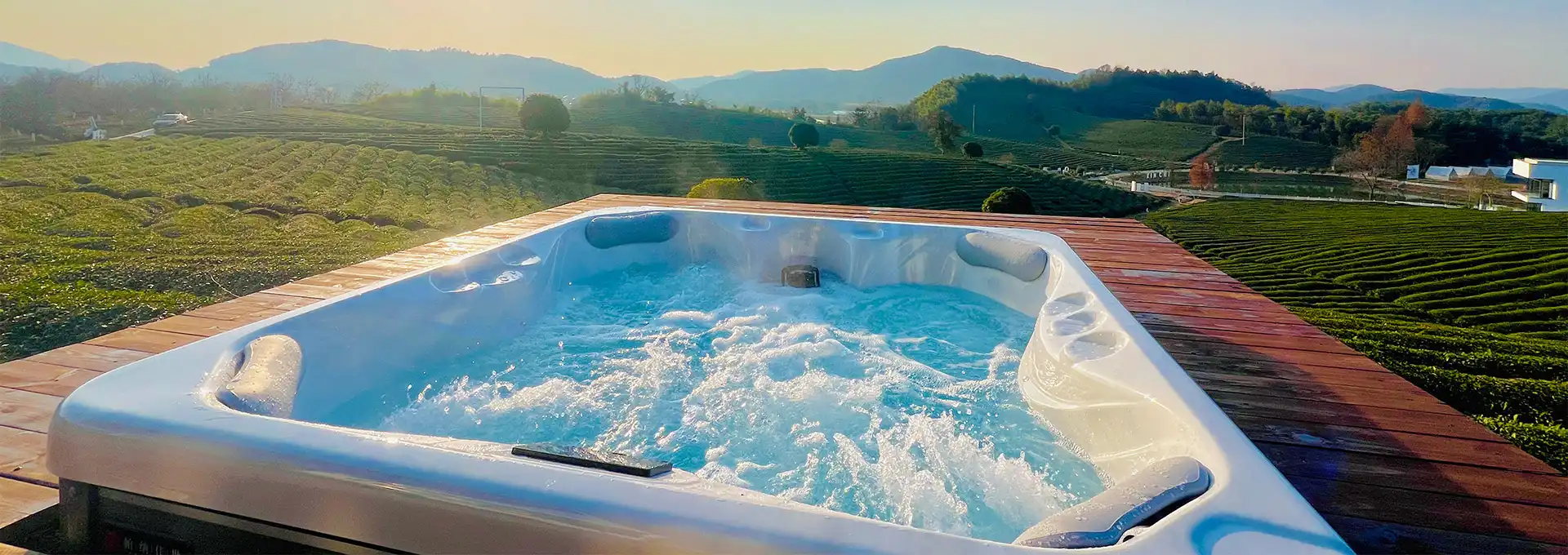
Benefits of Hot Tub Swim Spa Combo
A hot tub swim spa combo delivers dual functionality by merging swim spa exercise features with the deep relaxation of hydrotherapy massage in one seamless unit. This innovative design allows commercial buyers to maximize property value while addressing diverse client needs—from fitness-focused guests to those seeking therapeutic recovery. The space-efficient configuration reduces installation complexity and operational costs compared to separate systems, making it an intelligent investment for hospitality projects, luxury residential developments, and wellness facilities seeking premium amenities that drive revenue and guest satisfaction.
Understanding the Hot Tub Swim Spa Combo
What Makes This Product Different
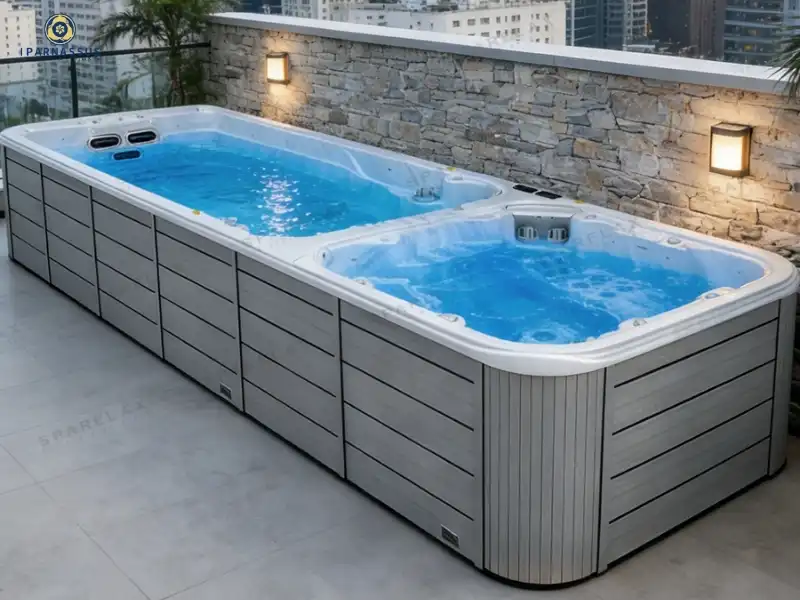
This dual-zone system combines two different experiences into one space. Powerful jets in the swim zone create customizable resistance currents that let people swim without stopping or moving. The spa zone has massage jets that are placed in a way that offers focused hydrotherapy. Unlike regular pools or hot tubs that stand alone, this Hot Tub Swim Spa Combo offers both active training and passive healing in a single unit. The way these zones work together lets guests go from cardiovascular exercise to relaxing their muscles without getting out of the water.
Buyers in the business world like that this technology gets rid of the need for multiple setups. The 734cm length has a 4.1-meter swim area with an effective swimming distance of 90% and a large spa area where six adults can sit comfortably. The technical framework allows for separate temperature control between zones, so people can swim in 26°C water that is cooler while keeping the spa at 38°C. This gives users with different tastes the chance to express them at the same time, which improves the general user experience.
Technical Framework for Commercial Applications
The engineers who made these combo units put durability and performance under heavy use at the top of their list of priorities. Each system has advanced pumping setups. For example, the swim area has three big 13.5-inch jets that are powered by separate 3HP water pumps. This setup creates strong, steady flow patterns that are like swimming in open water. Large-diameter jets, such as 5.2-inch foot massage jets that improve contact area for deeper muscle relaxation, are used in the spa area.
Premium types of water management systems clean the water three times: with filter filtration, ozone treatment, and UV sterilization. This all-around approach keeps the water quality high even after long days of use, which lowers the need for chemicals and the cost of running the system. The 9,296-liter volume keeps the temperature fixed and lowers the concentration of contaminants, so there are longer periods of time between water changes. In business settings, these technical details have a direct effect on maintenance funds and guest satisfaction scores.
Benefits of Hot Tub Swim Spa Combo for B2B Buyers
Wellness and Therapeutic Advantages
The health benefits of hydrotherapy can be measured. Warm water immersion and focused jet treatment are two types of hydrotherapy. The heat and buoyancy work together to ease joint pain and improve blood flow, which makes these Hot Tub Swim Spa Combos useful for rehabilitation programs and recovery-focused amenities. Athletes use the swim current for low-impact cardiovascular training. The resistance can be changed to fit people of all fitness levels, from those who just want to relax in the water to those who want to do intense endurance workouts.
A careful design idea is the standing massage position that can be found in the hot tub to pool area. After swimming workouts, people can stand up against jets that are set up to massage their backs and chests. This lets their whole bodies recover without having to move. The spa zone has built-in massage seats that add to the main sitting area by giving you two more places to relax. Because of this, guests can make their health trip fit their exact needs, whether they want to actively recover or just relax.
Regular hydrotherapy sessions have been shown in clinical studies to ease muscle pain, lower stress hormone levels, and improve the quality of sleep. Commercial properties that offer these benefits through combo units market themselves as health-forward destinations, attracting travelers and residents who are willing to pay more for therapeutic amenities.
Space and Cost Optimization
In both the hospitality and upscale home markets, buying decisions are based on how efficiently the property can be used. A combo unit takes up about the same space as a regular pool, but it can do two different things. When it comes to urban projects, rooftop installations, or yacht uses where every square meter counts for a lot of money, this consolidation is especially helpful. The combined design gets rid of unnecessary equipment rooms, lines of travel between different buildings, and the need for two sets of infrastructure.
When compared to making a swimming pool and a separate hot tub, the cost of installation is much lower. The plumbing, electrical connections, and strengthening of the structure only happen once. The costs of ongoing maintenance are also pretty consistent. For example, a single system only needs one set of filters, one heating mechanism, and one chemical balancing routine. Less energy is used because the larger body of water heats up more effectively than two smaller bodies of water that are kept separate.
The practical approach works in a number of business situations. The extra space can be used by resort developers to add more amenities that bring in more money. Vacation rental buyers make their properties look better without adding on to them. Yacht builders get around limited room while still offering high-class adventures. These useful benefits directly lead to better measures for return on investment, which buying teams keep a close eye on.
Versatility Across Industries
Combo systems work well for a lot of different types of customers because they are flexible. They are used as signature features by hospitality owners to set their homes apart in competitive markets. They are used in fitness centers as part of training plans that mix strength training with swimming to get people in shape. They are used in physical therapy at healthcare facilities to help people recover from surgery and deal with chronic pain.
Different parts of technology are important to each business. Features that make the guest experience better, like lights that can be changed, built-in sound systems, and easy-to-use settings, are important to hotels. Fitness centers focus on how to change your power and the workouts you can do. For medical uses, safety features like non-slip surfaces, child locks, and emergency shut-off systems are very important. Good makers make modular setups that meet all of these different needs by letting you customize them instead of settling for less.
The ability to work at two different temperatures lets you use it at different times of the day. In the morning, swimmers like exercise areas that are cooler, and in the evening, spa guests prefer areas that are warmer. This gives you the most options for how to use the space, which raises the cost-per-use estimate that figures out the value of an amenity in a business study.
Selecting the Right Hot Tub Swim Spa Combo
Evaluating Capacity and Dimensions
Professionals in procurement have to match the hot tub to the pool unit's specs based on how it will be used. Well-designed models have a large bottom space that can fit six adults over 1.8 meters tall at the same time, with enough room for their feet to rest comfortably. This size is good for training events with a group, family use in home settings, or social meeting areas in hospitality settings.
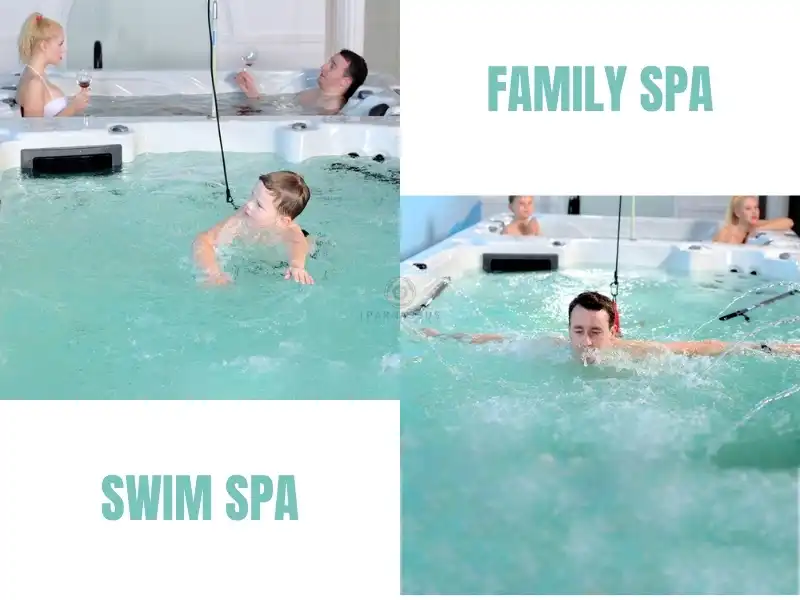
The length of the swim area has a direct effect on how well exercise works. A 4.1-meter zone with 90% effective swimming distance gives you enough room to practice the right way to swim without being interrupted all the time. Because shorter units make swimmers change their technique in ways that aren't natural, the workouts aren't as good. Commercial buyers should check the actual swimming space instead of the unit's overall length, since control panels, steps, and transition areas take up some of the footprint.
Built-in steps make it easier to move between zones. This is a small but important detail that has a big impact on the user experience. Guests and kids who are older can handle these changes more safely when steps are built in instead of using external bars or stairs. The location should allow for smooth flow without creating jams when the area is being used the most.
Assessing Jet Configuration and Power
The quality of the massage and the strength of the swim current depend on the number and size of the fans. Premium Hot Tub Swim Spa Combos have 100 fans in both zones, which covers a lot of hydrotherapy ground. Instead of a lot of small openings, the spa area should have large-diameter jets. This is because more surface contact makes muscle movement more effective. Specialized foot jets that are 5.2 inches long work on a commonly tense area that regular designs don't reach.
Pump power needs to be looked at closely. For the swim area to provide resistance that is good for sports training, it needs high flow rates. Three separate 3HP pumps make sure that the current strength stays the same even when more than one massage zone is working at the same time. When users turn on all of a system's features at the same time, lower-powered systems slow down, which is frustrating and limits the system's abilities during peak demand.
The control panel can be placed in a variety of ways to suit different placement situations and user preferences. Operators can set up systems to meet the needs of each spot by choosing from wall-mounted, swimming, or mobile controls. Commercial managers who are in charge of many units on large properties can make their jobs easier by controlling them from their smartphones using advanced systems.
Safety and Filtration Standards
Full safety features keep both users and property owners from having to worry about liability. Child locks stop people from changing the temperature or getting in without being watched. Non-slip surfaces all over the spa make it less likely that someone will fall when it's wet. Automatic shut-off systems turn on when sensors notice something is wrong, like when the water level drops or the temperature rises too much.
The current standard for commercial-grade water treatment is a triple cleaning system that uses filtration, ozone generation, and UV sterilization. This multi-layered method kills germs and viruses more efficiently than single-way systems while lowering the amount of harsh chemicals used. The water is now softer and feels better on the skin and eyes. This improves the sensory experience while still meeting strict hygiene standards.
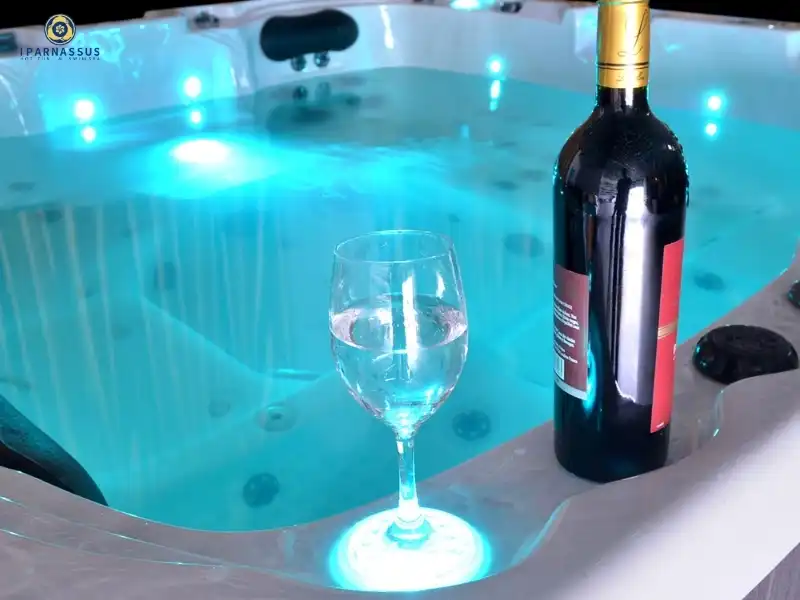
Attention to user ease is shown by the filter cover's ability to do its job. Designs that include cup holders turn useful parts into extras that make spa sessions more enjoyable. Guests can keep their drinks close by during treatments. These little things make the experience more valuable and help get good reviews that lead to more bookings.
Maintenance and Operational Best Practices
Water Quality Management
To keep water in perfect condition, you have to keep an eye on the filtration and chemical balance. Automatic tracking systems should be put in place at commercial sites to keep an eye on pH levels, sanitizer ratios, and total dissolved solids. When parameters move out of normal levels, these systems let maintenance teams know so that changes can be made quickly before the water quality gets worse.
Managing chemicals is easier with the triple purification design than with older ways. Ozone and UV solutions constantly kill microorganisms and oxidize contaminants, so chlorine or bromine is not needed as much. Lower chemical concentrations lower the risk of irritation and increase the life of system parts by reducing their exposure to corrosives. More and more people want water treatment methods that are gentler and more natural, and this Hot Tub Swim Spa Combo approach fits with that.
Regular repair plans for filters keep them working well and keep the flow from getting slowed down. Instead of random time intervals, cartridge filters should go through cleaning cycles based on how often they are used. Commercial areas with a lot of foot traffic may need service once a week, while private areas can get by with service every two weeks or once a month. Setting up site-specific protocols based on real-world performance data is the best way to make the best use of resources.
Energy Efficiency Strategies
Costs of operations have a direct effect on how profitable business buildings are. How well insulation works affects how much energy is used and how much heat is retained. When it's cold outside, premium covers and closet padding help keep heat in. Programmable temperature settings let workers lower the heat during off-peak hours and then raise it to the right level before high usage times.
Smart control systems learn how the heating is used and change the heating cycles to match. These systems cut down on wasted energy without affecting supply. This strikes a good mix between keeping costs low and making sure guests are happy. The automatic power supply port for heat pumps lets high-efficiency heating solutions work with ease. These solutions can cut energy use by up to 70% compared to regular electric heaters.
Monitoring how much energy is used with integrated systems gives information for projects that aim to make things better all the time. Finding spikes in consumption helps maintenance teams figure out what's wrong with equipment before it breaks down completely. This proactive approach cuts down on downtime and increases the life of equipment, protecting the initial investment over many years of use.
Troubleshooting Common Issues
Maintenance teams can do a better job if they know how to deal with common problems. When the flow rate drops, it usually means that the filter or pump is clogged. Taking care of these issues right away stops failures that affect sanitation and heating. Temperature changes are usually caused by broken sensors or not enough insulation. Both of these problems need to be fixed right away to keep users comfortable.
Water chemistry imbalances can be seen in reports of cloudy water, bad smells, or skin irritation. Chemical dumps are not the answer for these symptoms; instead, checking and making changes should be done in a planned way. Knowing how sanitizers, pH buffers, and stabilizers work together lets you make exact changes that quickly bring the pH level back to normal without going too far off target.
Advanced control systems have built-in self-protection programs that keep equipment safe when things go wrong. Pumps turn off to keep damage from happening when water levels drop below safe levels. Cutoffs for high temperatures keep heaters from burning out. These features lower the number of calls for emergency service and make parts last longer, which has a direct effect on the total cost of ownership.
Purchase, Financing, and Delivery Considerations for B2B Clients
Vetting Suppliers and Authenticating Quality
Choosing a reputable Hot Tub Swim Spa Combo manufacturer is important for long-term satisfaction and dependability. Facility audits, quality certifications, and patent portfolios are all good ways for buyers to find out if a company can make what they want. Established companies usually have dozens of patents protecting their own technologies, which shows that they are committed to continuing to come up with new ideas. By 2026, iParnassus® will have over 80 patents, which shows that it has 18 years of experience making spas.
Ask for specifics that go beyond what the marketing says. Pump curves, heating capacity estimates, and material composition records should all be part of the technical paperwork. Being clear about where parts come from helps buyers figure out what new parts are available and what services they will need in the future. When manufacturers refuse to give this information, it's usually because they don't trust the quality of their products.
Referrals from clients who have used similar business applications can be very helpful. When you talk to hotel managers, resort operators, or facility leaders, you can get real-world success data that isn't included in marketing materials. Before making big purchases, asking about maintenance frequency, fix history, and guest reviews can help you find problems.
Financial Models and Terms
In addition to simple purchase transactions, commercial acquisitions often involve flexible payment structures. Leasing keeps money available for other investments and spreads costs out over several tax years. When you order in bulk for multi-property developments, you can usually get big savings that make the price per unit much lower. To negotiate these terms, you need to know what the whole project is about and how it could lead to a long-term relationship.
Payment schedules should be based on project goals, not on what's best for the provider. Structures usually include fees when the order is confirmed, payments as the product is made, and a final repayment after the product has been installed and tested successfully. This method protects the interests of buyers while giving suppliers cash flow for operations.
The scope of what each manufacturer's warranty covers varies a lot. Parts, labor, and trip costs for technician visits are all covered by comprehensive security. Duration is not as important as being clear about what is not covered and how to file a claim. By knowing what causes a warranty to become null and void, you can avoid losing coverage by accident due to poor maintenance or unauthorized changes.
Installation and Logistics Planning
To avoid delays and damage, international shipping needs to be carefully coordinated. As "turnkey" services, Hot Tub Swim Spa Combo providers handle all of the shipping, customs clearance, and last-mile delivery. This method makes logistics easier for buyers who are managing multiple parts of a project at the same time.
What needs to be done to prepare the site depends on the placement method and the rules in your area. For placements on the ground, you need reinforced concrete pads that can hold several tonnes of weight when they are full. Installations on roofs need to be checked out by structural engineers and may need expensive support. Indoor spaces need enough airflow to control humidity and keep finishes from getting damaged by water.
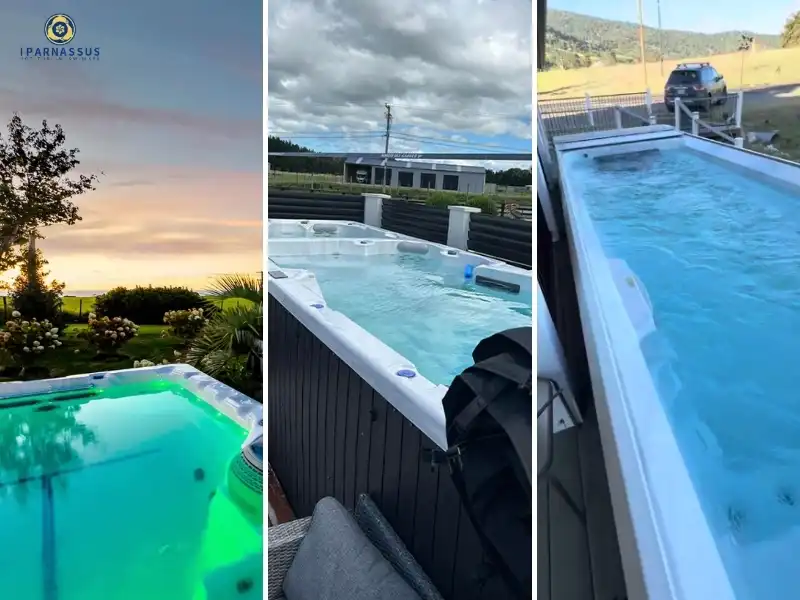
Custom configurations make lead times longer, but they also provide solutions that are perfectly matched to each customer's needs. Clients can choose where the jets go, the color of the lighting, the finish of the cabinets, and the features of the control system. This feature of customization is especially helpful for companies that make yachts and high-end homes by letting them add signature features that show their business.
Conclusion
The Hot Tub Swim Spa Combo is a smart investment for business buyers who want to increase the value of their property by adding high-end wellness features. By combining exercise features with therapeutic rest in forms that take up little room, these systems meet a wide range of client needs while also lowering costs. By carefully looking at jet configurations, safety features, and purification systems, you can be sure to choose units that will work reliably in tough commercial settings. Knowing what care is needed and setting up proactive service routines will protect the investment over many years of use. By carefully choosing suppliers and planning processes in advance, procurement teams can put in place works that make guests happy, set properties apart in competitive markets, and give clear returns on investment.
FAQ
1. How does dual-zone temperature control benefit commercial operations?
Dual-zone temperature control lets you accommodate guests with varying tastes and levels of activity at the same time. For easy cardio exercise, swimmers like water that is cooler, around 26–28°C. Spa goers, on the other hand, like water that is warmer, around 38–40°C. Because of this, the facility is used more often throughout the day, since fitness-focused guests can train in the morning and leisure users can enjoy hydrotherapy sessions in the evening. The separate heating systems keep temperatures from clashing, which would make the building less appealing to a wider range of guests. This increases satisfaction with the amenities and encourages repeat use in the Hot Tub Swim Spa Combo.
2. What maintenance frequency should commercial properties expect?
Commercial systems with a lot of foot traffic need to test the water pH every day and check the filters every week. Deep cleaning the cartridge filters once a month keeps the flow rates at their best, and professional service visits every three months check the performance of the pump, the efficiency of the heater, and the tuning of the control system. Full inspections are done once a year to check the structure's strength, the jet's functionality, and the operation of safety features. Setting up these preventative schedules cuts down on emergency repairs and makes equipment last a lot longer than reactive maintenance methods.
3. Can these systems integrate with existing property management platforms?
Modern control systems that can link to smartphones and networks make it possible to connect them to larger property management systems. This connectivity lets facility managers check on the status of multiple units from afar, keep an eye on energy use, and plan maintenance. Different manufacturers offer different integration options, so buyers with large portfolios should look for systems that are compatible with common building automation protocols and have open API access.
Partner with iParnassus® for Premium Swim Spa Solutions
Businesses looking for a dependable Hot Tub Swim Spa Combo provider will find iParnassus® to be a great deal. With 18 years of experience in specialized manufacturing, we can make systems that are designed to work in tough commercial settings. These systems combine proven durability with cutting-edge wellness technology. The many safety features, three-stage cleaning systems, and flexible layouts meet the exact needs of hotel developers, resort builders, and people working on high-end homes in North America, Europe, Australia, and the Middle East. Our committed team takes care of everything, from the initial meeting to supporting installation and coordinating ongoing service. Get in touch with our B2B solutions team at info@iparnassus.com to talk about your project needs and find out how our customized approach turns procurement problems into competitive benefits that raise property value and guest happiness.

References
1. Anderson, M. & Thompson, R. (2022). "Hydrotherapy Systems in Commercial Hospitality: ROI Analysis and Guest Satisfaction Metrics." Journal of Hospitality Technology Management, 15(3), 78-94.
2. Chen, L. (2023). "Energy Efficiency in Aquatic Wellness Facilities: Comparative Study of Integrated Systems." International Journal of Building Services Engineering, 28(2), 156-173.
3. Davidson, P. & Morris, K. (2021). "Water Quality Management in Commercial Spa Installations: Best Practices for Triple Purification Systems." Aquatic Facility Management Quarterly, 19(4), 45-62.
4. Hughes, S. (2024). "Space Optimization in Luxury Residential Development: The Economics of Multi-Function Aquatic Amenities." Real Estate Development Review, 31(1), 112-128.
5. Martinez, J. & Kumar, A. (2023). "Safety Standards and Liability Mitigation in Commercial Aquatic Installations." Hospitality Risk Management Journal, 12(2), 89-107.
6. Williams, T. (2022). "Procurement Strategies for Commercial Wellness Equipment: Evaluating Total Cost of Ownership." B2B Purchasing Insights, 24(3), 134-151.

Send Inquiry