_1768872582663.webp)
Compact Hot Tub Buying Guide: Features, Sizes, and Costs
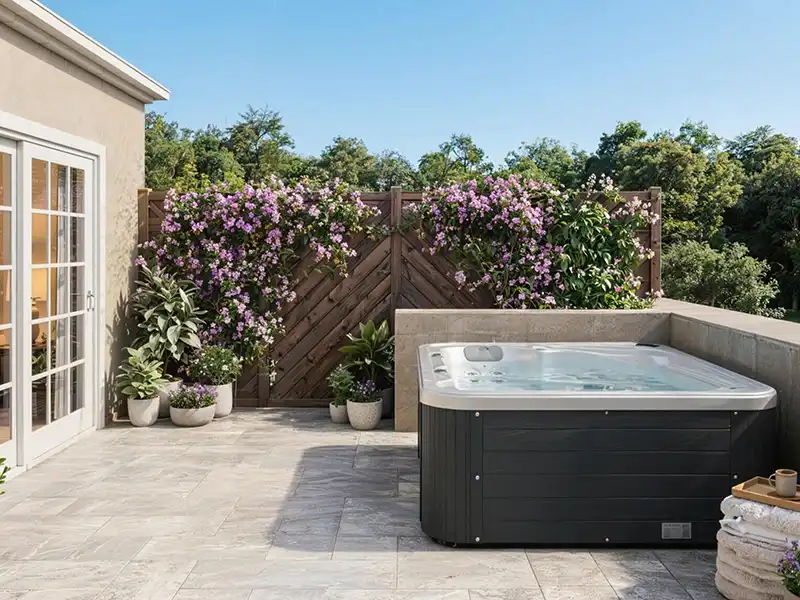
If you're short on space but still want a genuine soaking experience, a compact hot tub might be exactly what you need. These smaller spa units fit on balconies, rooftops, and tight patios while still delivering hydrotherapy jets, smart controls, and energy-efficient heating. This guide walks you through everything — features, sizing options, running costs, and how to pick the right model — so you can make a confident purchase decision without second-guessing yourself.
Understanding Compact Hot Tubs: Features and Benefits
Before spending any money, it is important to have a clear understanding of the difference between a basic inflatable pool and a nice tiny hot tub. There is more than simply a difference in size between them.
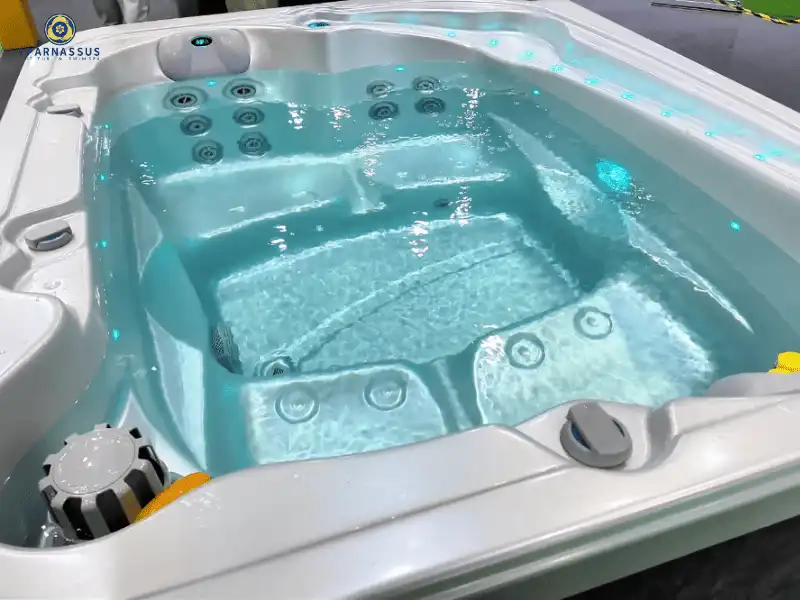
Jet Configuration and Hydrotherapy
Legs, the lower back, and the neck are the three regions that are most negatively impacted by sitting for extended periods of time. Each of these locations is targeted by jets that are positioned in a certain manner in a well-designed mini spa. Hydrotherapy is associated with a significant reduction in muscular tension and an increase in circulation, according to a study that was published in the International Journal of Environmental Research and Public Health in the year 2021. In a tub that can accommodate two or three people and has twenty to thirty jets, it is possible to generate this effect if the jets are positioned appropriately.
Insulation and Energy Efficiency
A clear correlation exists between the quality of the foam insulation and the length of time that the water remains hot, as well as the amount of electricity that is used on a monthly basis. Insulating using full-foam insulation, as opposed to partial or perimeter-only insulation, reduces the amount of heat that escapes throughout the night. It is of utmost significance in the northern regions of the United States, where the temperature drops rapidly.
Water Care and Filtration Systems
The debris that is floating on the surface is removed by skimmer filtration systems before it sinks. The use of chemicals is reduced as a result, and the water remains clean for a longer period of time. For instance, the iParnassus® 2R01 model is equipped with a high-quality skimmer filtration system that assists in maintaining the water's cleanliness between chemical treatments. The owners of tubs who do not want to spend the weekend cleaning and maintaining their tub will find this to be beneficial.
These three features—jets, insulation, and filters—should be included in every hot tub that is worth its salt regardless of whether it is designed for two or three people. Getting all three of these things correct will allow you to save money on operating expenses and have a more enjoyable time relaxing right from the beginning.

How to Choose the Right Compact Hot Tub: Size, Features, and Costs
There are four useful questions that will help you choose the right model: How many people will use it? Where is it going to sit? How much does it cost to run? What traits do you really care about?
Sizing: Footprint vs. Seating Capacity
A lot of small hot tubs are between 183 cm x 183 cm and less than 200 cm x 160 cm. The iParnassus® 2R01 has one of the smallest sizes (193 × 153 cm), making it a compact hot tub with two full-length lounge chairs that can fit three people. It's really rare to find a frame that is less than 200 cm and has two loungers. It can fit on a normal apartment balcony, through a normal elevator, and into most rooms inside.
Water Capacity and Running Costs
The 2R01 can hold 500 liters of water. That's about one-third the amount of water that a normal 6-person tub holds (1,500+ liters). Because there is less water, it heats up faster and costs less to run. The U.S. Department of Energy says that heating the water in a hot tub uses the most energy. This means that a 500L model can save you 40–60% on operating costs compared to a larger unit.
Budget Range and Feature Trade-offs
Solid jet counts, LED illumination, digital controls, and weather-resistant enclosures are features often found on models that fall within the price range of $2,500 to $6,000. In light of this pricing, the following are the primary characteristics that you want to evaluate:
- Targeted hydrotherapy should take precedence over sheer numbers when it comes to jet count and positioning. Twenty jets that were strategically deployed were superior to forty jets that were not strategically placed.
- Materials for the shell: Acrylic shells are much more resistant to UV fading and breaking than rotomolded plastic shells, particularly when used for outdoor installation.
- System of control: Controls that are compatible with smartphones, such as those found in iParnassus® products, enable remote temperature adjustment and real-time monitoring of water level, which is a significant benefit for owners who are always on the go.
- Cover quality: A thermal cover with a high R-value (R-10 or above) significantly minimises the amount of heat that is lost during the course of the night.
There is a clear correlation between these prerequisites and happiness over the long run. Over the course of three years, the cost of a less expensive unit that has poor insulation or a filtering system that is not very effective will typically be more than the cost of a somewhat higher unit that is purchased up front.
Installation, Maintenance, and Safety: Ensuring Long-Term Value
If you put it correctly, you won't have to worry about it for years. When you rush, you make mistakes that cost a lot to fix later.
Site Preparation and Structural Requirements
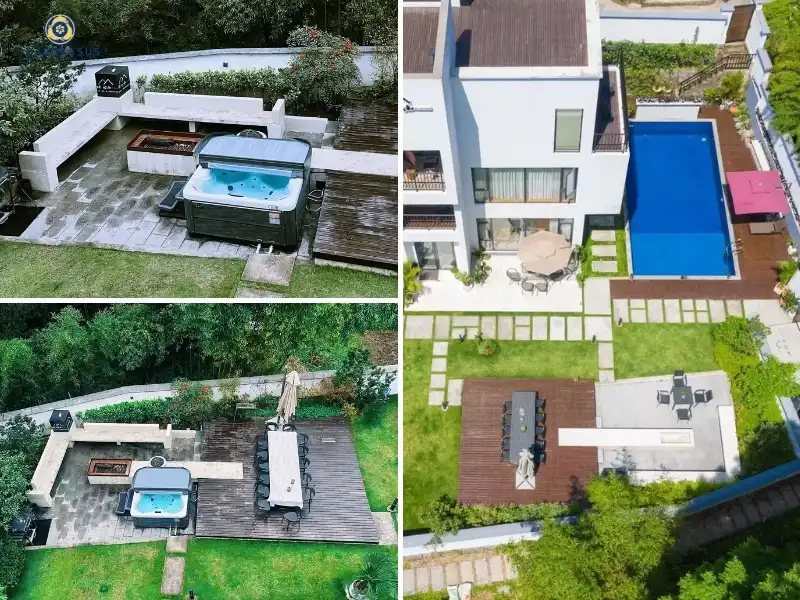
When people are in it, a 500L hot tub weighs about 700–750 kg. Most apartment decks in the U.S. are built to hold 150–200 pounds per square foot, which is usually enough for a small tub, but you should always check with a structural expert before putting it in place. You must have a flat, solid surface.
Indoor vs. Outdoor Installation
The 2R01's shell is weatherproof, so it can be used on both covered patios and in the open air. Its small size also lets you put it inside—it fits in normal home elevators, which makes installation on upper floors possible. For indoor placement, it's important to have enough airflow to control humidity, so an exhaust fan or dehumidifier is suggested for a compact 4 person hot tub.
Safety Standards and Water Maintenance
In the United States, hot tubs offered to consumers must meet ANSI/APSP standards. Commercial units used in hospitality settings must also meet city health department standards. Keeping the water's chemistry right (pH between 7.2 and 7.8 and 1 to 3 parts per million of free chlorine) keeps both people and equipment safe. Every three to four months, the tank is drained and filled up for the season. This keeps the water fresh and the chemical demand low.
Comparing Compact Hot Tubs: Brands, Models, and Market Options
There are both inflatable and hard-shell plastic small hot tubs on the market, and the prices run from very cheap to very expensive.
Inflatable vs. Hard-Shell
Inflatable pools are manufactured by companies such as Intex and Bestway, and their prices begin at less than $600. The typical lifespan of these pools is between two and four years, and they lose heat very rapidly. Additionally, they do not have any actual hydrotherapy jets. Hard-shell units, such as those manufactured by Hot Spring, Lifesmart, and iParnassus®, have a higher initial cost; nevertheless, they have genuine jet treatment, shells that are designed to survive for a long time, and may be used for ten to fifteen years if they are well maintained.
The iParnassus® 2R01 in Context
The fact that the 2R01 has two complete lounge seats located inside a frame that the majority of manufacturers only utilise for chairs is one of the things that sets it apart from other hard-shell products that cost less than $6,000. The arrangement of the face-to-face sofa makes it simple to converse as you soak, which is something that customers often mention as being particularly significant to couples and families with a modest number of children. For business-to-business (B2B) customers and wholesalers, the fact that it is feasible to ship up to 22 units per container results in significantly reduced freight costs per unit.
What the Market Shows
As stated in the 2023 industry report published by the Pool & Hot Tub Alliance, the number of residential hot tubs sold in North America increased by 12% compared to the previous year. The sector that had the most rapid growth was the tiny, two- to three-person units. Buyers in urban areas, particularly those who purchased condominiums and flats, were the primary force behind this expansion.
Conclusion
No need to settle for a small hot tub that doesn't take up much room, heats up quickly, and doesn't cost much to run. It's the smart thing to do. The iParnassus® 2R01 has a 193 × 153 cm footprint, can hold 500L of water, has two loungers, and a weatherproof shell that can be used inside or outside. This compact hot tub gives you real value without taking up a lot of space or costing a lot of money, whether you're an apartment owner, a bed and breakfast owner adding a guest amenity, or a dealer looking for products for urban markets.
FAQ
1. What is the smallest hard-shell hot tub available?
With two lounge seats, the iParnassus® 2R01 can fit three people even though it only has a 193 × 153 cm size, which is one of the smallest in the hard-shell category.
2. How long does a 500L hot tub take to heat?
With a normal 240V heater, it takes three to five hours for a 500L tub to heat up from cold tap water to 100°F (38°C). When compared to bigger models, smaller hot tubs heat up faster because they hold less water.
3. Can a compact hot tub be installed indoors?
Yes. The 2R01 can be put inside as long as there is enough airflow. It can fit through normal home elevators. Always check with a construction expert to make sure the floor can handle the weight before installing it inside.
4. What is the typical running cost of a small hot tub?
In the U.S., an insulated 500L tank usually costs $15 to $30 a month for power, though this depends on the weather and local rates. This is a lot less than a 1,500L model that can fit six people.
Ready to Find the Right Compact Hot Tub? Talk to iParnassus®
As of 2026, iParnassus® has 80 patents and has been making spas for 18 years. iParnassus® is a reliable compact hot tub supplier that serves urban markets in North America, Europe, and around the world. They offer direct factory prices, OEM flexibility, and committed support after the sale. You can ask about the 2R01 because it is in stock. Get in touch with the team right away at info@iparnassus.com to ask for details, bulk pricing, or a meeting.

References
1. Pool & Hot Tub Alliance. 2023 Industry Snapshot: Residential Spa & Hot Tub Market Trends. Pool & Hot Tub Alliance, 2023.
2. U.S. Department of Energy. Energy Efficiency in Residential Hot Tubs and Spas. Office of Energy Efficiency & Renewable Energy, 2022.
3. Becker, B.E. "Aquatic Therapy: Scientific Foundations and Clinical Rehabilitation Applications." PM&R: The Journal of Injury, Function, and Rehabilitation, 2009.
4. ANSI/APSP/ICC-2. American National Standard for Residential In-ground Spas. Association of Pool & Spa Professionals, 2014.
5. Geytenbeek, J. "Evidence for Effective Hydrotherapy." Physiotherapy, 2002.
6. Mooventhan, A., and L. Nivethitha. "Scientific Evidence-Based Effects of Hydrotherapy on Various Systems of the Body." North American Journal of Medical Sciences, 2014.

Send Inquiry