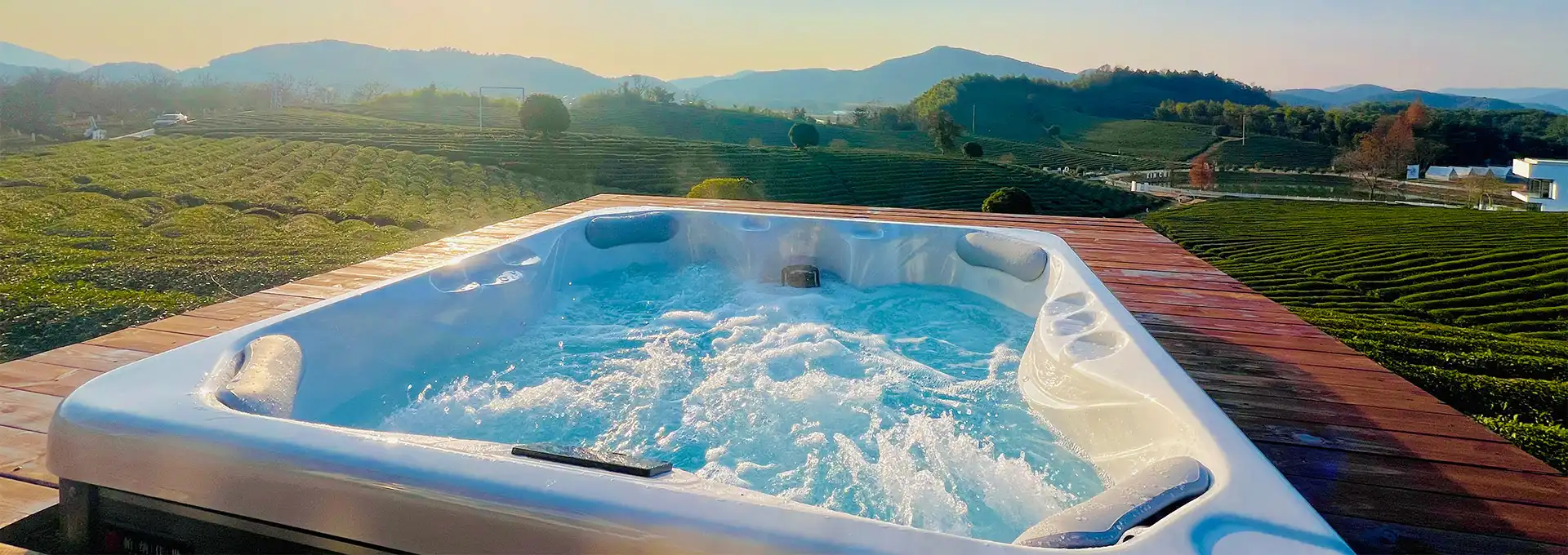
Hot Tub Therapy Safety Guidelines for Beginners
It might be exciting to start a warm water wellness routine, but it's just as important to know how to stay safe as it is to relax. Heat, buoyancy, and jet pressure in a hot tub therapy can help relax muscles, improve blood flow, and lower stress. The Arthritis Foundation says that soaking in warm water for just a few minutes may help ease joint pain and stiffness. It's helpful for both new and experienced bathers to know the right session times, temperature limits, and cleanliness rules before they go in. People who own homes, run resorts, or work in health clinics that set up business swimming areas should follow these rules.
Understanding Hot Tub Therapy and Its Benefits
What Warm Water Actually Does to Your Body
Your blood vessels get bigger when you get into warm water. This makes your nervous system work less quickly. When you float, you lose about 90% of your body weight. It helps make your spine, joints, and soft spots feel better. One study on hydrotherapy came out in 2021 in the International Journal of Environmental Research and Public Health. Taking a warm bath every day can help people with gout and fibromyalgia feel better.
Key Health Conditions It May Help
Spa immersion therapy is often suggested as an extra treatment for people with severe low back pain, trouble sleeping, or mental health issues. If you want to raise your body temperature before bed, you can take a bath in water that is 100°F to 104°F. After getting out of the bath, if you quickly cool down, you'll fall asleep faster. Tense muscles are another sign of stress. This is something that people who sit at a job for long amounts of time often notice. A focused jet massage is a better choice.
Common Misconceptions and Risk Groups
Not everyone gets what they want. When you soak, don't do it if you are pregnant, have high blood pressure that you can't control, or have recently had a heart attack or stroke. That's not true; people shouldn't think that. If the water is over 104°F, you're more likely to get too hot, dizzy, and thirsty. The person running the facility and the people who use it are safer if they know who needs extra help.
Essential Safety Guidelines for Hot Tub Therapy Beginners
Session Duration and Frequency
For beginners, it's best to start with sessions that last 15 to 20 minutes each. Users can work out for up to 30 minutes after getting used to it, but they should never stay in one soak for more than 45 minutes without taking a break to cool down. Three to four lessons a week are enough to be soothing without putting too much stress on the heart. Commercial operators should put up a notice near each unit that says the session time so it can be seen.
Temperature and Hydration Standards
The CDC says that the spa water should stay between 100°F and 104°F (37.8°C and 40°C). Before and after you swim, you should always drink a full glass of water. If you drink alcohol or eat a big meal before soaking, you are more likely to feel sick or pass out during hot tub therapy. A business water pump next to the pool lets people stay hydrated without having to stop what they're doing.

Monitoring Signs During a Session
Stop using the product right away if you feel dizzy, your skin turns red, you have trouble breathing, or your chest feels tight. In work settings, the area should always be watched over by people who know how to give basic first aid. Put up a clear set of warning signs near the door. First-time users will find the buddy system to be an easy and effective way to stay safe. It lowers risk and builds trust among visitors.
Choosing the Right Hot Tub Therapy Solutions for Business Needs
Portable vs. Permanent Installation
Portable units are good in vacation homes and on boat decks where you want to be able to move about quickly. They are good for vacation houses, physical rehabilitation clinics, and medium- to large residences. There are numerous ways. You may set them on a deck or bury them. Each alternative has various requirements for water, electricity, and maintenance. Before buying anything, the purchasing manager should consider the weight capacity of the place, the ease of access to it, and the quality of drainage.
Comparing Spa Types: Standard, Hydrotherapy, and Swim Spas
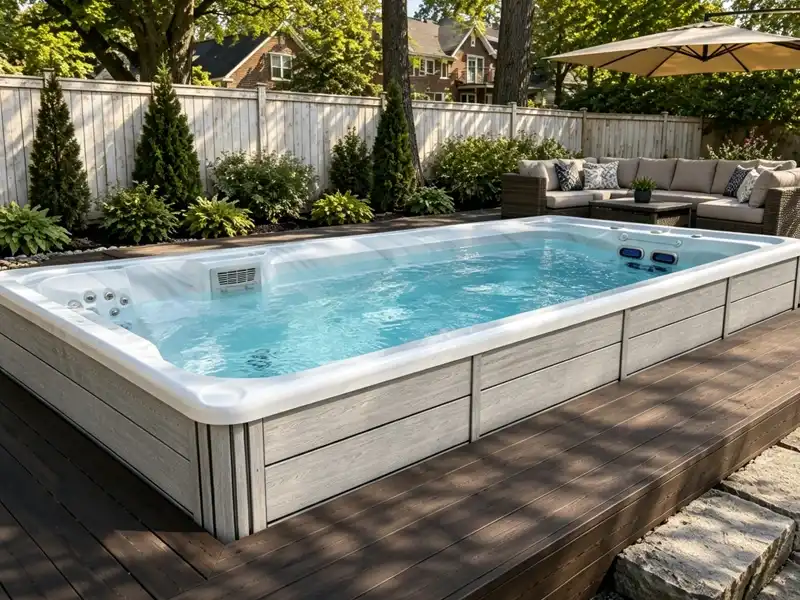
Most hot tubs have six jets that are designed to help you relax. The greatest hydrotherapy tubs for healing will have jets that are more dense and provide targeted pressure on the body. A swim spa features a swim current lane, so you may utilize the water for more than one workout. A good example of this design is the iParnassus® 3D80 pool spa. Some of the seats are cushioned, so you may receive a massage all over. There is also a spot to swim in. This provides owners and managers with a strategy that is modifiable and therapy-based.
Here's how the 3D80 stacks up against the other options:
- Each seat has 20 jets, the most in its series of goods, with sixty therapeutic jets spread out across three seats.
- Four pumps operate together, equally powering all 60 jets. The pressure is even everywhere.
- Aromatherapy Compatibility: This is offered by few of the basic spas, and it adds to the sensuality of each session.
- The extra-deep bowl is easy on the eyes of all ages — and parents can keep a watchful eye on their youngsters.
- Built-in ice buckets on either side and a lit waterfall element make it a peaceful location to utilize at nighttime.
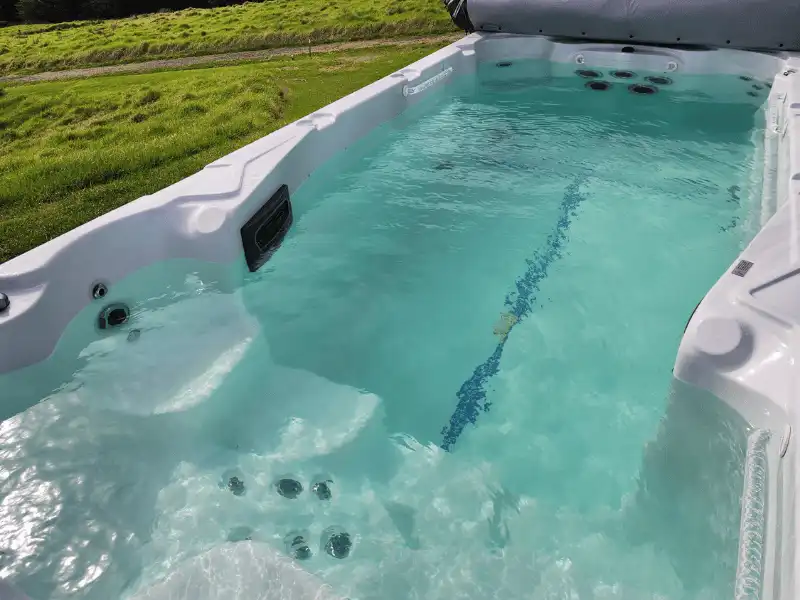
- The chairs are separated by blue lines on the floor, which is helpful for safety and reduces the possibility of slipping.
- There are 60 therapy jets in total, 20 in each of the three seats. This is the finest ratio of their merchandise.- All 60 jets are driven by four pumps, so the pressure is the same in all.
- One thing that most basic spas don’t provide is the use of essential oils. This adds to the sensuality of each encounter.
The pond is exceptionally deep, and there's ample space for children of all ages to watch their children. A lovely location to relax when darkness comes is the lit-up stream. Both have built-in ice buckets. On the ground, bright blue lines tell you how far apart the seats are. This information is expected to make people less likely to trip and fall.
Evaluating Suppliers for Commercial Procurement
A lot of the usual pool stuff isn't powerful enough for waves, isn't suitable for all age groups, or doesn't have the right qualities to make you feel better during hot tub therapy. These design decisions have solved the difficulties. Businesses may also acquire it straight away since a 40HQ container can carry up to six units. In this scenario, the shipping freight is a lot cheaper/unit.
Implementation Best Practices for Procurement and Installation
Budgeting and Site Preparation
A quality therapeutic spa may cost between $8,000 to $18,000 or more to install, depending on the size, number of jets and other amenities. There is a fee for the unit itself, but then you have to pay for water lines, wiring (most units require their own 240V circuit), a chemical starting kit, and creating a deck or pad. Most difficulties that occur in a company after installation are because the site was not prepared correctly.
Staff Training and Guest Onboarding
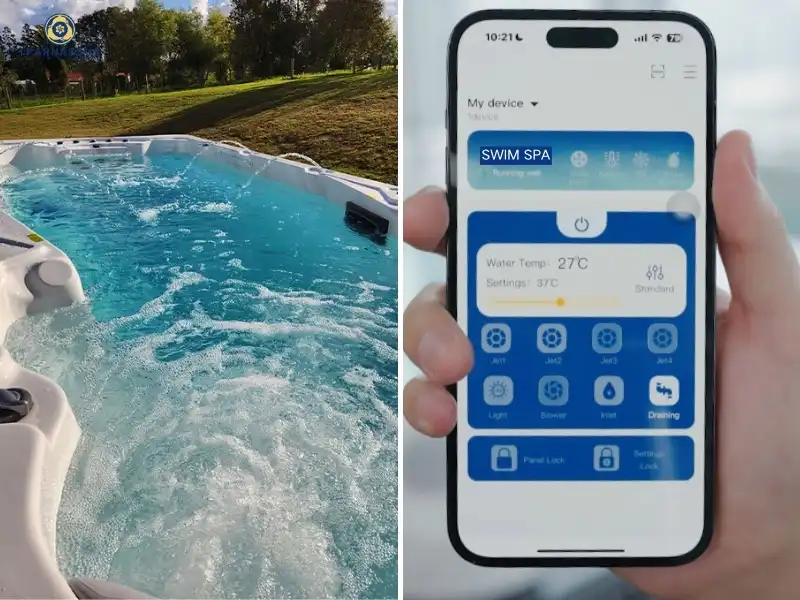
Make sure everyone who is going to be assisting people knows how to set the proper temperature, terminate an emergency, and offer basic first aid before you allow anybody into the pool area. Put a laminated card with instructions in each location you will soak. iParnassus® control devices have a touch-sensitive screen that connects to smartphones so you can manage your water and utilize self-defense applications online. This enables less tech-savvy personnel to utilize the products on a daily basis with less likelihood of errors.
Pairing Spa Therapy with Complementary Wellness Services
Plus, spa customers are usually happy when they can enjoy therapeutic massages, cold swim classes, or guided stretching, too. The 3D80 allows you to alternate hot massage zones with a cold therapy healing unit for a contrast treatment cycle. Many physical trainers believe that this is what you should do to assist your muscles in becoming better. The costly instruments pay off since every patron’s stay generates more revenue.
Monitoring, Maintenance, and Long-Term Safety Assurance
Water Chemistry and Filtration Schedules
Test the water at least three times a week for pH (target 7.2–7.8), alkalinity, and sanitizer levels in a commercial setting. Cloudy water or unusual smells might be symptoms of bacterial growth. Change filter cartridges every 3-4 months or more often with heavy use. Good chemical maintenance can help prevent skin irritation as well as cut down on scale build-up on internal parts.
Equipment Inspection Protocols
Check jets, pump seals, heating elements and cover hardware monthly. Record all inspection results and remedial actions taken. iParnassus® smart control systems offer real-time water level monitoring and automatic high/low temperature alarms to alert you of potential issues before equipment failure. A completed inspection record might also be evidence of due diligence should a liability claim ever be brought.
Emergency Protocols and Eco-Efficiency
All commercial units should have an easy-to-identify emergency stop button accessible without entering the water. Post emergency contact numbers and nearest AED location at each unit; On the sustainability front, energy-efficient heat pumps with autonomous power supply management, like the iParnassus® system, save operating costs and satisfy the rising environmental compliance requirements of hotel and resort certifying authorities.
Conclusion
This spa treatment is safe if you know how it works and have the right tools. Depending on how well the temperature is controlled, how long the soaking lasts, how often the water is changed and what is used, hot tub therapy might be good or bad for no apparent reason. Pick a system that has the perfect amount of jets, the right pump power, and management features that make safety so much easier every single day. It’s true whether you operate a business or just take care of your health at home.
FAQ
1. How long should a beginner stay in a hot tub per session?
Beginners should limit sessions to 15–20 minutes. As your body adjusts over several weeks, you can extend to 30 minutes. Always exit if you feel lightheaded or overly flushed, regardless of time elapsed.
2. Is spa immersion safe for people with heart conditions?
People with cardiovascular conditions should consult their doctor before starting any warm water therapy routine. Heat elevates heart rate, which may not be appropriate for every cardiac profile. A physician can recommend safe temperature ranges and session durations based on individual health status.
3. What distinguishes a hydrotherapy spa from a standard model?
A standard hot tub focuses on general relaxation with a modest jet count. A hydrotherapy spa delivers targeted pressure through a higher jet density, multiple pump systems, and seat-specific jet arrangements — designed to address specific muscle groups and therapeutic goals rather than general comfort alone.
4. Can hotels manage multiple spa units from one interface?
Yes. Systems like the iParnassus® hotel central management solution allow staff to monitor and adjust multiple units simultaneously, reducing operational complexity and ensuring consistent safety standards across a large facility.
5. What maintenance does a commercial spa require weekly?
Test and adjust water chemistry at least three times weekly, clean filters regularly, wipe down surfaces daily, and inspect jets and covers for wear. Log every action for compliance documentation.
Connect with iParnassus® — Premium Hot Tub Therapy Supplier for Commercial and Residential Projects
If you have a tough home or business, iParnassus® therapeutic spa devices can handle it. The group is ready to help you decide what you need for hot tub therapy. They have 80 patents and have been in business for 18 years. People in the Middle East, North America, Europe, and Australia believe in what they make. For a price quote and a list of goods made just for your project, talk to one of our experts. You can send us an email at info@iparnassus.com.

References
1. Arthritis Foundation. (2021). Hydrotherapy and Arthritis: Benefits of Warm Water Exercise. Arthritis Foundation Publications.
2. Becker, B. E. (2009). Aquatic Therapy: Scientific Foundations and Clinical Rehabilitation Applications. PM&R Journal.
3. Mooventhan, A., & Nivethitha, L. (2014). Scientific Evidence-Based Effects of Hydrotherapy on Various Systems of the Body. North American Journal of Medical Sciences.
4. National Institute for Health and Care Excellence (NICE). (2021). Chronic Pain: Assessment and Management. NICE Clinical Guidelines.
5. Toda, Y., Tsukimura, N., & Segal, N. (2006). Effect of Hydrotherapy on Chronic Low Back Pain. The Journal of Rheumatology.
6. Centers for Disease Control and Prevention (CDC). (2022). Healthy Swimming: Hot Tubs and Spas Safety Recommendations. CDC Public Health Reports.

Send Inquiry