_1768872582663.webp)
How Hot Tub Therapy Supports Muscle Recovery
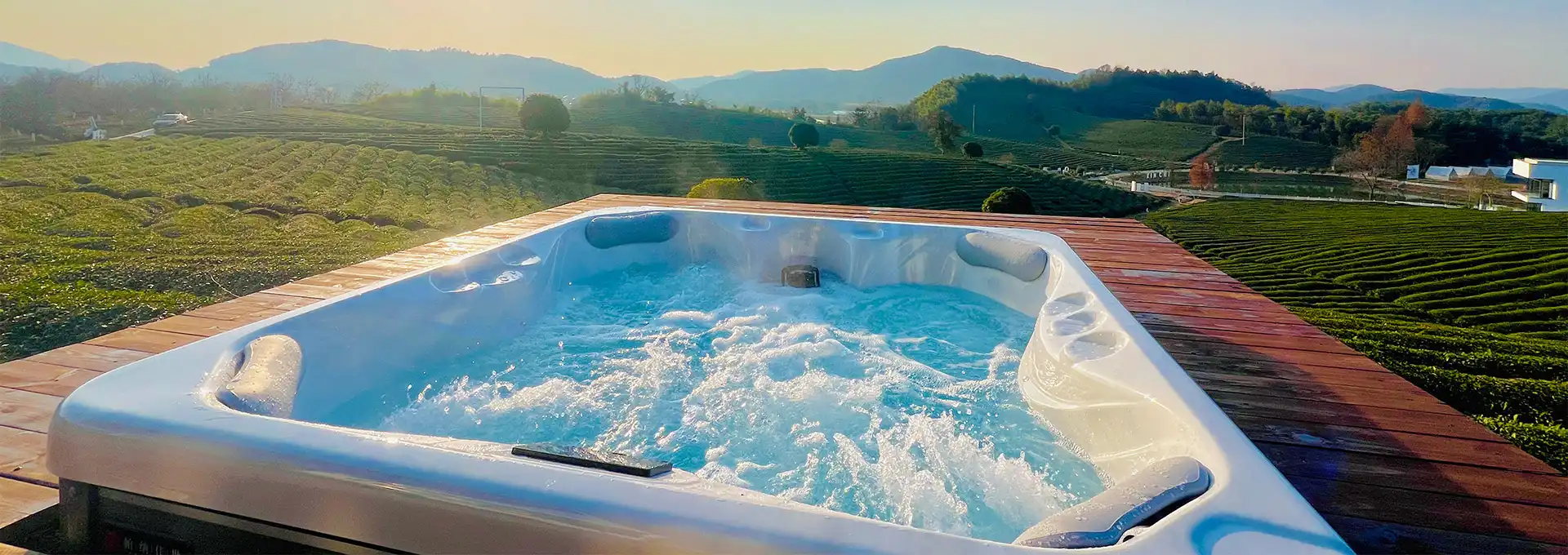
Hot tub therapy is one of the most clinically grounded methods for accelerating muscle recovery. By combining warm water immersion, buoyancy, and targeted jet massage, it stimulates blood circulation, reduces inflammation, and alleviates deep tissue tension. According to a 2021 review on hydrotherapy, warm water immersion improves soft tissue circulation while simultaneously relaxing contracted muscles. Whether you manage a rehabilitation clinic, a resort, or a commercial wellness facility, understanding how structured aquatic therapy works is the foundation for making a sound procurement decision.

Understanding Muscle Recovery Challenges in B2B Environments
Muscle tiredness is a perpetual concern for sports complexes, rehabilitation clinics, hotels, physical therapy firms, and more. Repeated physical strain, impact injuries, and inadequate posture may result in long term joint issues that make personnel less productive and visitors less pleasant.
The ancient means of healing like popping medications, massage, and static stretching have major issues when used on a wide scale. They require dedicated people, regular schedules, and the continuous expenditure of materials. When deployed in a medium- to large-sized commercial facility, these approaches seldom provide consistent, calibrated outcomes for a broad cross-section of users.
There’s a lot of interest in a healing response that can be scaled up and doesn’t need a lot of monitoring. That’s where warm water immersion treatment comes into play, providing consistent, repeatable effects without the need for one-on-one therapeutic assistance every time. In response to this transformation, procurement teams in North America, Europe, Australia, and the Middle East are busy hunting for therapeutic spa items.
How Hot Tub Therapy Facilitates Muscle Recovery
The Science Behind Warm Water Immersion
Warm water dilates blood vessels, increasing oxygen delivery to weary muscles. Being buoyant removes roughly 90% of your weight. This reduces stress on your joints and spine. Although the body is active and supported, this position allows muscles to repair and rest. Research published in the Journal of Athletic Training found that soaking in warm water after exercise substantially lowers delayed-onset muscle soreness compared to passive rest.
Jet Therapy and Targeted Pressure
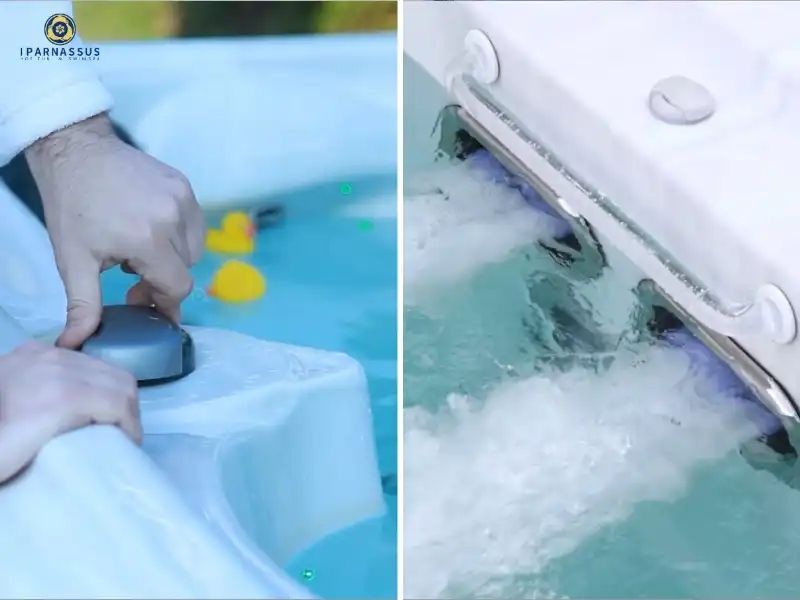
The pressure from the hydrotherapy jets is like a massage for the muscles. When jets are set to target the shoulders, lower back, legs, and feet, they break up adhesions in soft tissue and improve lymphatic movement. This, along with enhanced circulation and localised pressure, allows the muscle fibres to regenerate properly.
In rehabilitation settings, a well-planned hot tub therapy session of 15 to 20 minutes at 101°F, three to four times a week, has been proven to improve muscular stiffness and pain ratings. These criteria might aid those in procurement as they present club initiatives to their boards or clinical teams.
Comparing Hot Tub Therapy With Other Recovery Solutions
Traditional physical therapy, saunas, and cold plunges may all help you get better, but none of them can provide the same combination of heat, massage, and balance in one session. Saunas generate heat that is diffused, not targeted. Short-term inflammation? Cold plunges may assist. Long-term stress relief? Not so much. Manual physical treatment is quite effective, yet it is time-consuming and expensive.
The intermediate ground is ideal for hot tub treatment. “It performs well in business with a lot of users; it doesn’t require a lot of staff, and it fits neatly into current wellness programs.” That gives hoteliers and resort builders a distinct advantage. It provides treatment providers with a scientifically based technique. It makes an ad pop in a congested market for vacation rental owners.
Buyers should consider various models and examine the number of jets, pump size, seat configuration, and any other features that are offered, such as aromatherapy compatibility. All of these have a direct impact on the healing produced and the satisfaction of the user.
Procurement Insights: Selecting and Purchasing Therapeutic Hot Tubs
What Sets the iParnassus® 3D80 Apart?
The iParnassus® 3D80 is a top-of-the-line single-zone swim spa that shows what serious buyers should look for in a healing spa company. It has three seats with different configurations that hold 60 jets each. This gives it the highest ratio of 20 jets per seat in its product line. The two side seats have pillows built in, and they rub your whole body, from your shoulders to your feet. The backrest of the middle seat has nine 2-inch jets that work directly on the thoracic and lumbar spines.
All 60 jets are powered at the same time by four pumps, so there is consistent pressure coverage and no drop in performance during hot tub therapy sessions with multiple users. People of all ages can easily use the extra-deep basin, and the two massage seats and one swim zone in the plan make it possible for different people to do different things at the same time.
For business procurement, these are the main benefits of this model:
60 jets driven by 4 pumps provide full, continuous hydrotherapy coverage for all seating areas at the same time.

- 60 jets powered by 4 pumps — deliver thorough, uninterrupted hydrotherapy coverage across all seating zones simultaneously.
- Aromatherapy-compatible design — supports the integration of essential oils to enhance relaxation and deepen the sensory recovery experience.
- Dual-function layout — enables multiple users with different therapeutic needs to use the spa concurrently.
- Hotel central management integration — simplifies operational control for commercial deployments across resorts, wellness centers, and hospitality properties.
- Built-in ice buckets, illuminated waterfall, and LED safety markers — enhance both the guest experience and operational safety standards.
Built-in ice buckets, an illuminated waterfall, and LED safety signs all make the experience better for guests and raise safety standards for staff.
These benefits meet the main concerns of business buyers when they buy things: therapeutic effectiveness, multi-user flexibility, and the ease of building management. The 3D80 also ships quickly—up to six units can fit in a single 40HQ container—which cuts down on the costs of shipping large orders.
Best Practices for Implementing Hot Tub Therapy in B2B Settings
Deployment that works starts before the first session. When preparing a site, you need to think about things like the structure's weight, drainage, power, and privacy. Safety rules, such as maximum water temperature, session length, and warnings about potential risks, should be clearly displayed and explained to new users when they first start using the facility.
Integration with a physical therapy or corporate wellness program that is already in place speeds up adoption and makes the case for return on investment stronger. When spa visits are part of an organized healing plan instead of being seen as a separate luxury, people are more likely to follow through with them, and this leads to measurable results. Keep track of measures like stated decreases in muscle pain, range of motion, and session frequency to build a case for continuing to spend.
The iParnassus® smart control system helps business management by monitoring via smartphone, managing water remotely, providing automatic self-defense programs, and sending real-time operational alerts. This makes building staff's jobs easier without affecting safety or performance.

Conclusion
B2B companies that focus on health no longer just think about muscle repair as an afterthought; they use it as a core service measure. Hot tub therapy combines immersion in warm water, targeted jet treatment, and buoyancy in ways that no other healing method can do on a large scale. Investing in a well-designed therapeutic spa is both a medical and a business choice for people who work in leisure, rehabilitation, or health. That standard can be met by the iParnassus® 3D80, which has the right jet density, pump capacity, and control infrastructure.
FAQ
1. How long should each hot tub therapy session last for muscle recovery?
Most therapeutic protocols recommend sessions of 15 to 20 minutes at water temperatures between 100°F and 104°F. Exceeding 20 minutes at peak temperature may cause fatigue rather than recovery, so moderation is important.
2. Can hot tub therapy be combined with other rehabilitation methods?
Yes. Warm water immersion works synergistically with stretching, manual therapy, and cold plunge contrast protocols. Many physical therapy practitioners incorporate spa sessions as a warm-up or cool-down within broader recovery programs.
3. What should B2B buyers prioritize when selecting a therapeutic spa?
Jet count, pump capacity, seat configuration, and smart management integration are the most critical factors. Commercial buyers should also verify certifications, warranty coverage, and the supplier's capacity for bulk fulfillment and after-sales support.
4. Is the iParnassus® 3D80 suitable for simultaneous multi-user commercial use?
The 3D80's dual-function layout — two massage seats and one swim zone — allows users with different needs to use the spa at the same time, making it well suited to resort, clinic, and hospitality environments.
Partner With iParnassus® for Certified Therapeutic Spa Solutions
iParnassus® has been making products for 18 years, has 80 patents, and has business clients in North America, Europe, Australia, and the Middle East. The 3D80 swim spa has the highest density of jets in its class, smart management features, and low-cost shipping. It has everything a serious hot tub therapy supplier should have. Get in touch with our team right away to set up a personalized meeting or product presentation. You can email us at info@iparnassus.com.

References
1. Brukner, P., & Khan, K. Clinical Sports Medicine. McGraw-Hill, 2017.
2. Geytenbeek, J. "Evidence for effective hydrotherapy." Physiotherapy, 2002.
3. Bleakley, C., McDonough, S., & MacAuley, D. "The use of ice in the treatment of acute soft-tissue injury." American Journal of Sports Medicine, 2004.
4. Bieuzen, F., Bleakley, C. M., & Costello, J. T. "Contrast water therapy and exercise-induced muscle damage." PLOS ONE, 2013.
5. National Institute for Health and Care Excellence (NICE). Chronic Pain: Assessment and Management. NICE Guidelines, 2021.
6. Wilcock, I. M., Cronin, J. B., & Hing, W. A. "Physiological response to water immersion: A method for sport recovery?" Sports Medicine, 2006.

Send Inquiry