_1768872582663.webp)
How to Maintain a 3 Seater Hot Tub
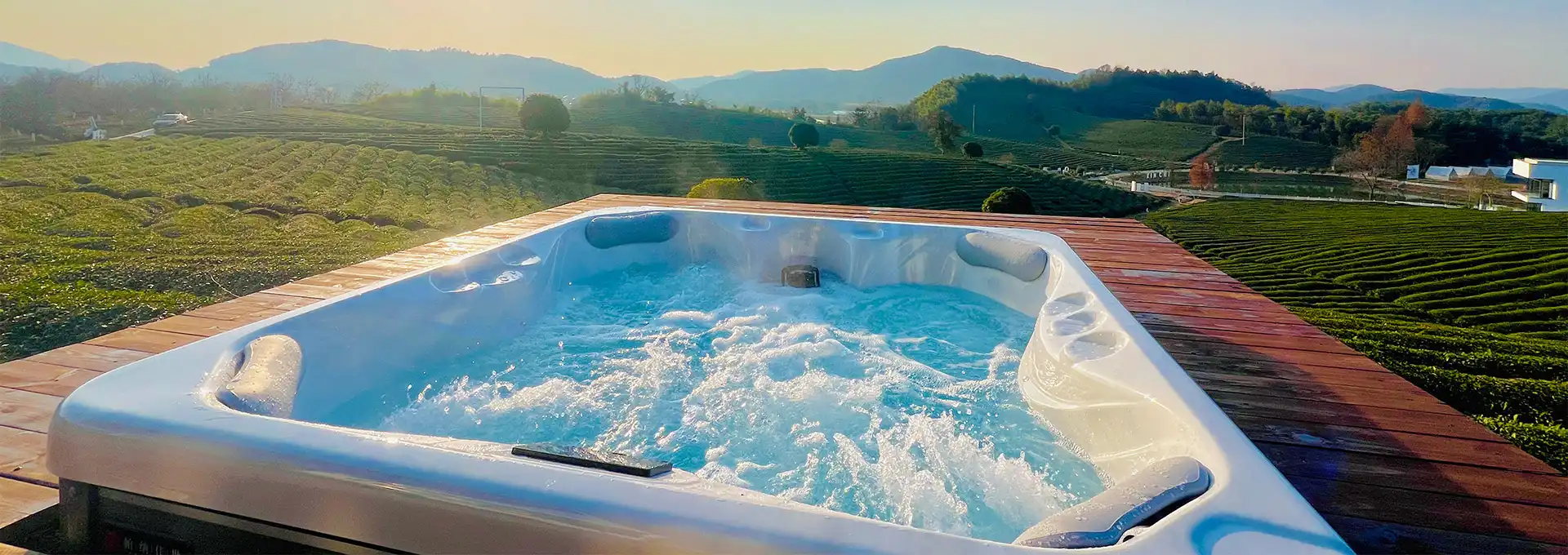
Keeping a 3 seater hot tub in top condition is not complicated, but it does require consistency. Whether you manage a boutique hotel, a resort suite, or a private residence, proper maintenance protects your investment, keeps water safe, and extends the life of every component. A compact spa holding roughly 220–250 gallons demands specific attention to water chemistry, jet performance, and seasonal care. Follow the steps in this guide, and you will spend less time troubleshooting and more time delivering a quality soak experience.
Understanding the Maintenance Needs of a 3 Seater Hot Tub
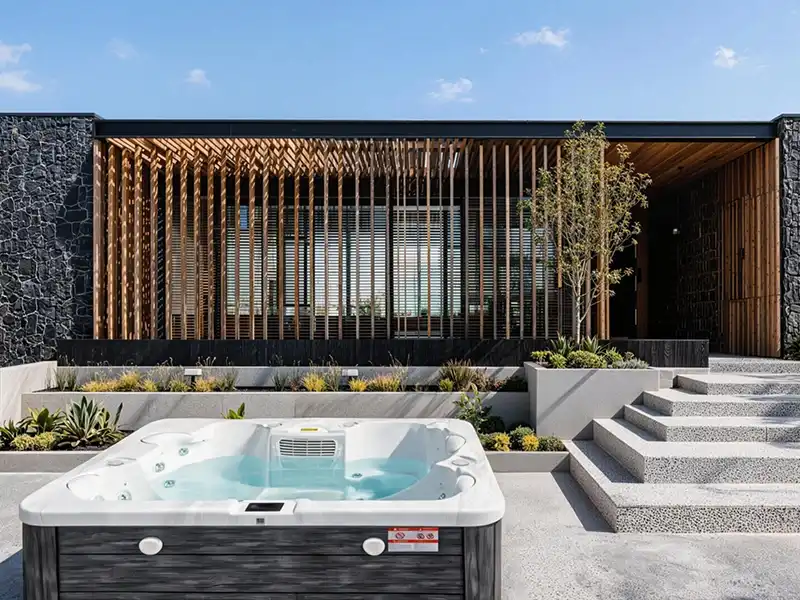
Knowing the differences between a 3-seater hot tub, a six-person spa, and an eight-person spa will help you make better plans.
Water Volume and Chemistry Sensitivity
Chemical changes happen faster when the amount of water is smaller, usually between 220 and 250 gallons. Within hours, one bather can change pH levels in a way that can be seen. In business settings, test the water at least three times a week and quickly change the levels of alkalinity (80–120 ppm), pH (7.2–7.8), and disinfectant.
Jet and Pump Load Cycles
A good small tub, like an iParnassus® model, has a 3HP pump that powers 21 massage jets that are aimed at specific areas. When run cycles are shorter and pressure is higher, seals and impellers are loaded in certain ways. Every month, check the pump case and jet blades for early signs of wear so you can fix them before they get too bad and cost a lot to fix.
Heating Efficiency in a Smaller Shell
Smaller shells get hot and cool down more quickly. During times of high use, set the temperature between 100°F and 102°F. During times of low use, lower it to 95°F. This one habit can cut your monthly energy use by up to 10% without affecting your comfort.
Step-by-Step Process for Maintaining a 3 Seater Hot Tub
Systematic care is what makes performance reliable. This useful practice is based on the parts that can be found in a hard shell 3 seater hot tub.
Weekly Water Quality Control
The cleaner should have a chlorine goal of 3–5 ppm or a bromine target of 4–6 ppm. These should be checked three times a week. To get rid of organic contaminants, shock the water once a week with an oxidizer that doesn't contain chlorine. iParnassus® units come with built-in ozone and UV dual cleaning, which greatly reduces the need for chemicals and makes this step faster and cheaper to handle on a large scale.
Monthly Component Inspection
Every two weeks, take out the filter cells and rinse them. Once a month, use a filter cleaning solution to give them a good clean. The iParnassus® model has 21 jet nozzles that can be used singly. The lounge seat directs jets at the back, legs, and feet, and recessed leg jets keep users underwater all the time. Any opening that is blocked lowers the pressure in hydrotherapy and puts stress on the pump.
Seasonal Deep Cleaning and Drain Cycle
Drain and fill up the tub every three to four months, or sooner if the total dissolved solids (TDS) level goes over 1,500 ppm. During the drain cycle, use a mild spa cleaner to clean the acrylic shell that was made in the USA. Use a pipe purge product to flush the plumbing lines before filling them back up. This step keeps bacteria from building up on the shell's surface and inside the pipes.
Comparing Maintenance: Inflatable vs. Hard Shell 3 Seater Hot Tubs
A lot of the time, wholesalers and hotel managers ask whether hard shell or flexible units are easier to keep up on the property level. The answer depends on how you're using it.
It's easier to move inflatable movable spas because they are lighter, but the plastic walls are more likely to get tiny holes in them, their filtration systems aren't as good, and their heating elements have to work harder when it's cooler outside. Costs to maintain inflatables are usually lower at first, but go up over time because parts need to be replaced and heat is lost.
Hard shell plastic pools, on the other hand, cost more to buy at first but last longer, keep heat in better, and have more reliable jet performance. The plastic used in iParnassus® units is brought from the USA and is much more resistant to UV fading and surface cracking than regular materials.
Here is a straight comparison of the things that matter most to B2B buyers:
- Durability: Hard shell acrylic lasts longer than flexible vinyl by years when used regularly in a business setting, which lowers the cost per soak session over time.
- Filtration maintenance: Hard shell units have bigger, better filters that can handle more bathers more reliably, so emergency services are called less often.
- Portability trade-off: Inflatable models are good for temporary or seasonal setups, but they can't provide the structural stability that a hotel or resort needs all year.
- Energy retention: Insulated hard shell cabinets keep heat in overnight without the pump running all the time, which saves electricity over the course of a year.
A hard shell 3-seater hot tub gives a better return on care for businesses that want to make steady money from hotel or home markets.

Maintenance Tools and Accessories Recommended for B2B Clients
Routine care is faster and more uniform across multiple units or buildings when the right tools are used.
Chemical Test Kits and Dosing Tools
In less than two minutes, digital test strips or liquid drop tools give correct results for a hot tub pool. An automatic photometer takes the guessing out of daily checks for businesses that run more than one spa. It is better for staff handovers if test kits come with chemical dosing pouches that have already been measured out.
Filtration and Water Management Equipment
Purchase extra filter tubes so that employees can switch them out during busy times without having to wait for the cleaning cycle to finish. Now, remote water tracking devices can connect to smartphone apps, so managers can check on the water level without being there. This works well with iParnassus® smart control systems, which let managers see the water level in real time and handle it remotely from a single phone interface.
Cleaning Tools and Cover Care
A 3-seater hot tub cleaner with soft bristles can get rid of dirt on the shell floor without damaging the plastic. A good thermal cover with a locking device keeps heat in, keeps waste out of the water, and acts as a safety barrier for children, which is important for homes with kids and places that host guests. As normal safety features, iParnassus® units come with panel and child lock settings.
Best Practices for Long-Term Maintenance Success
Consistent protocols separate properties that don't cost much to run from those that have to pay a lot for repairs.
Customized Maintenance Schedules
Match the number of bathers you have in your 3-seater hot tub with how often you do upkeep. At a resort, the spa is used three to four times a day. The water needs to be tested twice a day, and the filters need to be checked every ten days. Those who own the unit and only use it on the weekends can have a less strict schedule. Write down every test result, chemical addition, and service action in a logbook. This record is very helpful when filing a guarantee claim or going through a compliance check.
Staff Training and User Education
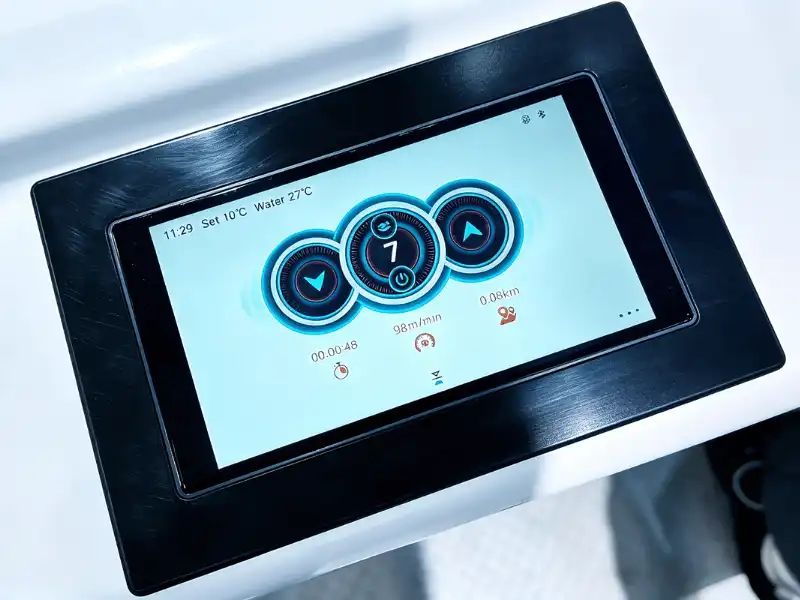
Even the best-designed spa can be bad if the people who use it don't know how to use the tools. Teach your staff how to use the touch-sensitive control panel, how to set the times for the ozone and UV cleaning cycles, and how to use the automatic system that reminds you to add water. When residents or guests know basic rules like "shower before entering," "no glass near the tub," and "report any strange smells right away," maintenance schedules stay on track.
Warranty and Manufacturer Support
As soon as you purchase your unit, you should register it with the maker. Because of this, iParnassus® has a strong after-sales team and, as of 2026, over 80 patents in spa design and engineering. Keeping your warranty current means that problems with the pump, heater, or control system are fixed faster and for less money than if you had to get fixes from someone else.
Conclusion
Taking care of a 3 seater hot tub is easy if you make regular appointments to check the water chemistry, the parts, and the spa during the different seasons. If you are consistent, hard shell acrylic units will work well for years to come. It doesn't matter if you're in charge of one unit at a boutique hotel or finding spas for a large chain; the ideas in this guide will apply directly to your job. If you give your spa the right tools and a trained staff, it will stay safe, useful, and profitable for a long time.
FAQ
1. How often should I test the water in a 3-seater hot tub?
In a 3-seater hot tub, test the makeup of the water at least three times a week in places that are used for business, like hotels or vacation rentals. For moderately frequent use in a private home, checking twice a week is enough. Always test after a lot of use or when you add new water.
2. What is the ideal water temperature for energy efficiency?
While it's being used, keep the temperature between 100°F and 102°F. During off-peak times, turn it down to 95°F. Even a 5°F drop in temperature at night can make heating costs much less over the course of a whole operating season.
3. Are inflatable hot tubs cheaper to maintain than hard shell models?
Inflatable models are cheaper to buy at first, but they cost more to maintain over two to three years because they need to be fixed more often and lose more heat. Commercial users will get more value over time from hard-shell plastic units.
4. How does ozone and UV sterilization reduce chemical use?
Ozone and UV systems break down organic substances and germs at the molecular level, so they don't build up. This often cuts the amount of chlorine or bromine that is needed to keep sanitizer levels of sanitizers at a safe level by 50% to 70%.
Partner with iParnassus® — Your Trusted 3 Seater Hot Tub Supplier
iParnassus® adds 18 years of experience making spas to every unit it makes. Our 3 seater hot tubs have a 3HP pump, 21 hydrotherapy jets, ozone and UV sterilization, and plastic shells made in the USA that are built to last in a business setting. We are a dedicated 3-seater hot tub manufacturer that helps OEMs, distributors, and hospitality buyers by providing consistent quality and quick service after the sale. To get product details or talk about your buying needs, email our team at info@iparnassus.com.

References
1. Pool & Spa News. (2022). Water Chemistry Management in Commercial Spa Environments.
2. PHTA (Pool & Hot Tub Alliance). (2023). Residential and Commercial Hot Tub Maintenance Standards.
3. Centers for Disease Control and Prevention (CDC). (2021). Healthy Swimming: Hot Tub and Spa Water Quality Guidelines.
4. Energy Star Program, U.S. Department of Energy. (2022). Energy Efficiency Recommendations for Spa and Hot Tub Operations.
5. NSF International. (2020). Standards for Filtration and Sanitation in Portable Spas.
6. Association of Pool & Spa Professionals (APSP). (2019). Standard for Portable Electric Spa Energy Efficiency (ANSI/APSP/ICC 14).

Send Inquiry