_1768872582663.webp)
How to Maintain a Compact Hot Tub for Year-Round Use
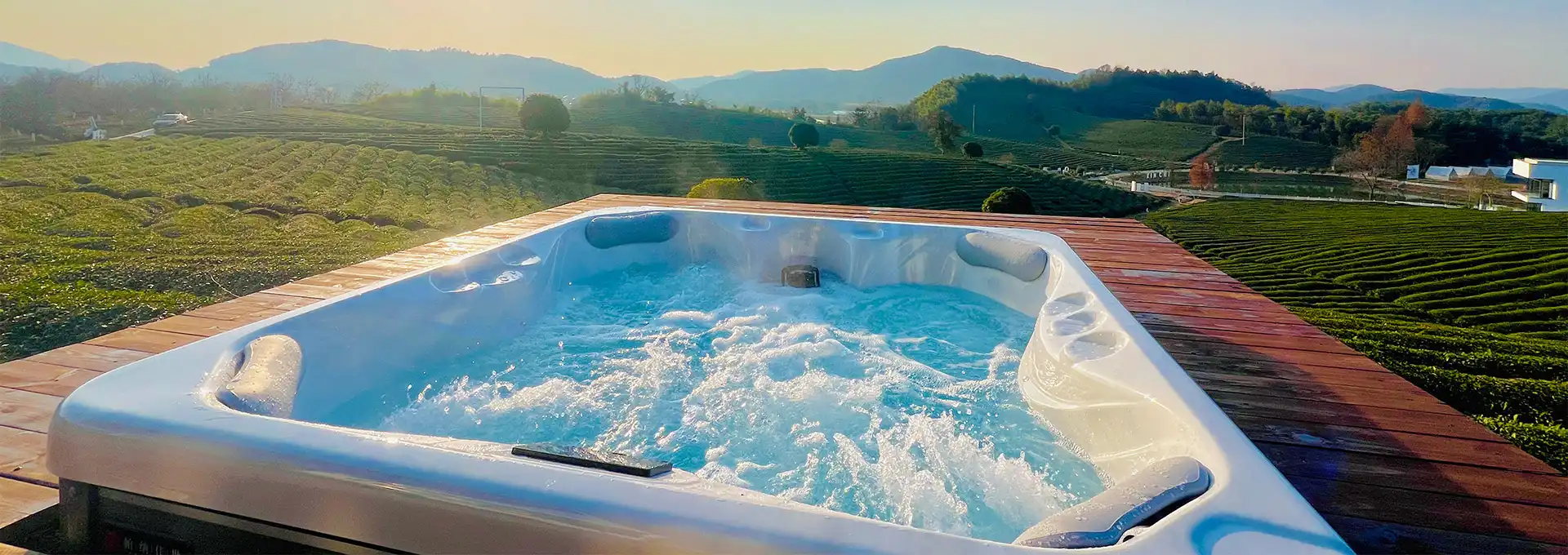
Maintaining a tiny compact hot tub in top condition all year long is easier than most people anticipate, but it does need persistence. With the correct water care practices, filter maintenance schedule, and seasonal preparation, a small spa may provide years of dependable operation. Whether you run a boutique B&B, a rooftop apartment installation, or a household space-saving set-up, ongoing maintenance is a direct protection of your investment. This book leads you through the practical tasks, frequent problems, and smart product selections to keep your spa clean and functioning effectively in every season.

Understanding Common Maintenance Challenges of Compact Hot Tubs
Small-footprint spas bring genuine advantages, but they also come with maintenance patterns that differ from larger models. Knowing these patterns in advance helps you plan smarter.
Water Quality Fluctuations
Because tiny spas store less water (usually about 500 liters), chemical concentrations change fast. One heavy-use session may push pH beyond the acceptable range of 7.2-7.8. According to the compact 4 person hot tub, unbalanced water is the top cause of equipment corrosion and skin irritation in home spas. Test water at least twice a week with vigorous usage.
Mechanical Wear on Jets and Pumps
Smaller circulation systems have to work harder compared to the total water volume. Biofilm and calcium build-up on jet nozzles limit the flow over time. Ignoring this puts pressure on the pump and eventually causes motor failure—repairs that cost far more than normal cleaning. Check jets each month and clean clogs with a gentle brush or a solution of diluted white vinegar.
Seasonal Environmental Stress
The two most expensive seasonal risks are winter frost damage and summer algae bloom. Water swells within pipes as it freezes, causing fissures. Algae loves it when the warm weather brings down the sanitizer level. Both concerns may be avoided with a planned seasonal procedure, which we discuss in full later in this article.
Essential Steps to Maintain a Compact Hot Tub Throughout the Year
A structured maintenance routine removes guesswork and protects the spa's mechanical and chemical systems simultaneously. Here is how to approach it across four key areas.
Water Testing and Chemical Balancing
Regularly check pH, total alkalinity (80–120 ppm), and sanitizer levels. The major sanitizer should be bromine or chlorine at 3–5 ppm chlorine or 3–6 ppm bromine. Weekly, shock the water to rid the tank of organic trash. Enzyme-based eco-friendly solutions are good as supplements and lessen the chemical burden on the bathers.
Filter Cleaning and Replacement
Every two weeks, rinse the cartridge filter using a garden hose. Monthly deep clean using a filter degreaser. Most cartridge filters last 12-18 months before you notice a decline in efficiency. Late replacement stresses the circulating pump and decreases water quality. Having a spare filter available enables easy changeouts during busy times for B&Bs or boutique properties.
Heating System Care
Check the heating element for scale buildup every three months. Hard water regions add to calcium deposits on heating devices, diminishing efficiency and raising energy expenses. Descaling therapies remove mineral deposits, but do no harm to interior components. For properties in cold areas, check the accuracy of the thermostat periodically using a separate probe thermometer.
Shell and Cover Maintenance
Every time you replace the water (every 3-4 months for domestic use, more often for commercial use), wipe the inner shell with a non-abrasive spa cleaner. Insulating coverings retain heat and prevent debris from entering. The U.S. Department of Energy says a cover with a decent R-value (10 or above) may save heating expenditures by up to 50%.

Comparison of Maintenance Needs: Compact Hot Tub vs. Other Hot Tub Types
When buyers in the business world know the difference between small and full-size spas, they can make service plans that are more likely to work.
Access and Servicing Ease
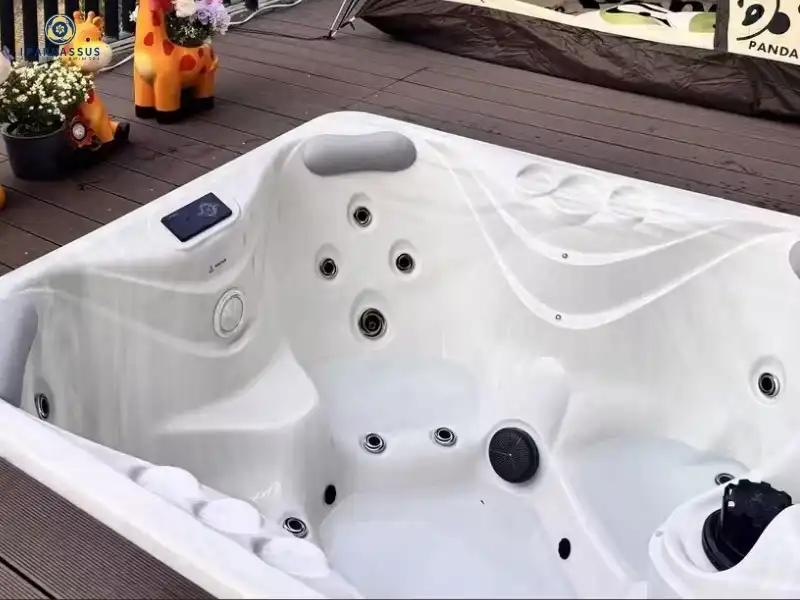
It's easier to service small units because they are smaller. There is more time for techs to work on pumps, heaters, and plumbing when their cabinets are smaller. On the other hand, the iParnassus® 2R01 can fit inside regular elevators and other indoor spaces. This is good for apartment managers and bed and breakfast owners because it means that service calls and installations don't get in the way of daily tasks.
Water Change Frequency
Bigger spas, which hold 1,500 liters of water, need to have their water changed more often than small spas, which only hold 500 liters. Maybe every eight weeks is enough for a busy two-person unit that is used every day instead of every twelve weeks. Even though this seems like extra work, it saves money on water and heating bills since each refill has less water.
Regulatory Compliance
To keep the water clean, businesses must follow the health rules for the area. Small units that come with skimmer filtration systems, like the 2R01's useful skimmer filtration design, make following the rules easier by keeping the water cleaner between chemical treatments. You should always write down your chemical logs for health inspections.
Selecting Maintenance Services and Products for Compact Hot Tubs
Choosing the right chemical goods and service partners can help protect machine warranties and cut down on downtime that wasn't planned.
What to Look for in a Service Provider
Professionals who have been approved by well-known groups like the Association of Pool & Spa Professionals (APSP) should be given more weight. Make sure that the service provider has worked with small homes and light businesses before. Pay-per-visit plans aren't always the best deal for small businesses. However, bundled service contracts that include emergency calls and inspections every three months are often a better choice.
Recommended Products and Accessories
Having a good cartridge filter, a pH/alkalinity balancer, a chlorine or bromine sanitizer, an enzyme cleaner that doesn't foam, and a cover that keeps heat in or out are the most important things you need to keep your small spa in good shape. These will wear out faster and cost you more in the long run if you don't spend enough on them.
Partnering with Your Compact Hot Tub Supplier
Parts and materials for your small compact 4 person hot tub will only work if you buy them from the company that made the hot tub in the first place. Customers can get advice and quick technical help from iParnassus® after the sale. For business owners who can't afford long machine breaks, this cuts down on downtime.

Best Practices for Ensuring Energy Efficiency and Longevity
Habits that are built into daily and seasonal tasks are key to long-term success.
Use Timers and Smart Controls
You may program the heater to operate when the price of power is lower. iParnassus® smart control tools allow you to observe what the water is doing and how hot it is from your phone. The electricity does not need to be switched off manually, since the self-protection program switches itself on when the water level is too low or the temperature is too high. These features reduce the direct operating expenses and prevent error harm.
Winterizing the Spa Properly
In cold weather, do not leave the unit vacant for longer than two weeks. Instead, drain all the water, blast out the pipes using compressed air, and store the cover inside. If you keep the heater outdoors all year in frigid areas, make sure it remains above 10°C (50°F). If it freezes, the pipes within might burst.
Summer Algae Prevention
Try hand sanitizer 3 times a week in the summer. Close the cover to keep the sun out while the spa is not in use. Chlorine dissipates fast under sunlight. If the unit is in direct sunlight more than six hours a day, treat the unit with an algicide once a week.
Conclusion
You can be a spa person for a day (or a weekend) and still receive spa service. Small spas like the iParnassus® 2R01 are best tested regularly, filters replaced when they need changing, compact hot tub and spa ready for the season. They are modest (193 x 153 cm), so they heat easily and are inexpensive to operate (500 liters), but only if the heating and filtering systems are looked after correctly. B2B owners who design their maintenance plan from the outset will save money, get more life out of their stuff, and provide visitors with a better experience all year round.
FAQ
1. How often should I change the water in a compact hot tub?
If only one or two people use it often, clean and replace it every three to four months. When a business has a lot of bathers, like a B&B or small hotel, the plan should be changed every six to eight weeks. Before and after adding more water, always check the chemical balance.
2. What chemicals are safe for small spa water treatment?
You can clean with either chlorine or bromine without getting sick. Bromine is better for small spas that get hot a lot because it stays stable at higher temperatures and is better for the skin. You should use either one with an enzyme cleaner that doesn't foam and a pH stabilizer. Bleach is not a good way to clean because it has unstabilized chlorine in it that can hurt shell surfaces.
3. Should I hire a professional service or manage maintenance in-house?
With the right training and test kit, smaller homes with easy routines can be taken care of by people in the same building. Businesses that run more than one unit or don't have enough technical staff can benefit from professional contracts that are due every three months. A mix of chemical care done by the owner every month and professional checks every six months works well for most B&B and small hotel owners.
Get a Quote from iParnassus® — Compact Hot Tub Manufacturer
iParnassus® stands behind every small compact hot tub they make. They have 80 registered patents and have been making spas for 18 years. Simple to use from your phone, the 2R01 is small and heats up quickly. We can help you find a small hot tub for sale whether you are a buyer, a distributor, or the owner of a bed and breakfast. Email us at info@iparnassus.com to find out about our goods and bulk prices.

References
1. Pool & Hot Tub Alliance. (2022). Residential Hot Tub Water Care Guide. PHTA.
2. U.S. Department of Energy. (2023). Energy Efficiency Tips for Residential Spas and Hot Tubs. DOE.
3. Association of Pool & Spa Professionals. (2021). APSP-14 Standard for Portable Residential Electric Spa Energy Efficiency. APSP.
4. National Sanitation Foundation. (2020). NSF/ANSI 50: Equipment for Swimming Pools, Spas, Hot Tubs and Other Recreational Water Facilities. NSF International.
5. Becker, R., & Steinberg, L. (2019). Hydrotherapy and Spa Maintenance: Practical Protocols for Commercial Operators. Leisure Publications.
6. American Chemistry Council. (2022). Safe Use of Pool and Spa Chemicals: A Guide for Operators. ACC.

Send Inquiry