_1768872582663.webp)
How to Use a Hot Tub for Stress, Pain Relief and Relaxation
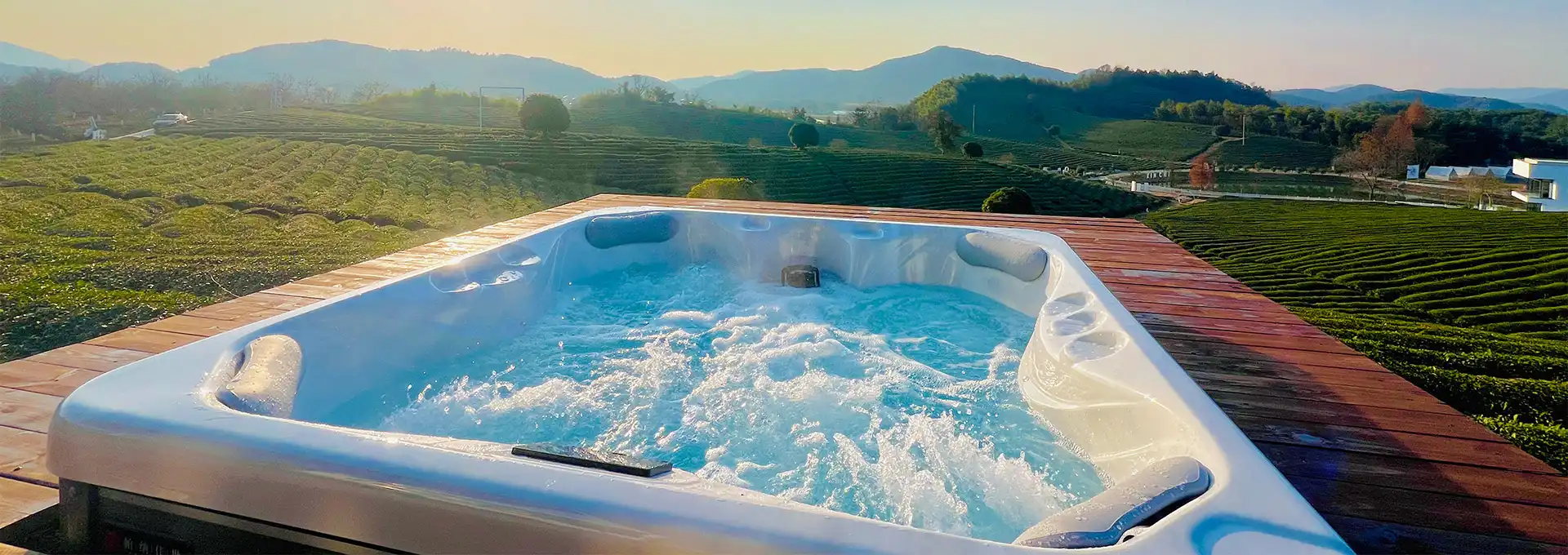
Hot tub therapy represents a scientifically backed approach to managing stress and chronic pain through warm water immersion combined with targeted massage. When you immerse yourself in heated water maintained between 37-40°C, your body experiences immediate physiological changes: blood vessels dilate, circulation improves, and muscles release tension they've held throughout the day. The addition of strategically positioned jets delivers mechanical pressure to specific muscle groups, mimicking the techniques professional massage therapists use. This combination creates what experts call hydrotherapy—a therapeutic modality that addresses both physical discomfort and mental stress simultaneously, making it increasingly valuable for wellness facilities, hospitality venues, and therapeutic centers seeking effective recovery solutions for their clients.
Understanding the Benefits and Science of Hot Tub Therapy
How Warm Water Immersion Affects Your Body
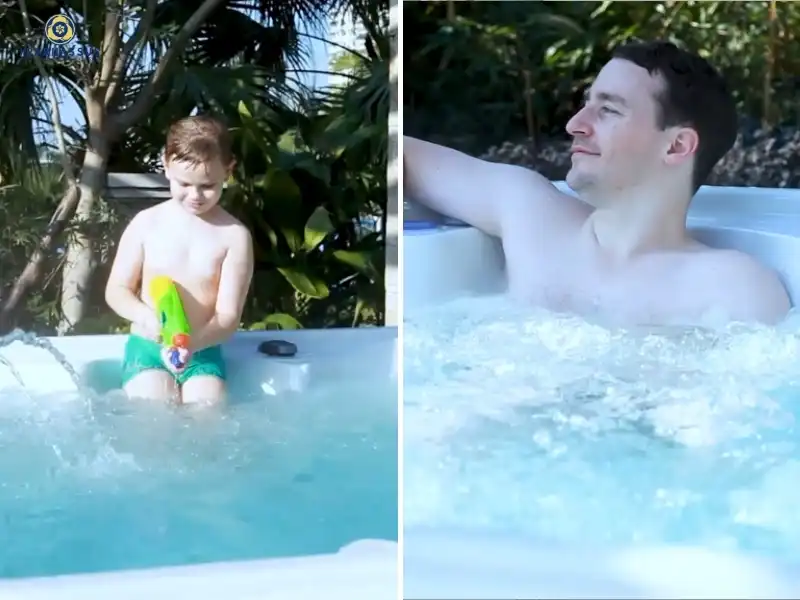
Vasodilation is the widening of blood vessels all over your body. It happens when you step into a properly hot pool. This physiological response sends more oxygen to tired muscles and gets rid of metabolic waste products like lactic acid that build up after exercise or long periods of sitting. Medical journal research shows that regular swimming sessions can lower cortisol levels by up to 30%. This directly targets the biological signs of long-term stress.
The buoyancy effect makes you lighter by about 90%, which relieves pressure on joints that support your weight right away. People with arthritis, lower back pain, or who are recovering from sports-related injuries benefit the most from this effect. Your spine can automatically relax because of the lower gravitational stress. This gives you comfort that's hard to get from other methods.
The Role of Targeted Jet Therapy
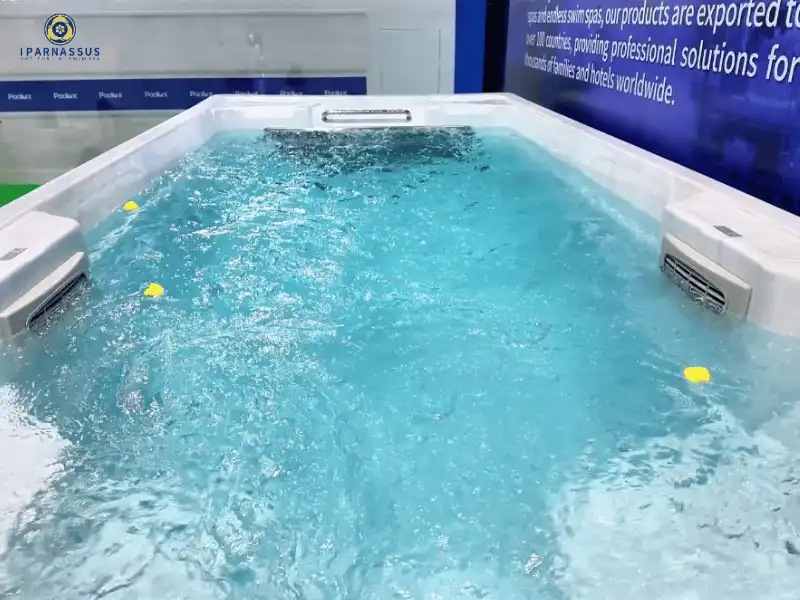
Modern therapeutic spas have jet systems that are carefully designed to apply controlled water pressure to certain body parts. The iParnassus 3D80 swim spa is a great example of this method because it has 60 therapy jets that are powered by four separate pumps. With 20 jets per seat, this design has the highest number of jets to seats ever seen, making sure that your whole body is covered.
Each of the three separate seating areas is used for a different kind of therapy. Two side seats have built-in pillows and jets that rub your whole body, from your shoulders to your feet. This includes the muscle groups that get tense from daily life. The middle seat has nine 2-inch jets strategically placed along the backrest to target the thoracic and lumbar areas that office workers and hospitality workers often feel tense. This well-thought-out engineering turns a simple soak into a full healing session.
Documented Health Outcomes
Multiple types of clinical studies have shown that regular swimming improves health in measured ways. People who use therapeutic spas three to four times a week say their chronic pain gets a lot better. In fact, some studies have shown that people with lower back pain get better by more than 40%. The temperature drop before bedtime after a warm soak sets off your body's natural sleep processes, which lead to better sleep quality.
The improvement in circulation lasts longer than just the exercise. Regularly immersing yourself in warm water trains your heart and lungs to work better, which could lower your blood pressure at rest over time. The mental health benefits are just as strong. Users have reported less anxiety and more stable moods, which are thot to be caused by the release of endorphins during the relaxing experience.
How to Effectively Use a Hot Tub for Stress Relief and Pain Management
Optimal Temperature and Duration Guidelines
The best temperature range for healing purposes is between 37°C and 40°C (98.6°F and 104°F). This range helps muscles relax without putting too much stress on the heart or making the body too hot. The length of the session is very important. Spending 15 to 30 minutes is long enough to get the benefits for your body without getting too hot or dehydrated.
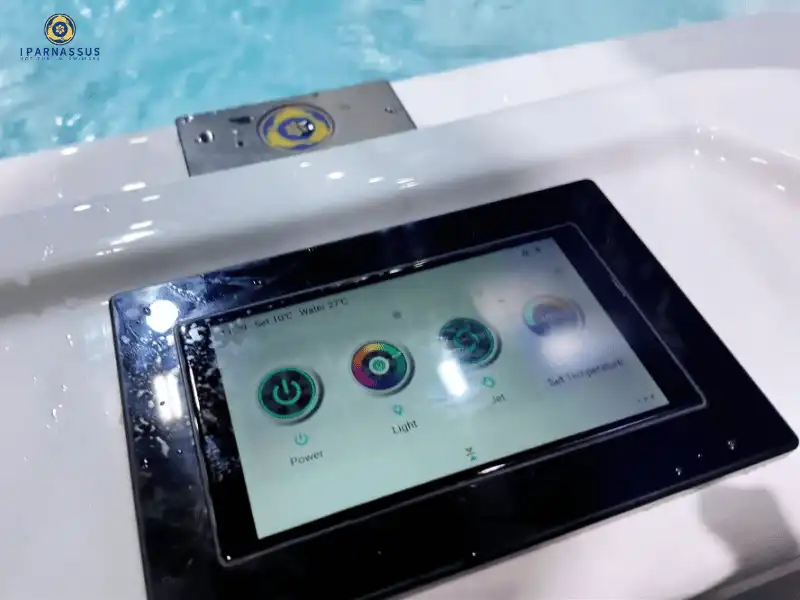
The iParnassus intelligent control system makes it easier to control the water temperature by letting you check the conditions of the pool before your session starts using your smartphone. This technological advantage is especially helpful for commercial facilities that have to deal with a lot of daily users, since staff can change settings from a distance to fit each person's therapeutic needs.
Maximizing Therapeutic Benefits Through Technique
Strategic placement in your spa for Hot Tub Therapy has a huge effect on how well treatments work. The 3D80's dual-function design lets it be used for two different things at the same time. For example, two people can get focused massage treatment in the side seats, while someone else uses the swim current area for gentle aquatic exercise. This is very flexible, which solves a common problem in settings with many users whose tastes are very different.
Adding light stretching to your routine will help your muscles relax even more. With the buoyancy support, you can easily do things that would hurt your joints on land. By switching positions, you expose different muscle groups to the different jet patterns, which makes sure that you get a balanced treatment. The extra-deep basin design makes it easy for people of all heights to use, so they don't have to worry about the awkward positioning that can happen with shallow models.
Essential Safety and Maintenance Protocols
Some users feel dizzy after sessions because of the heat and vasodilation. This can be avoided by drinking enough water before and after sessions. Limiting booze use helps keep the heart stable when the temperature changes. People who are pregnant, have heart problems, or have diabetes should talk to their doctors before starting regular hydrotherapy routines.
To keep water quality standards, commercial owners must follow strict sanitation plans. The iParnassus's self-cleaning and antivirus features make a lot of this work automatic, which cuts down on work and increases cleanliness. Water level sensors automatically tell you to do repair tasks, which keeps equipment from getting damaged by low water levels. Touch-sensitive control panels are very good at keeping water out, so they keep working even when they're constantly wet.
Comparing Hot Tub Therapy Solutions for B2B Procurement
Alternative Recovery Methods and Relative Advantages
Different types of cold treatment are used for different reasons, but they all aim to reduce acute inflammation after an accident. Even tho cold submerging is good for healing right after exercise, it doesn't help with stress relief or muscle relaxation as warm water does. Saunas give off dry heat that helps the body get rid of toxins through sweating, but they don't have the buoyancy or mechanical massage features that are necessary for full therapy.
Professional massage can help with specific soft tissue issues, but it needs to be scheduled, the therapists need to be trained, and the cost of the ongoing work is high. Therapeutic spas are open 24 hours a day, seven days a week, so people can treat themselves whenever they feel sick. When heat, buoyancy, and hydromassage are used together, they have benefits that can't be achieved with just one technique.
Categorizing Available Systems for Different Environments
Different types of spas have very different installation requirements. Inflatable models are easier to move around and cost less to buy, but they don't last as long or have as much jet power, so they can't be used for serious therapeutic purposes or in commercial settings. Permanent installations last longer and work better, so the higher initial costs are worth it because they need less maintenance and last longer.
The 3D80 swim spa's thoughtfully designed dual-zone layout makes it useful for a wide range of activities. Hospitality places can sell both therapeutic massage and water exercise from the same room, which makes the best use of space. International shipping costs are cut by a huge amount when six units are packed into a 40HQ container. This is a buying advantage that helps resort developers and vacation rental managers get a better return on their investment when they import multiple units.
Specialty Features Addressing Specific Therapeutic Needs
Adding aromatherapy to a treatment makes it more enjoyable by using olfactory pathways that affect emotions and the body's response to stress. Aromatherapy can be added to the iParnassus system to create multisensory environments that help people relax even more than mechanical massage alone. Built-in ice buckets on both sides of the 3D80 make it easier for people who are following contrast therapy routines or just want to cool off with a drink during long sessions.
At night, the illuminated waterfall feature makes for stunning visual effects, turning useful features into memorable amenities that guests will remember. As a safety measure in low light, bright blue marker lines make it easy to see how far away sitting areas are. This is especially helpful for hotels and motels that cater to a wide range of guests.
How to Choose and Procure the Best Hot Tub for Therapy
Critical Performance Specifications
The most important thing that sets therapeutic systems apart is the jet configuration. Count alone doesn't tell you anything about the anatomy or the power of the pump or the size of the jets. The 3D80's four-pump system gives all 60 jets the sustained pressure needed for effective deep tissue work at the same time. This is something that single-pump designs, no matter how many jets they claim to have, can't do.
The accuracy of temperature control for Hot Tub Therapy affects both the effectiveness of therapy and the cost of running the business. Modern systems keep temperatures stable within small ranges, so they don't lose energy by heating and cooling too many times. The iParnassus smartphone control lets building managers set energy-saving schedules for off-peak hours without affecting readiness for when users come because it allows real-time monitoring and adjustments.
Budget Management and Total Cost Analysis
The price of high-end heating systems reflects the complexity required to ensure reliable operation in real-world applications. Procurement professionals should look beyond the initial purchase price and consider the total cost of ownership; energy-efficient heat pumps can lower ongoing electricity costs, while durable systems reduce the frequency of repairs.
Long-term value is directly affected by warranty coverage and help after the sale. Manufacturers who offer comprehensive warranties show that they have faith in their engineering, and strong support networks make sure that problems are fixed quickly when they happen. iParnassus backs its products with a long warranty and keeps its service channels active, which addresses the reliability concerns that procurement teams look for in suppliers.
Return on Investment Considerations
Amenities that focus on wellness create value in a number of different ways. Hotels with healing spas say they get more bookings and can charge higher prices for rooms because guests choose sites based on hydrotherapy availability. Wellness programs at work that use on-site spas have been shown to lower healthcare claims and raise employee satisfaction scores. These results show that capital expenditures are worthwhile because they save money in the long run.
Physical therapy clinics and rehab centers can charge for therapeutic sessions, which turns the investment in equipment into a source of income instead of just an expense. The three separate seating areas on the 3D80 make it possible for practitioners to treat more than one person at the same time, which increases output without raising overhead costs.
Implementing Hot Tub Therapy within Your Business Facility
Strategic Placement and Design Integration
When choosing a location, you have to think about both convenience and safety. Putting units near bathrooms and changing rooms makes things easier for users, and greenery or building screening can help create the calm environment that is needed to relieve stress. The extra-deep basin and parental observation area on the 3D80 make it suitable for family-friendly venues, meeting the need for supervision that standard designs don't cover.
The building's electrical system has to be able to handle the power needs of four-pump systems without limiting the building's ability to handle other tasks. Professional installation makes sure that there is enough power, that there is ground-fault protection, and that the installation follows all local electrical codes. These rules protect both the equipment investment and the safety of the users.
Training Protocols and User Education
Staff members need to be trained on how to do their jobs, what to do in an emergency, and how to fix simple problems. The iParnassus touch-sensitive control panel makes daily management easier, but staff should know how to test the chemistry of the water, maintain the filter system, and know what to do when the system sends a warning. Standardized plans make sure that routine tasks are done the same way every time, no matter which employee is in charge of them.
Guest education tools should make it clear how long sessions should last, how to stay hydrated, and what shouldn't be done. Signs placed near the unit give just-in-time instructions so that staff doesn't have to answer every question. Digital displays can change between usage tips, safety reminders, and feature explanations, which makes the experience better for the user and lowers the risk of liability.
Monitoring Outcomes and Continuous Improvement
By asking users for feedback, you can find out which features are the most useful and spot ways to improve the protocol. Simple surveys given after the session collect ratings of satisfaction as well as specific comments about how well the jets worked, preferred temperature, and the overall quality of the experience. By analyzing this data, practical changes can be made that lead to better results.
Success measures that keep track of things like energy use, maintenance issues, and usage rates set standards for judging system success over time. The iParnassus smartphone monitoring features give facility managers real-time operational data that lets them spot developing problems before they get so bad that they need to call for emergency service.
Conclusion
Adding Hot Tub Therapy to leisure centers, hotels, or recovery centers has been shown to improve the health and performance of both the people who use the facilities and the organizations that run them. Immersion in warm water, strategic buoyancy, and precision-engineered jet systems all work together to treat stress and chronic pain in many different ways at the same time. Modern systems like the iParnassus 3D80 swim spa build on this basic idea by adding thoughtful features like 60 strategically placed jets, dual-function layouts that allow for multiple uses at the same time, and smart control systems that make complicated tasks easier. When groups buy things after carefully looking at their specifications, the total cost of ownership, and how well they fit with the needs of the building, they can get the best therapeutic results and get a good return on their wellness technology investments.
FAQ
1. Can hot tubs effectively manage chronic arthritis pain?
Immersion in warm water lowers joint stress by making the body float, and at the same time, it improves blood flow to hurt areas. In studies with arthritis patients, daily hydrotherapy treatments lead to statistically significant pain relief and better range of motion. The heat softens the muscles around the joint, which stops the compensatory stress patterns that make joint pain worse.
2. How frequently should users engage in therapeutic sessions?
Most treatment plans call for three to four sessions a week, with 15 to 30 minutes between each one. This regularity gives cumulative benefits without the risk of too much contact. For people with severe pain, daily sessions may help, but only if supervised by a healthcare professional. For general fitness, two to three weekly soaks are enough to keep the benefits going.
3. What safety precautions matter most for commercial installations?
Managing water quality is the most important thing. Regular cleaning stops germs from growing and illnesses from spreading through water. Users are protected, and liability is limited by clear signs that show the safest temperatures, session lengths, and health warnings. Additional safety features include an easy-to-reach emergency shutoff and non-slip areas all around the machine. Inspections of tools on a regular basis find possible mechanical problems before they put users at risk.
Enhance Your Facility with Premium Therapeutic Solutions from iParnassus®

Your wellness center should have equipment that consistently provides therapeutic benefits while making daily tasks easier. When we work with a Hot Tub Therapy provider, Shenzhen Iparnassus Intelligent Spas Co., LTD. brings 18 years of experience making products and more than 80 unique innovations to the table. The 3D80 swim spa shows our dedication to fusing advanced engineering with useful features. It has 60 carefully placed jets, controls that can be accessed from a smartphone, and a dual-function design that meets the specific needs of business operations.
Whether you're in charge of a hotel, a rehabilitation center, or a company wellness program, our team can help you find the right equipment based on your therapeutic goals and the limitations of your business. We know how hard it can be to buy things, so we offer clear pricing, flexible payment options, and full help after the sale that lasts as long as your equipment does. Email us at info@iparnassus.com to talk about how our therapeutic systems can help your facility stand out while also delivering measurable health benefits.
References
1. Mooventhan, A., & Nivethitha, L. (2014). Scientific evidence-based effects of hydrotherapy on various systems of the body. North American Journal of Medical Sciences, 6(5), 199-209.
2. Becker, B. E. (2009). Aquatic therapy: Scientific foundations and clinical rehabilitation applications. PM&R Journal, 1(9), 859-872.
3. Forestier, R., & Erol Forestier, F. B. (2016). Spa therapy and chronic pain management: A systematic review. Annals of Physical and Rehabilitation Medicine, 59S, e96-e97.
4. Kamioka, H., et al. (2010). Effectiveness of aquatic exercise and balneotherapy: A summary of systematic reviews based on randomized controlled trials of water immersion therapies. Journal of Epidemiology, 20(1), 2-12.
5. Naumann, J., & Sadaghiani, C. (2014). Therapeutic benefit of balneotherapy and hydrotherapy in the management of fibromyalgia syndrome: A qualitative systematic review and meta-analysis of randomized controlled trials. Arthritis Research & Therapy, 16(4), R141.
6. Wartburton, D. E. R., & Bredin, S. S. D. (2017). Health benefits of physical activity: A systematic review of current systematic reviews. Current Opinion in Cardiology, 32(5), 541-556.

Send Inquiry