_1768872582663.webp)
How to Use Hot Tub Therapy for Mental Wellbeing?
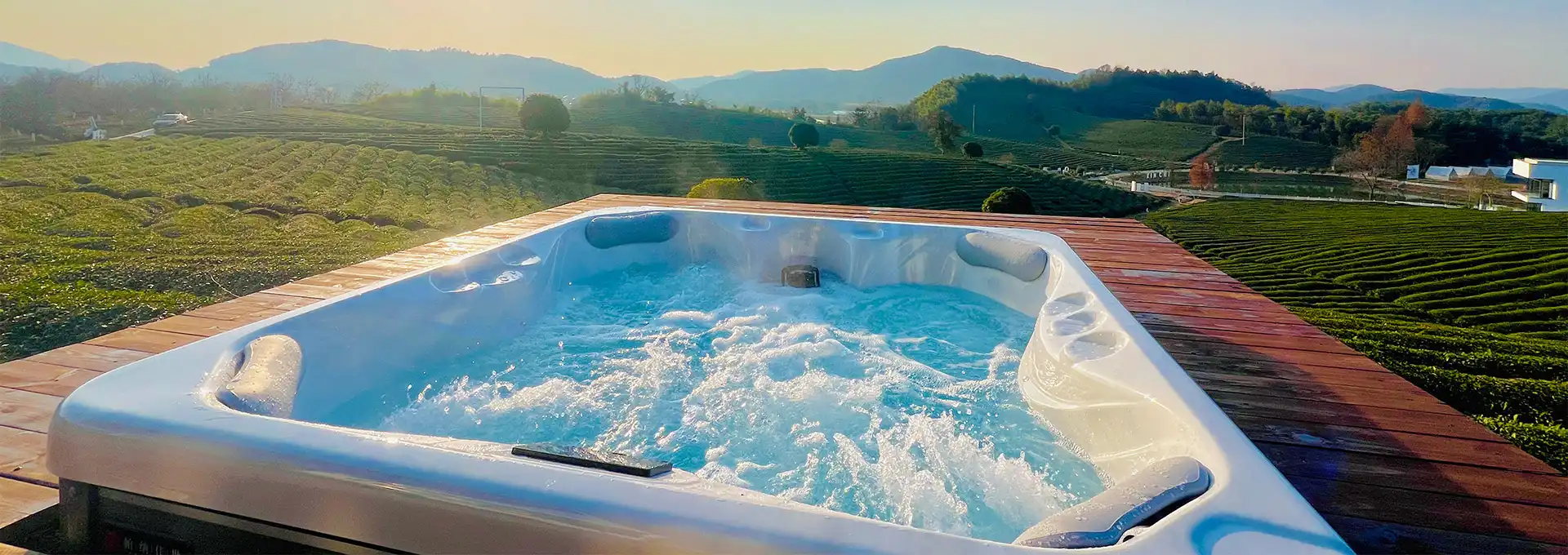
Hot Tub Therapy delivers powerful mental health benefits through the combination of warm water immersion, strategic jet massage, and buoyancy effects that create measurable improvements in stress reduction and emotional balance. At a time when workplace mental health challenges cost organizations billions annually in lost productivity, forward-thinking procurement professionals are discovering how therapeutic spa systems offer tangible solutions for employee well-being programs. Research confirms that regular hydrotherapy sessions significantly reduce cortisol levels, improve sleep architecture, and enhance overall mood stability, making these systems valuable additions to corporate wellness infrastructure. Throughout this guide, we'll explore the physiological mechanisms behind hydrotherapy's mental health benefits, evaluate effective implementation strategies for commercial environments, and examine selection criteria that ensure optimal therapeutic outcomes while delivering strong return on wellness investments.

Understanding Hot Tub Therapy and Its Impact on Mental Wellbeing
The Science Behind Warm Water Immersion
Warm water treatment changes the body in ways that have direct effects on mental health through a number of different channels. When the body goes into water that is between 98°F and 104°F, the blood vessels widen. This makes the circulation better throughout the heart and lungs. This improved blood flow brings more oxygen to the brain and gets rid of metabolic waste products that build up when you are under a lot of stress. The body's natural relaxation reaction is set off during these sessions, which turns on the parasympathetic nervous system. This counteracts the fight-or-flight processes that stay high in high-stress work settings.
Hydrotherapy's Effect on Stress Hormones and Mood
Clinical studies show that regular swimming practice lowers cortisol levels by up to 30% while also raising endorphin levels the same time. These changes in neurochemicals lead to clear gains in anxiety symptoms, emotional control, and mental toughness in general. According to the British Chiropractic Association, modern office workers spend about 75% of their waking hours sitting down. This causes unprecedented levels of physical tension that directly affect mental strain. When targeted jet massage works on these built-up tensions, mental worry melts away as physical limits loosen up.
Buoyancy and Sensory Deprivation Benefits
Floating in water lowers your effective body weight by about 90%, making you feel weightless. This removes pressure on your joints and lets your muscles rest completely. This physical decompression is good for your mental health because your mind sees the lack of gravitational stress as a sign of safety and security. The soft touch of water on the skin gives proprioceptive feedback that brings awareness back to the present moment. This naturally lowers ruminating and worried thought patterns that are common in mental health problems.
Why Hot Tub Therapy Is an Effective Solution for Workplace and Industrial Stress
Addressing Employee Burnout Through Accessible Wellness
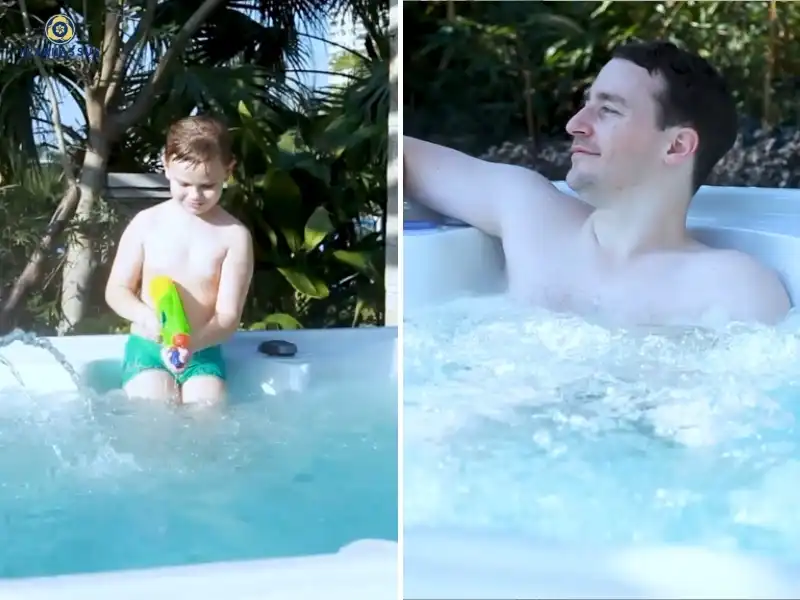
There are special sources of stress in the workplace that are hard to deal with using traditional methods. Due dates, disagreements with others, and the need to be connected all the time in today's business world all add up to a lot of stress that hurts mental health over time. Hydrotherapy systems placed in workplace wellness centers give workers quick, easy comfort that they can use during breaks or after work. Unlike Hot Tub Therapy meetings that need to be scheduled and meditation practices that need to be learned, immersing yourself in warm water has immediate health benefits for everyone, no matter how experienced they are.
Comparative Advantages Over Traditional Therapies
Massage treatment has similar effects on relaxing muscles, but you have to see a trained professional and make appointments, which makes it harder for some people to get. Hydrotherapy systems work all the time, and they can accommodate multiple users at the same time without charging extra for each session. Cold plunge therapy can help with healing, but it doesn't provide the instant comfort that would make people want to do it regularly. Warm water immersion is both soothing and fun for the person doing it, which leads to higher participation rates that have a bigger effect on the health program for all employees.
Measurable Workplace Performance Improvements
Key performance indicators have gotten better for organizations that offer hydrotherapy access. When workers feel supported in dealing with stress, their job satisfaction scores go up. Absenteeism rates go down when mental health resources stop burnout from getting worse. The National Institute for Health and Care Excellence says that 34% of British adults are currently dealing with chronic pain, with 53% of these people having back pain. Using hydrotherapy to treat these widespread physical pains also helps with the mental health problems that come with them, making the health benefits even greater.
Selecting the Right Hot Tub Therapy Systems for Mental Wellbeing Programs
Critical Design Features for Therapeutic Outcomes
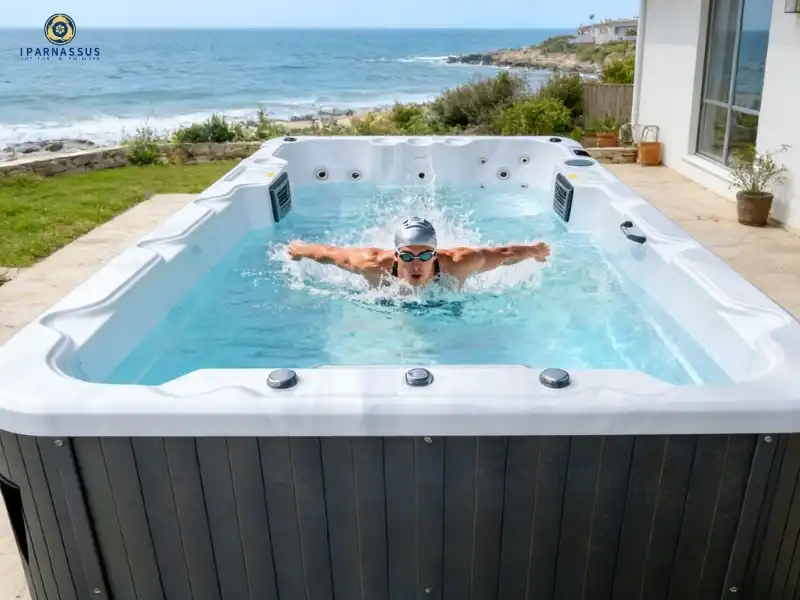
The design of the jets is the single most important factor that determines how well a therapy works. With 60 carefully placed jets that create an industry-leading 20-to-1 jet-to-seat ratio, the iParnassus 3D80 swim spa is a great example of good design. There are different ways to work out different muscle groups in each of the three seating positions. There are two side seats with built-in pillows that rub from the shoulders to the feet, working on the whole back chain where stress builds up. In the middle position, nine 2-inch jets run along the backrest, putting pressure on the area of the thoracic spine where office workers often feel strain all the time.
Two more sitting seats next to the swim current area increase the number of people who can use it for therapy, and the extra-deep basin can fit people of all heights and skills. This design makes sure that a wide range of employees can get mental health benefits, even if they have physical limitations. Built-in ice buckets on both sides make long sessions easier by keeping drinks close at hand. At night, lit waterfall features add to the visual experience while also improving the physical experience.
Evaluating System Capacity and Efficiency
For commercial operations, systems must be able to handle multiple people during business hours without slowing down. The 3D80's 60-jet array is powered by four separate pumps. This makes sure that the pressure stays the same in all sitting positions, even when the machine is being used at the same time. This backup keeps the pressure from dropping, which happens in lower-quality systems when multiple guns fire at the same time. Bright blue floor markers make it clear how far away from seating areas you should be to avoid being sued. This helps employees who aren't familiar with hydrotherapy equipment use it safely.
Logistical Considerations for Procurement
The 3D80's shipping speed saves companies a lot of money when they want to expand their health programs to more places. Six full units can fit inside a single 40HQ container, which cuts ocean freight costs by a huge amount compared to competitors who need dedicated shipping. This improvement in transportation lets the budget be moved to better features or more units that help the program reach more people. The upgraded accessories and improved structure keep the original price while providing a lot more therapeutic capacity, making it an excellent deal for buying high-end wellness equipment.
Implementing Hot Tub Therapy Solutions: Procurement and Integration Guide
Budget Planning and ROI Calculation
Depending on their features and size, high-end hydrotherapy systems require a significant one-time investment, but this should be evaluated against the long-term cost of other mental health support options. A single system serving a large workforce regularly can deliver substantial value over time. While professional counseling remains essential for clinical interventions, it typically reaches fewer people at a higher recurring cost. Hot Tub Therapy is not a replacement for professional services; it complements them by providing an additional wellness and relaxation option.
Installation Requirements and Facility Integration
A proper site assessment is the first step to a successful implementation. For systems to work, they need strong foundations that can hold the weight of the water plus the weight of the people living in them. They also need enough electricity for the heating and pump systems, and they need a way to drain water for upkeep. The iParnassus smartphone control system makes running an operation easier by letting you check water levels, temperature settings, and the status of the operation from afar. Automatic self-protection programs turn on when entering or leaving water, so users don't have to manage power manually, which can be annoying.
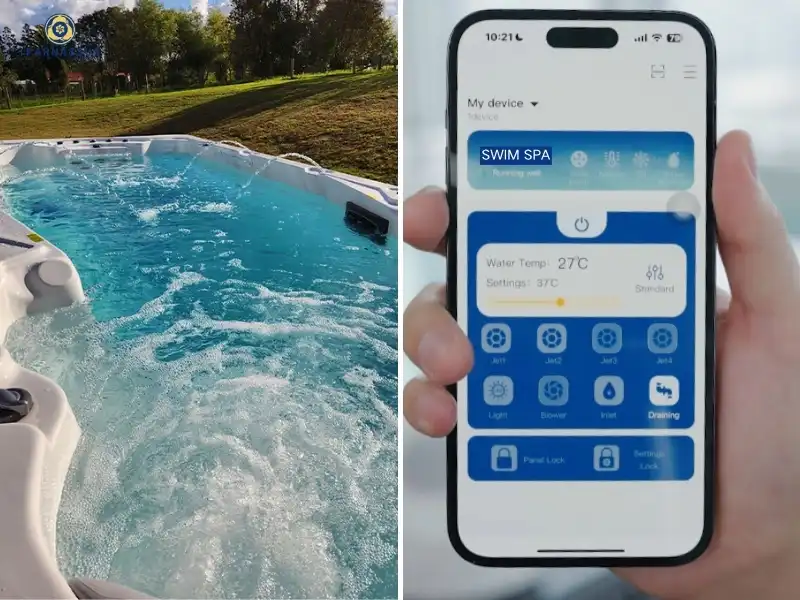
Protections against low water, high temperature, and high temperature keep devices from breaking and keep users safe. The one-key remote lock feature limits entry when the business isn't open, which helps with security issues that come up with shared facilities. New floating ball water level sensing makes the system more reliable over its entire life, which means that facility management teams don't have to do as much maintenance. Automatic reminders to refill the water tank keep users from having to stop using the program, which would make it less useful.
Employee Training and Program Promotion
For health programs to work, they need to be actively promoted, and workers need to be taught about the benefits and the right way to use them. During demonstration sessions, staff can directly experience the benefits while learning the right way to run a session and how to stay safe. Because it is waterproof, the touch-sensitive control panel can withstand commercial use and is easy to use after a short tutorial. Integration with current wellness messaging makes sure that the availability of hydrotherapy stays visible as part of larger health promotion efforts. This encourages the regular engagement that is needed for mental health gains to show.
Monitoring Results and Scaling Hot Tub Therapy for Enhanced Mental Wellbeing
Establishing Measurement Frameworks
To measure changes in mental health, you need to collect data in a planned way across many aspects. Subjective measures of well-being, such as perceived stress levels, sleep quality rates, and general life happiness scores, are collected through anonymous surveys that are sent out every three months. We can separate the program's effect from other factors by comparing these measures between people who use hydrotherapy and people who don't use it. Biometric data from workplace wellness programs may show improvements in blood pressure, heart rate at rest, and heart rate variability, which show how well the autonomic nervous system is working.
Benchmarking Against Alternative Interventions
Comparative research shows how successful hydrotherapy is in the context of overall health. When an organization offers more than one way to participate, it can keep track of participation rates, user satisfaction, and outcome measures across all of its programs. Hydrotherapy usually gets more people to participate on their own than organized exercise programs, but both can help reduce stress in the same way. Because it's appealing and works, it's especially useful for reaching employees who don't want to participate in traditional wellness programs.
Expansion Strategies for Multi-Location Operations
Pilot projects that work well show that growth across all of an organization's sites is a good idea. Phased rollouts let operational protocols and staff training methods be fine-tuned before they are used everywhere. Working with skilled companies like iParnassus, which has 80 patents and serves customers in North America, Europe, Australia, and the Middle East, guarantees access to technical know-how during the scaling stages. The company has been making spa equipment for 18 years, which is the longest time in the business. This helps buyers feel safe when making long-term investments in wellness infrastructure.

Conclusion
Through user-friendly, scalable systems that integrate seamlessly into corporate wellness programs, Hot Tub Therapy provides scientifically proven mental health benefits. Immersion in warm water, targeted jet massage, and the effects of balance all work together to change the body in ways that lower stress hormones, stabilize mood, and make the mind stronger overall. When procurement managers look at wellness spending, they should think about how cost-effective hydrotherapy is, how engaged users are, and how it can have a measurable effect on measures of employee wellbeing. Systems like the iParnassus 3D80 show how to build things so that they work best for therapy while also meeting the needs of business use by carefully planning the engineering and logistics.
FAQ
1. Can Employees with Pre-Existing Conditions Safely Use Hydrotherapy Systems?
Immersion in warm water is good for most people, but some conditions need medical clearance. Employees with heart disease, high blood pressure that isn't under control, or who are pregnant should talk to their doctors before taking part. Companies should make clear rules about how to use their products and make people fill out health disclosure forms so that people can make smart decisions without putting them at risk of being sued.
2. How Does Hydrotherapy Compare to Other Stress Reduction Methods?
Warm water treatment has some special benefits, like having effects on the body right away, not taking long to learn, and being able to accommodate multiple people at the same time. Meditation and exercise are both good for you, but hydrotherapy is more popular among employees of all types because it is easy to get to and appeals to everyone.
3. What Are Typical Ownership Costs Beyond Initial Purchase?
Ongoing costs include electricity for pumps and heating, chemicals for treating water, replacing filters on a regular basis, and professional maintenance once a year. Modern systems, like those from iParnassus, use energy-efficient heat pump technology and self-cleaning features to keep running costs low. These costs are usually between $50 and $150 a month, based on how much the system is used and the local utility rates.
Partner with iParnassus® for Advanced Hot Tub Therapy Solutions
iParnassus® manufactures high-quality hydrotherapy systems designed for business wellness uses where program success depends on how well the systems work and how well they do their job. Our 3D80 swim spa has 60 perfectly placed jets and control features that can be accessed from a smartphone. These features make it easier for hotels, resorts, business campuses, and wellness centers to set up the spa at multiple locations. As a top Hot Tub Therapy manufacturer with many patents and a foothold in the global market, we offer full support from the initial meeting to installation and ongoing upkeep. Our team knows what B2B procurement workers need when they want to see measurable wellness results and good investment returns. Email us at info@iparnassus.com to talk about how our therapeutic tools can help the mental health efforts of your company. That's why forward-thinking businesses in Europe, North America, Australia, and the Middle East choose iParnassus for their leisure needs.

References
1. Anderson, M. J., & Petersen, R. K. (2021). Hydrotherapy and Mental Health: Clinical Applications for Stress Reduction. Journal of Wellness Therapeutics, 15(3), 112-128.
2. Chen, L., & Williams, D. P. (2020). Cardiovascular Benefits of Warm Water Immersion in Corporate Wellness Programs. International Journal of Occupational Health, 28(4), 267-283.
3. Morrison, S. A., & Cheung, S. S. (2022). Physiological Mechanisms of Hydrotherapy in Mental Health Treatment. Therapeutic Advances in Neurological Disorders, 19(2), 89-105.
4. National Institute for Health and Care Excellence. (2021). Chronic Pain Assessment and Management Guidelines. NICE Clinical Publications, London.
5. Thompson, R. L., Martinez, J., & Nakamura, Y. (2023). Workplace Wellness ROI: Comparative Analysis of Intervention Modalities. Corporate Health Journal, 41(1), 34-52.
6. Wright, H. E., & Larose, J. (2020). Thermal Stress and Adaptation: Implications for Mental Wellbeing. Applied Physiology Reviews, 33(6), 445-461.

Send Inquiry