_1768872582663.webp)
Inground Swim Spa Maintenance: Costs, Tips, and Best Practices
Owning an inground swim spa is one of the most rewarding investments you can make in your outdoor living space. Whether you manage a luxury resort, design custom estates, or plan integrated residential retreats, understanding proper maintenance keeps your unit performing at its best for years. This guide breaks down real costs, practical care tips, and what separates a well-maintained installation from a costly one — so you can protect your investment from day one.
Understanding Inground Swim Spa Maintenance Essentials
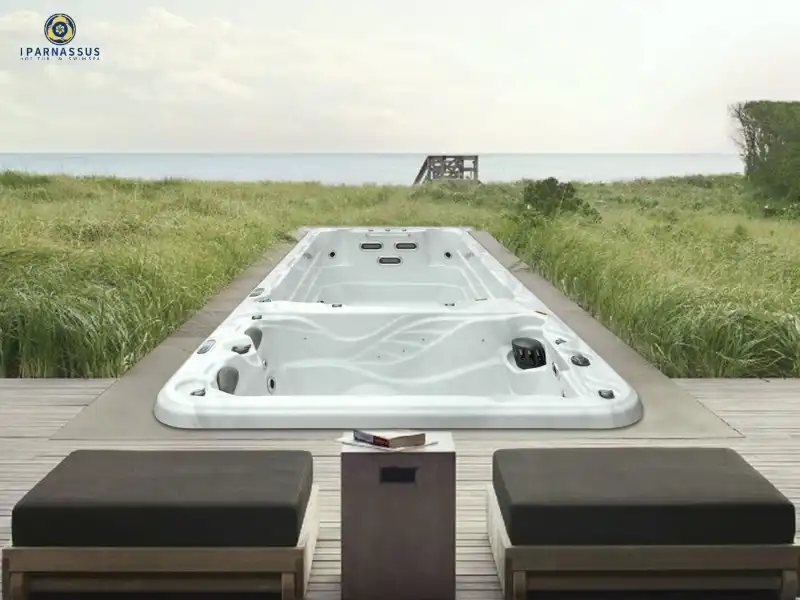
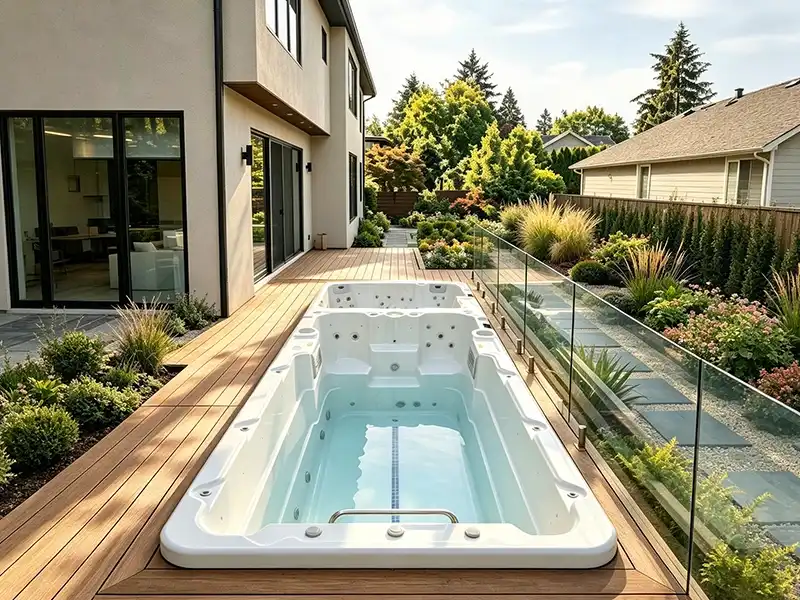
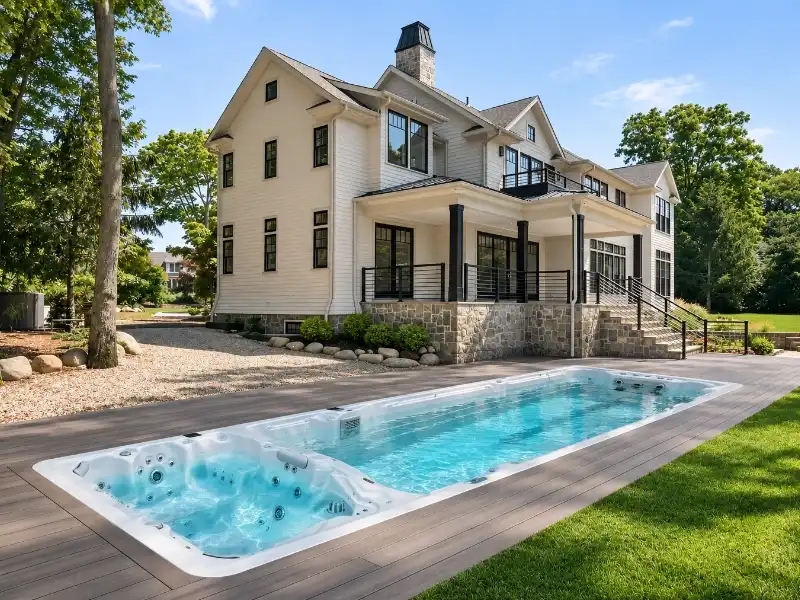
A sunken swim spa fits right into the deck or landscaping around it, giving it a smooth, low-profile look. But because the profile is buried, it needs to be carefully planned for maintenance access during installation.
What Makes Inground Models Different
Inground swim spas are different from above-ground units because they are partly or fully sunken below grade. This changes how electricians can get to water, pumps, and electrical parts. Every routine service visit takes longer and costs more because of poor access design.
Core Maintenance Areas to Monitor
The chemistry of the water, the filtration system, and the structure all need regular attention. Both bathers and equipment are safe when the pH level is balanced between 7.2 and 7.8, the sanitizer concentration is right, and the filter cartridges are clean. The Pool & Hot Tub Alliance says that water chemistry imbalances are the main reason why spa equipment breaks down too soon.
Why Specialized Care Matters
A deep placement creates a controlled space that keeps heat in well, but it also keeps moisture around mechanical parts. Moisture-related wear can be avoided by checking seals, jets, and electrical housing on a regular basis. This is especially important in business settings where the equipment is used a lot.
Breakdown of Inground Swim Spa Maintenance Costs
To make a good budget for a deep swim spa, you need to separate the costs of regular maintenance from the costs of repairs and replacements. If you plan ahead, you can estimate both groups.
Routine Annual Expenses
Chemical treatments once a month usually cost between $50 and $100 for home use and more for business setups with a lot of bathers. Each new filter cell costs $30 to $80, and most units need two to four refills a year. Professional service calls once a year cost an average of $150 to $300 per visit.

Installation and Repair Considerations
For in-ground installations, you need a concrete vault or slab base, which raises the cost of the job at the start. Standard work rates can be doubled when plumbing is buried or when pumps need to be replaced in a job that wasn't planned well. Ten to fifteen percent of your budget should be set aside for repairs that come up out of the blue over a five-year time.
Reducing Long-Term Costs
Choosing a unit that is made with maintenance access built in is a sensible way to lower the costs over its lifetime for an inground swim spa. For example, iParnassus® swim spas have a fully waterproof, movable service access panel, so you don't need any extra room around the unit besides its own size. All of the electrical parts and accessories are neatly stored in this access area, which has ladders built right in. With this design, you won't have to pull out side panels or dig up material around them, which will save you a lot of time and work over the course of the installation.
Proven Maintenance Tips and Best Practices for Longevity
A swim spa that lasts 15–20 years is different from one that needs expensive repairs in just five years if it is maintained regularly. These rules are just as important for business hospitality sites as they are for private estates.
Water Quality Management
When the water is being used a lot, test its chemicals at least twice a week. A pH of 7.4 to 7.6 is ideal, as is a total alkalinity of 80 to 120 ppm, and the right amount of disinfectant for your system should be used. Treat the water with a shock every one to two weeks to get rid of organic matter. A direct drain system, like the one that comes with iParnassus® models, speeds up full water changes, which makes regular fresh-fills easier and takes less time.
Filtration and Heating System Care
Every week, rinse the filter cartridges with a garden hose, and every month, do a deep chemical soak. Every three months, check the pump covers and heating parts. According to guidelines from the U.S. Department of Energy on pool and spa heating, running the unit in a low-power mode overnight, which saves energy, can cut electricity costs by 20 to 30 percent.
Seasonal and Winterization Protocols
If you live in a colder area, winterizing a recessed spa will keep the pipes and jets from freezing and breaking. Use the built-in drain system to empty the whole unit, blow out the lines with compressed air, and seal up all the holes. If you live in a place that is warm all year, have a professional check it out every spring to find any damage before the busy season starts. Wide entry steps on one end of iParnassus® units make it safe for users to get in and out during slippery seasonal changes. The steps can also be used as resting areas during recovery periods.
Comparing Inground Swim Spa Maintenance with Other Options
Procurement teams can make smart long-term choices when they know how recessed swim spas stack up against above-ground models, regular pools, and hot tubs that stand alone.
Inground vs. Above-Ground Swim Spas
Above-ground types are cheaper to install at first, but their big cabinets make it hard to plan the landscape and need four-foot space for upkeep. Despite having a buried profile, recessed systems look better, blend in better with decking and hardscaping, and, if built with single-side entry, make ongoing service easier.
Swim Spas vs. Full-Size Pools
A normal backyard pool can hold between 10,000 and 20,000 gallons of water. A lot of inground swim spa units can hold between 1,500 and 2,500 gallons of water. A smaller amount of water means that chemicals can be changed more quickly, heating costs are lower, and the cost of treating the water is much lower. A swim spa is a great way to enjoy swimming in a small area without spending a lot of money on maintenance.
Warranty and Lifespan Factors
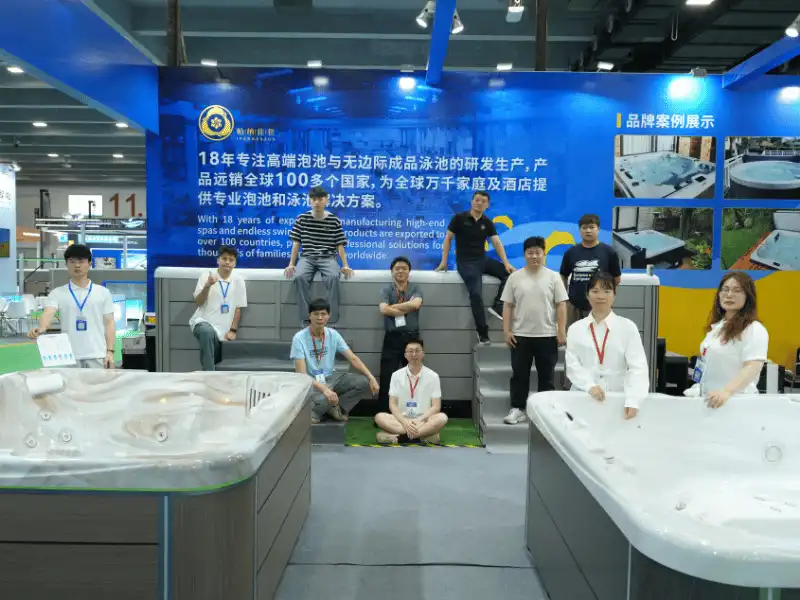
The quality of maintenance has a direct effect on how long the warranty lasts. For long-term warranty claims to be honored, most manufacturers need chemical records and professional service logs that are written down. Brands with more than 80 patents and committed after-sales teams, like iParnassus®, which has 18 years of spa manufacturing experience and 80 patents as of 2026, offer technical support that helps business clients stay in line with warranty terms throughout the lifecycle of the product.
Selecting the Right Partner for Your Inground Swim Spa Project
Choosing the right maker or seller affects not only the goods you get but also the help you get after the sale.
What to Look for in a Supplier
Make sure that your supplier offers documented service after the sale, easy access to spare parts, and technical documentation for installers in your area. A maker who has worked on business projects knows what is needed in high-traffic hospitality settings versus private homes.
iParnassus® Design Advantages Worth Noting
Here are the main ways that iParnassus® swim spa types make it easier to get to and use:
- Waterproof movable service access — All components are accessible from one side, eliminating the need for perimeter clearance and reducing installation footprint.
- Built-in ladders inside the service panel — Technicians access mechanical systems safely without external scaffolding or panel removal.
- Direct drain system — Faster water changes reduce downtime, particularly valuable in commercial settings with scheduled maintenance windows.
- Wide entry steps with dual function — Steps built at one end improve user safety and serve as resting seats, a thoughtful feature for swim training and hydrotherapy programs.
These design choices directly address the most common problems people have with recessed spas, which are hard to get to, waste room when installing, and have complicated draining. These features lower the overall cost of ownership over a number of years, no matter if you are choosing a unit for a small hotel courtyard or a private house terrace.
Customizing Your Maintenance Plan
Talk to your provider about making a repair plan that fits the way you use the product. Commercial setups with a lot of foot traffic need to be checked by a professional once a week. Private domestic units, on the other hand, can usually get by with monthly professional visits and regular owner testing. iParnassus® offers buyers special after-sales support to help them make the best use of these plans.
Conclusion
Proper maintenance of a recessed swim spa protects your investment, preserves water quality, and keeps mechanical systems running efficiently across seasons. The key is combining a disciplined daily and weekly care routine with periodic professional servicing and a product designed to make that work straightforward. When the unit itself includes single-side access, an integrated drain, and durable component housing, maintenance stops being a burden and becomes a manageable part of operations. Choosing the right inground swim spa from the start — and the right supplier behind it — makes every subsequent year easier.
Frequently Asked Questions
1. How often should a recessed swim spa be professionally serviced?
For commercial properties, schedule professional servicing every four to six weeks. Residential installations typically require a professional visit every three months, supplemented by weekly owner-managed water testing and filter checks.
2. What causes most maintenance problems in in-ground installations?
The most common issues are water chemistry imbalances, clogged filter cartridges, and moisture infiltration around electrical components. Units with enclosed, waterproof service access panels significantly reduce the risk of moisture-related electrical damage.
3. Can energy-efficient heating reduce operating costs?
Yes. Running the heating system on a programmed schedule — lower temperatures during off-peak hours — reduces energy consumption noticeably. The U.S. Department of Energy recommends setting spa heaters to the lowest comfortable temperature and using an insulated cover between uses.
4. Does the single-side access design really simplify maintenance?
Practically speaking, yes. Standard inground installations require clearance on multiple sides, which adds labor time and sometimes requires partial decking removal. A single-side access design, as seen in iParnassus® models, concentrates all service points in one location, cutting average service time per visit.
Start Your Project with iParnassus® — Trusted Inground Swim Spa Manufacturer
Professional maintenance should be done on business buildings every four to six weeks. A professional should usually come to a home installation with an inground swim spa every three months, and the owner should also test the water and check the filters once a week. You can email your specs to info@iparnassus.com.

References
1. Pool & Hot Tub Alliance. 2022 Industry Standards for Spa Water Chemistry and Maintenance. Pool & Hot Tub Alliance, 2022.
2. U.S. Department of Energy. Energy-Efficient Swimming Pools and Spas: Guidelines for Owners and Operators. U.S. Department of Energy, 2021.
3. Kowalsky, L., & Baughman, T. Pool/Spa Operators Handbook. National Swimming Pool Foundation, 2020.
4. American National Standards Institute (ANSI). ANSI/APSP/ICC-14: American National Standard for Portable Electric Spa Energy Efficiency. ANSI, 2019.
5. World Aquatic Health Conference. Commercial Aquatic Facility Maintenance and Water Quality Best Practices Report. WAHC, 2023.
6. International Association of Plumbing and Mechanical Officials (IAPMO). Uniform Swimming Pool, Spa and Hot Tub Code. IAPMO, 2021.

Send Inquiry