Inground Swim Spa vs Above Ground: Which Suits Alpine Resort Decks?
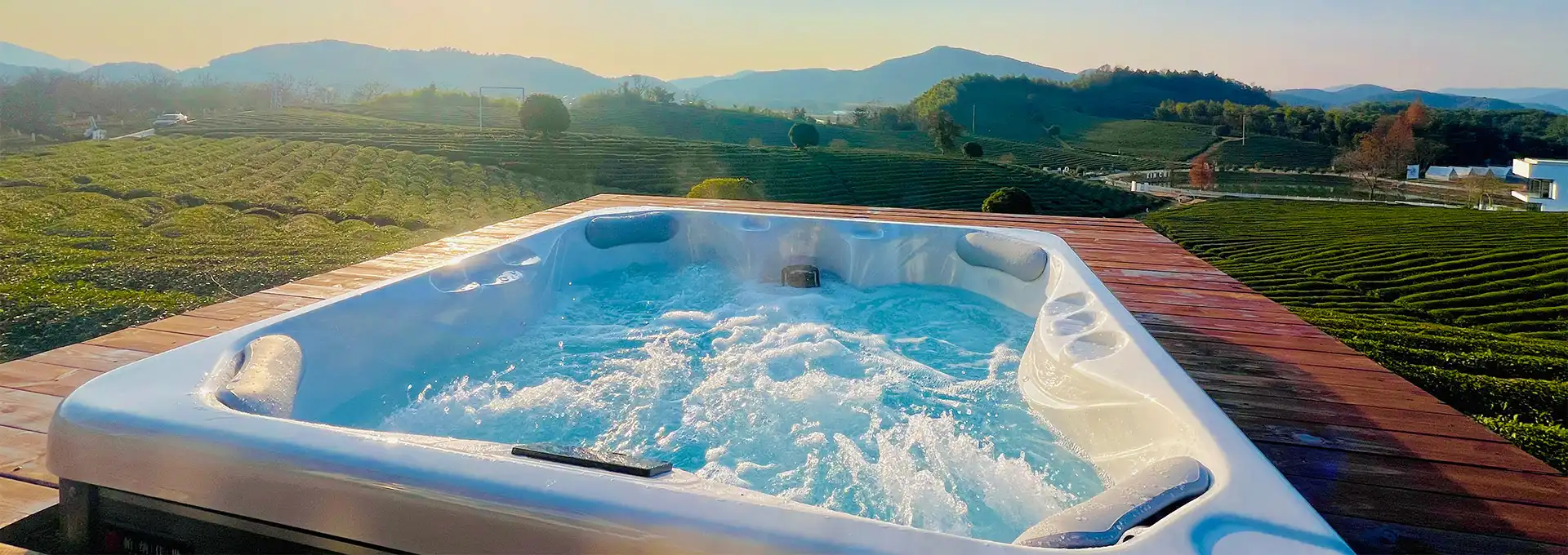
When an alpine resort plans a new water amenity, the first question is rarely about jets or lighting. It is about fit: how the unit will sit on the deck, how guests will move around it, and how maintenance teams will reach it when snow is falling. This is where the inground swim spa earns its place. Unlike an above-ground unit that rises above the deck like a large appliance, the inground swim spa can be integrated into the terrace, preserving mountain views and creating a calm, architectural presence. The best models also solve practical problems that above-ground units often create, including space for service access, drainage efficiency, and safe entry. For resort buyers comparing options, the inground swim spa is not simply a prettier choice; it is a more thoughtful one.
Why Alpine Resort Decks Favor the Inground Swim Spa
A Cleaner Sightline for Mountain Terraces
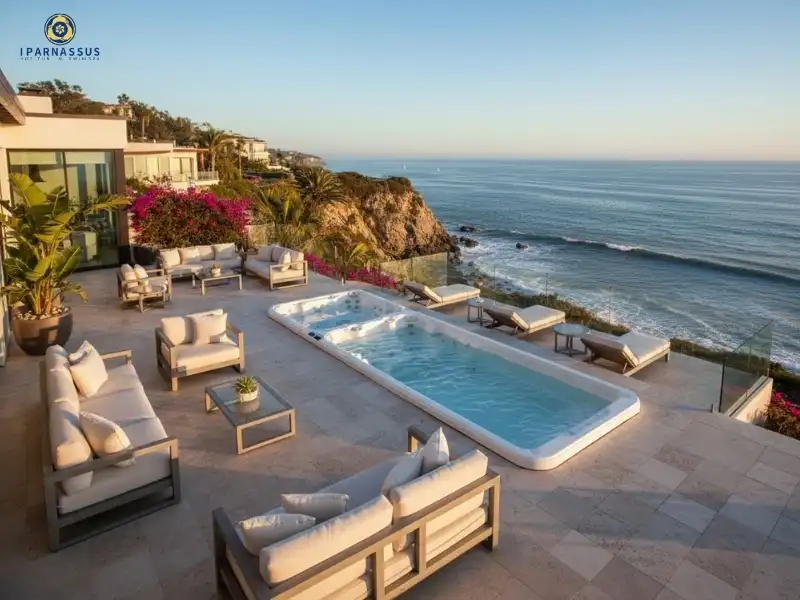
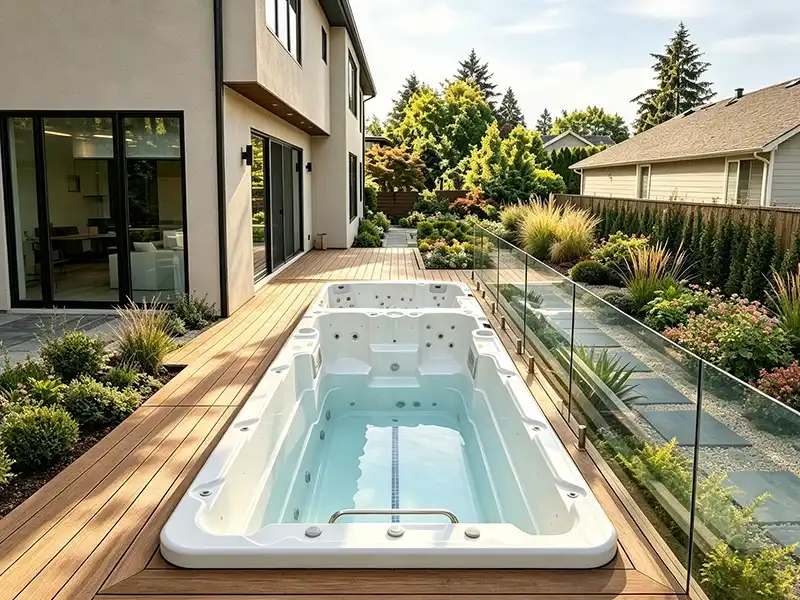
Alpine architecture is built around the view. Terraces are positioned to frame peaks, forests, and changing light, so any new amenity must respect that composition. An in-ground swim spa sits flush with or close to deck level, allowing the water to read as part of the landscape rather than a bulky object placed on top of it. For a property like JK7 Spa & Wellness – Private Luxury Retreat, set on a 34-hectare private estate in the Carinthian Alps, that visual calm matters. Guests expect privacy, personalized care, and a quiet environment designed for rest and recovery. An in-ground swim spa supports that mood because it hides mechanical bulk below the deck and keeps the horizon clean. The result is a deck that feels intentional, premium, and suited to the retreat’s philosophy.
The Space-Saving Brilliance of Movable Service Access
Space is precious on alpine decks, where snow guards, planting, and circulation routes already compete for room. The in-ground swim spa addresses this with a fully waterproof movable service access, so no extra maintenance space is required outside the unit. This helps save installation room, because the property only needs to reserve space matching the product dimensions. All electrical components and accessories are neatly arranged inside the service access, which is equipped with built-in ladders. That eliminates the hassle of removing side panels for maintenance and solves the problem caused by limited space when the unit is installed against walls. For an inground swim spa on a tight mountain terrace, this design enables quick, easy, and efficient routine maintenance and repairs without compromising the deck layout or guest areas.
Wide Steps That Double as Resting Seats
Entry and exit are often overlooked in swim spa planning, yet they shape how confident guests feel in the water. The in-ground swim spa includes wide steps built at one end, which enhance safety and can also be used as resting seats. For older guests, families with children, or anyone recovering from a hike, those steps provide a stable transition between deck and water. They also create a natural social edge where guests can sit, chat, and watch the mountain view without fully submerging. This is an ideal choice for swimming enthusiasts, but the design also serves relaxed users who want comfort more than laps. On an alpine resort deck, the inground swim spa becomes more than a training pool; it becomes a flexible gathering point that works for different ages and energy levels.
| Inground Swim Spa Design Detail | Alpine Deck Advantage |
|---|---|
| Fully waterproof movable service access | No extra maintenance space outside the unit; saves installation room |
| Electrical components and built-in ladders inside access | Eliminates removing side panels; supports maintenance against walls |
| Direct drain system | Faster, more efficient water draining between guest groups |
| Wide steps at one end | Enhances safety and doubles as resting seats |
| Dimensions-matched installation footprint | Preserves terrace space and sightlines |
Inground Swim Spa vs Above Ground: Installation and Maintenance Realities
Deck Integration and Structural Planning
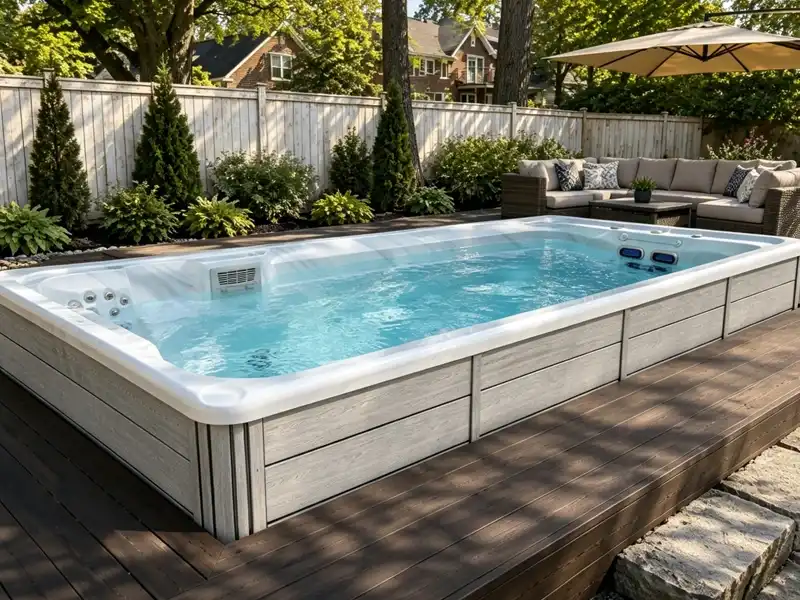
The difference between the two options becomes obvious at the planning stage. An above-ground unit may be quicker to place, but it often requires screening, reinforced surround, or additional landscaping to look deliberate on a premium terrace. The inground swim spa is planned into the deck from the start, which allows architects to align it with stone, timber, and glass surfaces while keeping circulation routes clear. This matters for alpine resorts that host weddings, corporate events, or private celebrations and need outdoor spaces to look composed from every angle. The in-ground swim spa also supports better drainage planning and cleaner equipment placement. For buyers, the trade-off is not simply cost; it is how much design work is needed to make the unit feel native to the property.
Maintenance Access Without Wasting Deck Space
Above-ground units usually require clearance around the cabinet for service access. On a compact alpine deck, that clearance can consume space that could otherwise serve guests. The inground swim spa approaches maintenance differently. Its fully waterproof, movable service access and internal electrical layout reduce the need for exterior working room, which is especially useful when the unit is installed against a wall or close to a building. Staff can reach components, ladders, and connections without dismantling the surrounding deck or removing panels. The inground swim spa therefore protects the guest-facing area while keeping service practical. For resort managers who must balance visual quality with operational reality, this is a meaningful advantage, particularly when snow, frost, or limited access paths make outdoor maintenance more complicated.
Direct Drainage and Faster Between-Guest Turnover
Water management is a quiet test of any commercial water amenity. The in-ground swim spa is fitted with a direct drain system for faster and more efficient water draining, which simplifies cleaning and preparation between guest groups. In a retreat that runs small wellness programs and exclusive-use stays, turnover windows can be tight, and staff needs predictable routines. A direct drain system reduces waiting time and supports more controlled water changes. Above-ground units can also be drained, of course, but the inground swim spa’s integrated design often makes the process cleaner and less disruptive to the surrounding deck. For properties that want the amenity ready without drawing attention to maintenance work, the inground swim spa offers a more polished operational flow.
| Comparison Point | Inground Swim Spa | Above Ground Unit |
|---|---|---|
| Deck appearance | Integrated, flush, architectural | Raised cabinet, often needs screening |
| Service access | Movable waterproof access with internal components | Clearance around cabinet commonly required |
| Drainage | Direct drain system for faster draining | Drainage route depends on installation |
| Space efficiency | Footprint matched to product dimensions | Extra working space may be needed |
| Guest perception | Permanent, premium wellness feature | Can read as an added appliance |
Guest Experience: Where the Inground Swim Spa Pulls Ahead
Swimming, Training, and Family Time
An inground swim spa can serve more than one guest profile without redesigning the deck. Strong swimmers appreciate the stable, integrated basin and the wide steps that make entry predictable. Families appreciate those same steps as resting seats, and the deck-level design makes supervision easier because guests are not climbing up and down a tall cabinet. At a private alpine retreat, the inground swim spa can shift from an early-morning training session to an afternoon family soak without feeling out of place. It also supports rehabilitation and gentle movement, which matters for guests recovering from outdoor activity. The in-ground swim spa therefore earns its space by being adaptable, not by being the largest water feature on the property.
Wellness Programming in a JK7-Style Retreat
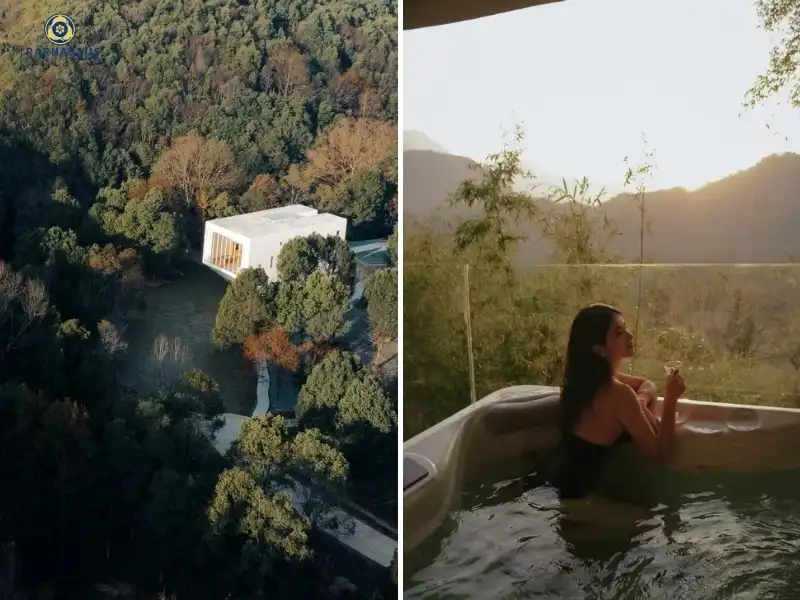
Wellness retreats design experiences around calm, privacy, and individualized care. JK7 Spa & Wellness – Private Luxury Retreat in Griffen, Carinthia, Austria, reflects that approach: a secluded estate, a limited number of guests, attentive but unobtrusive service, and activities such as yoga, guided nature walks, and horseback riding. An inground swim spa fits this environment because it supports recovery without creating a busy pool scene. Guests can move gently in warm water after a walk, use the wide steps as a resting place, and return to their program feeling restored. The in-ground swim spa becomes part of the retreat’s rhythm rather than a separate attraction. For operators choosing a hot tub manufacturer with CE certification, that alignment is valuable because it reinforces the property’s story instead of competing with it.
Smart Controls That Keep Alpine Operations Calm
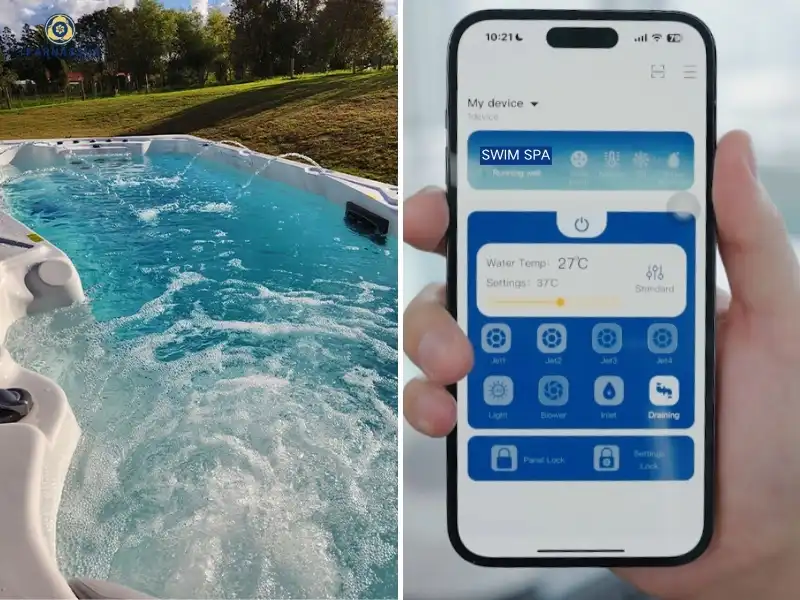
Behind the guest experience sits a control system that must work quietly and reliably. The in-ground swim spa can be supported by smartphone control for starting and monitoring with a single key, real-time water-level and operational-status checks, remote water intake and discharge, and swift water drying. A self-protection program engages automatically when guests enter or exit the water, so staff do not need to manually turn off the power source. Water shortage, high-temperature, and low-temperature protection add safety, while one-key remote lock and unlock keep settings secure. Upgraded internal floating ball water-level sensing improves reliability, stability, and safety, and an intelligent water reminder simplifies replenishment. A touch-sensitive panel with excellent waterproof ability and an automatic power supply port for the heat pump round out the system. For an inground swim spa in a remote alpine setting, these features make daily oversight far more manageable.
Specifying an Inground Swim Spa for Alpine Hospitality
Working With a Hot Tub Manufacturer With CE Certification
Supplier choice shapes long-term performance. A hot tub manufacturer with CE certification can support European hospitality buyers with documentation, product consistency, and clearer compliance conversations. This matters when the in-ground swim spa will sit on a commercial deck and must meet local expectations for safety and documentation. The manufacturer focuses on hot tubs, swim spas, and cold plunges, with a professional team covering design, D&R, production, sales, and after-sales service. By 2026, it expects to hold 80 patents, and its operations span Europe, Australia, the Middle East, North America, and beyond. For buyers, choosing a hot tub manufacturer with CE certification is not a box-ticking exercise; it is a way to reduce project risk and protect the inground swim spa investment.
Electrical Planning, Drainage, and Energy Efficiency
An inground swim spa is only as good as the services behind it. Electrical planning should confirm how the movable service access will be positioned, how the heat pump will connect, and how the direct drain system will route water away from the deck. The automatic power supply port for the heat pump helps efficiently power and control the heat pump for energy savings, which is valuable in cold-climate operations. Drainage planning should ensure that faster water draining does not create pooling or freeze risks on an alpine terrace. Buyers should also confirm that built-in ladders and internal component layout remain reachable after the deck is finished. A well-planned inground swim spa installation considers service, drainage, and energy together, not as separate afterthoughts.
Long-Term Service and After-Sales Confidence
The final decision is often about service continuity. An inground swim spa is a permanent feature, so support must remain available after installation. The manufacturer’s 18 years of spa industry experience and its professional team covering design, production, sales, and after-sales service provide a foundation for long-term confidence. Its operations span Europe, Australia, the Middle East, North America, and beyond, supporting a deeply romantic promise: to remain by your side for the long term. For alpine resorts, that promise matters because the inground swim spa will face cold seasons, heavy use, and changing staff. Clear documentation, accessible components, and reliable support help the property protect the asset. When the inground swim spa is backed by a capable partner, the deck becomes a lasting guest amenity rather than a maintenance headache.
Conclusion
Choosing between an inground swim spa and an above-ground unit is really a question about how the deck should feel and function. For alpine resorts, the inground swim spa offers a cleaner sightline, smarter service access, faster drainage, and safer entry through wide steps that double as resting seats. It supports swimming, family time, and quiet wellness programming without dominating the terrace. Above-ground units can work in some settings, but they often demand extra screening, clearance, and compromises. With a hot tub manufacturer with CE certification and a thoughtful installation plan, the inground swim spa becomes the more coherent choice for premium mountain hospitality.
Frequently Asked Questions
1. Why choose an inground swim spa for an alpine resort deck?
It integrates into the terrace, preserves views, and reduces the need for extra service clearance.
2. Does an inground swim spa require extra maintenance space?
No. It's fully waterproof; movable service access reduces exterior working room requirements.
3. How does drainage work between guest groups?
A direct drain system supports faster and more efficient water draining.
4. Are the steps safe for older guests and children?
Yes. Wide steps at one end enhance safety and can be used as resting seats.
Plan Your Inground Swim Spa With Confidence
Ready to compare an inground swim spa with an above-ground unit for your alpine resort deck? Share your terrace layout, guest profile, and target installation date, and we will help you evaluate service access, drainage, wide-step safety, and smart control options. With 18 years of spa industry experience, 80 patents expected by 2026, and operations across Europe, Australia, the Middle East, North America, and beyond, we support design, production, sales, and after-sales service. Email info@iparnassus.com to request product guidance, a tailored project quotation, or a commercial consultation. Let’s create an inground swim spa that fits your mountain setting beautifully and performs reliably season after season.
References
1. World Health Organization. Guidelines for Safe Recreational Water Environments, Volume 2: Swimming Pools and Similar Environments. Geneva: WHO, 2006.
2. Health and Safety Executive (UK). HSG282: Control of Legionella and Other Infectious Agents in Spa-Pool Systems. 2017.
3. ANSI/APSP/ICC-11. American National Standard for Water Quality in Public Pools and Spas. 2019.
4. Centers for Disease Control and Prevention. Legionella and Hot Tubs: Fact Sheet. 2021.
5. Pool & Hot Tub Alliance. The Official Pool & Spa Operator Handbook. Latest edition.
6. Global Wellness Institute. Global Wellness Economy Monitor 2023.

Send Inquiry