_1768872582663.webp)
Is Hot Tub Therapy Effective for Back Pain?
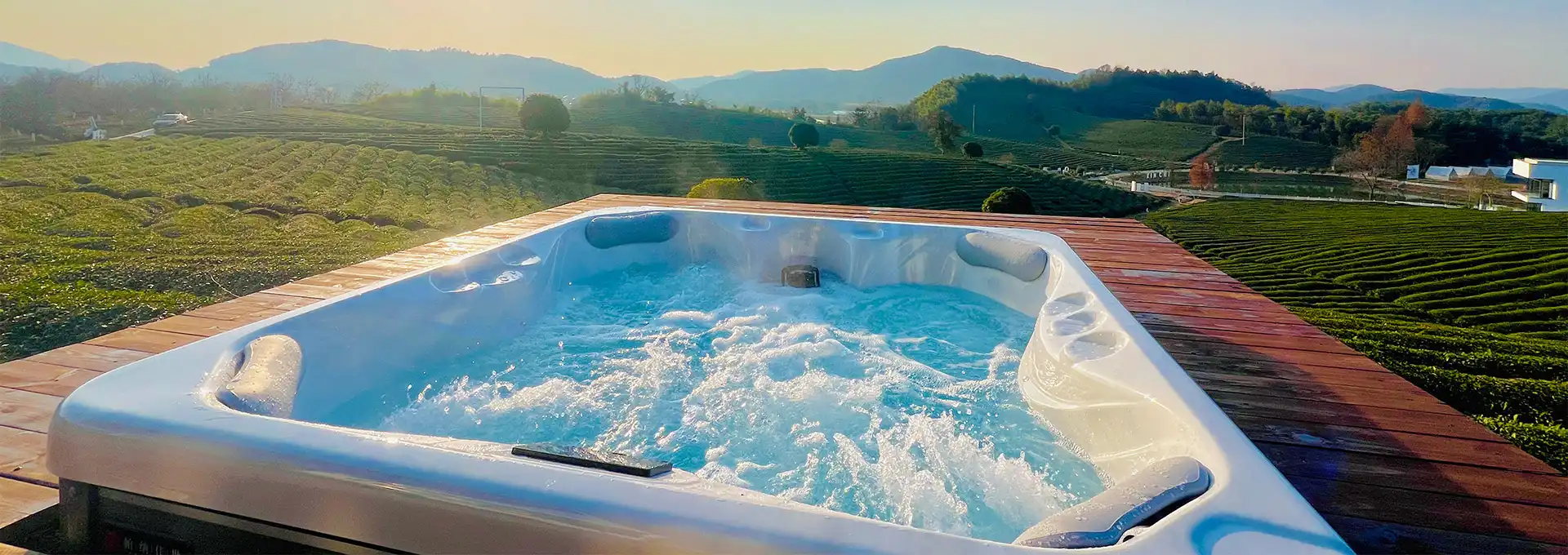
Hot tub therapy is one of the most accessible and evidence-supported approaches to managing back pain. Warm water immersion reduces body weight by approximately 90%, relieving spinal pressure while promoting muscle relaxation. The combination of heat, buoyancy, and targeted jet massage addresses the root causes of back discomfort—muscle tension, poor circulation, and joint compression. For wellness operators, hoteliers, and physical therapy practitioners sourcing therapeutic equipment, understanding how hydrotherapy works for back pain is the first step toward making a sound investment.
Understanding Back Pain and Its Workplace Impact
About one-third of adults experience back pain every year, making it the most common reason people miss work in many industries. This directly means less work getting done by staff and higher costs for companies in the leisure, rehabilitation, and health industries.
Common Causes in Professional Environments
Using your hands, sitting for long periods of time, and doing the same physical tasks over and over again can all put stress on your lower back. The British Chiropractic Association says that sitting puts up to twice as much pressure on discs as standing, which speeds up spinal degeneration in people who work at a desk.
Limitations of Conventional Treatment
Drugs can help in the short term, but they can also make you dependent on them. Standard physical exercise needs to be scheduled regularly and be supervised by a professional. Both approaches have problems with adherence, especially in big businesses that have to deal with a lot of workers or guests at once.
Why Businesses Are Turning to Hydrotherapy
Warm water therapy works well in office health programs because it is safe, easy to do again and again, and can be scaled up. It doesn't need a prescription, works well in groups, and gives real help without the side effects that come with medication-based control.
The Science Behind Warm Water Therapy for Back Pain
There are three ways that hydrotherapy works: thermal stimulation, hydrostatic pressure, and buoyancy. All of these qualities work together to help with both the physical and mental aspects of back pain.
Thermal and Circulatory Effects
Warm water between 100°F and 104°F opens up blood vessels and brings more blood to soft tissue that is hurt. A review released in 2021 in Evidence-Based Complementary and Alternative Medicine proved that hydrotherapy greatly increases blood flow, which lowers inflammation and speeds up the healing of tissues.

Buoyancy and Spinal Decompression
Being able to float in water lowers your effective body weight by up to 90%, taking the weight of gravity off of your spinal disks and the muscles around them. This decompression lets the spine naturally lengthen, which gets rid of the patterns of compression that cause lower back pain that won't go away.
Jet Massage and Neuromuscular Response
Mechanoreceptors in muscle tissue are stimulated by targeted jet pressure. This stops pain messages from getting to the brain. Peer-reviewed research on hot tub therapy shows that regular jet massage sessions lower the number of muscle spasms, improve range of motion, and lower felt pain scores.
Hot Tub Therapy vs. Other Therapeutic Modalities
Before making a purchasing decision, a significant number of health facilities check the effectiveness of the product in comparison to alternative pain treatment solutions. In professional contexts, each mode is used in a variety of distinct directions.
Listed below is a comprehensive summary of the many ways in which hot tub treatment differs from other available options:
- Dry heat is used in sauna treatment to stimulate circulation and mild detoxification; however, it does not have the hydrostatic pressure component that directly decompresses spinal structures and massages soft tissue.
- Cold plunge baths are useful for reducing acute inflammation and facilitating recovery after exercise; however, they do not provide the persistent muscle relaxation that is necessary for the therapy of chronic back pain.
- The traditional method of massage treatment has comparable neuromuscular advantages; however, it necessitates the use of licensed practitioners, requires repeated visits, and has higher per-session expenses, which restricts its scalability for commercial activities.
By combining the health advantages of being in a sauna with the benefits of massage pressure, hot tub therapy is a promising treatment option. This makes it a more feasible option for long-term, self-directed therapeutic use in both home and office settings. It may be used without supervision.
Choosing the Right Therapeutic Swim Spa: The iParnassus® 3D80
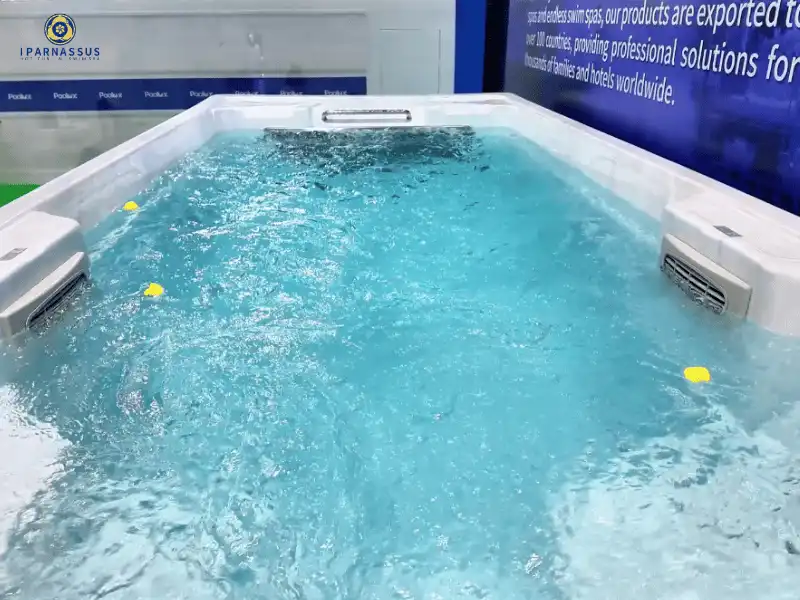
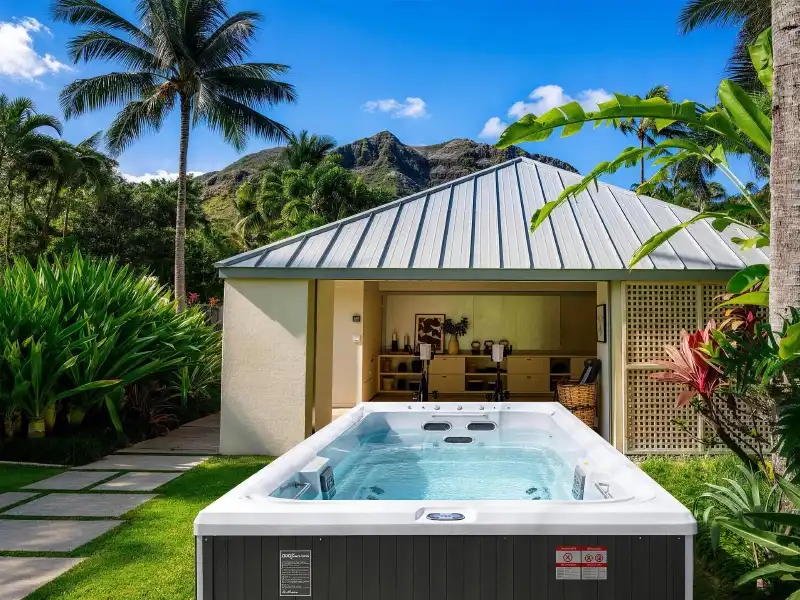
When purchasing, professionals and wellness managers look for therapy-grade tools; the long-term clinical and commercial value is based on the product specs. The iParnassus® 3D80 is a single-zone swim spa that was made with healing function in mind.
60 Jets Across 3 Dedicated Seats
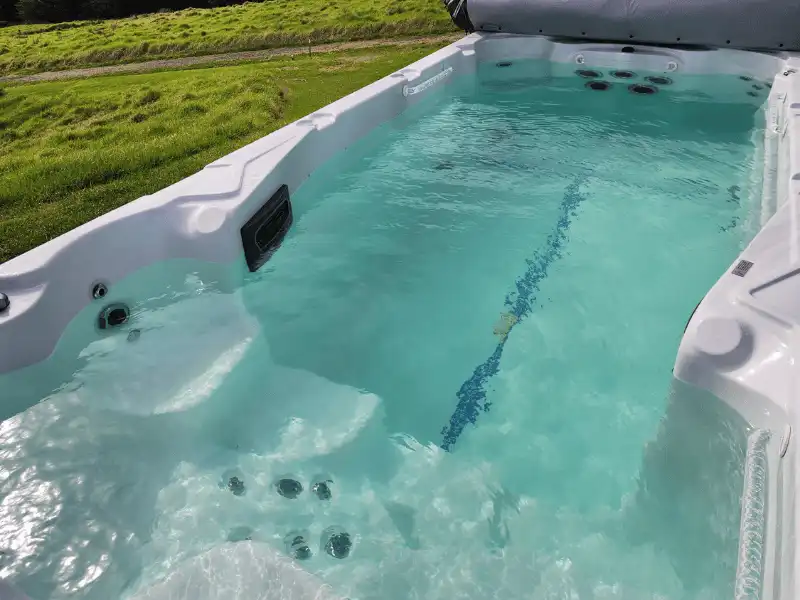
The 3D80 has 60 massage jets spread out over three seats, giving each seat 20 jets, which is the best amount in its line. The two side seats have built-in pillows that cover the whole body from the shoulders to the feet. The backrest of the middle seat has nine 2-inch jets that directly target the lower back. This arrangement fixes the most common problem that hydrotherapy users have, which is that the jets aren't strong enough to really help with back pain.
Dual-Function Layout for Commercial Versatility
The 3D80 has a 2+1 setup, which means that it has two massage seats and one swim current zone. This means that different people with different needs can use the spa at the same time. A resort guest taking a hot tub therapy soak and an exercise user swimming against the current can use the room together without any problems. Next to the swimming area are two sitting seats with extra jets. The extra-deep basin is big enough for people of all ages to use easily.
Design and Safety Features Built for Real Use
The 3D80 has built-in ice buckets on both sides, a lit waterfall for beauty at night, and bright blue floor marker lines that make it easy to see how far apart the seats are for safety. iParnassus® also has self-defense programs, real-time water monitoring, smartphone control, and automatic reminders to refill the water tank. All of these features are controlled by a waterproof, touch-sensitive control panel. Commercial operators find it easier to keep an eye on multiple units when hotel central management is compatible. Up to six units can fit into a single 40HQ container, which makes ocean freight much cheaper for buyers from other countries.
These specs fill in the specific gaps that wellness centers often have when they try to buy things: not enough jet coverage, bad safety design, and high shipping costs.
Implementation Tips for Therapeutic Settings
Installing exercise tools is not enough to make it work well. Users and managers are both safe when rules are always the same.
Session Scheduling and Duration
According to research, each use should last between 15 and 30 minutes. Staying in water above 100°F for more than 30 minutes raises the risk of dehydration. According to clinical hydrotherapy studies, pain scores improve after four weeks of scheduling two to three lessons a week.
Hygiene Management and Water Safety
Commercial operators must follow strict rules for water quality, such as keeping the pH level between 7.2 and 7.8, testing the sanitizer regularly, and keeping the filters in good shape according to the manufacturer's instructions. iParnassus® systems have water quality control and automatic self-cleaning features that make this process easier for building managers.
User Education and Safety Protocols
Before using thermal hydrotherapy equipment, guests with heart problems, who are pregnant, or who have high blood pressure that isn't under control should talk to a doctor. Commercial owners are less likely to be sued when there are clear signs, temperature limits, and timed session recalls.
Conclusion
Warm water hot tub therapy is a clinically supported, non-invasive option for managing chronic back pain in both personal and commercial wellness environments. The combination of heat, buoyancy, and targeted jet massage addresses muscle tension, spinal compression, and circulation deficits that drive persistent discomfort. For procurement professionals evaluating therapeutic equipment, specifications like jet count, seat configuration, safety integration, and management compatibility determine real-world outcomes. The iParnassus® 3D80 delivers on each of these criteria with 60 jets, a dual-function layout, intelligent controls, and container-efficient shipping. With 18 years of spa manufacturing experience and 80 patents, iParnassus® represents a dependable option for serious wellness investment.
Frequently Asked Questions
1. How long should a hydrotherapy session last for back pain?
Most clinical guidelines recommend 15 to 30 minutes per session. Sessions shorter than 15 minutes may not produce sufficient thermal or muscular response, while sessions exceeding 30 minutes increase the risk of overheating and dehydration.
2. Can people with arthritis safely use a therapeutic hot tub?
Yes. Warm water immersion is frequently recommended for arthritis management, as buoyancy reduces joint load and heat eases stiffness. However, individuals with cardiovascular conditions or uncontrolled blood pressure should consult their physician before beginning regular hydrotherapy sessions.
3. Does hot tub therapy replace medical treatment for back pain?
No. Hydrotherapy works best as a complementary approach alongside medical evaluation and, where appropriate, physical therapy. It is not a substitute for diagnosis or prescribed treatment of underlying spinal conditions.
4. How many jets does a therapeutic swim spa need to be effective?
Jet count alone is less important than jet placement and pressure distribution. The iParnassus® 3D80's 60-jet configuration with 20 jets per seat ensures thorough lumbar, shoulder, and lower-body coverage—meeting the intensity requirements most users find necessary for genuine therapeutic relief.
Connect With iParnassus® — Your Trusted Hot Tub Therapy Supplier
Most clinical standards say that each hot tub therapy session should last between 15 and 30 minutes. Sessions shorter than 15 minutes might not make your muscles or body warm enough, and sessions longer than 30 minutes raise the risk of getting too hot and dehydrated. Email our team at info@iparnassus.com right now.

References
1. National Institute for Health and Care Excellence (NICE). Chronic Pain: Assessment and Management. 2021.
2. Becker, B. E. Aquatic Therapy: Scientific Foundations and Clinical Rehabilitation Applications. PM&R, 2009.
3. Verhagen, A. P., et al. Balneotherapy for Rheumatoid Arthritis and Osteoarthritis. Cochrane Database of Systematic Reviews, 2003.
4. Stanton, T. R., et al. Evidence-Based Hydrotherapy for Musculoskeletal Pain Management. Evidence-Based Complementary and Alternative Medicine, 2021.
5. Pittler, M. H., & Ernst, E. Hydrotherapy for Chronic Low Back Pain: A Systematic Review. The Journal of Pain, 2006.
6. Kjellgren, A., & Westman, J. Beneficial Effects of Treatment with Sensory Isolation in Flotation-Tank as a Preventive Health-Care Intervention. BMC Complementary and Alternative Medicine, 2014.

Send Inquiry