_1768872582663.webp)
Reasons Why a 3-4 Person Hot Tubs is Definitely Worth the Wait
Choosing the right spa solution for your business involves careful evaluation and patience. For budget-conscious homeowners, hotel managers, eco-villa developers, and distributors targeting the mass market, 3-4-person hot tubs designed for three to four users represent an exceptional investment. These units deliver pure soaking experiences without overwhelming complexity, fitting seamlessly into tight spaces while maintaining professional-grade quality. Patience during procurement ensures you select models that balance affordability with durability, minimize maintenance demands, and maximize guest satisfaction. Rushing this decision often leads to overspending on unnecessary features or compromising on quality that affects long-term operational costs.

Understanding the Unique Advantages of 3-4 Person Hot Tubs
In the wellness industry, 3-4 person hot tubs play a crucial role by addressing practical issues that both households and companies must deal with. These small solutions blend in seamlessly with current spaces without requiring significant structural alterations, in contrast to bigger installations that call for considerable renovations.
Optimal Space Efficiency for Diverse Settings
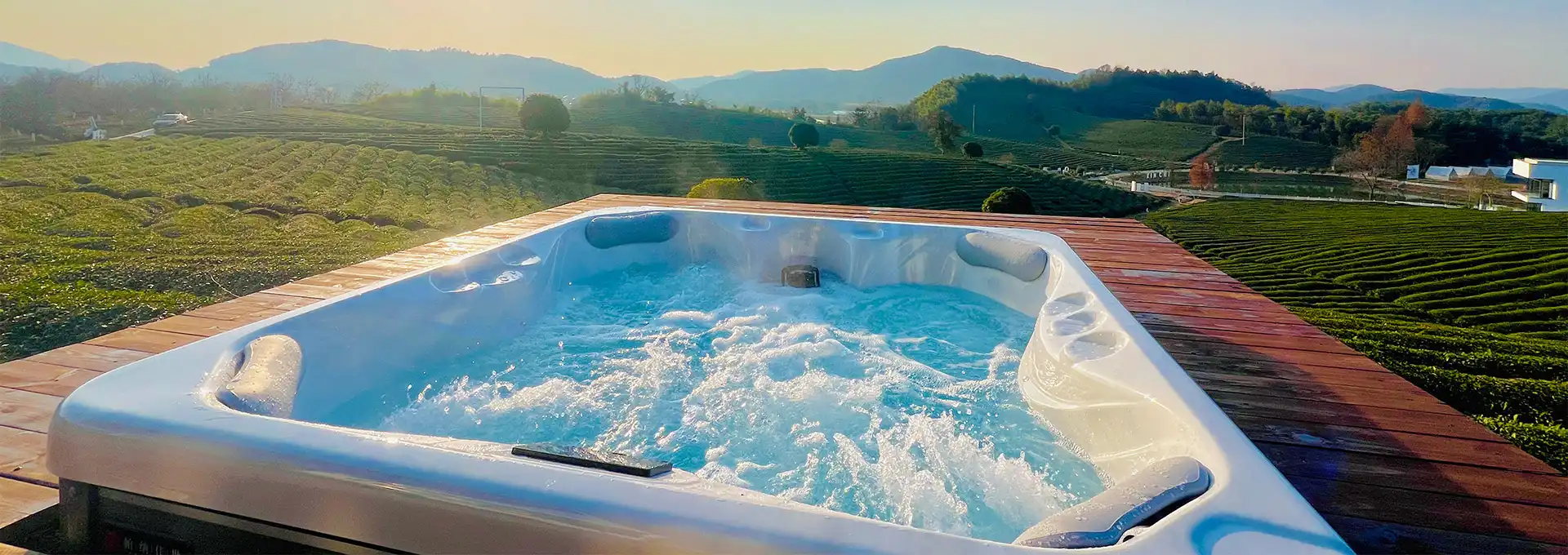
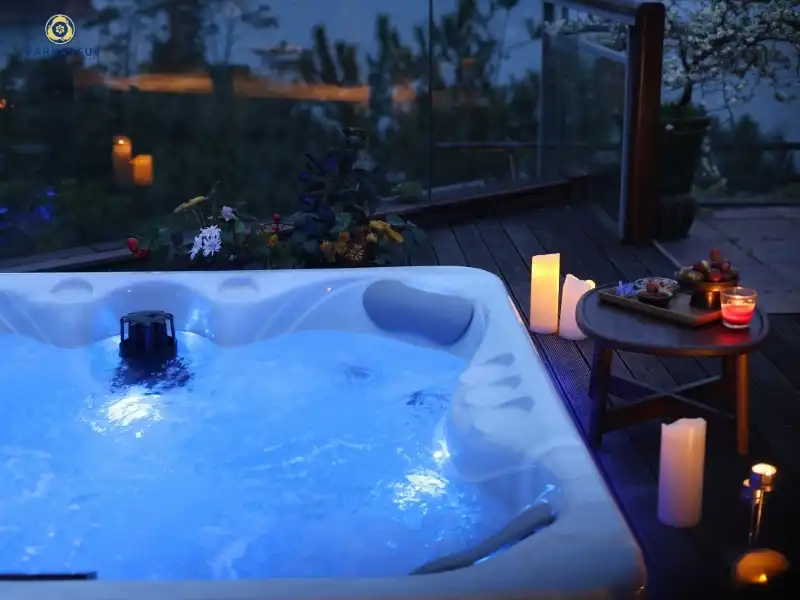
With four complete seats and a footprint that suits most home patios, hotel balconies, and wellness facility corners, the 4S01 model is a prime example of sensible design at 1.8 square meters. Soft cushions in each seat help ensure that the head is positioned correctly during prolonged soaking sessions. Targeted hydrotherapy is provided by carefully positioned massage jets, which act as expert hands to relieve stress built up during extended workdays. This compact geometry is especially useful for homeowners with small backyards who don't want to compromise the quality of their leisure time or boutique hotels making the most of their limited terrace area.
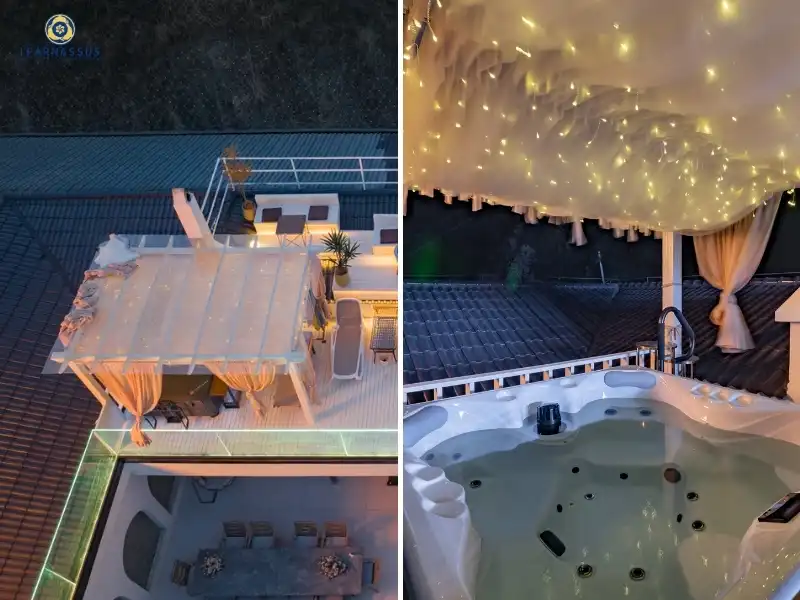
Smaller units, about 180 cm in size, stand in stark contrast to expansive 8-foot versions used for big gatherings. Simpler electrical needs, fewer structural stresses on decks, and easier access for periodic maintenance are all immediate advantages of the smaller size. Property managers value how these apartments fit into unused spaces and turn previously squandered space into amenities that generate income.
Health Benefits That Drive Guest Satisfaction
In both the residential and hospitality industries, hydrotherapy is still one of the most sought-after health elements. Combining massage jets with warm water immersion enhances circulation, reduces tension, and speeds up muscle recovery. Giving workers access to soaking facilities for corporate wellness initiatives shows a commitment to team health and may lower absenteeism and boost morale. Travelers looking for recovery-focused experiences following outdoor activities or business travel, in particular, report better visitor satisfaction scores at hospitality venues that employ these spas as premium services.
The jet arrangement of the 4S01 targets important muscle areas all over the body, providing therapeutic advantages that are on par with those of a professional massage. This simple design allows customers to easily modify temperature and jet intensity, allowing them to concentrate on relaxing rather than navigating complicated menus, in contrast to feature-rich versions with perplexing control panels. This ease of use solves a frequent problem: homeowners and visitors prefer simple operation over complicated technology that takes away from the soaking experience.
Energy Efficiency: Reducing Operational Expenses
Monthly utility expenditures are directly impacted by smaller water quantities since they require less energy to heat and maintain. 3-4 person hot tubs are appealing to companies keeping an eye on operating expenses and people who care about the environment since they usually use 30–40% less electricity than bigger versions. By prolonging the cleanliness of the water and reducing the need for chemicals and water replacement cycles, advanced ozone and UV sterilization systems further lower the frequency of maintenance. As water scarcity rules tighten throughout North America and Europe, these technologies reduce worries about germs and pollutants while preserving water resources.
Total cost of ownership is directly impacted by energy ratings. Models with well-insulated cabinets and effective circulation pumps need less electricity to maintain temperature. Energy savings from a well-designed 3-4 person hot tub may offset 15–20% of the initial purchase price during a five-year ownership term, enhancing total return on investment for both home budgets and business customers.
Comparing 3 Person and 4 Person Hot Tubs—Which Fits Your Business Needs?
It is easier to match items to certain operational situations when one is aware of the minor distinctions between capacity alternatives. Although both categories cater to small groups, user comfort and commercial value are greatly impacted by setup specifics regarding 3-4 person hot tubs.
Capacity and Seating Configuration Analysis
Generally measuring 78–79 inches square, three-person versions provide ample personal space with open sitting configurations perfect for social situations. These are ideal for small families where simultaneous full-capacity utilization is still uncommon or for couples who periodically host guests. Installations with limited space, where every square foot counts, will find the smaller footprint appealing.
The 4S01 and other four-person designs optimize utility in small spaces, making them ideal options among 3-4-person hot tubs. Instead of making users cram themselves uncomfortably, this model's 1.8-meter length offers true four-adult capacity with designated seating spots. The main distinction is the footwell design, which avoids the claustrophobic situations that afflict badly constructed tiny units. Customers should physically test seating configurations while assessing models to make sure knee room allows taller users to be positioned comfortably.
Material Quality and Construction Standards
When compared to inflated options, hard-shell spas made of acrylic imported from the United States provide more durability. Compared to vinyl surfaces, acrylic is easier to clean, resists UV deterioration, and retains structural integrity in the face of severe temperatures. Rigid construction is crucial for endurance and preserving visual appeal in commercial applications where units are used on a daily basis across several seasons.
Budget-tier quality issues are addressed with the 4S01's professional-grade materials. Careful engineering concentrates resources on parts that impact performance and longevity rather than sacrificing construction to achieve entry-level prices. While high-quality plumbing components prevent leaks that afflict less expensive installations, reinforced shell constructions can endure repeated usage without developing the stress cracks typical of subpar items.
Pricing Strategies for Budget-Conscious Buyers
With entry-level prices ranging from $2,000 to $5,000, high-quality hydrotherapy is affordable without needing significant financial investments. This range allows distributors to expand inventory without taking on undue risk, homeowners to avoid complicated financing, and small hotel operators to add facilities gradually. Budgetary restrictions are respected while providing true value through transparent pricing that does not include hidden installation expenses or required accessory packages.
The shipping effectiveness of the 4S01 is very beneficial to volume purchasers. Compared to bigger versions that need special shipping, a 40-foot-high cube container can hold 18 units, significantly lowering the cost of freight per unit. When catering to mass-market clients who value affordability, this loading density lowers distributors' procurement costs, increases inventory turnover rates, and boosts total profit margins.
Ensuring Long-Term Performance: Maintenance and Common Issues
Proactive care practices and reasonable maintenance expectations are essential for sustainable operations. 3-4-person hot tubs that are well-designed reduce maintenance requirements without compromising component longevity or water quality.
Water Care Simplified Through Advanced Systems
By autonomously cleaning water in between uses, ozone and UV sterilization technology transforms maintenance needs. Compared to conventional chlorine-only systems, ozone molecules reduce chemical reliance by around 60% by oxidizing pollutants, while UV light neutralizes germs and viruses. By extending the intervals between water changes from weekly to monthly, this dual-action strategy saves thousands of gallons yearly while requiring less effort.
Simple pH testing, sporadic filter cleaning, and water level monitoring are all part of routine maintenance; these procedures take minutes rather than hours each week. Instead of needing manual verification, the iParnassus® control system's smartphone connectivity allows for real-time monitoring of operating conditions, notifying owners when attention is required. Both homeowners who want little interaction and busy hotel employees overseeing several facilities would benefit from this automation.
Preventing Common Failures Through Proper Care
The most common problem impacting a hot spa's lifetime is leaks, which are usually caused by loose fittings or deteriorated seals. Plumbing connections are inspected every three months to stop little leaks from becoming bigger issues. Although frequent inspections are still crucial preventative measures, high-quality construction with premium components lowers failure rates.
Electrical problems or bearing wear are typically the cause of motor problems. Pump life is significantly increased by a suitable power supply and protection from moisture intrusion. A frequent risk in low-cost devices where cost-cutting compromises weatherproofing is addressed by the 4S01's covered equipment compartment, which protects components from weather exposure.
Warranty Terms and Longevity Expectations
A comprehensive warranty shows that the manufacturer is confident in the longevity of the product. Reputable vendors such as iParnassus® cover mechanical systems throughout the initial ownership periods and back structural components for several years. Procurement managers may plan replacement cycles and prepare for future refurbishment requirements by being aware of warranty periods.
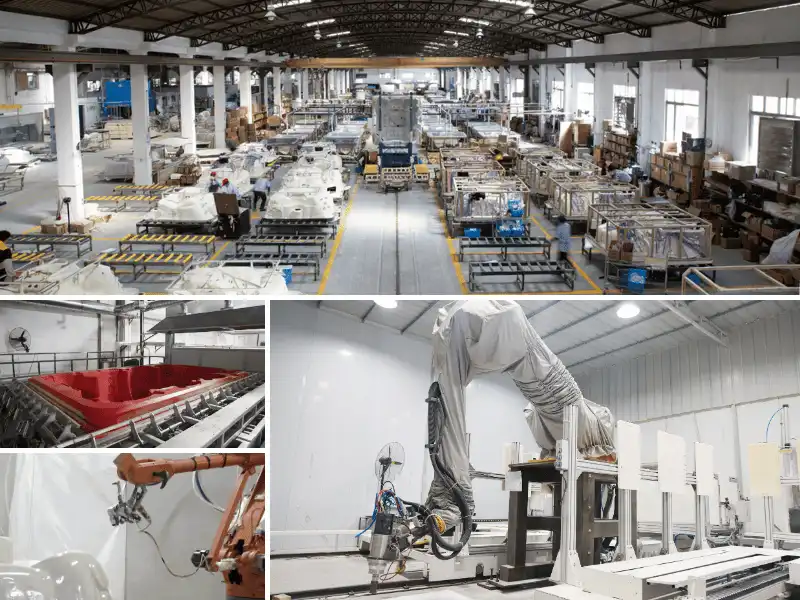
With acrylic shells frequently outlasting mechanical parts, well-maintained small spas may provide dependable service for ten to fifteen years. Avoiding unplanned downtime can be achieved by scheduling the replacement of the pump and heater around the seven-year mark. In order to guarantee quick parts availability and technical assistance when problems occur, commercial operators should build connections with responsive service providers.
Making the Right Purchase: Factors to Consider When Buying Compact Spas
Beyond initial price tags, successful procurement balances a number of factors. A strategic assessment of overall cost variables distinguishes prudent investments from unfortunate impulsive purchases regarding 3-4-person hot tubs.
Budget Planning and Hidden Cost Identification
The sticker price is only one part of the whole cost of ownership. The standards for electrical installation vary greatly; in certain jurisdictions, professional connections and dedicated circuits are required, increasing setup costs by $500 to $1,500. If access necessitates lifting equipment over barriers, buyers should acquire site-specific quotations covering electrical work, concrete pad preparation, and crane services.
Over time, operational expenses related to chemicals, water, and power mount up. Five-year predictions show how lower utility bills from energy-efficient versions with sophisticated filtration systems balance higher upfront costs. Because of its effective design, which reduces these recurring costs, the 4S01 appeals to consumers on a tight budget who consider long-term value rather than just price comparison.
Shipping and Installation Logistics
Delivery intricacy, unit size, and distance all affect freight costs. For distributors importing merchandise, the 4S01's remarkable container loading ratio—18 units per 40-foot high cube—creates previously unheard-of shipping efficiency. Compared to bulkier alternatives, this density significantly reduces per-unit freight costs, protecting company margins and enabling competitive retail pricing.
Each site has a different level of installation complexity. While rooftop installations necessitate crane services and structural engineering evaluations, ground-level patios allow for easy movement utilizing equipment dollies. In order to prevent surprises when drivers refuse to negotiate tight driveways or steep hills, buyers should specify delivery parameters, such as curbside drop-off vs. placement at the ultimate position.
After-Sales Support and Service Networks
Reliable customer service sets premium providers apart from low-cost sellers that vanish after a purchase is completed. Through a variety of channels, iParnassus® maintains responsive technical teams that handle warranty claims, troubleshooting inquiries, and parts requests. Well-established service networks in North America and Europe guarantee that local technicians are aware of product standards, which shortens the time needed to diagnose problems.
Comprehensive dealer training programs that include typical repair techniques, water chemistry principles, and installation best practices for hot spa products are advantageous to distributors. Partners can offer knowledgeable local assistance thanks to this knowledge transfer, which boosts consumer confidence and lowers return rates that hurt profitability.
Conclusion
For a variety of applications in the residential, hotel, and wellness facility industries, 3-4-person hot tubs are wise investments. The 4S01 model serves as an example of how careful engineering may provide expert hydrotherapy experiences in packaging that is both economical and space-efficient. Reduced operating expenses, streamlined maintenance procedures, and increased user satisfaction are all benefits of being patient throughout the purchase process. Making decisions that satisfy current demands while allowing for future expansion requires a strategic assessment of capacity requirements, material quality, energy efficiency, and supplier reliability. Compact spa solutions put companies and homeowners in a position to seize new possibilities without incurring unnecessary capital expenditures or operational complexity as health consciousness grows internationally and urban space restrictions worsen.
FAQ
1. What capacity difference truly exists between 3-person and 4-person models?
There is more to the difference than just numbers. While some three-person versions provide comparable overall dimensions with tighter seating, properly designed 3-4-person Hot Tubs, such as the 4S01, give sufficient foot well room to eliminate knee crowding. Internal layout, not manufacturer capacity promises, determines actual comfort. Before making a purchase, test the physical fit to avoid disappointment.
2. How often do commercial installations require maintenance interventions?
Under typical usage circumstances, advanced ozone and UV systems reduce the frequency of maintenance to quarterly filter cleaning and monthly water testing. Automated water treatment significantly reduces staff burden as compared to traditional chemical-only methods that require daily monitoring, even if high-traffic commercial settings may need biweekly care.
3. Do inflatable options offer genuine commercial viability?
Although they work well for short-term installations and extremely low-cost situations, inflatable spas don't have the longevity and polished appearance required for hospitality applications. When exposed to UV light and heavy use, vinyl surfaces deteriorate quickly and usually need to be replaced in two to three years. By providing the durability and visual quality required in commercial settings, hard-shell acrylic construction justifies slight price surcharges through a longer service life.
Partner With iParnassus® for Your Compact Spa Needs
Homeowners and companies on a tight budget should have access to expert-quality wellness solutions that aren't overly complicated or expensive. iParnassus® specializes in providing just this value proposition—3-4 Person Hot Tubs that combine cutting-edge water treatment technologies, intuitive controls, and USA acrylic construction at affordable prices. This idea is best illustrated by our 4S01 model, which can accommodate four people and has a 1.8-meter footprint that fits in tight areas. It also has soft cushions, therapeutic massage jets, and a smartphone connection. As a top manufacturer with 80 patents and 18 years of industry expertise, we know what really counts: dependable performance, simple operation, and prompt support. While end users benefit from easier maintenance thanks to ozone and UV sterilization that lessens reliance on chemicals, distributors gain from outstanding container loading efficiency that increases profit margins. To find out how our small spa solutions fit your unique needs, financial restraints, and available space, send an email to info@iparnassus.com. We provide assured purchase decisions supported by extensive warranty protection by offering full specs, shipping rates, and technical consulting.
References
1. Anderson, M. (2023). Commercial Spa Selection: A Procurement Manager's Guide to Wellness Amenities. Hospitality Equipment Journal Press.
2. Chen, L., & Williams, R. (2022). Energy Efficiency in Residential Hydrotherapy: Comparative Analysis of Compact Spa Systems. Journal of Sustainable Home Technologies, 18(3), 127-145.
3. Davidson, K. (2024). Space Optimization Strategies for Small-Scale Hospitality Venues. Boutique Hotel Management Quarterly.
4. Martinez, S. (2023). Water Treatment Innovations: Ozone and UV Systems in Modern Spa Design. Pool and Spa Technology Review, 31(2), 89-104.
5. Thompson, J., & Liu, H. (2022). Total Cost of Ownership Analysis for Commercial Wellness Equipment. Business Procurement Today, 45(7), 201-218.
6. Walsh, P. (2024). Global Wellness Market Trends: Growth Opportunities in Compact Hydrotherapy Solutions. International Spa Industry Report.

Send Inquiry