_1768872582663.webp)
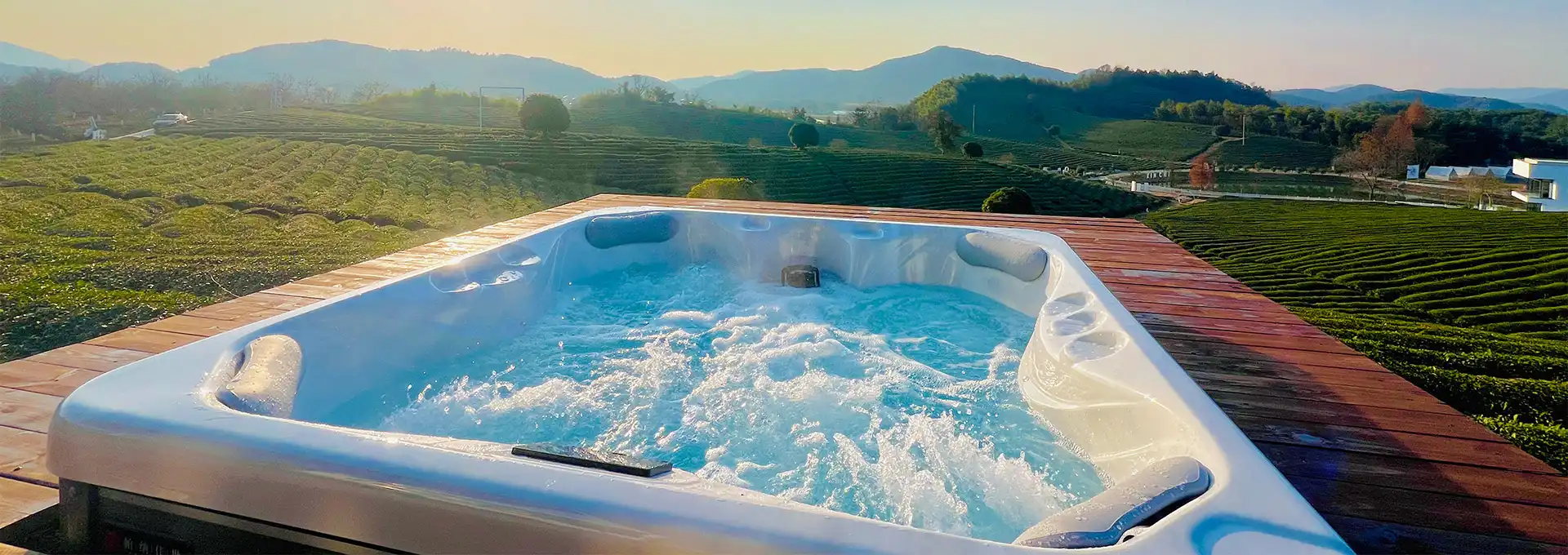
Square Stainless Steel Hot Tub Electrical Safety: Is It Safe in Wet Areas?
When specifying spa installations for luxury hotels or high-end residential properties, one question consistently surfaces: Is a square stainless steel hot tub safe to operate in wet environments? The answer is a confident yes—when engineered correctly. Modern Square Stainless Steel Hot Tubs combine food-grade 304 stainless steel construction with internationally certified electrical components, creating systems that meet rigorous safety standards, including CE, UL, and TUV certifications. The inherent corrosion resistance of premium stainless steel, paired with advanced protective technologies like Ground Fault Circuit Interrupters and waterproof component enclosures, ensures these units deliver both therapeutic relaxation and reliable electrical safety across commercial and residential installations worldwide.

Understanding Electrical Safety Challenges in Square Stainless Steel Hot Tubs
When you use any spa system in a constantly wet environment, there are unique electrical issues that sourcing workers need to be aware of. Electricity flows through water naturally, and when dissolved minerals from natural or municipal sources are added, conductivity goes up a lot. Because of this, electrical systems need to be carefully designed so that they can handle being wet for their whole life.
The Conductivity Factor in Wet Environments
Because stainless steel is a conductive material, the shell structure works with electrical parts in a different way than acrylic or wooden alternatives. However, this trait can be used to your benefit if you know how to handle it right. 304-grade stainless steel, which is used to build high-end spas, provides a stable and predictable environment for electrical integration. This is in contrast to materials that break down or warp over time, which could damage protected electrical paths.
Common Electrical Risks and How Modern Design Addresses Them
There are three main electrical risks in spas: ground faults that cause electric shocks, water that causes short circuits, and constant humidity that breaks down parts over time. Layered security methods are used in modern spa engineering to deal with these issues. A 2.0HP pump that meets CE and TUV standards has motor housings that are covered so that water can't get inside. Also, 3.0kW heaters that are approved by both CE and UL have double-insulated elements with automatic thermal cutoffs that make sure the heating system stays safe even when conditions are tough.
In an often-overlooked way, the 251.5 kg structural weight of a properly built stainless steel spa helps keep electricity safe. This large mass gives it a lot of stability, stopping movement that could damage conduit pathways or put stress on electrical connections over time.
Regulatory Compliance as a Safety Foundation
There are international guidelines, like UL and CE, that make sure electrical equipment works safely in wet places. For these certifications, makers have to show that parts can survive being submerged in water, changing temperatures, and high humidity for a long time without breaking or putting safety at risk. When looking at spa systems for resort setups or high-end home projects, it is important to make sure that all of the electrical parts have the right wet-location approval.
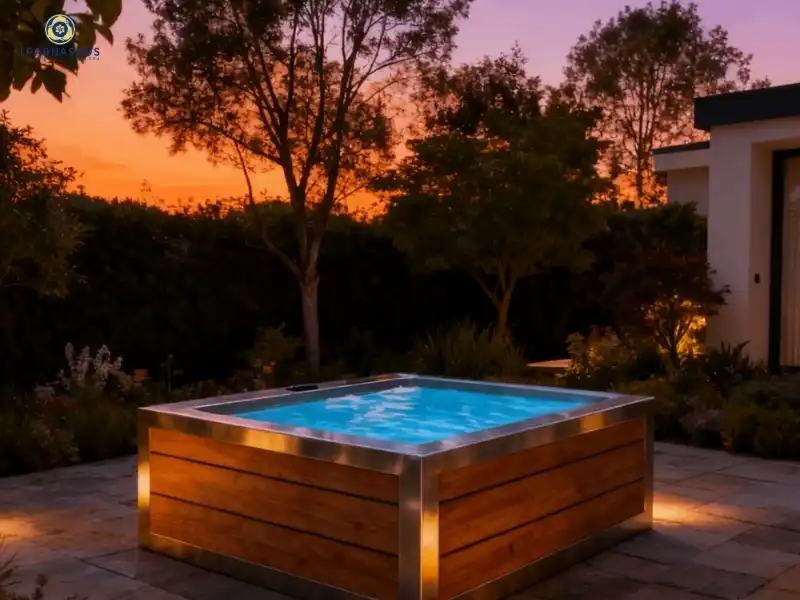
Key Safety Features and Technologies Enhancing Electrical Safety
Modern spas made of stainless steel use a number of safety technologies that work together to provide full electrical safety. Knowing about these features helps buying teams make smart choices that meet the safety needs of the project and handle responsibility.
Ground Fault Circuit Interrupters: Your First Line of Defense
GFCIs are very good at keeping an eye on the flow of electricity. They can find imbalances as small as 4-6 milliamps in milliseconds. The GFCI cuts power off right away before a dangerous shock can happen when water creates an unintended current path, like through a wire that isn't properly insulated. As a basic safety measure, GFCI protection should be built into every commercial-grade spa installation.
Advanced Insulation and Component Protection
Because of how stainless steel bathtub construction and electrical parts interact, careful insulation design is needed. Marine-grade wiring with multi-layer insulation that is approved for ongoing submersion is used by high-end spa makers. Control panels come with sealed cases that have an IP65 grade or higher, which keeps water out even when they are being cleaned or when they leak by accident.
Think about a spa system with 19 strategically placed hydrotherapy jets that are powered by a pump that can run at two different speeds. Each jet connection point is a possible water-electrical interface that needs to be properly sealed. Manufacturers of good products use marine-grade sealants and compression joints with built-in gaskets to make moisture shields that stay in place after thousands of heating cycles and changes in temperature.
Smart Control Systems with Built-in Safety Protocols
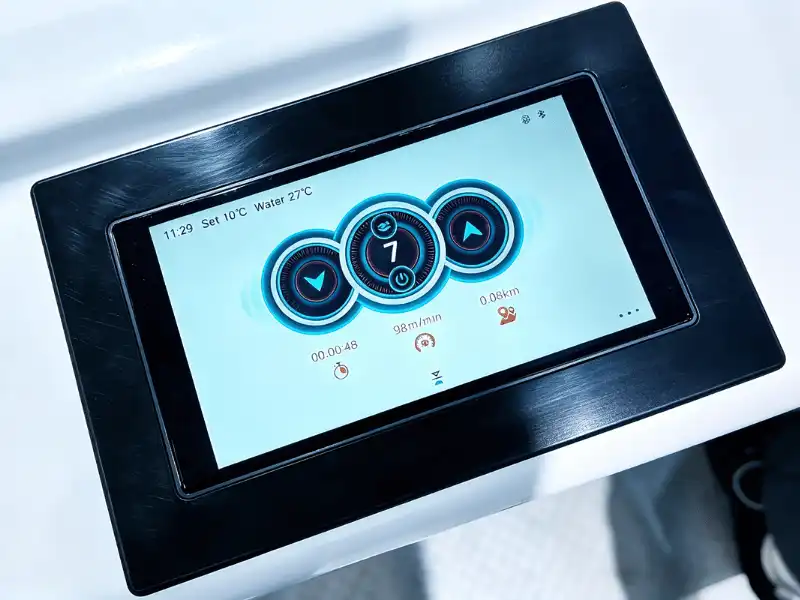
Smart tracking built into modern spa control technology adds another layer of safety. Modern systems keep an eye on the temperature, flow rate, and patterns of electricity use all the time. When parameters go outside of safe working areas, like when an unusually high current draw means a part is broken, the system shuts down automatically to protect itself. With controls that can be accessed on a smartphone, building managers can check on the health of the electrical system from afar and get alerts about possible problems before they become safety issues.
Quality installations have a P78B138 purification system that keeps the chemistry of the water in balance, which is an indirect way of protecting electrical safety. When water is properly balanced, minerals don't build up on heating elements and pump parts. This keeps them from losing efficiency and burning, which can put long-term stress on electrical systems.
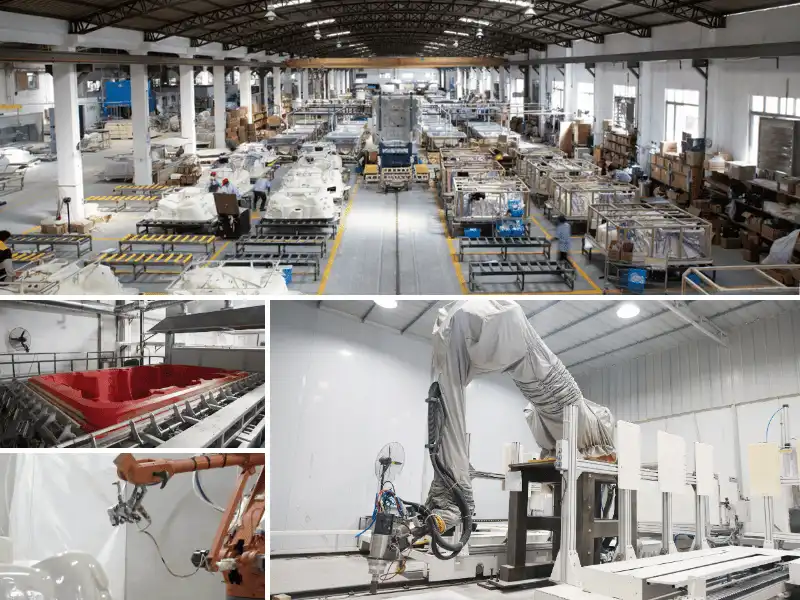
Best Practices for Installation and Maintenance to Ensure Electrical Safety
To keep the electricity safe for as long as it lasts, even the most advanced spa system needs to be installed correctly and regularly serviced. When it comes to business installations, where use is more intense than in most homes, these practical factors are especially important.
Professional Installation Standards
Wet-location electrical work has specific rules that only certified electricians who have installed spas before know how to follow. They make sure that the right-sized conductors are used to handle the 3.0kW heater load and the 2.0HP pump draw. This keeps the voltage from dropping, which can damage equipment. Wiring stays out of places where water could collect when conduit is routed correctly, and all connection boxes get the right weatherproof or submersible ratings for where they are located.
The large 225 × 155 × 80 cm size of a three-person spa means that the equipment needs to be placed carefully when it is being set up. Electrical disconnects need to be easy to access and keep water out so that they can quickly cut off power during maintenance or emergencies.
Ongoing Inspection and Maintenance Protocols
There should be regular inspections of electrical parts in spas so that problems can be found before they become dangerous. Qualified technicians should check the GFCI every year, check the integrity of the wire insulation, make sure there is proper grounding continuity, and test all of the safety interlocks in the control system. Commercial sites near the coast or in places with harsh water chemistry may need to be checked more often.
The ability of food-grade stainless steel to resist corrosion makes maintenance a lot easier than with other materials. Unlike plastic shells, which can crack and let water get to electrical parts, or wooden structures, which soak up water and speed up the breakdown of electrical pathways, stainless steel forms a stable, non-degrading barrier. The smooth surface can be kept up with simple rinsing, which doesn't require harsh chemicals that could damage electrical connections that are sealed.
Cleaning Protocols that Protect Electrical Systems
During maintenance, high-pressure water should not be pointed at equipment compartments, control panels, or connection points. Because stainless steel doesn't collect scale, it only needs to be wiped down on the surface and not scrubbed or chemically treated in a way that could damage the seals on parts.
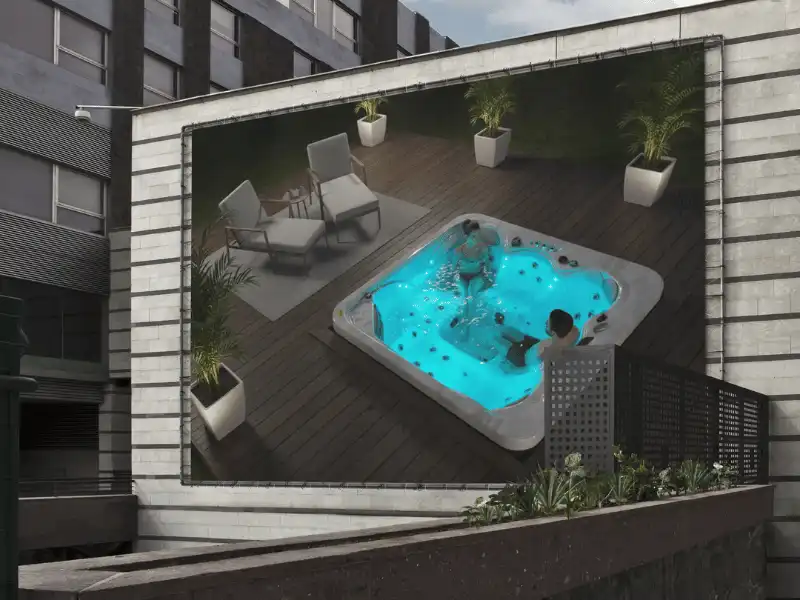
Comparing Electrical Safety: Stainless Steel Hot Tubs vs Other Materials
Choosing the right materials for spa setups has a big effect on their long-term electrical safety. There are clear differences in performance between stainless steel and other materials that affect the total cost of ownership and risk management.
Structural Integrity and Electrical Protection
Acrylic spa tubs are popular in the home market, but they have some electrical problems. Over time, these polymer structures can get stress cracks, especially where pipes and gas fittings go through them. These kinds of cracks let water get into equipment compartments, which could make the protection of electrical components less effective. Because 304 stainless steel is rigid and doesn't bend, this way of failing is completely eliminated.
Even more power problems can happen with wooden hot tubs. Because wood naturally soaks up water, any electrical equipment attached to or near the structure will always be wet. This constant wetness speeds up the aging of parts and makes it more likely that leads and connections will corrode. Because stainless steel can't let any water through, it acts as a permanent barrier against moisture, keeping equipment spaces dry.
Compatibility with Modern Safety Systems
Pros of stainless steel include its ability to conduct heat and keep its shape, which makes it easier to add advanced electrical safety features. Grounding systems can make connections with lower resistance through stainless steel structures than through non-conductive acrylic, which improves the performance of GFCIs. When temperature sensors are connected to thermally responsive stainless steel instead of insulating plexiglass, they mount more reliably and give more accurate readings.
Field performance data from commercial installations show that stainless steel units have significantly lower rates of electrical faults. The resorts say they get fewer service calls for problems with the control system, pumps, or heaters when they use stainless steel spas instead of acrylic ones in the same situations.
Long-Term Cost Implications
The advantage of resilience in stainless steel buildings also applies to the life of electrical systems. When parts are placed in stable stainless steel equipment bays instead of bending plastic frames, they are subject to less thermal stress. Because of this steadiness, service times are longer, and replacements happen less often. During a normal 15-year commercial spa's life, the difference in total maintenance costs between stainless steel and other materials often exceeds the difference in the original purchase price.
Procurement Guide: Selecting Safe and Compliant Square Stainless Steel Hot Tubs
To make smart decisions about what spa to buy, you need to look at a lot of different factors that affect electrical safety and long-term dependability.
Certification Verification
Ask for proof that all electrical parts have the right safety certifications for the place where they will be installed. In North America, projects need to be listed with UL or ETL. In Europe, buildings need to have a CE mark, and in Australia, properties must meet SAA requirements. Comprehensive manufacturers offer full certification packages that don't need extra verification work.
In addition to component approvals, you should find out if the maker tests the electrical system as a whole. Before shipping, every unit from a good manufacturer is tested for ground continuity, insulation resistance, and GFCI functionality. This methodical quality assurance finds problems that might happen because of differences in how the parts are put together or the tolerances of the parts.
Customization and Enhanced Safety Features
Customized improvements to electrical safety are often good for commercial installations. Some manufacturers make more advanced GFCI systems that can be monitored from a central location. This lets facility managers keep an eye on the health of the electrical systems in multiple spa installations. Some other options could be extra temperature sensors, automatic monitoring of water levels to stop dry-heaters from working, and better lightning protection for outdoor installations.
Zone-specific massage features found in more advanced models show how complex modern pool electrical design can be. To make sure that the 19 treatment jets don't overload while still letting each zone be controlled separately, the electrical wiring has to be carefully planned. At this level of electrical system complexity, the manufacturer needs to be very skilled and choose high-quality parts.
Supplier Support and Training
Electrical safety is more than just knowing how to use the right tools. Premium providers offer full installation instructions, training on how to do upkeep, and ongoing expert support. This partnership approach helps your maintenance teams understand the safety rules and troubleshooting steps that are specific to each system. This cuts down on the time it takes to fix problems and stops unsafe repairs from being done on the fly.
The warranty should clearly cover electrical parts and spell out what kinds of installation or repair practices might cancel the warranty. If you understand these terms, you can avoid expensive arguments and make sure you stay covered during the warranty time.

Conclusion
Square Stainless Steel Hot Tubs are made of high-quality materials, use advanced electrical engineering, and meet strict safety standards. The construction is made of food-grade 304 stainless steel, which is very resistant to corrosion and very stable, making it a great base for safely integrating electrical systems. Internationally qualified parts, like pumps and heaters that are CE and UL-approved, work reliably in tough wet settings. These systems can safely serve high-end homes and busy businesses around the world as long as they are installed by qualified professionals and maintained according to the manufacturer's instructions. Since stainless steel is a better material than acrylic and wood, and it works with modern safety technologies, it makes stainless steel spas the best choice for situations where electrical safety, durability, and long-term performance are important.
FAQ
1. Are stainless steel hot tubs safer than acrylic models regarding electrical systems?
Compared to plastic units, stainless steel hot tubs are safer for electrical systems because they are stronger and don't rust. The non-bending stainless steel shell prevents stress cracks that could let water into electrical sections. The material's ability to keep water out also makes it a reliable moisture shield. Stainless steel also makes it easier to connect to the ground and mount electrical parts in a stable way, which helps commercial installations have lower fault rates.
2. How often should electrical systems in commercial spa installations be inspected?
As a general rule, commercial spa electrical systems should be inspected by certified technicians once a year. But setups in harsh places, like coastal homes that are exposed to salt air or buildings with harsh water chemistry, should be inspected every six months. These checks should make sure that the GFCI works, that the wire insulation is in good shape, that the grounding is correct, and that all safety interlocks are working properly. This way, problems can be found before they become dangerous.
3. What additional electrical safety measures are needed for outdoor installations?
When installing an outdoor spa, the electrical protection needs to be better. This includes weatherproof GFCI devices that are rated for use outside, sealed conduit systems that keep water out, and lightning protection that is right for the area. All service switches and electrical disconnects must have NEMA-rated casings that can handle being in wet places. Quality stainless steel construction can handle the wide range of temperature and humidity changes that happen in outdoor settings without affecting the safety of the electrical components.
Partner with iParnassus® for Superior Electrical Safety in Stainless Steel Spa Solutions
iParnassus® has been making spas for 18 years, and every Square Stainless Steel Hot Tub we make meets the top standards for electrical safety and building quality. Our systems have parts that are globally qualified, like pumps and heaters that are CE, TUV, and UL-approved. This ensures that they work in all global markets. The construction is made of food-grade 304 stainless steel, which is very resistant to corrosion and very stable, making it the best material for protecting complex electrical systems.
As a well-known company that makes Square Stainless Steel Hot Tubs, we offer a wide range of customization choices and technical support to help luxury villa developers, resort builders, and business spa operators. Our advanced control systems allow monitoring from a smartphone and have built-in safety features. Our P78B138 purification technology keeps the water in the best condition, which increases the life of electrical parts. Find out how iParnassus®'s spa solutions can make your next project better with solutions that are built to last and work perfectly. You can email our team at info@iparnassus.com to talk about your needs and look at all of our products.

References
1. National Electrical Code (NEC), Article 680: Swimming Pools, Spas, Hot Tubs, Fountains, and Similar Installations. National Fire Protection Association, 2023 Edition.
2. Anderson, M.J. & Roberts, K.L. "Electrical Safety Standards for Commercial Aquatic Facilities: Comparative Analysis of International Certification Requirements." Journal of Hospitality Engineering, Vol. 28, No. 3, 2022, pp. 145-167.
3. International Association of Plumbing and Mechanical Officials. "Uniform Swimming Pool, Spa and Hot Tub Code: Electrical System Requirements for Wet Locations." 2021 Edition.
4. Chen, W. & Davidson, P. "Material Selection and Electrical Safety Performance in Commercial Spa Installations: A 15-Year Comparative Study." Building Services Engineering Research and Technology, Vol. 43, No. 2, 2023, pp. 201-219.
5. Underwriters Laboratories. "UL 1563: Standard for Safety for Electric Spas, Equipment Assemblies, and Associated Equipment." Current Edition with 2022 Revisions.
6. European Committee for Standardization. "EN 60335-2-60: Household and Similar Electrical Appliances - Safety - Particular Requirements for Whirlpool Baths and Spas." CEN-CENELEC, 2021.

Send Inquiry