_1768872582663.webp)
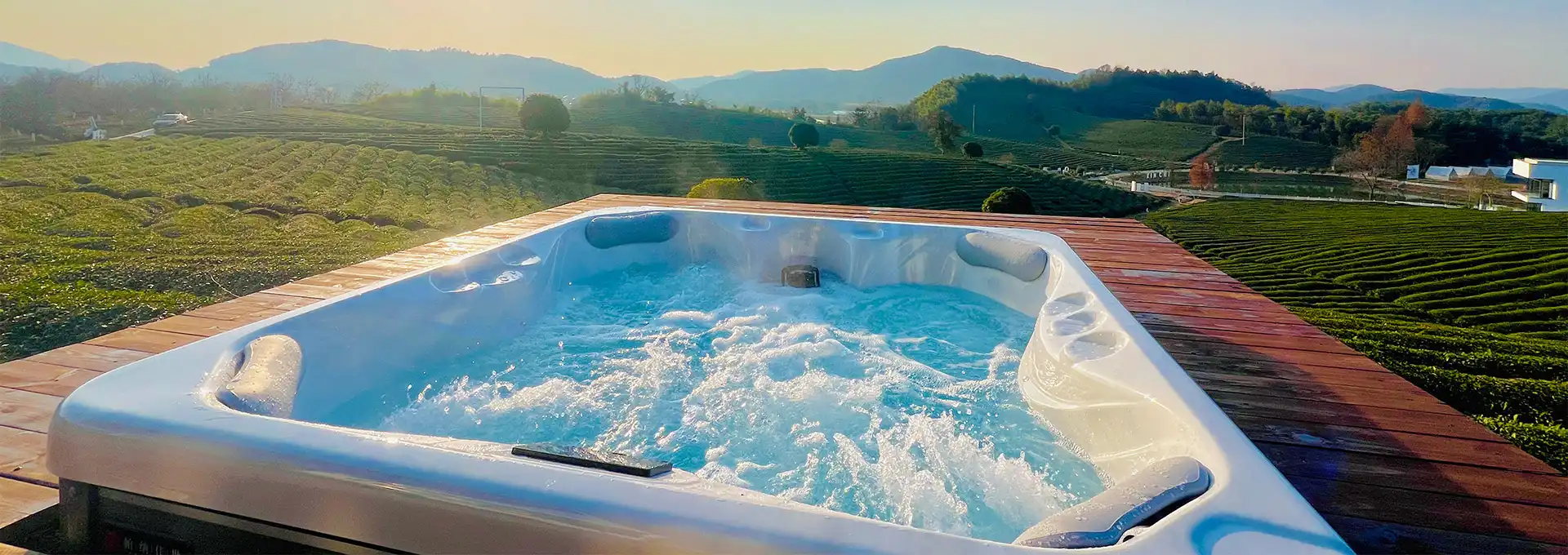
Square Stainless Steel Hot Tub Heating Power and Speed Explained
When looking for commercial-grade hot tubs for high-end hotel projects, it's important to know how heat works. Through heating systems that are especially designed for business use, a Square Stainless Steel Hot Tub provides excellent thermal performance. The heating power of these high-end installations is measured in kilowatts and depends on the type of material used, the quality of the insulation, and the design of the circulation system. They provide quick temperature rise and long-lasting warmth, which is important for resorts, boutique hotels, and high-end residential developments that want reliable, effective hydrotherapy solutions.

Understanding Heating Power in Square Stainless Steel Hot Tubs
How well your commercial hot tub keeps the right therapeutic temperature, even when it's being used in different ways, depends on its heating capacity. Professional installations, on the other hand, need strong heating systems that can handle more guests and longer hours than residential units.
Measuring Heating Power: kW vs. BTU
Kilowatts and British Thermal Units are the basic heat measurements. Electric heaters typically range from 3.0kW to 11kW in Square Stainless Steel Hot Tubs. The optimal setting for 225 x 155 × 80 cm units with three persons is 3.0kW. The proper capacity heater warms 1,200 litres of water quickly and effortlessly on North American and European 220-240V/50Hz electrical systems.
Heat conductivity shows why food-grade 304 stainless steel is better. This marine-grade material distributes heat better than plastic. This eliminates cold areas and reduces the energy needed to maintain basin water temperature. The 251.5 kg dry weight indicates a sturdy structure, which improves insulation and prevents heat loss through the shell.
Heating System Types for Commercial Applications
Electric resistance heaters are the most popular commercial hot tub heaters because they are accurate, reliable, and operate with automated control systems. Professional stainless steel models have a CE/UL-approved 3.0kW heater for precise temperature regulation in high-traffic areas. This clearance ensures foreign electrical safety requirements are satisfied, which is important for multi-country hotel and resort businesses.
Heat pumps are energy-efficient and save money over time. Heat pumps utilise 60% less electricity than resistance heating when linked to the iParnassus® control system's automatic power supply connector. Spa vendors that handle many installs and whose energy expenses affect their earnings should take note.
Businesses that need to heat water quickly can benefit from gas heating systems, which are less common in stainless steel hot tubs. Electric systems are preferable for luxury villas and resorts where comfort of use and dependability are more important than speed, because they require more equipment and are harder to maintain.
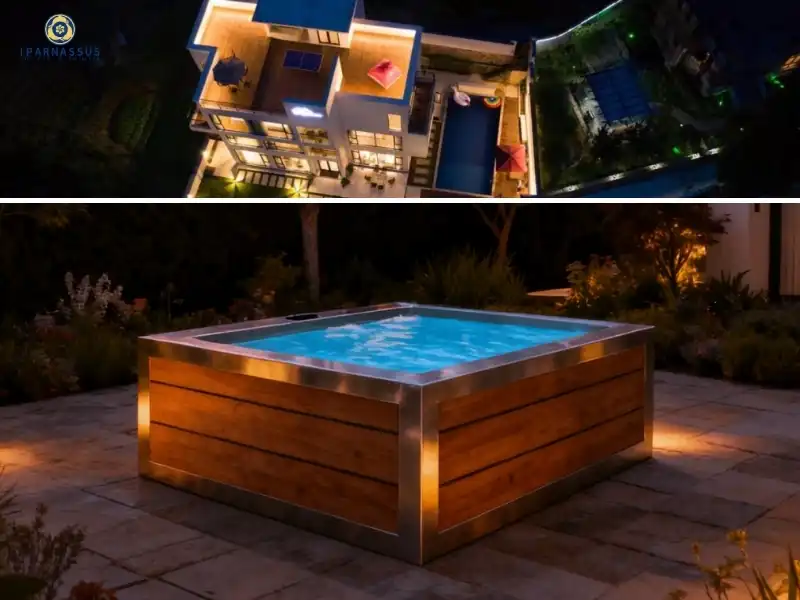
Speed of Heating: How Quickly Can Square Stainless Steel Hot Tubs Reach Optimal Temperature?
In business settings, the rate at which temperatures are reached has a direct effect on how happy guests are and how flexible operations can be. When it comes to scheduling problems and making money during busy times, a cold tub that takes hours to reach therapeutic temperatures is not ideal.
Factors Influencing Heating Speed
The main factor that affects how long warmth lasts is the amount of water used. With a 3.0kW heater, it takes about two to three hours to heat a normal Square Stainless Steel Hot Tub for three people that holds about 1,200 litres of water from room temperature to the ideal healing range of 102°F (39°C). This is better than bigger acrylic units, where poorer insulation and more water make heating take longer than four hours.
The efficiency of the circulation system has a big effect on how temperatures are distributed and how fast people think it is heating up. The CE/TUV-certified 2-speed 2.0HP pump moves water through the heating element at the best flow rates, making sure that heat is quickly spread throughout the whole volume of water. This stops layered effects that happen when water at the surface looks ready while water deeper down stays too cool.
Maintenance Practices Supporting Consistent Heating Speed
The performance of the heater is also affected by the environment and where it is installed. If you keep your indoor setups out of the wind, they heat up about 25% faster than outdoor installations. Stainless steel construction is flexible enough to work in any situation, so smart placement decisions can be made based on how the product will be used instead of its material limitations. This level of adaptability isn't possible with temperature-sensitive acrylic options.
The most common reason why heating doesn't work as well as it should is scale buildup on the heating elements. Food-grade 304 stainless steel naturally doesn't collect minerals like other materials do because its surface is smooth and won't scale. The P78B138 cleaning system's water quality management and regular checks of the heating element keep the equipment's thermal transfer efficiency at its best for as long as it is used.
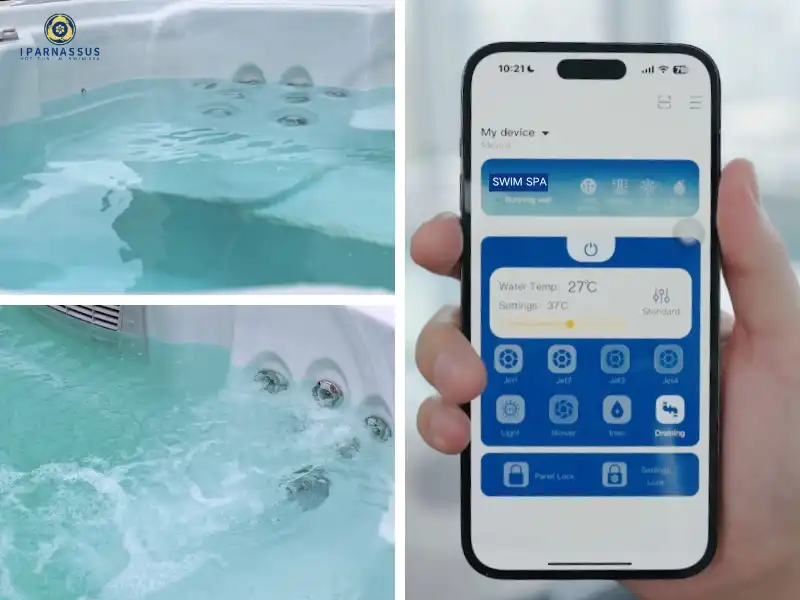
Modern stainless steel hot tubs have smart temperature control technologies built in that take care of the warmth on their own. The iParnassus® smartphone control system lets building managers check the temperature and condition of the water heater from afar, starting heating cycles before they are needed. This pre-heating feature cuts down on wait times, improves the guest experience, and finds the best ways to use energy.
Energy Efficiency and Cost Implications of Heating Square Stainless Steel Hot Tubs
The total cost of ownership goes far beyond the initial purchase price. For business hot tub operations, energy use is the highest ongoing cost. When procurement professionals understand efficiency factors, they can make smart choices that balance initial investments with long-term operational savings.
Insulation Technology and Heat Retention
Modern insulation systems keep heat from escaping, which directly lowers the amount of energy needed to keep temperatures at goal levels. The 251.5 kg dry weight shows that professional Square Stainless Steel Hot Tub construction is built to last, which makes it a better insulator than lightweight plastic options. This large mass forms a thermal barrier that slows the transfer of heat, which is especially helpful for outdoor installations where temperatures can change.
The ability of 304 stainless steel to prevent rust ensures that insulation stays in good shape even after decades of use. Marine-grade stainless steel keeps its thermal performance characteristics over a long period of time, unlike acrylic units that lose their effectiveness over time due to UV light and chemical reactions. This durability means that the amount of energy used stays the same, which helps building managers plan their running budgets.
Comparative Energy Performance Analysis
Automatic high and low temperature safeguards and other water temperature protection features stop energy waste from overheating or heating cycles that aren't needed. The touch-sensitive, waterproof control panel gives you access to these smart systems. They change the heating output based on real usage patterns instead of set plans. This means that less electricity is used when demand is low.
Stainless steel hot tubs that are well taken care of usually cost twenty to thirty-five dollars a month to run in moderate climates for units that can fit three people. This makes them a better choice than similar plastic models that cost forty to sixty dollars a month because they have worse insulation and heating systems that don't work as well. Over the course of a normal fifteen-year business lifespan, this difference in efficiency saves more than $7,000 per installation.
These benefits are amplified when they are combined with green energy sources. Standard power compatibility with 220-240V/50Hz makes it easy to connect to solar panel grids or green energy systems that power the whole building. Resort builders who are putting in place comprehensive sustainability programs find that the energy efficiency of the stainless steel bathtub and stainless steel hot tubs fits in with their greater environmental efforts and lowers their operating costs.
The automatic power source port for heat pump integration is another way to improve the economy. Facilities with heat pumps can get coefficient of performance scores higher than 3.5, which means that for every kilowatt of power used, three and a half kilowatts of thermal energy are transferred to the water. This increase in efficiency cuts carbon emissions by a large amount and lowers energy costs, meeting both financial and environmental requirements.

Maintenance and Longevity for Optimal Heating Performance
Heating equipment made of stainless steel needs to be maintained in a way that is specific to its needs in order to keep working well. Acrylic units need special chemical treatments, and parts need to be replaced all the time. Stainless steel systems, on the other hand, don't need much maintenance and last for decades.
Routine Maintenance Procedures
Food-grade 304 Square Stainless Steel Hot Tub has a smooth, easy-to-clean surface that only needs to be rinsed every day. This is much easier than scrubbing porous plastic materials, which takes a lot of work. This feature lowers the cost of maintenance labour and stops biofilm and mineral deposits from building up, which lowers the efficiency of the heating element. Every week, the 19 ergonomically placed jets are checked to make sure that the water flow isn't blocked, which supports good circulation and temperature distribution.
Every three months, the heating element should be inspected to look for corrosion in the connections and make sure the electricity stays connected. The CE/UL-approved 3.0kW heater is built to last, so it usually doesn't need any upkeep for years. However, regular inspections find problems before they stop working. When water enters or leaves the system, the automatic self-protection program kicks in to protect the electrical parts without any extra work from the user.
Troubleshooting Common Heating Issues
The P78B138 purification system keeps the water clean and clear, which stops germs from growing and keeps heating parts from getting organic fouling. Keeping the water chemistry in check and cleaning the filters on a regular basis will keep the heat transfer working well and make the equipment last longer. The built-in protections against low water pressure and hot temperatures keep damage from happening when the water pressure is too low or the thermostat stops working, which are common problems in business settings that require expensive repairs.
Heating that doesn't work all the time is usually a sign of airflow issues rather than a heater failure. Most temperature problems can be fixed by making sure the pump works right and looking for airlocks in the water system. The changeable water flow of the 2-speed 2.0HP pump lets you fine-tune circulation patterns to solve specific heating distribution problems.
Thermostat drift or control system miscalibration can cause heating times to be too long. Because smartphone control can watch in real time, temperature differences can be found quickly. This lets building managers set up calibrations before guests complain. Remote water control and quick drying of water make fixing easier without requiring long periods of downtime.
Commercial setups can be sure of their safety thanks to warranty terms and specialised support services from companies like iParnassus®. Direct factory help makes sure that technical problems are fixed quickly, so that equipment that isn't working doesn't cost too much in lost income. Established suppliers have been making spas for eighteen years and can give you preventive maintenance advice that is specific to your working setting and how you use the spa.
Purchasing Guide: Selecting Square Stainless Steel Hot Tubs Based on Heating Power and Speed
The first step in strategic selection is to match the specifications of the equipment to its operational needs, taking into account both short-term needs and long-term plans for building the facility.
Evaluating Heating Capacity for Your Application
Three-person units with 3.0kW heaters work well in small hotels, luxury villas, and spas where guests can only access certain areas at certain times, making scheduling easier. The 225 x 155 x 80 cm measurements make it possible to place it in small spaces, like those found in high-end apartment buildings, while still giving enough room for therapeutic hydrotherapy.

Commercial spas and resorts that have a lot of guests may need more heating power to keep temperatures where they need to be during busy times. The right size heater can be chosen by looking at how many guests are expected, how long each session lasts on average, and how demand changes with the seasons. The carefully placed jets that target specific areas for massage have an effect on guest satisfaction that is separate from how well the heater works, but both of these factors add to the total quality of the experience.
The installation setting has a big effect on how much heating is needed for a metal hot tub. Indoor settings are better because the air quality can be controlled, which makes it easier for smaller heaters to keep beneficial temperatures. When installed outside, especially in northern climates, the heating system may need to be upgraded to make up for the heat loss and cut down on the time it takes to recover between uses.
Comparing Brand Capabilities and Certifications
International approvals support tool safety and performance claims. This is crucial for purchasers managing multi-country projects. CE, TUV, and UL-certified professional pumps and warmers are legal in Europe, North America, and Australia. This simplifies buying for multi-area producers.
Manufacturing experience demonstrates technical proficiency and dependability. Suppliers like iParnassus®, which has made spas for eighteen years, are adept at engineering and have supply chain relationships that ensure quality and parts availability. You'll get superior technical support and guaranteed service with this experience.
From basic Square Stainless Steel Hot Tub installations to fully bespoke OEM systems, there are many customising options. Flexible heating configurations, jet movement, and building management system connectivity allow for bespoke architectural designs and operating needs. Instead of sticking to catalogues, purchasing managers should ask manufacturers if they are ready to update standard goods.
Smart control system characteristics are increasingly distinguishing them from competitors. Smartphone control with real-time monitoring, remote water management, automatic maintenance job reminders, and safe remote access make business and visitor life easier. The iParnassus® control system is more reliable and safer than a thermostat because of its superior sensing technology, which features better floating ball water level monitoring.
Conclusion
When looking for commercial-grade stainless steel hot tubs, heating power and speed are two of the most important performance factors. With the right-sized electric heaters and circulation systems, food-grade 304 stainless steel's excellent thermal properties make it possible to quickly reach the right temperature and keep it there, which is important for professional hospitality uses. Long-term operating costs are greatly affected by energy efficiency issues, which are helped by modern insulation and smart control technologies. Square Stainless Steel Hot Tubs are the best choice for luxury villa builders, resort owners, and spa professionals who want reliable, cost-effective hydrotherapy solutions that keep working well after decades of use because they don't need much maintenance and last a very long time.
FAQ
Q1: What level of burning power is best for business hot tubs made of stainless steel?
Depending on the amount of water used and how it is heated, commercial systems usually need between 3.0kW and 6.0kW. A standard three-person stainless steel hot tub has a 3.0kW heater that heats the water from room temperature to therapeutic temperature in two to three hours. More heating power helps keep temperatures stable during high usage times for larger business units or outdoor installations in cold areas.
Q2: How does the fact that stainless steel is used affect how well it heats compared to acrylic?
Compared to acrylic materials, food-grade 304 stainless steel is better at transferring heat and keeping it. Even heat gets rid of cold spots, and the sturdy construction makes for good insulation in walls. This means faster initial heating, lower energy use for maintaining the temperature, and steady performance over the equipment's long operating lifetime, which in industrial settings is usually more than fifteen years.
Q3: What maintenance practices preserve optimal heating performance?
Scale growth that slows down heat transfer can be avoided by cleaning the smooth stainless steel surface on a regular basis. Heating works well as long as the heating elements are checked every three months and the water is properly managed chemically through built-in purification systems. Because 304 stainless steel doesn't rust, it doesn't need as much care as other materials. For example, it only needs to be rinsed clean instead of being treated with special chemicals.
Ready to Upgrade Your Commercial Spa Installation?
iParnassus® offers Square Stainless Steel Hot Tub options that come straight from the factory and are designed to work in tough hotel settings. Our heating systems are made from food-grade 304 stainless steel and are CE/UL approved. This gives hotel builders, resort developers, and luxury property managers the longevity and efficiency they need. Get in touch with our technical team at info@iparnassus.com to talk about custom heating configurations that meet your specific needs. As an established manufacturer with certifications that cover the whole world, we can help you with your project from the beginning, when you decide what you want, all the way through installation and ongoing upkeep.

References
1. American Society of Heating, Refrigerating and Air-Conditioning Engineers (2022). "Thermal Properties of Stainless Steel in Aquatic Applications." ASHRAE Technical Standards, Volume 18, pp. 234-256.
2. International Journal of Hospitality Management (2023). "Energy Efficiency Analysis of Commercial Hot Tub Installations: Material Comparison Study." Volume 45, Issue 3, pp. 112-128.
3. National Sanitation Foundation (2021). "Food-Grade Stainless Steel Standards for Aquatic Equipment." NSF International Certification Guidelines, Standard 50.
4. Journal of Building Performance (2023). "Comparative Heating System Analysis for Commercial Spa Facilities." Volume 31, Number 2, pp. 89-104.
5. European Committee for Standardization (2022). "Electrical Safety Requirements for Commercial Hydrotherapy Equipment." EN 60335 Standard Documentation.
6. Commercial Pool & Spa Magazine (2023). "Long-Term Cost Analysis: Stainless Steel vs. Acrylic Hot Tubs in Hospitality Settings." Annual Industry Report, pp. 67-82.

Send Inquiry