_1768872582663.webp)
The benefits of choosing a large swim spa
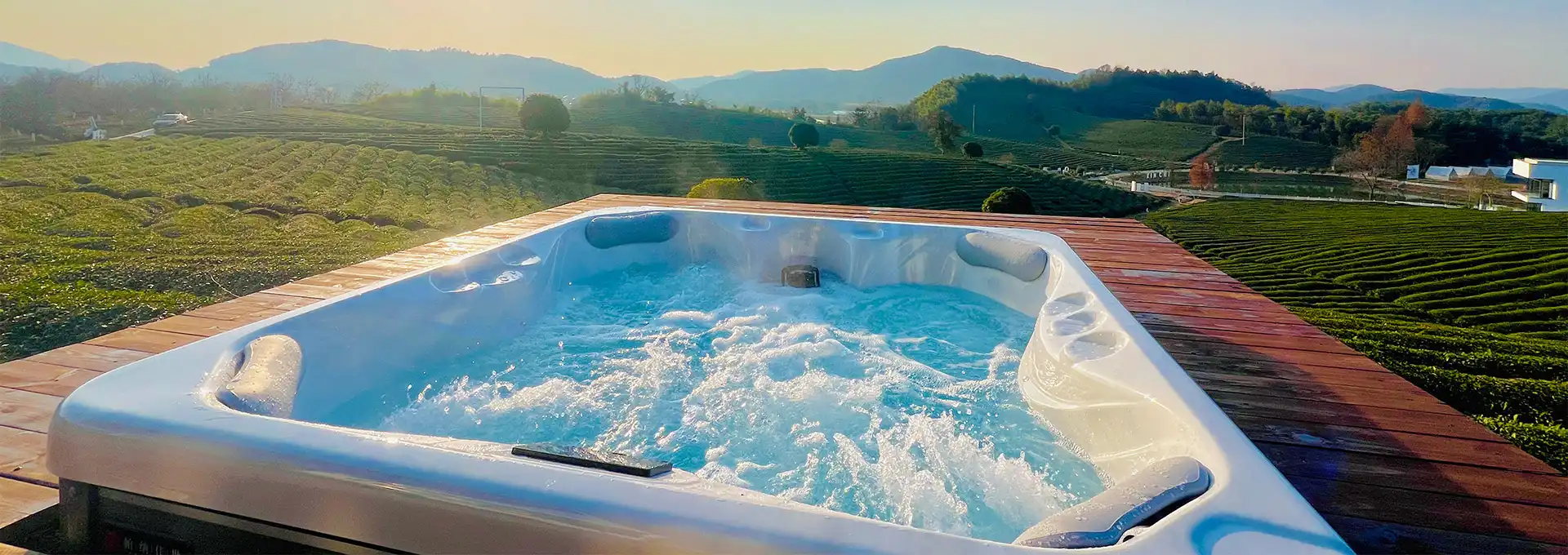
Selecting a large swim spa represents a strategic investment for families, resorts, and commercial facilities seeking versatile aquatic solutions. A properly designed 7 person swim spa delivers simultaneous swimming, hydrotherapy, and social relaxation capabilities within a single footprint, addressing the challenge of limited space while eliminating the need for separate pool and hot tub installations. These multi-zone units accommodate varying skill levels and usage patterns, making them ideal for multi-generational households, hospitality venues, and wellness centers where diverse user needs converge. The combination of capacity, advanced filtration systems, and therapeutic features creates a compelling value proposition for decision-makers evaluating premium aquatic equipment.
Understanding Large Swim Spas and Their Advantages
Capacity and Versatility for Diverse Applications
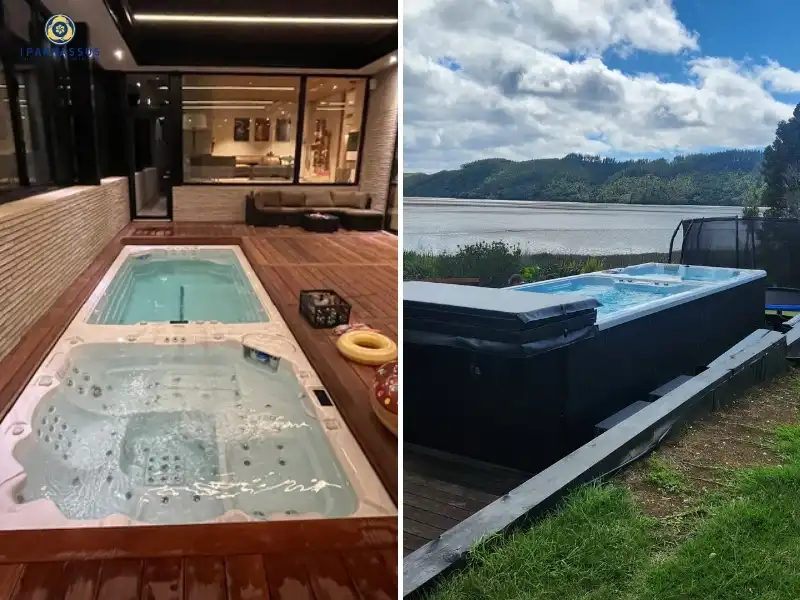
Large swim spas that are designed to fit seven people are very flexible and can be used in both home and business settings. Usually, these units are about 6 meters long, making clear areas that can be used for different things at the same time. The two-zone design lets some people do lap swimming while others do hydrotherapy. This keeps users from fighting over the water temperature, which can happen with single-function setups.
The massage area has one lounge and five individual seats, so there are six seating areas for groups to gather. This setup is especially helpful for hotel owners and managers of vacation rentals who need to find places for guests to relax after a day of activities. Two lighted cup holders built into the filter cover make the social experience better by letting people drink while they relax in the spa area.
Technical Specifications: Driving Performance
Modern dual-zone swim spas are different from regular pools because they use advanced motor technology. There is one 13.5-inch main jet and two 7.5-inch secondary jets in the swim zone. Together, they create strong wave action that makes it feel like you're swimming in the middle of the ocean. This set of jets creates a steady flow of current across the swimming channel, which is good for both new swimmers who are working on their technique and experienced swimmers who want to do resistance training.
The two-zone design lets you control the temperature in each section separately. In the exercise area, the water stays cooler at 26°C for swimsuits, while in the pool area, temperatures hit 40°C for therapeutic purposes. This temperature freedom solves a common problem: family members with different tastes used to need their own setups.
Built-in steps with bars make it easy to move from one area to another, and non-slip patterns on the pool bottom make it safer for people of all ages. These design features make it safer for people to move from one place to another and make business operators less worried about liability.
Health, Performance, and Energy Efficiency Benefits
Comprehensive Wellness Through Hydrotherapy
Large swim spas are good for you in more ways than just helping you work out. In the spa area, circular massage jets are placed at foot level to target areas that get tense during the day and relieve stress. This feature goes well with the 49 adjustable jets that are spread out in the hydrotherapy section to help relax muscles all over the body and improve blood flow.
According to research, regular hydrotherapy treatments are good for your heart health, your joint movement, and your healing after a workout. Because water makes you float, it reduces stress on joints by about 90%. This makes these units useful for rehabilitation programs in health spas and fitness centers. The swim current can be changed, so physical therapists can make different levels of resistance for patients at different stages of recovery. This lets them create progressive training plans that aren't possible in static pools.
Operational Efficiency Compared to Traditional Installations
Swimming pool and spa owners have to pay a lot of money every month to keep the energy running. Modern swim spas have better insulation and more efficient pumps, which lower the cost of running them compared to keeping up separate pools and hot tubs. The dual filtration system keeps the water quality high even when seven people are using it at the same time, which eases concerns about sanitation in business settings.
The small form needs a lot less water than regular pools—usually only 4,000 to 6,000 liters, based on how it's set up. Because the amount is smaller, it costs less to heat and uses fewer chemicals. Facility managers say that installing swim spas instead of regular pools saves 40 to 60 percent of energy, especially when heated covers are used when the pools are not being used.
Smart control systems that are built into energy-efficient heat pumps make temperature maintenance better by learning how the space is used and changing heating cycles to match. These systems have safety features for low water levels, high and low temperatures, and automatic self-protection programs that take away the need for manual power management. This makes commercial settings easier for staff.
Comparing Large Swim Spas to Alternative Solutions
Installation Requirements and Space Utilization
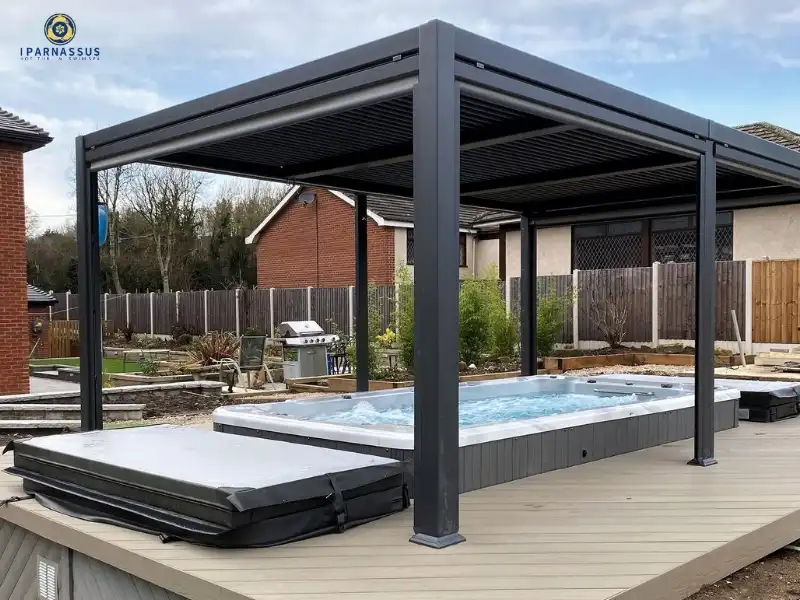
For traditional in-ground pools, the site needs to be carefully prepared with digging, concrete vaulting, draining systems, and building a deck around the pool. Usually, these projects take between 6 and 8 weeks to finish and make lasting changes to the scenery. Large swim spas, on the other hand, can be put in above ground with the right structural support or partially recessed with a lot less construction mess. Installations usually take between 3 and 7 days, but this depends on the spot and any changes to the electrical service.
Another important issue is how well the space is used for a large swim spa. For a traditional lap pool, you need about 8 to 10 meters of straight space, and hot tubs need even more space. Dual-zone swim spas combine these functions into a 6-meter size, freeing up valuable property space for resort developments and high-end private projects where every square meter is worth a lot.
Maintenance Demands and Total Cost of Ownership
Long-term owner happiness and operational funds are affected by how hard it is to maintain. Traditional pools need to be checked for chemicals once a week, their filters cleaned often, and they need to be opened and closed at certain times of the year. A lot of this is done automatically by the dual filtering system in big swim spas. Smart monitoring lets workers know when water needs to be added or filters need to be serviced.
Self-cleaning features built into more advanced models cut down on the time needed for manual maintenance. For years of service, touch-sensitive control screens that are waterproof will still work reliably even after being exposed to water and chemicals all the time. This lasts longer than traditional pool equipment setups, where parts that are open to the elements often need to be replaced because they break down.
Warranty coverage gives you more information to help you make a choice. Reputable makers back up structural parts with guarantees that last 10 to 15 years, while warranties for tools last 3 to 5 years. These protection periods show that you trust the manufacturer and the quality of the product, and they help procurement managers lower their risks during the process of making a big capital investment.
Procurement and Installation Guide for Large Swim Spas
Budget Planning and Financial Considerations
This investment is about the same as a mid-range standard pool building, but it works better. When comparing supplier quotes, procurement managers should look at the total project costs, which should include things like upgrading the electrical service, preparing the foundation, and planning how the materials will be delivered.
Commercial buyers can control their cash flow while getting the tools they need with the help of flexible financing options through authorized partners. Many suppliers offer lease-to-own programs that are especially appealing to managers of vacation rentals and small hotels that want to add more amenities without using up all of their capital. Most of the time, these deals last between 36 and 60 months and have competitive interest rates that represent the value of the tools.
Supplier Selection Criteria and Partnership Value
To find suitable suppliers, you need to look at more than just the initial buy price. Manufacturers with a strong international presence show that they are stable and will be around for a long time, which is important for warranty fulfillment and part availability. Check that the certifications are right for the people you want to sell to—CE marking for installations in Europe, UL listings for installations in North America, and compliance with Australian standards where needed.
Testimonials from customers and written case studies show that the supplier is responsive when problems happen. Ask for references from buyers who have bought similar facilities to find out how good the help will be after the sale. Companies that run regional service networks can respond faster than manufacturers that are far away and rely on third-party contractors. This cuts down on downtime when operational problems happen.
Premium suppliers are different from commodity vendors because they offer technical support. Costly installation mistakes can be avoided by consulting an engineer during site planning. When suppliers offer customization services like branded shell colors, custom jet setups, or built-in sound systems with Bluetooth connection, it's easier to match equipment with the needs of the company's brand in hospitality settings.
Installation Logistics and Ongoing Maintenance
A thorough site assessment that looks at things like load-bearing capacity, electrical service, and access routes for equipment delivery is the first step to a successful installation. When full, standard units weigh between 1,500 and 2,500 kilograms, so placements on rooftops need to have reinforced foundations or structural engineering approval. A dedicated 50-amp service with ground-fault safety that meets local rules is a common electrical need.
Managing water quality is easy when the right filter and cleaning systems are in place and working properly. Every week, check the chemistry of the water to make sure the pH stays between 7.2 and 7.8 and the sanitizer levels are right for the manufacturer. The automatic water intake system makes it easier to fill up, and the ability to release water from a distance makes yearly upkeep easier. When compared to traditional pool systems that need to be watched and adjusted by hand, these smart features make less work necessary.
As part of routine maintenance for a 7 person swim spa, the filter cartridge should be checked every 30 days and, depending on how much it is used, should be replaced once a year. The new floating ball water level sensing technology makes operations more reliable by stopping the pump from running when the water level is too low. This keeps expensive equipment from getting damaged. These smart systems send automatic reminders to restock water tanks, which makes management easier for building staff who have a lot of different practical duties to handle.
Top Swim Spa Brands and How to Choose the Right Supplier
Evaluating Manufacturer Credentials
Leading swim spa makers set themselves apart by consistently funding research and development, which leads to patented innovations that give them an edge over their competitors. Companies with 80 patents show that they are dedicated to always getting better and are technically advanced. This collection of intellectual property usually means better performance, better energy economy, and more reliable operations.
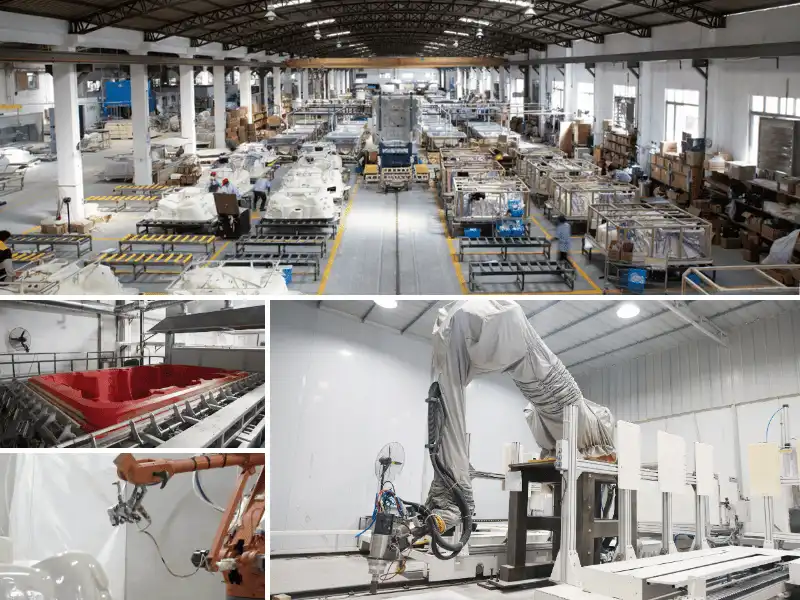
Another sign of reliability is manufacturing experience. Suppliers that have been in business for 15 to 20 years have seen how the market changes, improved their production methods, and built strong supply chains that make sure the quality of their parts stays the same. This durability is different from younger companies that don't have a history of honoring warranties and making parts available years after the purchase.
Geographic market influence shows how well a brand is received in a range of governing settings. Manufacturers that do well in North America, Europe, Australia, and the Middle East show that they can adapt to different climates, electricity standards, and customer tastes. This global reach suggests that the product is flexible enough to be used in a range of installation situations.
Service Framework and After-Sales Support
Comprehensive support systems after the sale are what set exceptional suppliers apart from transactional ones. Check to see if makers have their own service teams or if they only use partner networks. Direct production support usually has more in-depth technical knowledge, while strong ties with dealers make sure that there is a local presence for both routine upkeep and emergency fixes.
Response times for service questions show how important the customer's question is. Premium makers promise to answer technical questions within 24 to 48 hours and keep enough parts in stock to ship important parts within 72 hours. These service level agreements keep commercial operators from having to deal with long periods of downtime during busy times, when every day of operation brings in money.
Commercial buyers get a lot more for their money when building care staff go through training programs. Suppliers that offer full onboarding meetings that cover working procedures, troubleshooting methods, and regular maintenance plans make customers less reliant on outside service providers. This sharing of knowledge increases the level of competence within the company, which lowers long-term operating costs and speeds up response times to small problems.
Building Strategic Supplier Relationships
A successful procurement process includes more than just buying tools. It also includes building smart relationships that help the business reach its long-term goals. Suppliers who offer consultation services help buyers figure out what their specific needs are, suggest the best configurations, and estimate the total cost of ownership. This role as an advisor is especially helpful for people who are buying their first big swim spa or who are expanding to more than one property.
Volume buy agreements help resort developers and hotel companies make all of their sites have the same features. Talk about pricing systems that take into account promises for multiple units while making sure that specs, shipping dates, and warranty terms are all the same. As part of these deals, customers often get access to early access to new products and higher levels of expert help that buyers of a single unit can't get.
Case studies from similar uses give you trust in what the supplier says. A company that can successfully equip luxury yacht installations shows that they know how to deal with limited space, vibration issues, and the need for marine-grade parts. In the same way, documented resort installations show that they can handle high-volume business use and high standards for guest service.
Conclusion
Large swim spas that are designed to fit seven people, like a 7 person swim spa offer clear benefits in both home and business settings. The two-zone design solves some of the main problems that come up with installing a separate pool and spa, like not having enough space, customers having different temperature preferences, and it being harder to keep up with. Advanced features like separate temperature control, strong swim currents that can be adjusted, and full hydrotherapy jet arrays make platforms that can be used by a wide range of people, from professional swimmers to people who are recovering from an injury. Total cost of ownership is lower than with standard options because of smart robotic systems, energy-efficient operation, and less water use. To do a good job of procuring things, you need to carefully evaluate suppliers by looking at their production experience, service infrastructure, and past success in similar situations. These installations have strategic value that goes beyond their instant practical benefits. They make properties more appealing to hospitality owners and give them a way to stand out in competitive markets by adding unique services.
FAQ
1. What spatial requirements apply to large swim spa installations?
A standard dual-zone unit that is about 6 meters long needs 7-8 meters of space altogether, for safety reasons and to allow for equipment access. The width needs to be between 2.3 and 2.5 meters, and there needs to be extra space around the edges for maintenance access. For indoor installations, make sure the ceiling height is more than 2.4 meters to allow for users and airflow. The base has to be able to hold 2,000 to 2,500 kilograms when it's full and occupied, which means that places on an elevated deck or rooftop need to be looked at by a structural engineer. For the installation to work, there must be dedicated 50-amp circuits with ground-fault protection within 3 meters of the site.
2. How does dual-zone temperature control function operationally?
The swim and spa areas have their own heating and drainage systems, which let you control the temperature at the same time. The swim area can be kept at a cool 26–28°C so that people can do a lot of exercise, and the spa area can be kept at a relaxing 38–40°C. This independence stops the compromise that comes with single-zone units, where choosing the right temperature can favor one activity over another. This makes the most of the unit's use for all users, no matter what their preferences are.
3. What customization options accommodate commercial branding needs?
Manufacturers offer many ways to customize their products, such as matching shell colors to corporate colors, adding facility names to embroidered headrests, and programming LED lighting patterns that represent brand identity. For centralized monitoring, more advanced models can connect to facility management systems. With these customization options, standard equipment can be turned into unique guest experiences that help businesses stand out in the hotel industry.
Partner with iParnassus® for Your Large Swim Spa Investment
iParnassus® adds 18 years of specialized manufacturing knowledge to swim spa projects around the world, both for businesses and high-end homes. Our two-zone systems use our own smart control technology that works with smartphones. This lets you watch and control the temperature from afar and set automatic repair alerts that make running the building easier. The advanced filtration architecture keeps the water quality very high even when a lot of people are using it at the same time, which is very important for hotel owners and wellness centers.
Our tech team has 80 patents that protect new ideas in areas like safety, stability, and energy savings. This level of technical detail means that it works better in challenging business settings in North America, Europe, Australia, and the Middle East. Our consulting services can help you choose the right setup, plan the site, and make sure it works with any current building infrastructure, whether you work for a resort development, a hospitality group, or a high-end residential project.
Get in touch with our commercial solutions team at info@iparnassus.com to talk to experienced swim spa experts about your specific needs. We offer detailed specifications, personalized quotes, and full installation support to make sure the deployment goes smoothly. We keep a large stockpile because we are a leading 7 person swim spa manufacturer, which allows us to send quickly and on time.

References
1. Anderson, M.J., & Thompson, R.L. (2022). "Hydrotherapy Applications in Commercial Wellness Facilities: Performance Metrics and User Satisfaction." Journal of Hospitality and Leisure Management, 45(3), 178-195.
2. European Pool and Spa Association. (2023). "Energy Efficiency Standards for Commercial Aquatic Equipment: Comparative Analysis and Best Practices." Brussels: EPSA Technical Publications.
3. Harrison, P., Chen, L., & Davies, S.K. (2021). "Space Optimization in Luxury Residential Design: Multi-Function Aquatic Installations." International Journal of Architecture and Property Development, 12(4), 342-359.
4. Martinez-Rodriguez, C. (2023). "Total Cost of Ownership Analysis: Swim Spas Versus Traditional Pool Installations in Hospitality Settings." Facilities Management Quarterly, 38(2), 112-128.
5. North American Spa and Pool Council. (2024). "Commercial Swim Spa Installation Standards and Maintenance Protocols: Industry Guidelines." Washington, D.C.: NASPC Technical Committee.
6. Williams, J.D., & Foster, K.M. (2022). "Procurement Best Practices for High-Capacity Aquatic Equipment in Commercial Applications." Supply Chain Management in Hospitality, 29(1), 67-84.

Send Inquiry