_1768872582663.webp)
Top Benefits of Owning a 4-Person Hot Tub
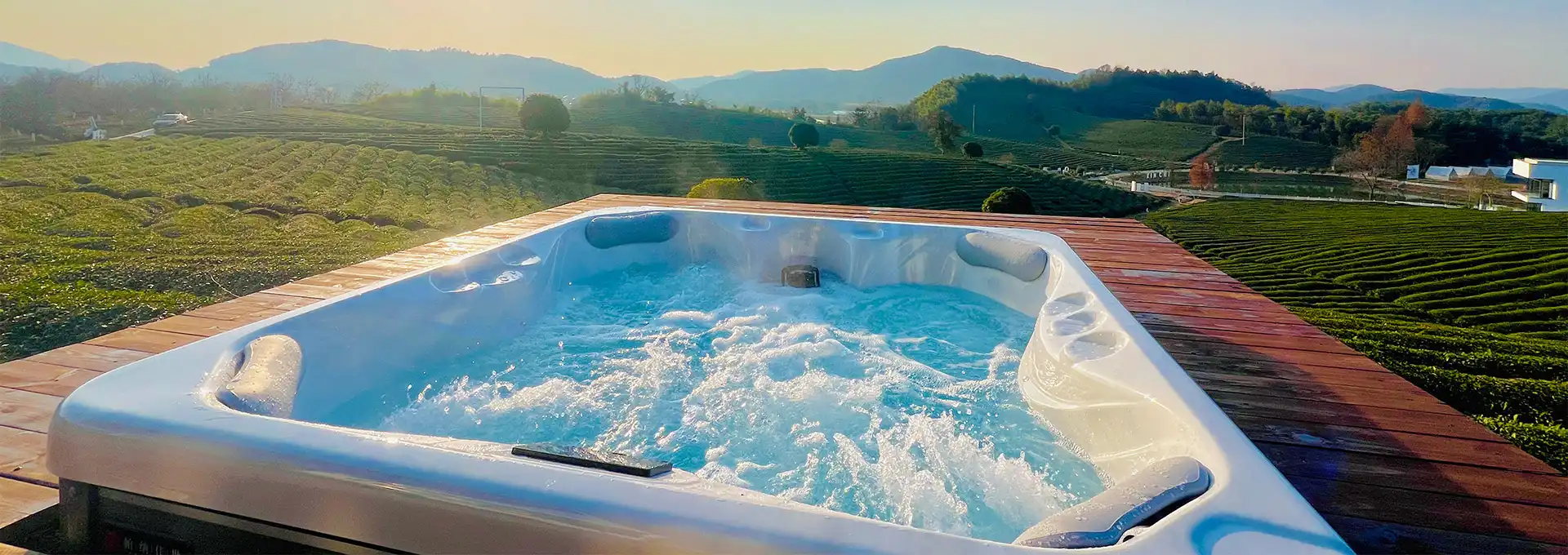
A 4-person hot tub represents the optimal balance between capacity, operational efficiency, and investment return for commercial and residential applications. These compact wellness solutions deliver powerful hydrotherapy experiences while occupying minimal space—typically between 80 and 84 inches in width and length. For procurement professionals evaluating spa installations for resorts, hotels, luxury villas, or wellness centers, understanding the technical specifications and business advantages becomes essential. This comprehensive guide examines the core benefits of four-person spa systems, addressing critical decision factors including jet configuration, pump power, certification requirements, and maintenance protocols. With the global commercial hot tub market experiencing steady growth, driven by increased demand in hospitality and corporate wellness sectors, selecting the right equipment directly impacts guest satisfaction, operational costs, and long-term profitability.
Comprehensive Overview: What Is a 4-Person Hot Tub and Why It Matters?
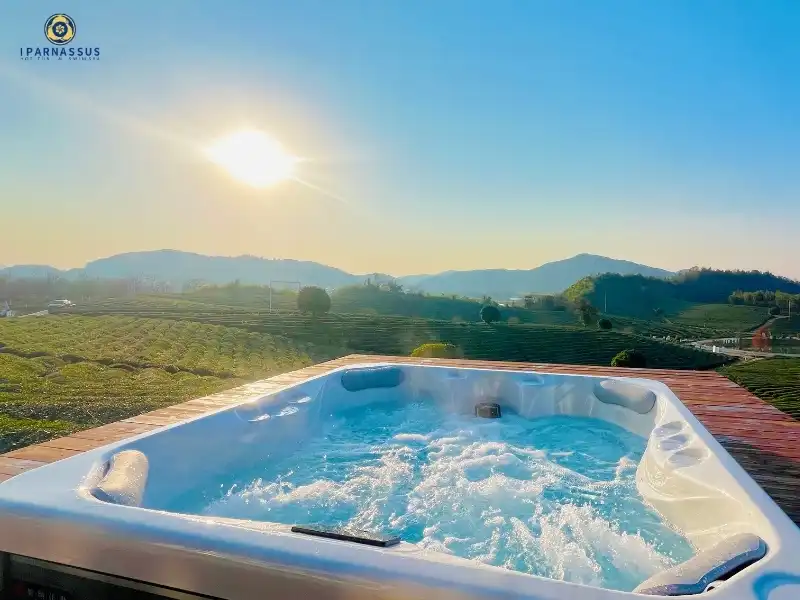
A 4-person hot tub has seating options that may be used by four individuals at once, making it suitable for small group events as well as intimate couples. These spa systems usually have strong cabinet constructions that can endure commercial-grade use and sturdy acrylic shells reinforced with fiberglass. Precision-engineered hydrotherapy jets, dual-speed circulation pumps, digital control systems, ozone or UV filtering mechanisms, and insulated cabinets that effectively regulate water temperature are among the essential parts.
In comparison to bigger versions, commercial purchasers often wonder if the 4-Person Hot Tub capacity hampers functionality. This assumption is not supported by reality. With ergonomic seat shaping and thoughtful jet placement, contemporary four-seater designs make the most of every square inch of internal space. This optimization strategy is best shown by the iParnassus® P640 model. With one fixed lounge seat, one two-way adjustable lounge seat, and two face-to-face chat seats, this cleverly constructed system comfortably fits four persons. Depending on where they want to sit, guests may either recline alone or have face-to-face conversations, creating chances for both social engagement and relaxation.
The engineering of the P640 resolves frequent issues with conventional spa systems. Compared to smaller jet configurations, the six 5-inch CMP jets provide better therapeutic treatment by targeting the back muscles directly. While the upright seats include calf massage jets, the lounger positions have specific foot and hip massage features. Regardless of seating posture, its all-inclusive covering guarantees that each user receives focused hydrotherapy. For visitors who are not experienced with hydrotherapy equipment, the spa shell's easily accessible diverter valves and air controls make operation easier.
Procurement teams can identify useful benefits by comprehending these criteria. The small size allows for installations with limited area without compromising therapeutic efficacy. Compared to six- or seven-person versions, lower water volumes—typically 300 to 400 gallons for 4-person hot tub units—cut down on filling time and chemical treatment expenses. Simplified maintenance procedures save service hours, which is an important factor for establishments running several spa installations.
Top 5 Benefits of Owning a 4-Person Hot Tub for Commercial and Industrial Use
Enhanced Client Wellness Through Clinical-Grade Hydrotherapy
Hot tub hydrotherapy has therapeutic benefits that go beyond relaxing. Regular hydrotherapy sessions raise serotonin synthesis while lowering cortisol levels by about 32%, according to clinical data. This immediately results in higher visitor satisfaction ratings for hospitality businesses. These advantages are provided by the iParnassus® P640 system, which uses two 3.0 HP pumps to power 46 staggered jets with different diameters. This strong pumping power allows for customization according to specific therapeutic demands by producing a variety of water flow patterns, from soft pulsing rhythms to deep-penetrating massage streams.
Comprehensive body coverage in a 4-person hot tub is ensured by the strategic jet arrangement. Six huge 5-inch jets positioned at lumbar height provide concentrated care to lower back discomfort, one of the most common guest concerns across hospitality demographics. Dedicated foot and calf massage areas increase peripheral circulation, which is advantageous for visitors who stand or travel for long periods of time.
Exceptional Energy Efficiency and Operational Cost Management
In commercial spa operations, energy consumption is a major continuous expenditure. Because of their smaller surface area and water volume, 4-person hot tub versions naturally use less electricity to maintain the ideal water temperature. Even in difficult climates, well-designed insulating systems reduce heat loss. The smart temperature management feature of the iParnassus® control system reduces needless energy use during low-occupancy times by learning use trends and optimizing heating cycles accordingly.
Benefits from lower operating costs go beyond utilities. Compared to conventional PVC substitutes, food-grade piping throughout the circulation system more successfully inhibits biofilm formation and bacterial colonization. This material selection lengthens the time between full water changes and lowers the need for chemical sanitizing. These little savings add up over the course of yearly operation cycles for facilities that oversee several spa installations.
Installation Flexibility: Maximizing Property Utilization
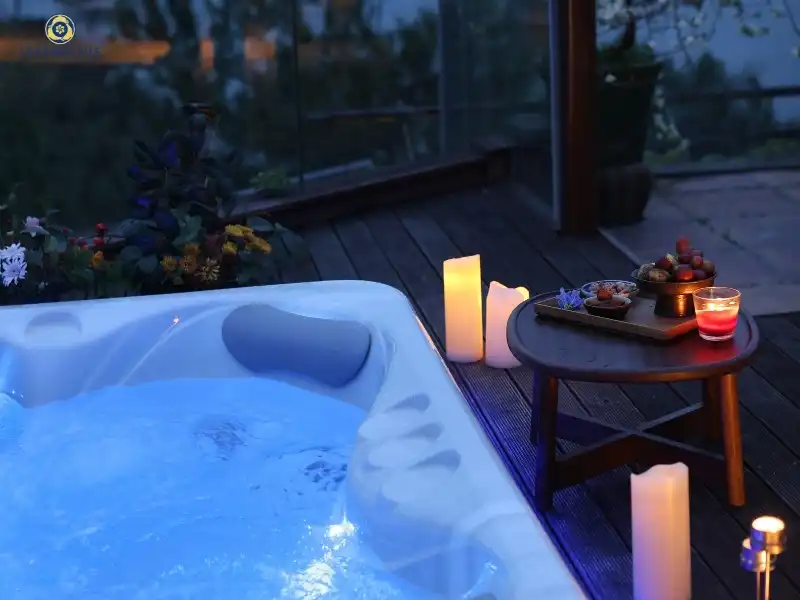
4-Person Hot Tub systems' small size allows for installation possibilities that are not achievable with bigger models. Garden alcoves, balconies, indoor spa rooms, and rooftop deck constructions all become practical choices. Because space is at a premium at boutique hotels and luxury villas, this flexibility is especially helpful. With its beautiful ripple patterns around the rim that resemble real water droplets, the P640's design blends in with sophisticated architectural settings without requiring a lot of visual filtering.
The possibility of indoor installation creates income prospects during bad weather. In order to maximize return on equipment investment, hotels in areas with severe winters might continue to offer spa services throughout the year. Through personalized audio programming, properties may create distinctive spa atmospheres thanks to the four integrated speakers placed at each corner that improve the sensory experience.
Reduced Maintenance Requirements and Simplified Service Protocols
The long-term viability of commercial spa facilities is frequently determined by the complexity of maintenance. 4-Person Hot Tub systems have shorter plumbing runs that reduce possible leak sites, fewer gallons that need chemical balancing, and more easily accessible component location that makes technician service calls easier. Many basic maintenance chores that have historically required human involvement are automated by the iParnassus® self-cleaning and antiviral features. Facility managers may monitor operating status, water levels, and any servicing requirements remotely using smartphone control without having to conduct a physical inspection.
The high waterproofing of the touch-sensitive control panel allows it to endure continuous exposure to steam and splash conditions. Compared to mechanical button systems that are vulnerable to moisture intrusion, this resilience lowers the frequency of replacement. Refill reminders are set off by automated water level detection before low water levels might harm heating elements or pump seals, avoiding costly emergency repairs.
Advanced Customization Supporting Brand Differentiation
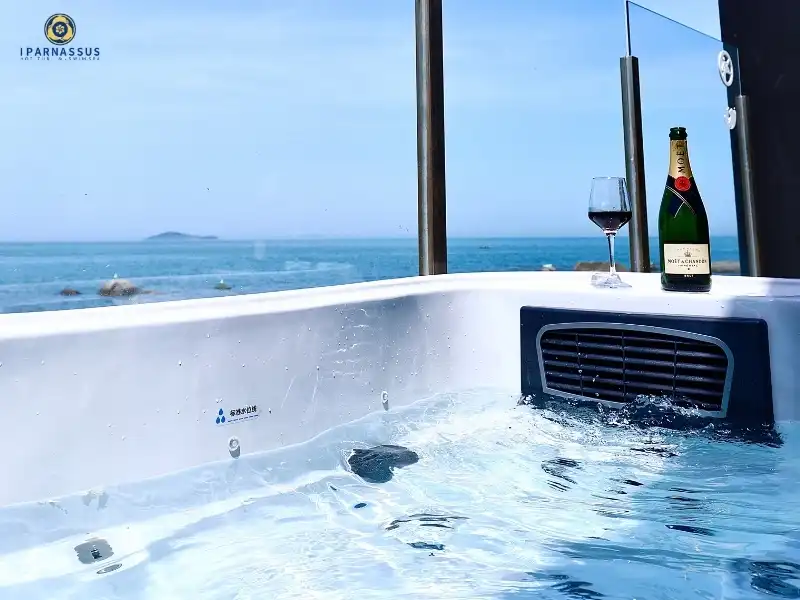
Unique visitor experiences that set establishments apart from rivals are necessary in competitive hospitality marketplaces. For social media marketing, the P640's lit waterfall function produces a visual atmosphere that takes really good pictures. The LED cup holder reinforces the luxury quality of the amenity while adding useful convenience. Guests may stream their own music choices thanks to Bluetooth connectivity, resulting in customized retreat experiences that encourage favorable feedback and repeat reservations.
With these personalization options, the spa's role goes beyond being merely an amenity to become a true experience differentiator. The spa might be included in trademark packages offered by properties, such as health retreats, romance vacations, and post-adventure rehabilitation programs, which charge high prices and draw in certain clientele.
How to Choose the Right 4-Person Hot Tub: Procurement Considerations for B2B Clients?
Aligning technical characteristics with operational needs unique to your industrial application is necessary when choosing the best spa equipment. Corporate wellness centers place an emphasis on therapeutic efficacy and maintenance efficiency, resort operators value durability and aesthetic appeal, and distributors concentrate on certification breadth that allows access to a variety of regional markets.
The two main performance metrics are pump power and jet count. With a 4-person hot tub capacity that surpasses industry norms, the P640's 46-jet layout, driven by two 3.0 HP pumps, provides massage intensity on par with larger commercial-grade systems. This requirement becomes even more important for goods such as a four person hot tub aimed at wellness-conscious customers or sports recovery sectors, where purchasing decisions are directly influenced by therapeutic efficacy.
The availability of loungers has a big influence on visitor happiness and usage trends. Models with at least one full-recline lounger position should be given priority in properties that appeal to couples. While face-to-face seating preserves the possibility of social contact for small groups, the P640's twin lounger configuration—one fixed, one adjustable—allows couples to use it simultaneously.
Market accessibility for distributors and end users' trust in compliance are determined by the scope of certification. Strict safety testing and regulatory compliance in key markets are demonstrated by eight international certifications, including RoHS and KC standards. Installation projects might be derailed by procurement worries about code infractions or insurance issues, which are eliminated by this certification portfolio.
Longevity and health safety are both impacted by material quality. The circulation system's food-grade piping responds to consumers' rising concerns about materials that come into contact with water. For properties that promote wellness and health-conscious features, this standard offers persuasive marketing language.
Reputable manufacturers are distinguished from commodity vendors by warranty coverage and post-installation service. Procurement expenditures are safeguarded by comprehensive warranty schemes that cover shell construction, plumbing integrity, equipment components, and surface finish. When service issues come up, responsive technical help that is available via phone, email, and remote diagnostics reduces operational disruptions.

Maintenance and Safety Tips to Maximize Your 4-Person Hot Tub Investment
Maintaining equipment properly increases its lifespan while guaranteeing visitor enjoyment and safety. Because they are used more often and have a wider range of users, commercial applications require more careful consideration than residential installations.
Effective spa maintenance is built on water chemistry control. In commercial settings, testing should be done at least twice a week to ensure that chlorine levels stay between 3 and 5 parts per million. Chemical balancing is actually made easier in 4-person hot tub versions due to the smaller water volume; compared to bigger systems, modifications take effect faster and need less chemical. The iParnassus® control system's automated reminders reduce human error in maintenance scheduling by doing away with the need for manual checklists.
Regular physical cleaning keeps surfaces clean and aesthetically pleasing. Organic deposits are eliminated by weekly waterline cleansing before visitors may see them. Optimal water circulation and filtration effectiveness are maintained by cleaning and inspecting filter cartridges once a month. The necessity for these manual procedures is lessened but not completely eliminated by the self-cleaning features included in sophisticated control systems.
Water chemistry is not the only factor that affects safety. Local codes pertaining to ground fault circuit interrupter protection and appropriate disconnect placement must be followed by electrical installations. Unauthorized access to equipment compartments is prevented by routine cabinet integrity inspections. To avoid dangerously high water temperatures that might result in harm, temperature limit controls should be checked every three months.
Even if there are no obvious issues, professional service for a four-person hot tub should be planned once a year. Thorough inspections reduce emergency service calls during periods of high occupancy by identifying worn components prior to breakdowns. Operational interruptions are reduced via pump seal inspection, heating element testing, and control system diagnostics carried out during scheduled maintenance periods.
Conclusion
4-person hot tub systems have strategic importance that goes much beyond their small size. Across a range of commercial applications, these adaptable installations provide therapeutic advantages, operational savings, and guest satisfaction measures that support procurement investments. The combination of space-efficient layouts and strong performance specifications—such as 46-jet setups with twin 3.0HP pumps—meets the fundamental needs of luxury residential developers, wellness centers, and hospitality operators. These systems are positioned for long-term usefulness as market demands change thanks to clever technological integration and extensive certification portfolios. Understanding these many benefits, procurement experts may request 4-person hot tub models with confidence, knowing that they offer the best possible balance between practicality and capabilities.

FAQ
1. What water capacity does a typical four-person spa require?
Depending on seat arrangement and depth requirements, the majority of 4-person hot tub models can accommodate 300–400 gallons. This line includes the iParnassus® P640, which needs about 350 gallons to function properly. Compared to bigger capacity systems, this intermediate volume offers enough depth for efficient hydrotherapy while lowering initial fill time and continuing chemical treatment expenses.
2. How frequently should commercial installations require water changes?
Depending on bather load and usage intensity, commercial 4-person hot tub setups usually need full water changes every 60 to 90 days. Properties can stretch intervals toward the 90-day range if they have strong pre-swim washing procedures and efficient filtration systems. When water chemistry can no longer be adequately balanced, automated water quality monitoring made possible by sophisticated control systems offers objective data that indicates the necessity for total replacement.
3. What warranty coverage should buyers expect from reputable manufacturers?
Comprehensive warranty plans usually cover structural shells for five to ten years, plumbing and equipment components for two to five years, and surface finish and cabinet materials for one to two years. With 18 years of manufacturing expertise, the iParnassus® guarantee offers assurance in both product longevity and business stability. For installations in rental buildings or facilities where ownership may change, buyers should confirm if the warranty is transferable.
Partner with iParnassus® for Your 4-Person Hot Tub Requirements
Every commercial and residential installation project benefits from iParnassus®'s eighteen years of specialized 4-person hot tub manufacturing experience. Our P640 four-person model, which combines 46 precisely engineered jets, dual 3.0 HP pumps, food-grade piping, and intelligent smartphone control in a space-efficient design that satisfies the needs of discriminating hospitality operators and luxury real estate developers, is the pinnacle of ongoing innovation. Eight international certifications, including RoHS and KC clearance, attest to our strict quality standards as a top 4 Person Hot Tub manufacturer servicing markets in North America, Europe, Australia, and Asia.
From initial specification consulting to installation advice and continuing maintenance training, our technical staff offers complete assistance throughout the procurement process. Distributors can efficiently service a variety of market areas thanks to bulk order financing choices and customization capabilities. To discuss your particular needs, request comprehensive technical details, or schedule factory demos, get in touch with our sales staff at info@iparnassus.com.
References
1. Anderson, M. & Roberts, P. (2022). Commercial Spa Operations: Maintenance Protocols and Profitability Analysis. Hospitality Equipment Journal Press.
2. Chen, L. (2023). Hydrotherapy in Modern Wellness Programs: Clinical Applications and Business Models. International Spa Association.
3. Davidson, R. (2021). Energy Efficiency Standards for Commercial Aquatic Equipment. American Society of Heating, Refrigerating and Air-Conditioning Engineers.
4. Martinez, S. & Wong, K. (2023). Material Safety in Water Contact Applications: Food-Grade Standards for Spa Systems. Journal of Commercial Pool and Spa Management, 15(3), 45-62.
5. Thompson, J. (2022). Smart Technology Integration in Hospitality Amenities. Cornell University School of Hotel Administration.
6. Williams, D. (2023). Global Market Analysis: Commercial Hot Tub and Spa Systems 2023-2028. Industry Research Corporation.

Send Inquiry