_1768872582663.webp)
4 Person Hot Tub Installation: Costs, Space, and Tips
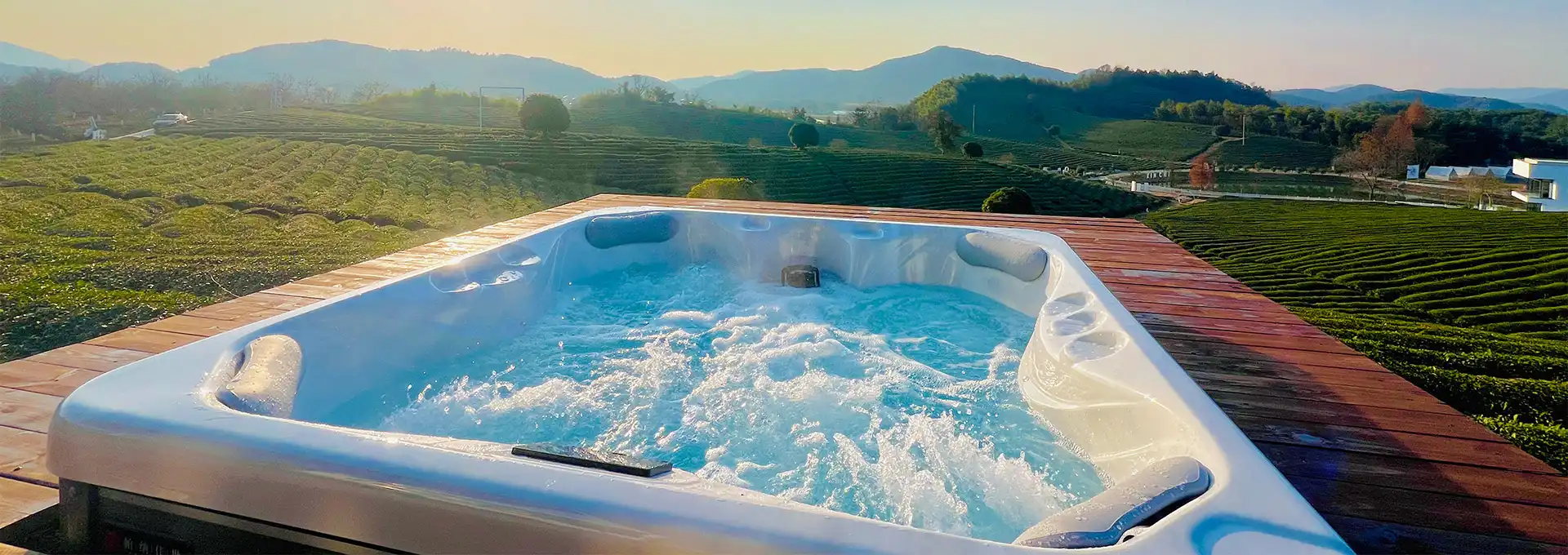
Installing a 4 Person Hot Tub requires careful planning that balances technical requirements with operational efficiency. Whether you manage a boutique resort, luxury villa, or mid-size wellness facility, understanding installation essentials protects your investment while ensuring optimal performance. This guide addresses critical considerations—from space planning and electrical demands to cost management and safety protocols—helping procurement managers, engineers, and distributors navigate the installation process with confidence and precision.
Understanding 4 Person Hot Tub Installation: Key Considerations
Defining Size, Capacity, and Core Features
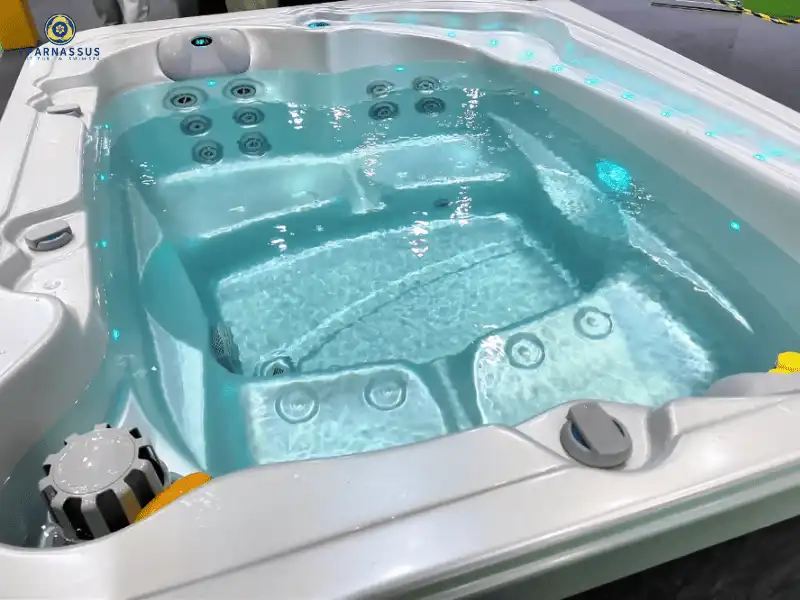
A properly designed four-person spa is usually between five and seven feet long and wide, which is big enough for adults to fit easily while still taking up little space. This balance is shown by the iParnassus® P640 model, which has two face-to-face seats, one fixed lounge seat, and one two-way adjustable lounge seat. This setup works for a variety of situations, from couples wanting to relax together to small groups getting together for social treatment. The 46 carefully placed jets, which are driven by two 3.0HP pumps, give a full-body massage that answers common complaints that standard models don't have enough jet power.
Site Assessment Priorities
Before starting the installation, you should carefully check the spot in three important ways. When spas are full, they usually weigh between 2,500 and 3,000 pounds, so load-bearing capacity is very important. At least 100 pounds per square foot should be able to hold up concrete steps or decking that is strengthened. The electrical system has to be able to handle the voltage needs—most high-end models need 240V dedicated circuits with the right GFCI protection. Access paths need to be looked at to make sure that delivery teams can get through tight gates, doors, or stairs without damaging equipment or property.
Cost Breakdown and Budget Planning
Installation costs are on top of the buying price. Typical project budgets should include the following types of costs:
- Mid-range models: Versions with extensive features represent a competitive mid-range option. The P640, with its 46-jet configuration and two ergonomic seats, fits into this category. Its 5-inch CMP jets and food-grade pipelines help balance performance, durability, and overall project value.
- Delivery and setup: Transportation and installation costs vary depending on delivery distance, site accessibility, and handling requirements. Expenses may increase when cranes or specialized lifting equipment are needed for rooftop installations or difficult terrain.
- Electrical work: Professional electricians are required to install dedicated circuits, breakers, and GFCI protection. The final cost depends on the distance from the main electrical panel, site conditions, local labor rates, and electrical requirements.
- Site preparation: Concrete steps, gravel bases, reinforced decks, or other structural improvements may be required. Proper foundation preparation helps prevent settling, movement, and long-term structural deterioration.
- Permits and inspections: Local building authorities may require permits and inspections based on regional regulations. These requirements help ensure that electrical, structural, zoning, and safety standards are properly followed.
- Understanding these requirements allows procurement teams to develop more accurate project budgets, negotiate effectively with contractors, and reduce the risk of unexpected expenses, installation delays, or project failures.
Space Planning and Dimension Guidelines for 4 Person Hot Tubs
Precise Dimensional Requirements
Space planning that works goes beyond the spa's actual size. Leave at least 30 inches of space on all sides that can be reached for maintenance, cleaning filters, and fixing equipment. The P640's smart design puts the diverter and air valves inside the tub where they are easy to reach, so there's no need for large panels on the outside. This careful engineering makes regular upkeep easier while keeping the design's good looks.
For installations inside, the ceiling should be at least 48 inches higher than the spa height to allow steam to escape and keep users comfortable. Ventilation systems that work right keep buildings from getting too wet, which damages building materials and makes places unhealthy.
Comparing Spatial Efficiency Across Configurations
Four-person models make the best use of room in ways that bigger units can't. A normal six-person spa takes up about 80 to 90 square feet, while a small four-person spa only needs 35 to 50 square feet, which means they can often fit on porches, small patios, or wellness rooms in buildings that are already there. This economy is very important for homes in cities, on rooftops, or in high-end apartments where every square foot is worth a lot. Even though it is smaller, the P640's dual lounger design provides high-end ease that is usually only found in bigger hot tub four-person types. The lounge seat can be adjusted to fit different body types and tastes, and seating arrangements that put people face-to-face encourage conversation and social interaction, which makes the guest experience better in a four-person hot tub.
Infrastructure Integration and Compliance
When installations go well, they work with the plumbing and electricity that are already there and meet safety standards in the area. In North America, installations must follow the National Electrical Code (NEC); in Europe, they must follow IEC standards; and in South Korea, they must meet KC certification requirements. The P640 has eight foreign certifications, such as RoHS and KC, which speed up the approval process in many different countries and cut down on regulatory delays that affect project timelines.
The water supply connections should have enough flow rates to fill up completely and regularly. Drainage systems need to be able to handle 300 to 400 gallons of water safely, without flooding or damage to property. Strategic location close to existing utility lines makes installation easier and cheaper.
Step-by-Step Installation Guide for 4 Person Hot Tubs
Pre-Installation Readiness
Installation success depends on how well you prepare. Make sure that suppliers agree to delivery times and that contractors are available to avoid delays. Make sure that electrical permits have been received and that the installation spot meets all of the structural and size requirements that were talked about earlier. Get rid of anything that might be in the way and make sure that landscaping or interior finishes don't get damaged while the equipment is being moved.
Site Preparation and Foundation Work
Set up a steady, level base that can hold the weight of the full spa. To keep water from building up, concrete steps should be at least four inches thick and have the right drainage grade. Gravel bases work well for short-term installs or places that naturally drain well. They need at least four inches of packed crushed stone. For proper load distribution and structural integrity, reinforced decking needs to be checked by a professional.
Positioning and Leveling Procedures
Once the base has hardened, carefully place the spa using the right lifting tools. If the unit is even slightly off-level, the pump will break down early, the water levels will be uneven, and the door seal will not work right. Check that the spa is perfectly horizontal in all directions with a precision level. If necessary, add shims or more base material to make the necessary adjustments.
Electrical System Connection and Testing
Licensed electricians should do all electrical work and make sure that dedicated 240V circuits with the right amperage capacity are set up. It's important that the P640's two 3.0HP pumps get enough power to work properly without breaking switches or dropping the voltage. GFCI protection is very important for safety because it cuts power right away if a ground fault happens. Once everything is hooked up, make sure all the electrical parts work properly by testing the lights, pumps, heaters, and control systems. Only then should you fill the spa with water.
Water Filling and System Calibration
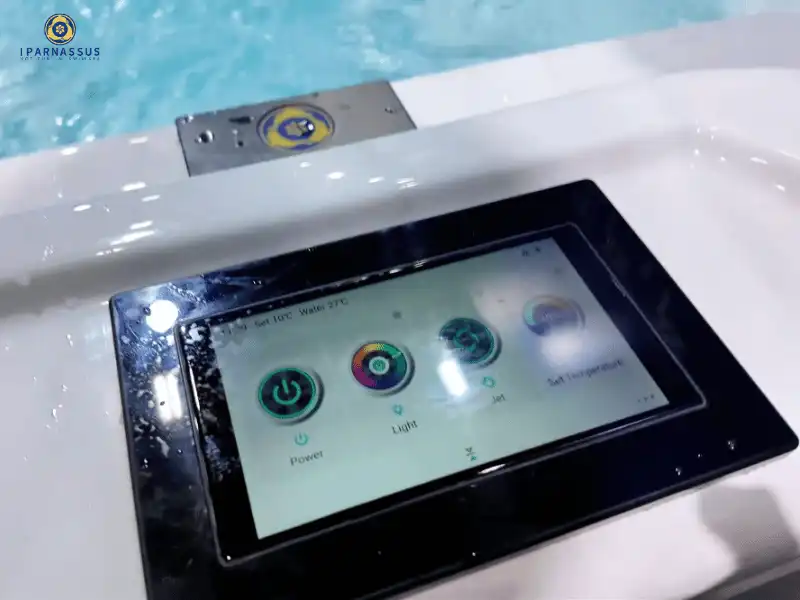
Use an outdoor hose or a separate water supply line to fill up the spa. Check for leaks around fittings, jets, or pipe connections as you do this. Once it's full, run the filtration system and check the chemistry of the water. If necessary, adjust the pH and sanitizer levels to the right levels. The iParnassus® smart control system lets you check the temperature of the water and the state of operations on your smartphone. This makes management easier for facility workers and cuts down on the need for constant manual oversight.
Turn on the massage jets one at a time, making sure that all 46 of them provide the right amount of water flow and pressure. The P640's staggered jet arrangement should create different flow patterns that work on the muscles in the back, feet, hips, and calves. Make sure that the four-corner speaker system and illuminated waterfall feature work properly by testing them.

Managing Installation Costs and Energy Efficiency for B2B Procurement
Comparing Service Options and Procurement Strategies
There are different ways to install things, from doing it all yourself to hiring a full-service company. Each has its own costs. Do-it-yourself setups save money on labor costs, but they need technical know-how and can mess up your guarantee if something goes wrong. Professional installation services usually add 15 to 25 percent to the total cost of the project, but they guarantee the work and make it easier to file a warranty claim.
When distributors and OEMs buy a lot of units, they can negotiate bulk discounts that make each unit much cheaper. When you work with experienced hot tub four-person manufacturers like iParnassus®, you can get better prices, faster shipping times, and better technical help, all of which make it easier to complete projects on multiple sites.
Energy Consumption Patterns and Efficiency Measures
Long-term earnings depend on operational expenses; thus, energy savings are crucial when purchasing a four-person hot tub. Premium insulation keeps heat in, keeping water at the proper temperature with minimal heater labour. The P640 features superior insulation to function in many conditions without consuming much energy for a four-person hot tub.
Thermal coverings reduce heat loss by 75% or more while the spa is not in use, saving energy expenditures. Automated cover lifts are easy to operate, resulting in frequent release and maximum energy savings. Variable-speed circulation pumps filter well and use less power than single-speed types.
Well-insulated versions utilise 3–5 kWh per day in moderate climates. Weather, local power tariffs, and usage patterns affect the average yearly running expenses. These factors provide a clearer basis for accurate lifetime cost estimates, helping purchasers compare long-term operating requirements and choose wisely.
Warranty Coverage and After-Sales Support
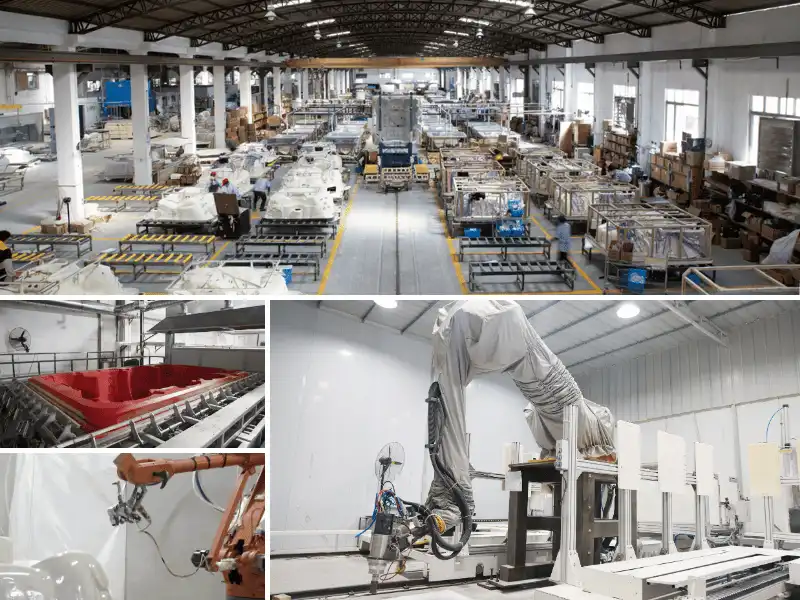
Full insurance coverage protects against mistakes in manufacturing and early component breakdowns. iParnassus® has strong guarantee terms that cover the building's structure, its pipes, and its main parts, such as pumps and heaters. Local service networks make sure that repairs and maintenance are done on time, which cuts down on downtime that hurts customer satisfaction and revenue.
Check the suppliers' service response times, availability of parts, and level of expert help when you are choosing one. iParnassus® has been making spas for 18 years, so they can provide solid after-sales service that protects your investment for as long as it works. This knowledge is especially useful when installations are used for business purposes and equipment failures have a direct effect on how the business runs.
Essential Safety Tips and Maintenance Best Practices
Critical Safety Protocols
Always consider electrical safety. GFCI protection must be installed in all installations to cut power immediately during a ground fault. Make break switches accessible for emergency shutdowns. Regularly checking power cords and connections prevents shocks.
Water chemistry management prevents bacteria and maintains equipment. Maintain a chlorine level of 3–5 ppm and test the water twice a week when using it. Food-grade piping on the P640 eliminates the risk of chemicals leaching or cheap materials contaminating your health and safety.
Emergency plans should include power outages, water chemical issues, and user injuries. Display usage guidelines with population limits, temperature recommendations, and time limits. These safety measures reduce liability while keeping guests safe in all situations.
Routine and Seasonal Maintenance Requirements
Repairs keep things running smoothly and extend their lifespan. Depending on how frequently they are used, filter cartridges need to be cleaned every two to four weeks and should be changed every 12 to 18 months. The iParnassus® self-cleaning function moves cleaner through internal systems automatically, reducing hand-cleaning.
Water replacement cycles occur every three to four months, depending on pool usage and chemical management. After emptying the spa entirely, clean all of its surfaces using spa cleaners that are developed for that purpose, and examine the jets and fittings for damage or wear. This process detects issues before they become costly.
Distinct climates have distinct seasonal concerns. Antifreeze protection for systems that aren't utilised during the winter is part of being ready for cold weather. Higher temperatures speed up the breakdown of chemicals and the development of germs, so operations in the summer may need to be replaced more regularly.
Extending Equipment Lifespan Through Preventive Care
The total cost of ownership decreases by a considerable amount when maintenance is done ahead of time. Every year, inspect the pump seals and motor bearings for leaks and rectify tiny issues before they grow worse and destroy more costly parts. The P640's conveniently accessible valve location makes inspections easy and saves money on maintenance work while boosting service dependability.
Cover upkeep is extremely crucial. To preserve coverings from cracking and UV damage, clean them once a month with mild soap and vinyl protectant. Covers that are taken care of correctly last five to seven years, whereas covers that aren't taken care of need to be changed every two to three years.
Keep track of all the repair work you conduct by generating service records that indicate you supplied the necessary attention. This documentation is particularly important for filing warranty claims, and it helps future maintenance providers understand the history of the equipment. The iParnassus® smartphone control system delivers operational details that assist with planning maintenance and addressing issues.
Conclusion
For a 4 Person Hot Tub installation to go smoothly, it's important to plan ahead and think about things like room needs, electrical requirements, budget, and ongoing upkeep obligations. The iParnassus® P640 model shows how careful engineering, with its 46 powerful jets, two ergonomic chairs, and eight international certifications, can offer high performance in a small package that can be used in a variety of business and domestic settings. By following the tips in this guide, procurement managers, facility engineers, and distributors can make installations that satisfy end users and protect the long-term value of investments through proper site preparation, professional electrical work, and regular maintenance.
FAQ
1. What electrical requirements do four-person spas typically demand?
Most high-end models need their own 240V lines with 40–60 amps of power and GFCI safety. The exact amperage depends on how the equipment is set up, such as the heater's wattage and pump horsepower. Professional electricians should check to see if local codes are being followed and make sure there is enough power to keep things running smoothly and safely.
2. How do delivery lead times affect project planning?
Standard shipping usually takes two to four weeks for local shipments. For foreign orders, it can take up to ten weeks, based on where they are going and how quickly customs clears them. For distributors who are in charge of multiple installations, being clear with 4 Person Hot Tub suppliers about lead times keeps schedules from clashing and makes sure that contractors are available when they are needed.
3. Can installations accommodate non-standard spaces or challenging access?
Expert installation teams often use special tools like cranes, lifting straps, or custom ramps to get into places that are hard to get to. Four-person models are easier to use in tight spaces than bigger ones because they are smaller. However, making sure there are enough clearances for transport and ongoing upkeep is still an important part of evaluating the site.
Partner with iParnassus® for Your Hot Tub Procurement Needs
iParnassus® has been making high-quality spa products for 18 years and is now available to procurement professionals who want reliable, high-performance products with full technical support. Our P640 model has strong hydrotherapy features and the high-end comfort your clients want. It also has eight foreign approvals that make it easier to enter markets in North America, Europe, South Korea, and other places. Our team has the knowledge and after-sales service to make sure that your project is a success, whether you are in charge of installing products at resorts, selling to high-end residential markets, or supplying wellness centers. Find out how our advanced control systems, food-grade materials, and new jet designs can help your products stand out in a crowded market. Email our team at info@iparnassus.com to talk about big discounts, technical details, and ways to work together with a reliable 4 Person Hot Tub maker.
References
1. National Electrical Code Handbook, National Fire Protection Association, 2023 Edition
2. Residential Hot Tub Installation Standards, Association of Pool & Spa Professionals, 2022
3. Energy Efficiency in Spa Equipment: A Technical Guide, International Spa Industry Association, 2023
4. Commercial Wellness Facility Planning and Design, Hospitality Design Magazine, 2022
5. Water Chemistry Management for Commercial Spas, Centers for Disease Control and Prevention, 2023
6. Building Code Requirements for Spa Installations, International Code Council, 2021

Send Inquiry