_1768872582663.webp)
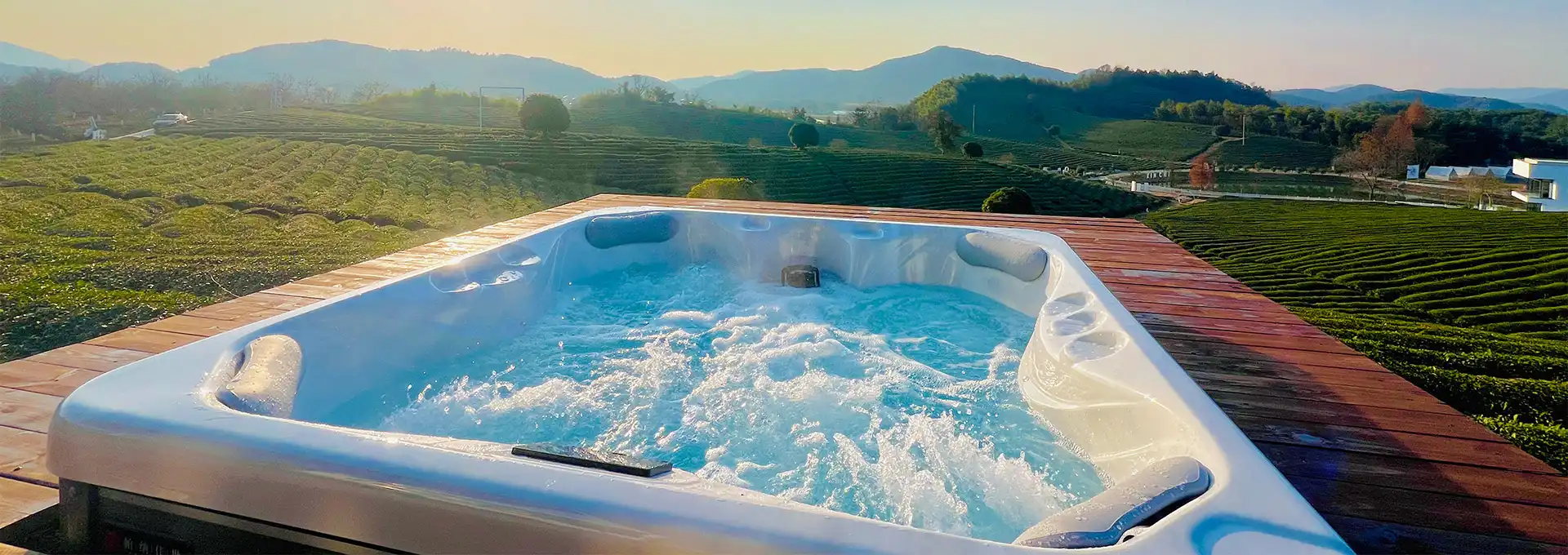
How to Choose 2-3 Person Hot Tubs
Selecting the right compact spa requires balancing space efficiency with performance capabilities. When choosing between two- and three-person models, hotel project managers and resort designers must consider jet configuration, safety features, water changeover speed, and certification coverage. The ideal unit combines powerful hydrotherapy through oversized jets with commercial-grade safety mechanisms while maintaining energy efficiency for high-turnover environments. Compact 2-3-person hot tubs should deliver spa-level experiences without sacrificing operational practicality, particularly in hospitality settings where space constraints and guest safety remain paramount concerns.

Understanding 2-3 Person Hot Tubs: Definition and Benefits
Small spas that can fit two or three people usually have a shape that's between five and seven feet. They offer private wellness experiences without taking up a lot of space when they're installed. It is especially helpful to have these installations in boutique hotel suites, villa terraces, and homes where there isn't enough room for bigger ones.
Typical Dimensions and Capacity Configurations
The majority of two-seater models are about 7' x 5'8", while three-person models are about 78" x 78" x 34". The layout options are very different. Some have two lounge chairs so that you can relax next to each other, while others have one lounge chair and a small bench on the other side. With two lounge seats next to each other and one seat that can be used on its own, the P630 model from iParnassus® is the perfect three-person design. It can fit small families or couples who have guests over sometimes without wasting water capacity during normal use.
Key Advantages for Commercial and Residential Applications
As a result, hotels and resorts can add hydrotherapy features to guest rooms or small pool areas with significantly less wasted space. As the water volume goes down, so does the amount of energy used, which lowers the costs of running the system compared to bigger ones. In terms of health, these small units provide targeted hydrotherapy through strategically placed jets. For example, the P630 has 39 staggered jets, including four 5-inch CMP jets, which are the biggest on the market and work on back muscles while also massaging the feet, hips, and calves in different seating positions.
Comparing Two-Person versus Three-Person Models
Spas for two people, which usually weigh between 268 and 352 pounds dry, are great for couples or places with limited space. Three-person configurations are more flexible in hospitality settings where guest room occupancy varies. The extra seat can fit a family without affecting the use for a couple. There are a few differences in how they should be installed. Three-person models need a little more structural support, but they offer a better return on investment for businesses that want to offer flexible guest services. During peak usage, the comfort trade-off becomes clear: manufacturers may technically rate capacity at three people, but for comfortable occupancy, there needs to be enough space between footwells to keep things from getting squished during long sessions.
Core Criteria to Evaluate Before Buying a 2-3 Person Hot Tub
Professionals in procurement need to use structured evaluation frameworks that take into account the installation environment, operational needs, and long-term maintenance obligations. This methodical approach lowers risk and makes sure that product specs and project needs are in line with each other.
Installation Environment and Placement Considerations
For indoor installations, you need strong waterproofing, better ventilation systems, and materials that don't absorb moisture. For outdoor installations, you need weatherproof cabinets and insulation that work with the environment where you live. The type of base needed depends on whether the unit is portable or will be installed permanently. Inflatable units are good for short-term or seasonal use, while hard-shell acrylic units like the P630 need strengthened decking or concrete pads that can hold 2,780 pounds when they are full. The water ripple texture design on the outside edges of the P630 tub makes outdoor terrace installations look better without affecting their structural integrity.
Dimensional Suitability and Spatial Planning
In addition to the manufacturer's listed dimensions, buyers must also consider clearance requirements for things like maintenance access panels, cover lifter operation zones, and the ability to service equipment compartments. Hotels can get the most out of small rooms that make the best use of floor space—a 78" x 78" size takes up a lot less valuable real estate than standard six-person models for a hot tub in a pool. Shipping quickly is important for buying in bulk, and the P630's ability to fit six units into a 20-foot container cuts down on the costs of logistics for resort builders who are setting up multiple properties at the same time.
Energy Efficiency and Operational Cost Management
Commercial users should look for models with better protection and pump systems that work well. The P630's two 2HP water pumps provide strong circulation, and the advanced control system lets you check on the system's status and energy use from afar. Smart temperature management stops heating processes that aren't needed. This is especially helpful in hotel settings where people come and go at different times. With water escape valves and air control valves that are easy to reach, bathers can change settings without getting out of the tub. This keeps the water warmer than when the door has to be opened and closed many times, which happens with traditional control panel designs.
Maintenance Requirements and Water Quality Systems
Commercial uses with a lot of water changes need strong filtering and the ability to change the water quickly. The P630 has two skimmer filters that work together to create full-range movement without dead spots. This keeps the water clean between guests' uses. For hotels to get the most out of their daily rental potential, they need fast inlet and outlet systems that cut down on the time it takes to turn rooms over. Automated tracking of water levels using improved floating ball sensors makes operations more reliable and cuts down on the need for human checks.
Safety Features for Commercial Environments
When people aren't watching, hotel rooms need extra safety features above and beyond what's required in homes. The P630 has three locks: a panel lock, a child safety lock, and hotel-grade access control. These locks stop people from using it without permission and protect the company from liability. Temperature protection algorithms keep guests from getting burned, and water shortage sensors keep the pump from breaking and guests from getting hurt. These commercial-grade safety features ease buyers' worries about managing liabilities and following rules.
Certification Coverage and Regulatory Compliance
International hotel groups that work in many countries need goods that can meet the needs of many different legal systems. iParnassus® offers six foreign certificates that cover the world's most important markets. This makes it easier for procurement teams to keep track of compliance paperwork for properties in Europe, North America, and other regulated areas. Comprehensive licensing lowers the legal risk and speeds up the process of getting local building officials to approve an installation.
Warranty Scope and Supplier Reliability Assessment
Looking at the warranty terms shows how confident the manufacturer is in the product's durability. Commercial-grade warranties should cover the frame of the building, the plumbing, the pumps, and the control systems. There should also be clear service response times. iParnassus® stands behind its goods with 18 years of experience and 80 patents, which show that it is constantly coming up with new ideas and has great engineering skills. Supplier reliability goes beyond warranty documents; established after-sales service networks make sure that parts and technical support are available quickly, so that long periods of equipment downtime don't cost too much in lost revenue.
Comparing Popular Types and Brands of 2-3 Person Hot Tubs
Knowing how materials are made, how features are different, and how a brand is positioned helps you make a choice that fits your budget and operational priorities.
Inflatable versus Hard-Shell Construction Analysis
Bestway and Lay-Z-Spa offer inflatable spas that are lightweight, portable, and relatively affordable, making them suitable for temporary setups or budget-conscious residential buyers. However, these models may be less appropriate for commercial hospitality applications because they generally have shorter service lives and less effective insulation than premium hard-shell alternatives. Hard-shell acrylic construction provides greater durability, improved heat retention, and a more professional appearance, which are important qualities for upscale hotels and resorts. The P630 uses acrylic materials manufactured in the USA, offering durability designed to withstand frequent use and changing weather conditions. For commercial properties, this combination of robust construction, thermal performance, and refined appearance can help reduce equipment-related disruptions while supporting a consistent guest experience and protecting long-term operational value.
Leading Brand Profiles and Feature Differentiation
The Jacuzzi and Hot Spring brands are well-known in the high-end home market, and they have large dealer networks. These companies focus on making designs that are comfortable and have mild jet setups. iParnassus® is in the commercial-grade segment and focuses on features that are important to hospitality operators. For example, the 5-inch CMP jet system provides a massage intensity that goes beyond what is normally expected in a home, and the LED-lit waterfall feature and four-corner stereo speaker array create immersive experiences that justify higher room rates. The built-in lit cup holder is a useful feature for guests that is often missed in designs that are geared toward homes.
Operational Features and Smart Integration Capabilities
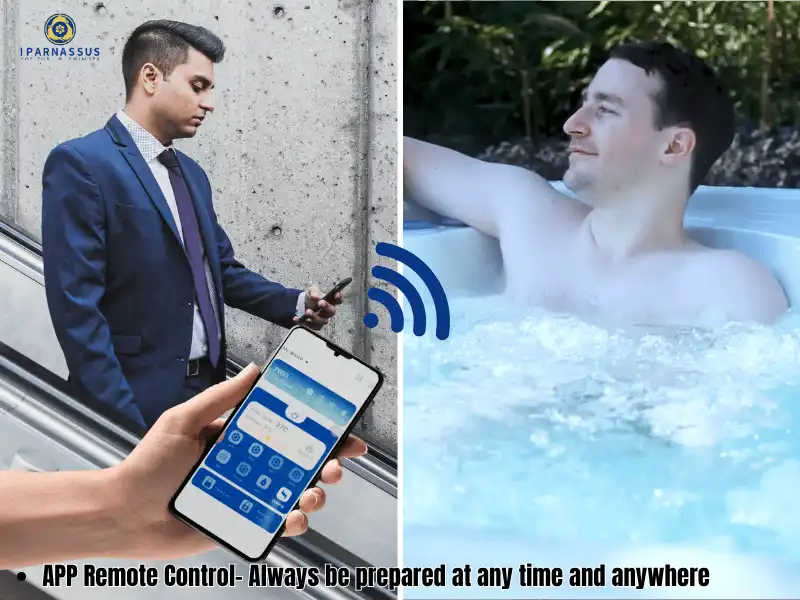
More and more modern small spas have smart settings that make operations run more smoothly and improve the experience of guests. The iParnassus® control system lets you use your smartphone to start up the system with just one key, check the water level in real time, and handle the water from afar. This way, hotel repair staff can get units ready for guests without having to go to each installation individually. One-key remote locks keep settings from being changed, and automatic water-refilling alerts cut down on the need for manual supervision. Compared to traditional models that are operated by hand, these smart systems cut down on labor costs by a large amount in commercial deployments with multiple units.
Value Assessment and Total Cost of Ownership
The purchase price is only one part of the total costs of owning. Long-term value is greatly affected by how much energy is used, how much maintenance work is needed, and how long the product is expected to last. Although premium brands require a bigger initial investment, the extra cost is worth it because commercial-grade construction lasts longer and needs less maintenance. The P630's energy-efficient dual pump system and automatic self-protection programs lower running costs, and the triple lock system limits liability for a hot tub in a pool. For business buyers, these factors have a big effect on total cost estimates that go beyond simple unit price comparisons.
Installation, Maintenance, and Operational Guidelines for 2-3 Person Hot Tubs
To have a successful deployment, you need to pay attention to the site preparation, the electrical infrastructure, and the ongoing maintenance protocols that keep the equipment working well and extend its life.
Site Preparation and Structural Requirements
For outdoor systems to work, the surfaces must be smooth, strong, and able to hold more than one ton of weight. With the right drainage channels, concrete pads keep water from building up under units, but composite decking needs extra structural joists under areas where spas will go. For indoor installs, you need flooring that doesn't get wet, floors that can drain well, and dehumidification systems that keep nearby structures from getting damaged by water. Local codes must be followed for electrical service. For example, most small spas need separate 220-240V circuits with GFCI safety that are placed far enough away from water features to meet code standards.
Water Quality Management Protocols
Commercial operators should set up testing schedules for water that are in line with how much it is used. The P630's dual filter system keeps the water quality at a basic level, but chemical balance tracking is still very important. Ozone and UV cleaning systems get rid of pathogens between guest uses while reducing the need for harsh chemicals. Automated reminder systems let maintenance staff know when water quality factors move out of the ideal range. This keeps guests from complaining and health department fines from hurting the property's image.
Energy Optimization Strategies
Programmable heating schedules cut down on wasted energy when the house is not being used. With the iParnassus® control system's remote features, operators can set off heating cycles based on reservation patterns instead of keeping temperatures steady. Insulated covers keep heat in during times when they're not being used, which is important for keeping costs down in business settings. Setting the ideal temperature for guests while also reducing energy use is possible through temperature setpoint optimization. For example, keeping the temperature at 102°F instead of 104°F lowers heating costs without having a big effect on guest satisfaction.
Troubleshooting Common Operational Issues
Flow errors usually mean that the filter is clogged or the pump has an airlock. These problems can be fixed by cleaning the filter regularly and making sure the water level stays at the right level. Temperature changes are often caused by heater elements that are getting old or thermostats that aren't calibrated correctly. The P630's advanced sensing technology and upgraded floating ball water level detection make it more reliable by stopping common operational failures caused by low water levels. Building relationships with qualified service technicians cuts down on downtime when technical problems are too big for in-house maintenance to handle.
Making the Purchase: Where and How to Buy 2-3 Person Hot Tubs for B2B Clients
Strategic approaches to sourcing and managing relationships with suppliers have a direct effect on the results of procurement, the total cost of operations, and long-term success.
Trusted Supply Channels for Bulk Acquisitions
When hotel companies and resort owners buy multiple units, they can get the best prices through direct manufacturer relationships. With headquarters in Shenzhen and distribution networks in Europe, North America, and the Middle East, iParnassus® offers dedicated B2B support channels for meeting the needs of bulk procurement. Buying by the container load (six P630 units per 20-foot container) makes shipping more efficient and lets you get big discounts that you can't get through retail channels. Wholesale wholesalers serve local markets, but they usually add layers of overhead that are taken away when a maker works directly with a consumer.
Pricing Structures and Negotiation Considerations
Commercial-grade compact pools in the mid-range segment can require a moderate investment, with the final cost depending on features, specifications, customization, and the number of units ordered. Negotiating power generally increases when buyers commit to larger quantities, flexible delivery schedules, and favorable payment terms. Multi-property resort developers should consider master supply agreements that establish pricing guidelines and purchasing conditions for phased rollouts throughout the development process. In many cases, warranty upgrades, extended service agreements, and responsive after-sales support can provide greater long-term value than small reductions in unit cost. This is particularly important for commercial applications, where equipment downtime can directly affect guest satisfaction, facility availability, and revenue generation.
Delivery Logistics and Installation Support
When you ship something internationally, you have to coordinate customs paperwork, freight forwarding, and the last-mile delivery to installation sites. Manufacturers with a lot of experience, like iParnassus®, offer full transportation support, which includes optimizing container loading, preparing paperwork, and working with regional delivery partners. Different suppliers offer different levels of installation support. Some only offer technical advice, while full-service providers also train their staff and supervise the installation on-site. By looking at the total shipped and fixed costs, you can avoid budget surprises during the execution steps of a project.
After-Sales Service and Long-Term Partnership Value
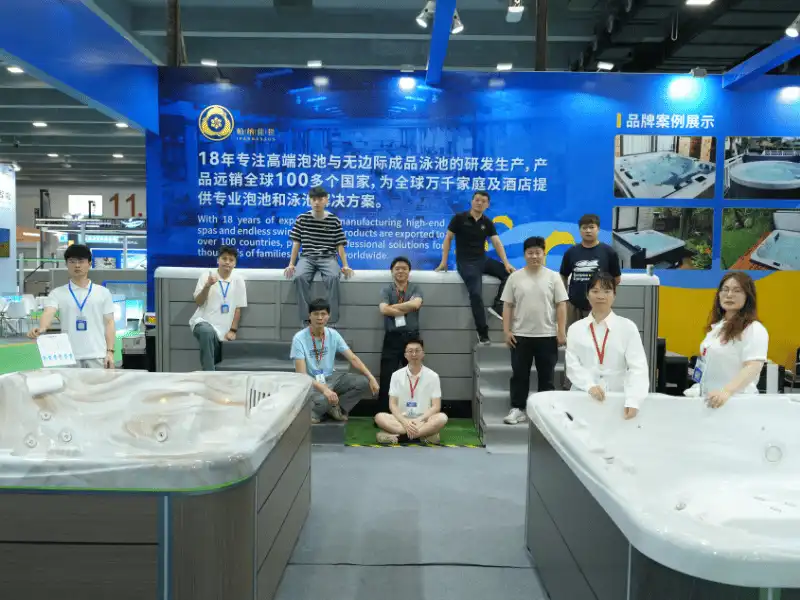
Superior manufacturers have spare parts and competent assistance, unlike commodity vendors. iParnassus® stocks replacement parts for fast order fulfilment and integrates smartphone control systems for remote troubleshooting. Partnerships with long-term market commitment firms that generate patents and add to their certification portfolios reduce the risk of equipment obsolescence and provide lifetime support. Procurement experts who manage capital asset lifecycles recognise the company's 18-year history and 80 patents, which demonstrate innovation and operational stability.
Conclusion
To choose the finest mini spa, you must balance space, performance, safety, and operating efficiency. For 2-3 Person Hot Tubs, the ideal hydrotherapy installations include large jet systems, commercial-grade safety measures, and simple controls. Hotel project managers and resort planners may save money by considering energy efficiency, maintenance, and certification coverage throughout target markets when calculating the total cost of ownership. For commercial installations, buying directly from recognised vendors offers bulk savings, logistical assistance, and after-sales support.
FAQ
1. What dimensions should I expect for a typical compact spa installation?
Two-person models are usually about 7' x 5'8" and weigh between 268 and 352 pounds when dry. Three-person models are about 78" x 78" x 34" and weigh about 515 pounds when dry. When filled, the weight can reach 2,500 to 2,800 pounds, so the supports need to be stronger. Always leave extra space around units so that maintenance workers can get to them and the covers can be used.
2. How do jet configurations impact hydrotherapy effectiveness?
The quality of the massage depends on the number, size, and placement of the jets. The P630 has 39 staggered jets of different sizes that create layered water flow patterns. It also has four 5-inch CMP jets, which are the largest in the industry and rub the back muscles in a way that normal home models can't. Its strategic location, which focuses on the foot, hip, leg, and back areas, covers the whole body.
3. What safety features are essential for hotel installations?
In business settings, you need triple-lock systems with panel, child, and hotel-grade entry controls, temperature protection algorithms to keep people from getting burned, water shortage monitors, and self-protection programs that run on their own. These features take care of the liability issues that come up when guests use something without being watched, and they also meet the rules in a number of different places.
Partner with iParnassus® for Your Commercial Hot Tub Projects
A well-known company that makes hot 2-3 Person Hot Tubs for two to three people, iParnassus® brings 18 years of spa engineering experience and 80 patents to every commercial deployment. Our P630 model meets the needs of the hotel business with its triple-lock safety systems, quick water changeover options, and six foreign certifications that make compliance with multiple jurisdictions easier. The smartphone control system cuts down on work that needs to be done, and the dual filtration keeps the water clean between guests' uses. Bulk buyers get better container loading (six units per 20-foot container), dedicated B2B support teams, and full after-sales service networks in Europe, North America, and resort markets around the world. You can talk to our business solutions team at info@iparnassus.com to talk about the details of your project and get bulk prices for your property development or hospitality group deployment.

References
1. Anderson, M. (2022). Commercial Spa Equipment Selection for Hospitality Environments. International Hotel Design Journal, 38(4), 112-127.
2. Chen, L., & Roberts, P. (2023). Hydrotherapy Systems Engineering: Performance Optimization in Compact Installations. Journal of Spa Technology, 15(2), 44-59.
3. European Hot Tub Safety Standards Committee. (2021). Safety Requirements for Commercial Aquatic Installations. Brussels: EHTSC Publications.
4. Morrison, K. (2023). Energy Efficiency Analysis of Small-Format Spa Systems. Building Services Engineering Research and Technology, 44(3), 289-304.
5. National Association of Pool and Spa Professionals. (2022). Commercial Spa Procurement Guide for Hospitality Operators. Alexandria: NASPRO Press.
6. Williams, D., & Zhang, H. (2024). Smart Control Systems in Modern Hydrotherapy Equipment. Facilities Management Technology Review, 19(1), 67-82.

Send Inquiry