_1768872582663.webp)
Best 2-3 Person Hot Tubs for Small Spaces
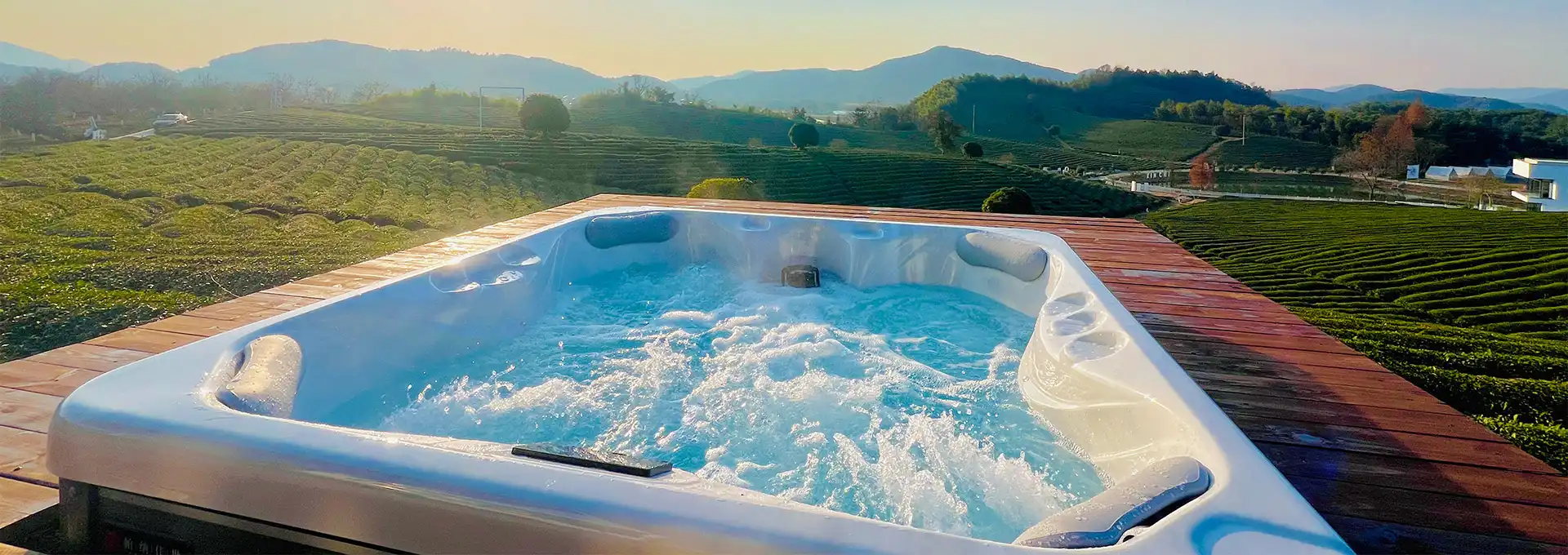
When space is limited but relaxation is non-negotiable, compact spa solutions deliver outsized value. The best 2-3 person hot tubs balance powerful hydrotherapy performance with a footprint small enough for hotel suites, boutique resort decks, and compact residential patios. Most models in this category measure between 60 and 84 inches in length—purpose-built for intimate settings without sacrificing jet coverage or build quality. Whether you are a hotel project manager outfitting multiple rooms or a villa developer curating a premium guest experience, a well-chosen small hot tub transforms constrained square footage into a genuine wellness amenity.
Why Are Compact Hot Tubs a Smart Business Investment?
One of the biggest problems in both hospitality and residential development is that there isn't enough space. A 2-3-person hot tub takes up about 25 to 35 square feet of floor space, but it works just as well for therapy as bigger tubs. The International Journal of Environmental Research and Public Health says that regular hydrotherapy practices lower cortisol levels and improve the quality of sleep. These are the effects that make guests happy and encourage them to book again.
The ROI of Smaller Footprint Spas
Smaller spas heat water more quickly, use less energy per cycle, and need fewer chemicals to keep the water balanced. For hotel managers whose rooms are often rented out, those savings add up quickly across the whole property. A small acrylic spa that can quickly let water in and out can be cleaned between guests in a fraction of the time it takes to clean a full-size unit. This protects room availability and revenue per available room.
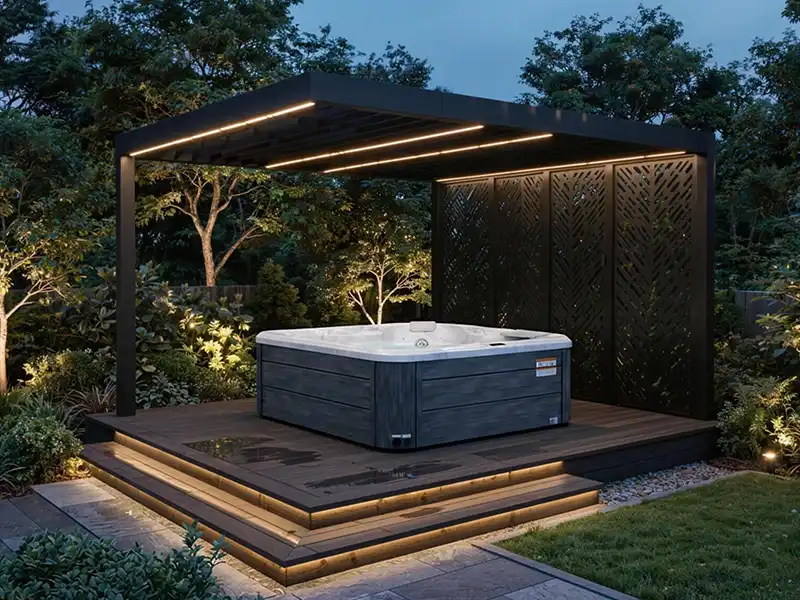
In addition to being more cost-effective, these machines are also more flexible. They can be put on rooftop patios, in indoor wellness rooms, and in beachfront houses, all places where a six-person spa would not work physically or logistically.


Top Features to Prioritize When Sourcing a Small Spa
When looking for the right small spa for home or business use, you need to think about a number of important factors. Here are the main types of features that set high-end units apart from cheaper ones.
- Jet size and count: The massage pressure and coverage are directly related to the jets' diameter. It's clear that models with 5-inch CMP jets, which are the biggest in this type of spa right now, stimulate tissues more deeply than models with 3-inch jets. The 39 spaced jets of different sizes create stacked water flow patterns that work on many muscle groups at once instead of just focusing pressure in one area.
- Safety lock systems: Multiple levels of access control are needed in business settings. A triple-lock setup with a panel lock, a child lock, and a hotel lock stops illegal use, protects children, and meets most liability requirements for hospitality businesses without the need to buy more hardware.
- Certification compliance: Buyers who do business internationally need spas that are certified across a number of different legal systems. Units such as a hot tub in a pool with six foreign certifications, including ones for electrical safety, hydrological standards, and materials compliance, can go through customs and meet the needs of property insurance in North America and Europe without having to pay a lot of money for expensive upgrades.
- Water management speed: Systems that bring in and let out water quickly cut down on the time it takes to turn a room around. When used in a business setting, water changeover speed is an operational KPI, not a feature for convenience.
These details describe the value of buying as a whole. If a unit does well in all four categories, it gets rid of the hidden costs that eat away at ROI over the life of a product. These costs include warranty disputes, fixing problems with compliance, and maintenance downtime.
iParnassus® P630: A Purpose-Built 3-Person Spa Worth Examining
When it comes to small spa models on the market right now, the iParnassus® P630 stands out because of how well it was designed. The P630 has three seats: two lounge seats next to each other and one separate, compact seat on the other side. It can fit three people without having a crowded footwell, which is a problem with many small-footprint models.
Two 2HP water pumps power 39 spaced jets of different sizes, creating different water flow modes that adjust to the user's position. Four jets that are too big are aimed directly at the back muscles. There are foot massage jets and hip-side massage jets on both lounge seats and calf massage nozzles on the separate single seat. This is an example of real ergonomic design, not just specification padding.
The P630's dual skimmer filter system ensures full-range water circulation with no dead filtering spots. This keeps the water clean without needing chemicals to be added all the time. An LED-lit waterfall adds a relaxing visual appeal that fits in with the style of boutique hotels. Four stereo speakers mounted in the corners let guests combine hydrotherapy with music, making the session more valuable and making it seem more luxurious. Inside the tub, the water redirect valve and air control valve are easy to reach, so users can change the flow settings without stopping their soak.
The outside has a finish that looks like water ripples. This was done on purpose to look like natural water patterns and fit in with both modern and natural vacation styles.

Acrylic vs. Inflatable: Choosing the Right Construction for Your Application
The material used to build a small spa affects how long it lasts, how well it looks, and whether it can be used in a business setting. Acrylic models, especially those made with acrylic shell material imported from the USA, are much more durable than vinyl inflatable alternatives when it comes to UV exposure, chemical treatment, and continuous occupancy cycling.
Inflatable Spas: Portable but Limited
When portability is more important than durability, inflatable hot tubs are a great choice for short-term setups, yearly events, or rental fleet rotation. Their lower cost makes them appealing to pilots who are trying to stay within their budgets. They don't always meet the standards that hotel customers expect from a fixed amenity that guests see, though, in terms of jet performance, insulation quality, and surface durability.
Acrylic Spas: Built for Commercial Longevity
Acrylic spas can have more jets, more complex wiring, and smart control systems that are built right in. iParnassus® acrylic units have smartphone connectivity built in, so you can control the temperature, handle the water, and lock the door with just one key. This works with the smart property management systems that many modern hotels and spas use, including applications where a hot tub in a pool is integrated into a larger wellness area. When business buyers look at the total cost of ownership over five to ten years, acrylic construction always gives a better return on investment than inflatable options.

Maintaining a Compact Spa in a Commercial Setting
Disciplined upkeep is needed for operational stability. In commercial settings with a lot of people coming and going, water chemistry imbalances can get worse quickly, putting people's health at risk and damaging equipment. This is taken care of ahead of time by a structured repair procedure.
Ozone and UV sterilization systems kill bacteria without using chlorine alone. This lowers the chemical smell in hotel rooms and keeps guests' skin from getting irritated. Smart self-cleaning programs, which are available in iParnassus® control systems, automate filter cycles and send reminders to refill the water tank, so housekeeping staff don't have to do as much work by hand.
Every 30 days, jet nozzles, filter cartridges, and cover seals should be checked for minor wear so that service calls aren't needed. When you work with a seller that keeps a collection of parts that are easy to get and provides quick technical help, any downtime window is greatly reduced.
How to Structure a Sound Procurement Decision?
A structured evaluation matrix helps procurement teams find small spas that can be used in businesses. By laying out requirements before hiring sellers, you can avoid scope creep and price inflation during the negotiation process.
Some important things to look at when judging are the ratio of footprint to seating capacity, the number and diameter of the jets, the completeness of the lock system, the speed of the water change cycle, the certification coverage, and how well the containers are loaded. The last point is especially important for importers: a spa model that fits six units into a 20-foot general-purpose container costs less per unit to ship than models that fit four units.
Customization options like cabinet color, shell finish, and jet configuration, as well as the ability to scale across different property types, make it even easier for buyers to choose a seller for their diverse portfolio deployments.

Conclusion
2-3 person hot tubs that are small enough for two or three people are one of the best deals in business spa buying right now. They make the most of the space they have, meet strict safety and licensing standards, and provide proven treatment benefits that directly lead to happy guests. The iParnassus® P630 is a great example of purposeful engineering in this category. It has 39 jets, dual filtration, smart controls, and a triple lock system, and it comes in a size that works for hotel rooms, villa terraces, and boutique resort suites. Picking the right small spa isn't just a matter of buying one; it's also a way to set your home apart from others.
FAQ
1. What dimensions should I expect from a 2-3-person hot tub?
In this group of small spas, most of them are between 60 and 84 inches long or wide. The standard size for a business is about 7 feet by 5.8 feet. When figuring out installation space, you should always leave enough space around the unit to allow for maintenance access and cover removal.
2. What certifications matter most for commercial hot tub procurement?
Most of the time, UL, CE, and other related water safety standards must be met in order to sell in North America and Europe. Units with six foreign certifications meet the standards for insurance and regulations in many places without having to pay extra to fix problems.
3. How often should water be changed in a commercial spa setting?
The number of bathers and the quality of filtration affect how often the water needs to be changed. Spas with ozone and UV cleaning don't need to change the water as often, which saves time and effort. Fast water entry and exit methods make full changes between guest rounds possible when needed.
4. Can compact spas integrate with smart property management systems?
Yes, iParnassus® control systems can connect to smartphones and let you change the temperature, handle the water, and lock doors with just one key. This is in line with modern hotel and vacation infrastructure.
Elevate Your Property Portfolio with iParnassus® Compact Spas
Every small spa that iParnassus® makes is backed by our 18 years of experience making spas and our 80 registered patents. Our supplier catalog for 2-3 person hot tubs is made just for hotel project managers, resort developers, and wholesalers who need certified, tried-and-true units at low bulk prices. You can look at the full P630 specification sheet and email info@iparnassus.com to get a personalized consultation and wholesale pricing proposal.

References
1. Laukkanen, T., et al. "Cardiovascular and Other Health Benefits of Sauna Bathing." Mayo Clinic Proceedings, 2018.
2. Becker, B.E. "Aquatic Therapy: Scientific Foundations and Clinical Rehabilitation Applications." PM&R, 2009.
3. "Hot Tub, Spa & Pool Market Size Report." Grand View Research, 2023.
4. "Energy Efficiency in Residential Pool and Spa Heaters." U.S. Department of Energy, 2022.
5. "Water Disinfection for Public Spas and Hot Tubs." Centers for Disease Control and Prevention (CDC), 2023.
6. "Hydrotherapy and Stress Reduction: A Systematic Review." International Journal of Environmental Research and Public Health, 2019.

Send Inquiry