_1768872582663.webp)
Best 4 Person Hot Tub Features for Year-Round Comfort
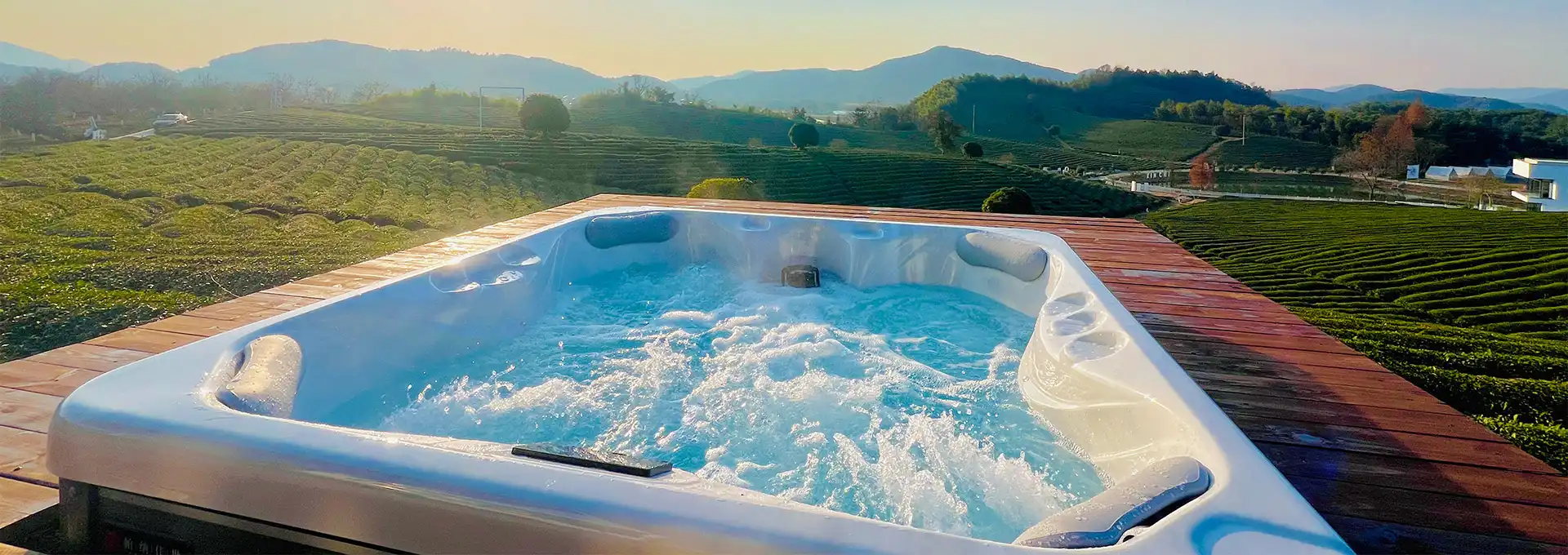
When evaluating a 4 person hot tub for year-round use, the right combination of jet power, seating design, insulation, and certification coverage determines whether a unit truly delivers value—or falls short under real-world conditions. Whether you manage a boutique resort, operate luxury villas, or distribute spa products across global markets, selecting a compact spa that performs consistently across all seasons is a procurement decision that directly shapes client satisfaction and brand reputation. This guide walks through every critical feature category to help you choose with confidence.
Understanding Core Features of 4 Person Hot Tubs for Year-Round Use
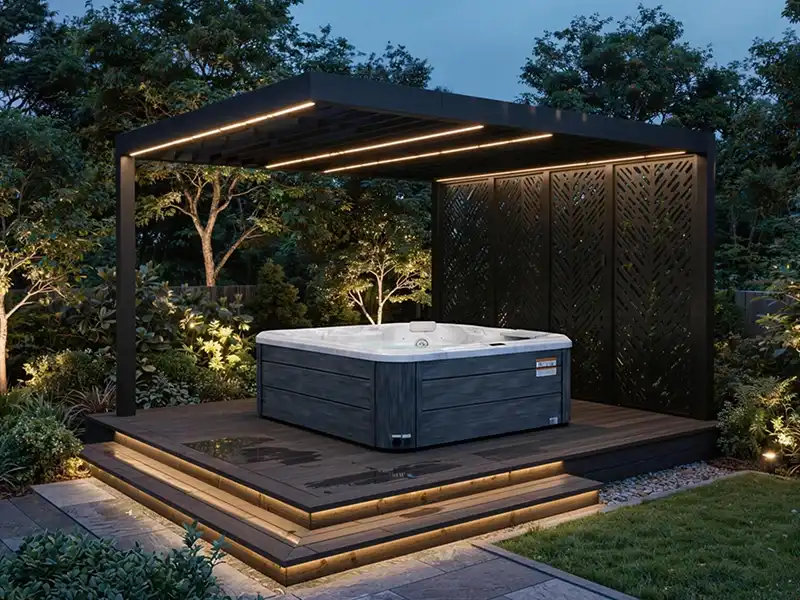
A well-engineered 4 person hot tub is built around four interdependent systems that work together: heating, circulation, filtration, and hydrotherapy. When these systems work together smoothly, users always have the same water temperature, clean water chemistry, and the right therapeutic pressure.
Jet Power and Therapeutic Performance
The output of the jets is probably the most closely looked at part of any small-group spa review. The National Spa and Pool Institute's research shows that the healing effect is directly related to both the number of jets and the horsepower of the pump. The iParnassus® P640 directly addresses this issue; it has dual 3.0 HP pumps that power 46 staggered jets of different sizes that are spaced out. Six 5-inch CMP jets work on the muscles in the back, and other jets work on the legs, hips, and feet in all sitting positions. The staggered pump setup creates different water flows that change the pressure patterns. This keeps things from getting boring and gives you a real full-body massage.
Seating Architecture That Supports Social Use
Standard spa types with four seats usually have standard bench seating, which doesn't offer a lot of ergonomic options. One fixed lounger, one two-way movable lounger, and two seats that face each other make up the P640. This layout makes it possible for couples or small groups to relax next to each other and still look at each other, which is a very important feature in hospitality settings where people want to come back. There are massage jets on the foot and hip sides of both chair positions, and the upright seats focus on the calf muscles.
Health, Safety, and Water Quality
Premium spa manufacturers must use food-grade pipes as a minimum requirement. Food-grade materials don't let bacterial biofilm build up as regular ABS pipes do, and they don't release harmful chemicals into the water over time. Managing chlorine is also very important. The CDC says that to keep waterborne disease from happening, hot tub chlorine levels should be kept between 3 and 5 parts per million. This is especially important in business settings with a lot of bathers. The water stays safe for people all year long if the filter system works and the chemicals are balanced correctly.

Comparing Types and Features: Making the Right Choice for Your Business
People who work in procurement often compare a 4 person hot tub with inflatable ones. At scale, the difference is important. Hard-shell plastic spas are very stiff, keep heat in better, and can hold powerful pump systems. Even though inflatable units are easier to move and less expensive, they can't keep up with the same gas pressure and tend to lose heat more quickly, which is a big problem in colder places or for business uses that happen all year.
Here are the core differentiators that separate premium hard-shell units from standard market offerings:
- Insulation architecture: Full-foam insulation keeps heat in better than partial-foam designs, which saves energy in the winter and money in the long run.
- Jet sizing: 5-inch CMP jets are the best on the market. When compared to the 2- to 3-inch jets found in many mid-range units, larger jet diameters spread water over a larger area and deliver stronger pressure.
- Certification breadth: The P640 has 8 foreign approvals, such as RoHS and KC. This is very important for distributors who do business in Europe, North America, South Korea, and Australia, where compliance rules are different in each country.
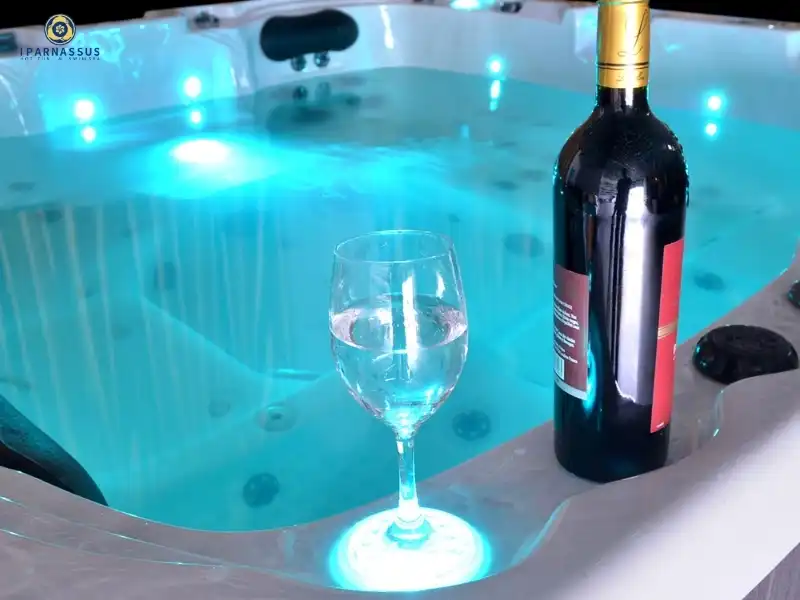
- Sensory environment: The P640 has a long illuminated waterfall feature and four speakers mounted on the corners. This creates an immersive atmosphere that raises perceived value, which is a real differentiator in the hospitality procurement process.
These differences give wholesalers a direct edge over their competitors. When you mix therapeutic power, safety approval, and experiential design in one unit, you get more loyal customers and can charge more.
Installation, Maintenance, and Service: Ensuring Long-Term Client Satisfaction
A 4 person hot tub investment only pays off if it is installed correctly and maintained over time. Before delivery, the site should be checked to make sure it can hold the weight of the spa, has enough electricity, and that repair workers can get to it easily.
Water chemistry should be checked once a week, filters should be rinsed every two to four weeks, and the water should be changed completely every three to four months, depending on how often people use the pool. Seasonal changes, especially applying freeze protection in the winter and UV shields in the summer, make cabinets and shells last a lot longer.
For business-to-business buyers, it's essential that the warranty covers repairs and that spare parts are easy to get. iParnassus® backs up its goods with professional after-sales service infrastructure. As of 2026, the company holds 80 patents, which shows a deep investment in engineering that lowers wholesalers' and operators' long-term service liability.
Procurement Strategies: Purchasing and Selling 4 Rerson Hot Tubs
The price range for 4 person hot tubs is right in the middle of the moderate- to high-end range. This means that they can be sold through a wide network of retailers while still making a good profit. When distributors get into this market, they can take advantage of bulk buying agreements, OEM customization options, and structured logistics support.
When evaluating a supplier, procurement teams should prioritize the following:
- Customization capability: Can the maker change the color of the cabinet, the arrangement of the jets, or the branding on the control panel to suit local tastes?
- Logistics infrastructure: Does the seller offer combined shipping, help with paperwork, and clear arrival dates for orders from other countries?
- Regulatory alignment: Do your target markets already have the right certifications, or does compliance need more money?
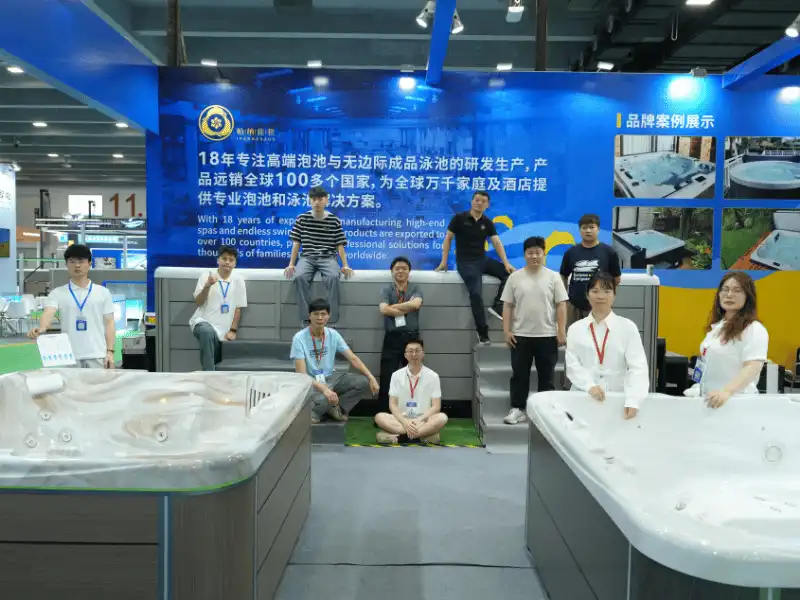
Shenzhen Iparnassus Intelligent Spas Co., Ltd. is the company behind iParnassus®. For 18 years, they have served customers in North America, Europe, Australia, and the Middle East. The company's smartphone-compatible control system lets you handle water remotely, program self-protection, and check on the system's state in real time. These features cut down on the need for on-site staff and are very appealing to resort owners who are in charge of multiple units at once.
Making the Final Decision: Matching Features to Client Needs
People who buy homes and people who run businesses have very different priorities. Most residential clients care about how something looks, how easy it is to use, and how much energy it uses. Commercial buyers, like resort operators, villa managers, and hotel procurement departments, care most about how long something lasts, how well it meets regulations, and how quickly they can get service.
The P640's dual-lounger form is especially popular with buyers in the hospitality industry because it lets two people relax fully at the same time without either of them having to sit in a normal upright seat. The illuminated cup holder, easy-to-understand diverter and air valve placement, and rippled rim show that this product was made with the guest experience, not just therapeutic function, in mind. Matching product features to buyer segments ensures that distributors position correctly, price appropriately, and retain clients long-term.
Conclusion
It takes more than counting jets to find the right 4 person hot tub for year-round use. It needs a clear-eyed look at the pump power, the ergonomics of the lounger, the materials used for the pipes, the certification coverage, and the sensory environment. The iParnassus® P640 is an engineering marvel that meets all of these requirements—it has 46 jets, two 3HP pumps, five-inch CMP jets, food-grade piping, two loungers, and eight international certifications—making it a solid choice for procurement professionals working in tough markets around the world.
FAQ
1. What water temperature should a four-person hot tub maintain year-round?
The water in a spa should be kept between 100°F and 104°F by most manufacturers and health authorities. The CDC says that temperatures should not be higher than 104°F, especially for long practices or people who are easily hurt.
2. How often should a compact spa's water be changed?
If there are a lot of bathers in a business setting, the water should be changed completely every 6–8 weeks. For residential use, a three- to four-month period with regular chemical upkeep is normal.
3. What energy consumption should buyers expect?
A dual-pump hard-shell 4 person hot tub that runs on normal heating cycles uses between 3 and 6 kWh per day, based on the temperature outside, the quality of the insulation, and how often it is used. That number goes down significantly when full-foam insulation is used.
4. Why does jet size matter in procurement decisions?
Larger jets, like the 5-inch CMP jets in the P640, spread water over a larger contact area, which means that each jet provides more therapeutic coverage. Smaller jets focus pressure in smaller areas, which is good for specific treatments but makes full-body coverage less effective.
Connect With iParnassus®—Your Trusted 4 Person Hot Tub Manufacturer
Are you ready to add a 4 person hot tub to your spa's offerings with a product that works all year? iParnassus® makes certified hot tubs with two loungers and a lot of jets that are made for markets around the world. You can email our business-to-business team at info@iparnassus.com to see all of our products. We've been making things for 18 years and have 8 foreign certifications. We can help you reach your marketing goals with a reliable product, quick service, and good wholesale terms.

References
1. APSP (Association of Pool & Spa Professionals). (2022). Residential and Commercial Spa Performance Standards. APSP.
2. National Spa and Pool Institute. (2021). Hydrotherapy Benefits and Jet System Design. NSPI Technical Report.
3. NSF International. (2023). Food-Grade Material Standards for Water-Contact Applications. NSF/ANSI 61.
4. Centers for Disease Control and Prevention. (2024). Healthy Swimming: Hot Tub/Spa Water Chemistry. CDC.
5. RoHS Compliance Guide. (2023). Restriction of Hazardous Substances Directive — Scope and Market Access Requirements. European Commission.
6. Spatrade Industry Report. (2023). Global Hot Tub Market: Premium Segment Growth and B2B Procurement Trends. Spatrade.

Send Inquiry