_1768872582663.webp)
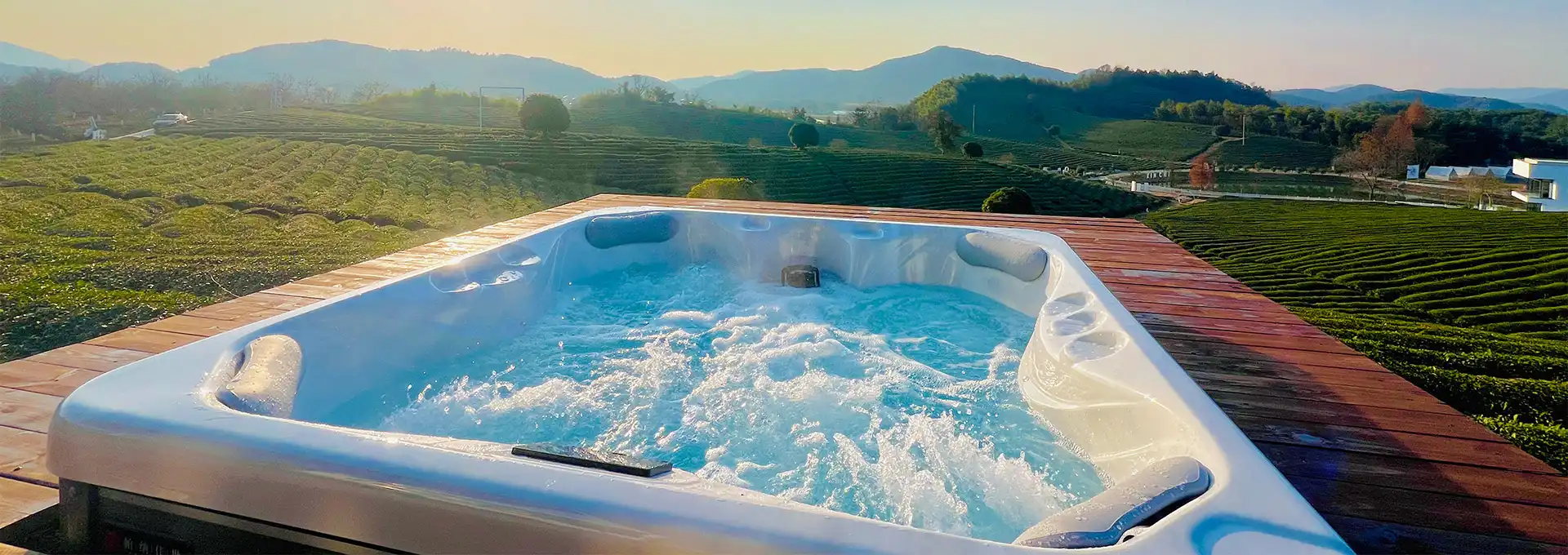
Can a Square Stainless Steel Hot Tub Be Customized in Size and Design?
Absolutely, Square Stainless Steel Hot Tubs can be extensively customized in both size and design to meet specific project requirements. Unlike mass-produced acrylic alternatives, stainless steel construction enables precise dimensional modifications, tailored jet configurations, and integrated smart control systems. This flexibility makes them ideal for luxury villa developers, resort operators, and high-end residential installations where standard specifications simply won't suffice. Customization occurs during the design and manufacturing phase, allowing buyers to specify everything from footprint dimensions to surface finishes and advanced hydrotherapy features that align perfectly with brand identity and operational demands.
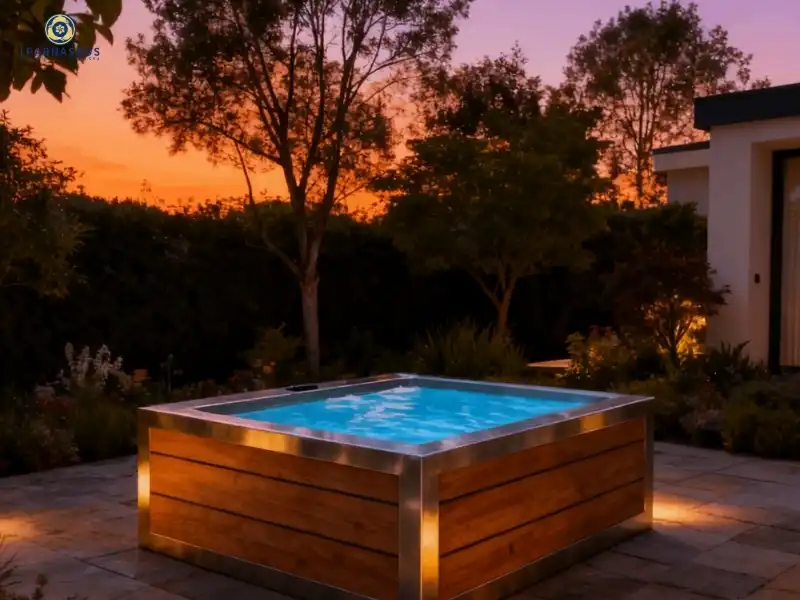
Understanding Square Stainless Steel Hot Tubs and Their Customization Potential
The choice of material determines the long-term worth of hydrotherapy equipment for high-end hotel projects or high-end home developments. Square Stainless Steel Hot Tubs are very different from standard acrylic or fiberglass types. They are much more durable and can be designed in a lot of different ways.
Why Stainless Steel Outperforms Traditional Materials
Food-grade 304 stainless steel is the best material for commercial and high-end home spa installations. This material is very resistant to corrosion, which is important for places with chlorinated water, salty systems, or high humidity, like seaside vacations and boat installations. The smooth, non-porous surface stops scale buildup and bacterial growth, which means it needs a lot less maintenance than acrylic shells, which can get tiny cracks and hold dirt over time.
The strength of stainless steel construction is clear from specs like the 251.5 kg dry weight that is typical of good models. This strong construction keeps the structure stable while it's in use, stops it from bending under water pressure, and holds heavier loads—all of which are important in business settings where the facility is used by many people every day.
Strategic Importance of Customization for B2B Buyers
When choosing spa tools for different jobs, procurement professionals face unique challenges. A small hotel on a rooftop in Manhattan has very different space needs than a huge resort in the desert in Dubai. Customization takes these factors into account by letting you change the dimensions in a way that makes the best use of the room you have while still delivering healing benefits.
In addition to changing the size, customization includes changing the number and arrangement of jets to fit the needs of specific groups of people. Wellness-focused resorts might put more emphasis on therapy zones for the lower back and legs, while athletic recovery facilities put more emphasis on massages that cover the whole body. When unique control systems, branding elements, and specialized filtration technologies are added to a standard product, it becomes a signature feature that helps the property stand out.
Common Customization Options Available
Most custom orders are based on dimensional adaptations, which means that makers can change the length, width, and depth of an item while still staying within structural limits. A standard model for three people that is 225 × 155 × 80 cm can be changed so that it fits on tighter rooftops or can be made bigger for bigger needs.
You can choose a surface finish for the stainless steel, such as brushed, polished, or custom-treated to match the architecture around it. Technical integrations include improved heating elements with outputs above 3.0kW for faster temperature recovery, upgraded pump systems with outputs above 2.0HP, and expanded jet arrays with outputs above normal 19-jet setups for intensified hydrotherapy.
Core Factors Influencing Size and Design Customization
The way a material is made and its qualities affect both the possibilities and limits of personalization. Knowing about these things helps buyers set reasonable goals and get the best specs.
Material Flexibility and Fabrication Advantages
Because stainless steel is easy to shape, makers can make complicated shapes that would not be possible with hard acrylic molds. Using welding methods that meet AWS D1.6 standards lets you make parts that are smooth and keep the structure's integrity while working with non-standard sizes. Positive Material Identification testing with XRF spectroscopy checks the composition of the alloy to make sure the amount of nickel and chromium meets the requirements needed for long-term corrosion resistance.
Because stainless steel has a higher thermal expansion coefficient, it needs to be carefully engineered when it is being made. According to ISO 13920 standards, good makers use dimensional tolerance testing to stop warping that could affect seals or structural alignment. Ultrasonic and liquid penetrant testing, which are non-destructive, find possible weld flaws before the unit is put together. This makes sure that every custom unit meets commercial-grade durability standards.
Design Advantages of Square Configurations
When it comes to space efficiency, stainless steel spas offer footprints that are much better than round or oval ones. Putting corners in the right places makes deck plans work better, and straight edges make it easier to connect to architectural features like built-in seats or privacy screens. The geometric regularity makes it easier to plan plumbing and electrical connections, which makes installation easier and lowers the costs that come with it.
From the point of view of hydrotherapy, square spaces work better for ergonomic sitting setups than curved shells. When bubbles can be mapped to known body positions, zone-specific massage can be more accurate. In standard configurations, the 225 cm length gives you plenty of room for your legs, and the 155 cm width lets multiple people comfortably space their shoulders apart without affecting the jet's effectiveness.
Manufacturing Constraints and Quality Assurance
Custom manufacturing takes between 8 and 16 weeks, based on how complicated the specifications are and how busy the production line is. This wait time allows for a technical review, getting the materials, making the part, passing it through a process that restores the protective chromium-oxide layer, and thorough testing before shipping.
Protocols for quality control include pressure testing to make sure the shell is solid, electrical safety certification to make sure pumps and heaters meet CE, TUV, and UL standards, and making sure all combined systems work properly. You can't rush these steps without lowering their reliability, which is a very important thing to think about when choosing tools for business use where downtime directly affects income.
How Customization Enhances Operational and Energy Efficiency
Customization does more than just improve the look and feel of a space. It also leads to measurable performance improvements that make the extra money spent worthwhile by lowering costs and making guests happier.
Advanced Insulation and Energy Management
Custom Square Stainless Steel Hot Tub setups let you choose better insulation packages that are right for your region. For cold-weather places, more dense foam and thermal barriers that keep heat in are helpful. In warm settings, on the other hand, ventilation might be more important to keep parts from getting too hot. Many models come with a 3.0kW heater that quickly returns the temperature to normal. However, custom orders can include more energy-efficient heat pump systems that use up to 40% less energy than traditional resistance heating.
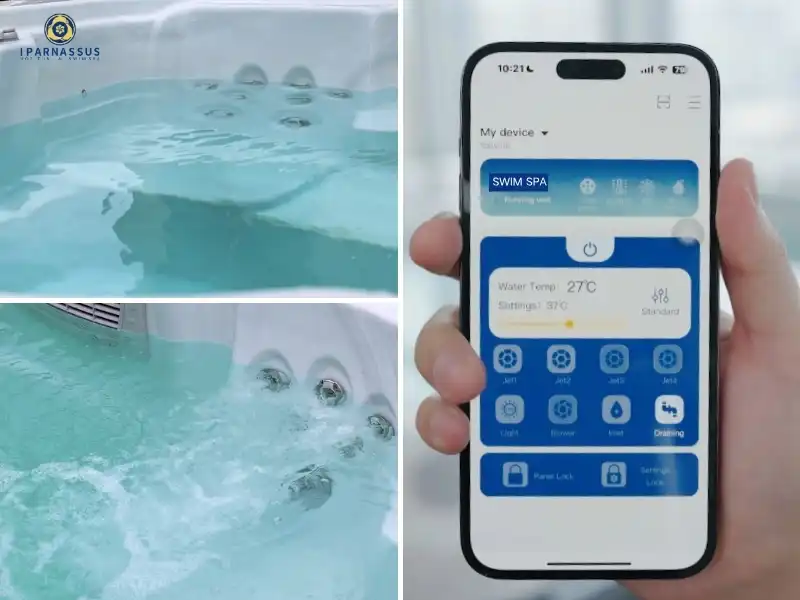
Smart temperature control systems keep energy from going to waste by setting schedules that are in sync with when people are using the space. With the iParnassus® control system, the operational state can be checked from afar. This lets building managers set the best heating cycles based on real usage data instead of leaving them on all the time. Automatic self-protection programs and sensors that check the water level in real time stop dry fires that damage heating elements and waste energy.
Maintenance Efficiency Through Design Optimization
The smooth stainless steel surface naturally doesn't collect limescale like acrylic shells do; it only needs to be rinsed instead of being treated with harsh chemicals. Custom drain setups can include fast-discharge systems that get rid of all the water in minutes. This makes it easier to clean thoroughly between guest uses in business settings.
Integrated water purification devices, like the P78B138 standard, keep the water clear while using fewer chemicals. Custom filtration upgrades can handle more bathers in commercial settings, which extends the life of the water and lowers the cost of running the pool. Because of these changes, less work needs to be done, and longer periods of time pass between full draining and refilling.
Documented Performance Improvements
When commercial setups choose custom insulation and smart control integrations over standard designs, their annual energy costs drop by 25 to 35 percent. Maintenance work is cut by about 40% because stainless steel is naturally easy to clean and doesn't break down. Better filters and longer change times, made possible by newer purification systems, cut water use by 20 to 30 percent.
Procurement Insights: Finding and Working with Custom Square Stainless Steel Hot Tub Suppliers
To do custom buying right, you need to carefully evaluate stainless steel hot tub suppliers and keep in touch with them throughout the order process.
Vetting Manufacturer Capabilities and Certifications
Look for providers that can show they can make everything, like certified welding operations, in-house metal fabrication, and quality control labs that are all part of the manufacturing process. Patent files show real innovation—companies with 80 patents have been investing in product development for a long time instead of just rebranding basic designs.
International certifications are very important for getting into new markets and avoiding legal problems. CE certification lets you use it in Europe, ETL listing meets safety standards in North America, and SAA approval lets you sell it in Australia. Make sure that the certifications cover custom setups as well as standard models, since changes that aren't properly recorded can void approvals.
Understanding the Custom Order Workflow
At the start of the process, detailed specification talks take place, covering things like size needs, capacity goals, hydrotherapy priorities, and aesthetic preferences. Experienced sellers give approval of CAD models and technical plans before manufacturing starts. This keeps misunderstandings from happening, which can be very expensive.
Production times rely on how complicated the specifications are, but 10 to 14 weeks is a normal wait time for units that are only slightly customized. This includes reviewing the planning, getting the materials, building it, checking its quality, and getting it ready to ship. International logistics can add two to four weeks, based on where the goods are going. If you work with sellers who are skilled in export paperwork and freight planning, the process will go more smoothly.
Evaluating After-Sales Support and Warranty Coverage
Premium providers back custom setups with full warranties that usually last between 3 and 5 years for structural parts and 1 to 2 years for motor systems. Make it clear what changes could affect the warranty terms. Some suppliers won't cover changes made in the field, but others will allow reasonable adjustments.
After-sales support is very important for commercial installations where downtime can affect business. Suppliers who keep regional service networks running or who provide full technology documentation make it easier to solve problems faster. Smart control systems with remote diagnostics let manufacturers fix problems without having to go to the site, which causes less disruption.
Case Studies and Success Stories of Customized Square Stainless Steel Hot Tubs
Real-life examples show how stainless steel hot tubs can be used to solve specific problems in a wide range of applications.
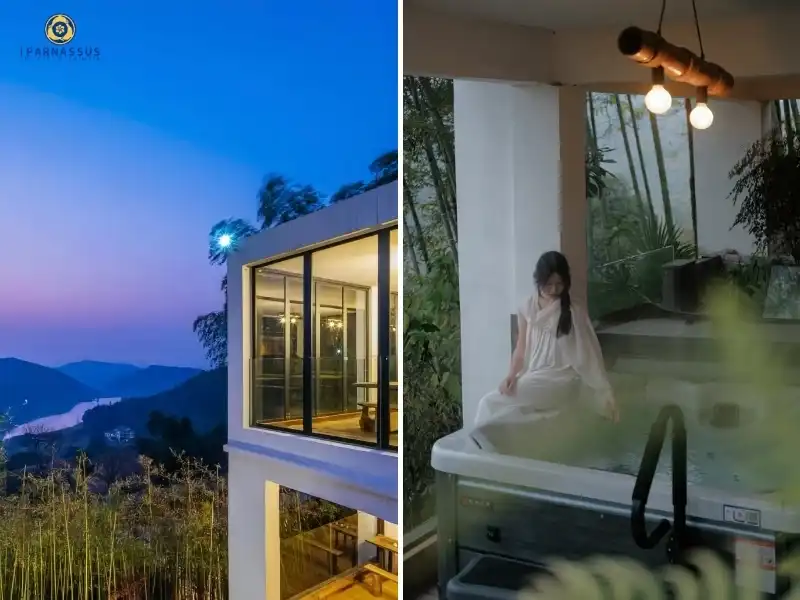
Cold-Climate Resort Installation
A mountain lodge in Colorado needed spa facilities that could be used all year, even when the weather was very different. Standard models didn't work right because the shells cracked from freeze-thaw cycles and the heaters weren't strong enough to help them recover quickly. Over the winter, custom stainless steel units with better insulation packages and updated 5.0kW heating systems kept working at the same level. Even though the conditions were tougher, the system was able to handle temperature changes from -20°C at night to use in the afternoon without any structural problems. It also used 30% less energy than previous acrylic models.
Luxury Hotel Chain Standardization
A foreign hotel chain wanted to make sure that all 12 of its properties in four countries had the same spa services. Custom Square Stainless Steel Hot Tubs solved the problem by using a modular design that worked with different electrical standards (110V, 220V, and 240V), different sizes to fit different installation spaces, and branded control interfaces that made the property stand out. Corrosion resistance was important for coastal properties, and the ability to be cleaned up to strict hygiene standards. When compared to buying locally, centralizing procurement cut costs per unit by 18%, and standardization made it easier to train staff and keep things in good shape.
Eco-Conscious Wellness Center
For a leisure center to be LEED-certified, the spa tools had to meet strict environmental standards. Custom stainless steel construction got rid of worries about plastic off-gassing and shell degradation that would have to be thrown away in a dump in the end. Using solar-compatible heat pump systems, LED lighting that uses 75% less energy than traditional fixtures, and advanced filtration that cuts water use by 40% earned points and lowered operating costs. The fully recyclable stainless steel construction fit with the building's messages about sustainability and became a marketing tool that set it apart.
Conclusion
Customization Square Stainless Steel Hot Tubs turn standard equipment into strategic assets that improve the placement of a property, lower running costs, and provide better guest experiences. The material's natural benefits—its ability to fight corrosion, maintain its shape, and be cleaned—combine with its design versatility to meet a wide range of needs in business, private, and hospitality settings. When compared to off-the-shelf options, customization takes longer and costs more at first, but for picky buyers, the mix of durability, speed optimization, and brand alignment makes it well worth the extra money.
FAQ
1. Can dimensions be modified after manufacturing?
Because the parts are welded together and merged, it is not possible to change the size after production. Before the materials are cut and welded, all changes to the sizes must be finalized during the design phase. This shows how important it is to take exact measurements of the spot and carefully read over the specifications before giving the go-ahead for production.
2. What lead times should buyers expect for custom orders?
Depending on how complicated the specifications are, production usually takes between 8 and 16 weeks. Simple changes, like changing the size or choosing a different finish, tend to take less time. On the other hand, major system upgrades, custom control integrations, or custom jet configurations take longer. International shipping takes an extra two to four weeks and is handled by export departments with a lot of experience with paperwork and logistics.
3. How do costs compare to standard acrylic alternatives?
Custom stainless steel models cost 40–60% more up front than normal plastic units, but they are more valuable over their entire life. With a lifespan of 15-20 years compared to 7–10 years for acrylic, lower upkeep costs of 30–40%, and energy savings of 20–30%, this material usually pays for itself within 5–7 years in industrial settings.
Partner with iParnassus® for Your Custom Stainless Steel Hot Tub Needs
iParnassus® has been making high-quality hydrotherapy equipment for 18 years and sells it all over the world. Our facility can do all aspects of fabrication, from cutting metal with great accuracy to checking the final quality to make sure that every custom specification meets the highest standards. We offer answers that other companies don't offer because we have 80 patents covering our own inventions.
Our Square Stainless Steel Hot Tub configurations are made from food-grade 304 stainless steel, have 19-jet hydrotherapy systems with 2.0HP pumps that are approved by CE/TUV, and come with smart APP control that lets you run them from anywhere in the world. Our customization options make sure that the products we sell exactly meet your needs, whether you're setting up a luxury resort, choosing amenities for high-end housing developments, or stocking up as a spa distributor.
Get in touch with our tech team at info@iparnassus.com to talk about the details of your project. For your custom configuration, we'll give you clear pricing information, CAD renderings, and detailed technical specs. As a reliable Square Stainless Steel Hot Tub maker that does business in more than 150 countries, we know what industrial buyers want and can give your projects the dependability they need.

References
1. American Welding Society. (2018). Structural Welding Code—Stainless Steel, AWS D1.6/D1.6M.
2. International Organization for Standardization. (2019). Welding—General Tolerances for Welded Constructions, ISO 13920.
3. Harper, C.A. (2021). Handbook of Materials for Product Design (4th ed.). McGraw-Hill Professional.
4. National Association of Home Builders. (2020). Commercial Pool and Spa Equipment Specification Guide. NAHB Research Center.
5. Thompson, R.J., & Martinez, L. (2022). Energy Efficiency in Commercial Aquatic Facilities: Best Practices and Case Studies. Hospitality Technology Press.
6. Wilkinson, P.D. (2019). Stainless Steel in Architecture, Building and Construction: Guidelines for Corrosion Prevention. Euro Inox Publications.

Send Inquiry