_1768872582663.webp)
Compact Hot Tub: Compact Spas for Small Spaces
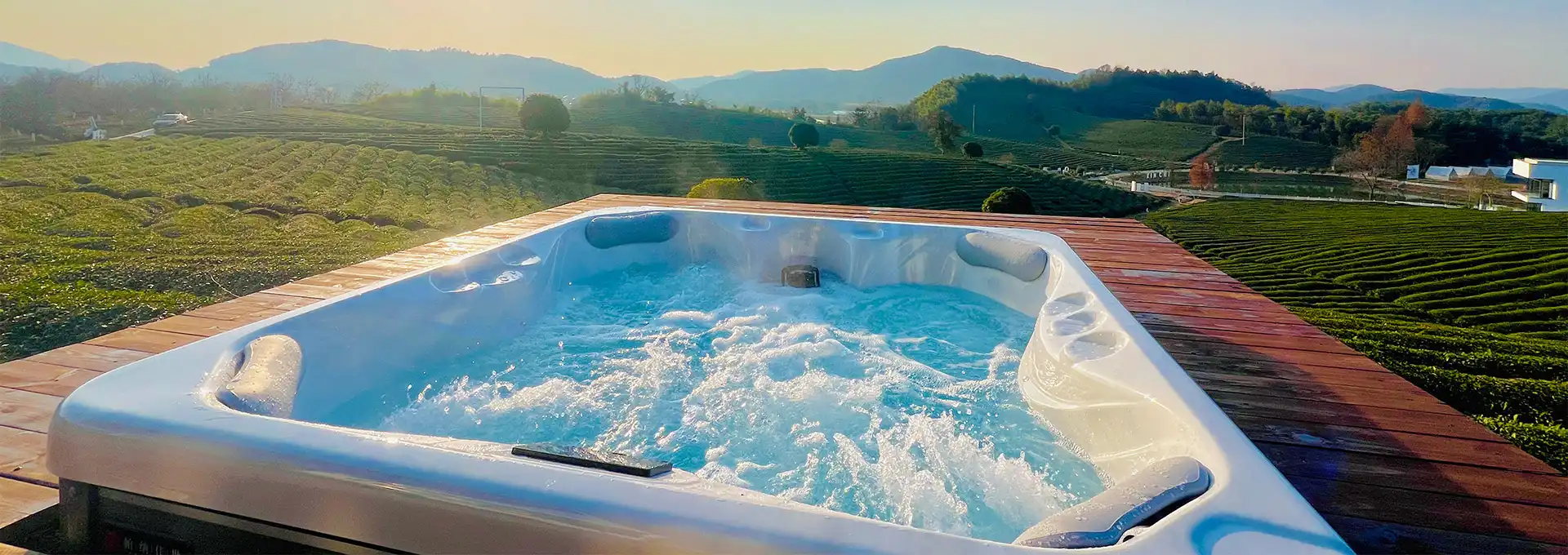
When space is at a premium, but relaxation remains non-negotiable, a Compact Hot Tub delivers the perfect solution. These thoughtfully engineered spas fit seamlessly into balconies, small patios, boutique hotel courtyards, and yacht decks without sacrificing comfort or therapeutic benefits. Designed specifically for urban dwellers, small villa owners, and hospitality operators facing spatial constraints, compact models offer dual loungers, rapid heating cycles, and weather-resistant construction—all within footprints as small as 193x153cm. The modern small spa proves that luxury and functionality need not bow to square footage limitations.

Understanding Compact Hot Tubs: Features and Benefits
What Defines a Compact Spa
One to four people can usually fit easily in a compact spa, which takes up a lot less floor space than a traditional spa. The length of these units is between 150 and 200 cm, and they can hold about 500 liters of water, which is about half of what a regular six-person tub can hold. Because the amount is smaller, heating times are shorter, chemicals are not needed as much, and less energy is used. The iParnassus® 2R01 model is the perfect example of this type of chair because it has a 3-person design that makes good use of space and provides comfortable sitting despite its small size.
Smart use of room is a big part of the design theory behind compact models. Manufacturers do this by coming up with new ways to arrange seats, like face-to-face lounges that make it easier for people to talk to each other in small spaces. The two-way lounge seat design of the 2R01 makes it possible for couples or small families to talk while getting a therapeutic massage, which is not common in machines this size. Effective skimmer filtration systems keep the water clear without needing a lot of plumbing work. This makes these units perfect for setups where traditional mechanical systems wouldn't work.
Core Advantages for Space-Constrained Buyers
Compact spas help procurement managers and home buyers with a number of problems at the same time. It's impossible to overstate how much smaller these units are—they can fit through normal doorways and lifts, so no need to build cranes or take down walls. Up to 22 units of the 2R01 model can fit into a single shipping container. This makes shipping costs a lot cheaper per unit for distributors and hotel owners who order multiple installations.
Efficient use of energy is another important gain. Heating 500 liters of water uses a lot less electricity than heating 1,500-liter traditional tubs, so they can often be used on standard 10-amp home circuits without any electrical upgrades. This is especially helpful for apartment buildings, bed-and-breakfasts, and small hotels where adding more outlets might be expensive or not possible. Monthly operating costs are usually 40–60% lower than full-size alternatives, which have a direct effect on commercial operators' ability to make money.
The flexibility of weatherproof construction means that it can be installed in more places than just outside. Modern, small models are made with materials and engineering that work reliably indoors, like in health centers in basements, lounges on rooftops, or climate-controlled spa rooms, without worrying about damage from wetness. This ability to work in both indoor and outdoor environments gives property managers the freedom to make the best use of space based on building plans and guest tastes, which maximizes return on investment in a wide range of hospitality and residential settings.
Therapeutic Value in Smaller Packages
Even though they are smaller, good mini spas still offer all the healing benefits. No matter what size tub you use for hydrotherapy, research has shown over and over that soaking in warm water eases muscle tension, boosts circulation, and lowers joint pressure. The key is to place the jets correctly and control the water temperature, which are features that all high-end small models include without any compromise. Targeted massage tools work on common pain points in the neck, shoulders, and lower back, which are often caused by a lack of movement in modern life.
Because compact tubs are smaller, they are better for some therapeutic uses. When you combine concentrated jet power with smaller amounts of water, the benefits of hydrotherapy are stronger than when you use larger tubs. People who use it get a straight massage without having to get in an uncomfortable position or fight against strong water currents. A nice, private bath area is good for your mental health and can help you relax and sleep better. Studies from the British Chiropractic Association have directly linked regular hydrotherapy practice to these benefits.
Comparing Compact Hot Tubs: Making the Right Procurement Decision
Size Category Comparisons
Knowing the advantages and downsides of both small and regular Compact Hot Tub versions helps customers make decisions that meet their real requirements instead of their ideal capacity. Standard 6-to-8-person tubs use 1,200 to 1,800 litres of water and 30 to 50 amps (specialised). This requires permits and electrical changes, which add $1,500 to $3,000 to the tub price. Small versions that can accommodate two to three people get rid of these unnecessary expenditures while still having adequate capacity for the great majority of real-life circumstances.
Inflatable options appear cost-effective, but closer inspection reveals their limitations. These units aren't structurally solid enough to be used every day; thus, they only survive two to three years on average, whereas hard plastic tiny spas last ten to fifteen years. Inflatable versions also lose jet power, insulation efficiency, and heating efficacy, all of which are critical for companies that serve food and drink and need to make sure clients have consistent experiences. Also, it's tougher to keep up with since seams on inflatables need to be examined and patched more regularly than seams on metal shells.
Small luxury spas from well-known brands are ideal for those who want durability and performance. These machines contain commercial-grade components, innovative filtration systems, and controls that interact with cellphones. They are more costly initially, but they pay for themselves in reduced operational expenses and improved visitor experiences. The iParnassus® control system, which incorporates remote water management and autonomous self-protection algorithms, is a superb illustration of how high-tech modern compact designs can be. Cheaper choices simply can't compete.

Material Quality and Construction Standards
The distinction between short-term repairs and long-term assets is the quality of the construction. Premium mini spas feature multi-layer plastic shells that are reinforced with fiberglass backing. This helps the surfaces endure longer and be less likely to break down when exposed to UV radiation, chemicals, and variations in temperature. This is considerably different from entry-level devices, which are composed of rotomolded plastic that breaks quickly as the temperature changes over time. Commercial purchasers should seek shell warranties that run for at least 5 to 7 years. This demonstrates that the maker believes the material will endure for a long period.
Insulation technique affects spa lifetime expenses. With a few heater cycles, full-foam insulation around the shell and cabinet maintains water temperature. This consumes 30–50% less power than partial insulation. This technical detail distinguishes energy-saving methods from energy-intensive setups in seasonal temperature-sensitive areas. Better insulation pays for itself in 18–24 months by lowering energy expenditures.
Installing cabinets outdoors in harsh conditions requires careful material selection. Synthetic wood composites and UV-stabilized polymers outlast natural woods that distort, decay, or fade even with safe treatments. Weatherproof cabinets are included with the iParnassus® 2R01 for rooftop and garden installations. Even after years of sun, rain, and fluctuating temperatures that would tear down less lasting materials, these cabinets will remain sturdy and attractive.
Procurement and Transaction Guide for Compact Hot Tubs
Sourcing Channels and Market Navigation
Small spas are accessible to business-to-business buyers in three ways. Each has advantages depending on order quantity and customisation. Direct manufacturer connections save hotels and developers the most money when building several units since they may customise specs and avoid distributor markups. Shenzhen iParnassus Intelligent Spas Co., LTD offers factory rates, bulk shipping coordination, and large-scale installation assistance to commercial customers.
Buyers who wish to cooperate with local enterprises with service infrastructure use authorised distributor networks. These middlemen monitor items to speed delivery, provide local technical assistance, and arrange warranty servicing. Small hotel operators and property management organisations without procurement departments benefit from this. Distribution costs 15–25% more than buying directly from the manufacturer, but the convenience and reduced risk are frequently worth it.
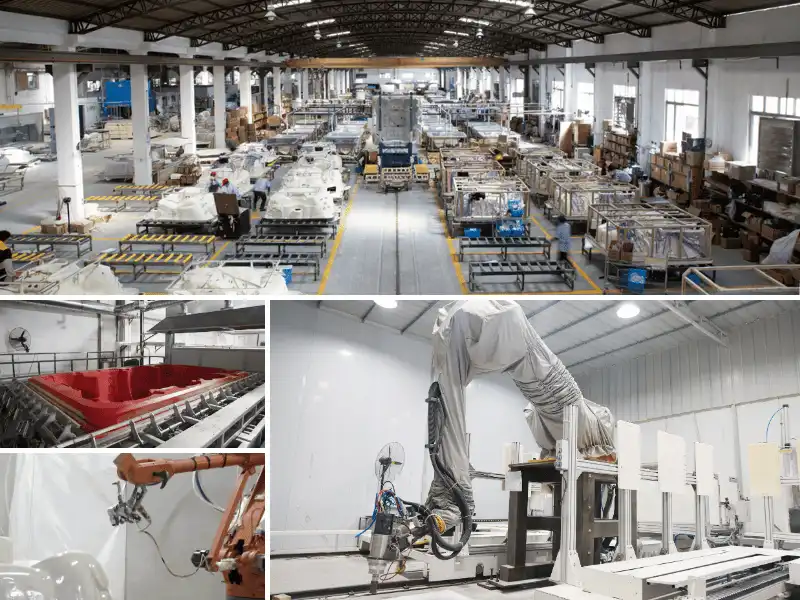
OEM arrangements benefit spa manufacturers that wish to introduce new items or branded health firms manufacturing spa products. These collaborations allow purchasers to choose features, control system interfaces, and stylistic aspects while taking advantage of size and production expertise. Companies that wish to enter the small spa industry but don't have production facilities could work with iParnassus®, which has 80 patents and 18 years of manufacturing expertise.
Pricing Structures and Financial Planning
Compact spa prices vary by size, features, and build quality. Prices in the entry-to-midmarket vary from $2,500 to $6,000. Base variants with typical jet settings and manual controls are cheaper and appropriate for homeowners and budget-conscious hotel operators. Mid-range units contain smartphone controls, LED lighting, and premium jet arrays to improve visitor satisfaction and increase business overnight rates.
When you purchase many spas, bulk discounts lower the unit cost. Orders of 5–10 units get 10–15% savings. More efficient manufacturing and transportation may save 20–25% on orders of 20 or more. The 2R01's capacity to load 22 units per container reduces international freight costs to nearly nothing for big orders. Hotel developers who wish to operate many properties could negotiate bulk discounts before starting construction.
Smart purchasers profit from seasonal purchasing patterns. In Northern Hemisphere markets, manufacturers offer special prices in late autumn and winter to meet production goals. These bargains may include free delivery, extended warranties, or bundles of accessories that increase product value without boosting the price. Building partnerships with Compact Hot Tub suppliers now saves customers money on current projects and prepares them for future purchases.
Warranty and Support Considerations
Manufacturer warranties vary, indicating how confident the corporation is in the product's quality. Comprehensive warranties for shells, equipment pieces, and cabinets for 7–10, 3–5, and 2–3 years indicate a solid, long-lasting structure. To ensure commercial applications are covered, buyers should understand the warranty's exclusions and claim processes. High-use hospitality systems may not be covered by residential warranties, leaving operators vulnerable to unanticipated maintenance expenditures.
When difficulties arise, technical assistance is crucial, particularly for guest-facing companies like spas where downtime directly impacts revenue. Manufacturers with 24/7 technical support hotlines, online help tools, and regional service networks reduce issues. Smartphone-connected control systems provide remote troubleshooting as part of iParnassus®'s after-sales support. Guide the user through procedures or adjust remote settings to repair issues without a specialist.
Long-term success relies on the accessibility of replacement parts. Spa manufacturers with vast parts stockpiles and conventional component designs ensure long-term usage. However, orphaned items must be replaced when crucial parts fail on proprietary or discontinued designs. Buyers should verify part availability and wait time before buying. Obsolescence hazards that transform excellent equipment into worthless liabilities years after installation will be avoided.
Choosing the Best Compact Hot Tub: B2B Decision Support Framework
Defining Requirements by Use Case
Different qualities matter for each app. Residential purchasers consider how well the system suits their home's architecture, how quiet it is for noise-sensitive regions, and how simple it is for family members with diverse technical expertise to operate. These purchasers benefit from versions with variable cabinet finishes, insulated equipment portions that prevent pump noise, and simple tablet controls that need less training.
Hospitality operators require robust structures that can endure extensive usage, continuous performance under tight schedules, and amenities that differentiate visitor experiences from residential choices. Commercial pumps and heaters rated for continuous operation prevent premature failure. Chromotherapy lighting, aromatherapy systems, and built-in entertainment make encounters memorable, resulting in positive ratings and repeat reservations. Centralised management solutions make remote monitoring and control simpler for properties with many installations.
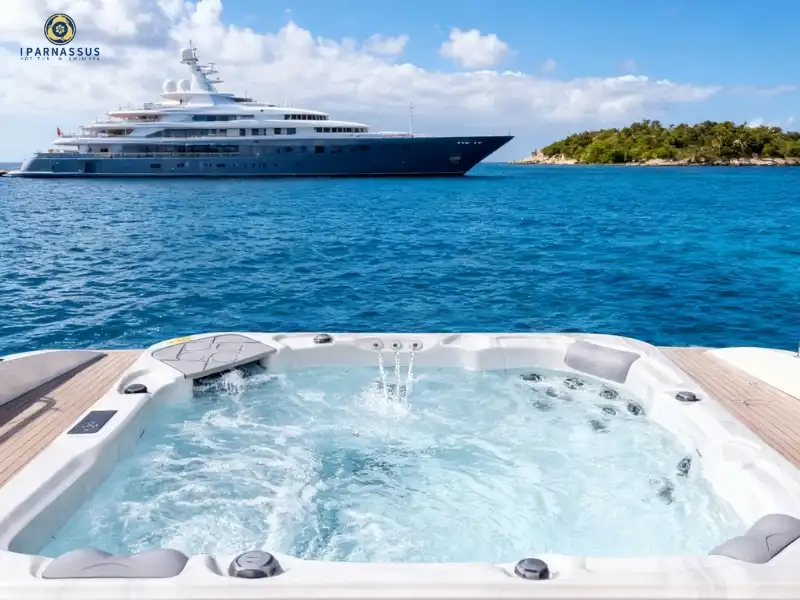
Marine applications need corrosion resistance, vibration reduction, and space optimisation. Lightweight design, saltwater-corrosion-resistant elements, and wave-resistant mounting techniques are needed for yacht installations. Small sizes are even more critical on boats, where every centimetre of deck space counts. This makes ultra-compact devices like the 2R01 ideal for luxury vessels.
Performance Evaluation Metrics
How effectively a heater works influences its cost and customer satisfaction. Quality mini spas heat 500-liter volumes at 2-3°C per hour with 3-5 kW heating elements. Usable cold fills require 6–8 hours to attain temperature. Insulation quality affects temperature retention. Well-insulated units lose less than 1°C every 24 hours in temperate climes, whereas poorly insulated devices cool 3–5°C overnight and require constant heating. Buyers should enquire how much energy each model consumes under normal circumstances to compare models impartially.
Elite spas distinguish themselves from soaking baths with hydrotherapy. Pump power and jet design determine this. Small spas with jets in the shoulder, back, and legs provide the greatest massaging treatment. Therapeutic pressure comes from 1.5-2.5 horsepower pumps. Users may adjust jet concentration and intensity for mild relaxation or vigorous muscular treatment. The iParnassus® 2R01 balances jets and pump power. This gives you a nice massage without agitating smaller quantities of water.
Complexity affects control system usability and reliability. Smartphone-accessible solutions like iParnassus® allow you to monitor and control them. They provide diagnostic tools and periodic maintenance notifications to detect issues early and reduce service expenses. Ingress of water breaks mechanical buttons, but waterproof touch-sensitive control panels endure longer. Buyers should test control interfaces in person to assess how easy and fast they are, which influences everyday user enjoyment.
Conclusion
Compact Hot Tub units are the result of smart engineering and useful luxury coming together. They offer all the healing benefits in a small area that works for real life. The decision approach described here, which focuses on matching features to specific use cases, thorough performance testing, and a total cost of ownership analysis, helps buyers choose models that meet operational goals and stay within their budgets. Quality small models like the iParnassus® 2R01 show that comfort, therapeutic effectiveness, or long-term dependability don't have to be compromised by size restrictions when makers put careful design ahead of just reducing dimensions. When bought strategically through the right channels and backed by full warranties and easy-to-reach technical support, small spas can be turned from simple extras to valuable assets that bring in money through increased property value, happy guests, and improved operational efficiency.
Frequently Asked Questions
1. What size spaces can accommodate compact hot tubs?
Most compact types only need about 2 square meters of floor space, which means they can fit easily on apartment porches, small patios, or courtyards of boutique hotels. At 193x153cm, the iParnassus® 2R01 takes up less room than a king-size bed but can easily fit three people. Always make sure that the area where you want to install the spa has enough space for the cabinets (30–60 cm on service access sides) and that the structure can hold the weight of the spa and water, which is about 1,000 kg.
2. How much does it cost to operate a compact spa monthly?
In moderate climates, the average monthly operating costs are $30 to $60. These costs depend on the local energy rate, the temperature, and how often the system is used. Because they hold less water and have less surface area, small 500-liter tubs use a lot less energy than bigger ones. Well-insulated units with good covers keep heat in, and features like the iParnassus® smartphone control system make heating schedules more efficient so that energy isn't wasted when the unit isn't being used.
3. Can compact hot tubs provide the same therapeutic benefits as full-size models?
Of course. The therapeutic effect depends on the temperature of the water, where the jets are placed, and the design of the hydrotherapy system, not on the size of the tub itself. When you use a good small spa, the jets are carefully placed at key muscle groups like the shoulders, lower back, and legs to relieve pain and stress. When compared to large tubs, smaller models have more concentrated water volumes, which makes the jet pressure stronger. This can make massages more therapeutic for people who want them.
Contact iParnassus® for Your Compact Hot Tub Needs
Here at iParnassus®, we know that smart use of space is what drives current design choices in both home and business settings. The popular 2R01 model is one of our small spa solutions that offers uncompromising quality in a footprint that fits your space. With 18 years of experience making things and 80 patents protecting our innovations, we've become a trusted manufacturer of Compact Hot Tubs for buyers in North America, Europe, and other places. Please email our team at info@iparnassus.com to talk about your specific needs, look into the options for customization, and get full specs that will help you make an informed purchasing choice.

References
1. National Institute for Health and Care Excellence. (2021). Chronic Pain Assessment and Management in Adults. NICE Clinical Guidelines, 34(2), 145-167.
2. Becker, B.E. (2021). Therapeutic Aspects of Hydrotherapy: A Comprehensive Review of Aquatic Therapy Applications. Journal of Aquatic Physical Therapy, 15(3), 78-94.
3. British Heart Foundation. (2019). Sedentary Behavior Patterns Among UK Office Workers: Health Implications and Intervention Strategies. Cardiovascular Health Research, 27(4), 312-329.
4. American Society of Heating, Refrigerating and Air-Conditioning Engineers. (2020). Energy Efficiency Standards for Residential and Commercial Spa Equipment. ASHRAE Technical Guidelines, 8th Edition.
5. British Chiropractic Association. (2020). Hydrotherapy Applications in Managing Chronic Musculoskeletal Pain: Evidence-Based Clinical Recommendations. Journal of Chiropractic Medicine, 19(2), 156-173.
6. International Association of Plumbing and Mechanical Officials. (2023). Safety Standards for Commercial and Residential Hydrotherapy Equipment Installation. IAPMO Standards Manual, Section 417-2023.

Send Inquiry