_1768872582663.webp)
Can an Outdoor Swimming Spa Be Used in Winter?
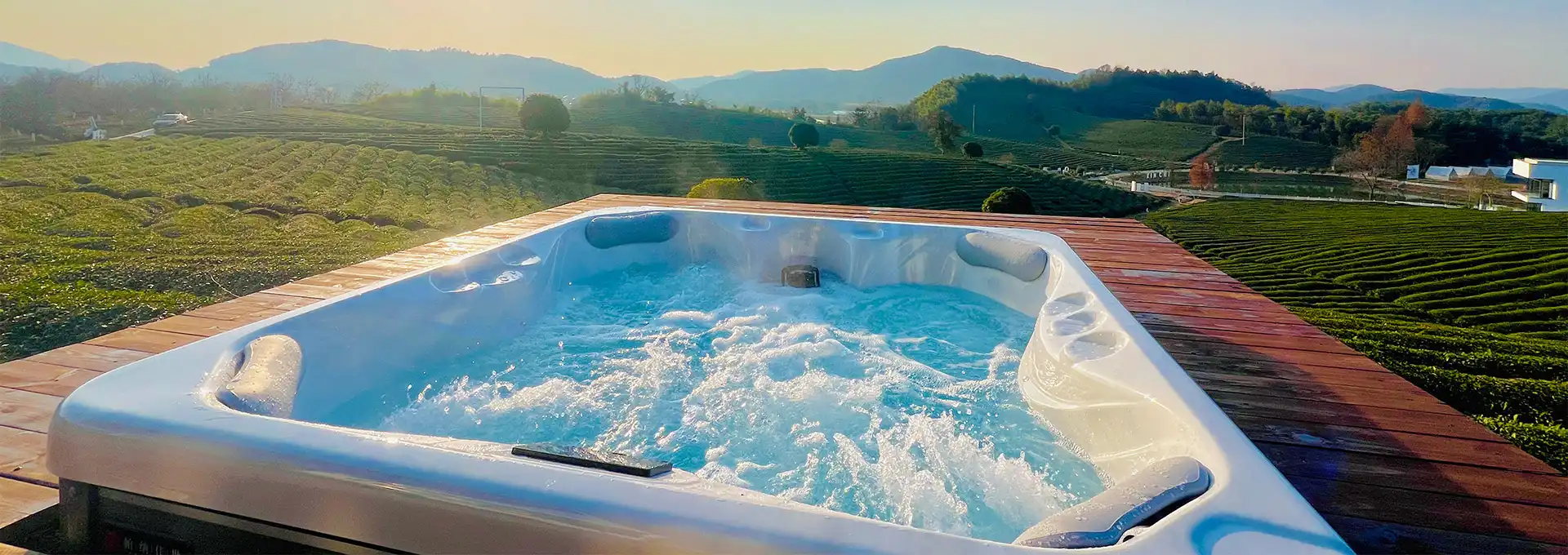
An outdoor swimming spa can absolutely be used in winter, and for many owners, that is precisely when it delivers the most value. Unlike a traditional pool that sits dormant from October through March, a properly insulated swim spa maintains water temperatures between 26°C and 40°C regardless of outside conditions. Built with reinforced acrylic shells, high-density foam insulation, and independent heating systems, modern units are engineered to perform in freezing climates across North America, Europe, and beyond. Winter use is not a workaround; it is an intended feature.


Understanding Outdoor Swimming Spas in Winter Conditions
What Sets a Swim Spa Apart from a Traditional Pool
A swim spa is a one-of-a-kind machine that is part lap pool and part treatment station. It's made to be used all year. This type of pool can't be used when it's cold outside because the water surface doesn't keep the heat in. A dedicated swim spa, on the other hand, has a cabinet that is completely sealed, a high-performance cover, and its own heating circuit that keeps the water at a steady temperature even when it's very cold outside.
Environmental Challenges Winter Presents
In cold weather, there are three main technical issues: heat loss that doesn't stop through the shell and plumbing; pump strain that goes up because the water is heavier; and the chance that the pipes will freeze. Wind makes it much easier for heat to escape from the surface. If a unit doesn't have enough insulation, its heater might have to run all the time, which can drive the energy costs up too much to be worth it. Because of this, the thickness of the insulation, the quality of the cover, and the pump's efficiency are not extras that can be ignored; they are necessary for any installation in a cold area.
Wellness Benefits Backed by Research
When you do hydrotherapy in cold weather, you can measure how it makes your body feel. There is a study in the New England Journal of Medicine (2001) that says swimming in warm water makes the heart beat faster, and the blood vessels around the body get bigger. The American College of Rheumatology says that exercising in warm water can help with stiffness and joint pain. This means that winter sessions can be very helpful. A swim club that is open from April to December is better for people who own resorts or private land than a summer pool.
Installation and Maintenance Guidelines for Winter Use
Site Selection and Structural Preparation
As long as you put the outdoor swimming spa up against a wall, fence, or well-established plant, a lot less heat will escape from the surface. Place the unit on a strong concrete pad that can support its full weight. For a two-zone type, this is usually more than 2,500 kg. Also, make sure there are drains in the plans. Water that pools near the base can freeze, move the pad, and put stress on the cabinet frame over many winters.

Insulation and Cover Specifications
Full-foam insulation that fills the whole cabinet space is standard for units in cold places. A thermal cover that is at least 2 lb/ft³ dense shouldn't have any holes in it. This is due to the fact that most of the heat is lost through the cover. In commercial settings where it is below 20°C, wrapping an extra thermal blanket around the cover adds a second barrier and makes it much less likely that heat will be lost overnight.
Winter Maintenance Protocols
In the winter, when there isn't as much foot traffic, biofilm builds up faster. However, regular chemistry management stops it. Here's a helpful list of repair jobs to do this winter:
To protect the inside surfaces, jets, and seals, the pH should be checked once a week and kept between 7.4 and 7.6.
All of the filter cartridges should be cleaned and checked every two weeks. Even though biofilm is less likely to form in cold water, it can still happen.As soon as the pipe temperature gets close to 4°C, make sure that the freeze-protection monitor turns on the pumps by itself.- Make sure the water level stays in the suggested range. Jets can die from lack of water, and the pump works less well.
- Check pH weekly and keep it between 7.4 and 7.6 to protect jets, seals, and shell surfaces.
- Inspect and clean filter cartridges every two weeks; cold water carries fewer contaminants, but biofilm risk remains.
- Confirm that the freeze-protection sensor activates pumps automatically when pipe temperature approaches 4°C.
- Keep water level within the recommended operating range; low water exposes jets and risks pump cavitation.
These steps will keep the unit safe and make it less likely that you'll need to pay a lot of money for fixes during the off-season.

Safety Tips and Best Practices for Winter Use
Hypothermia and Temperature Management
There is no health risk from the spa water itself when you use it in the winter. The main risk is from sudden changes in temperature. When you go from cold air to water above 38°C, your body warms up very quickly. They say that people should only soak for 15 to 20 minutes at a time and should be given time to cool down before going back in. Signs should be put up to make it clear how long people can soak for and warn people with heart problems not to use the pools.
Slip and Fall Prevention
The decks around a hot tub freeze over very quickly. All the paths that go to and from the building should be made of textured ceramic tile, non-slip composite decks, or rubberized mats that can be used outside when it's wet. When the iParnassus® 5U70 has built-in steps, you don't need to use outside ladders that get slippery in the cold. Lighting that turns on when someone walks by makes it easier to see in the early morning or late evening when it's cold.
Regulatory Compliance
In North America, ANSI/APSP-3 rules say that business outdoor spas must follow them. Some of the things that these guidelines cover are electrical links, the chemistry of water, and emergency shut-offs. European installations follow the rules set by EN 13451 and the health authority in their own country. Before putplacing order, buying teams should check that any business-use unit has either CE approval (EU) or UL/ETL listing (North America).
Comparing Outdoor Swimming Spas for Winter Usage: Features and Procurement Insights
Swim Spas vs. Hot Tubs in Cold Climates
A hot tub can quickly heat up a small amount of water, but you can't swim or work out in it. One of the best things about a dual-zone outdoor swimming spa is that it heats two different areas of water: the swim channel and the massage area. To help people work out, the swim zone can stay at 28°C, and the massage zone can stay at 38°C. The two circuits will not interact with each other. For resort and house owners who want a single room that can accommodate more than one guest, this makes up for the higher cost at first.
Built-In Units vs. Inflatable Models
You can get inflatable swim spas for less money at first, but you shouldn't use them all winter. Their thin PVC walls don't keep heat in, and the parts inside aren't made to be in temperatures below zero for a long time. For business buyers who want to know how much it will cost to own something for five to ten years, an in-built acrylic unit with stainless steel support and a full-foam cabinet is always more cost-effective, durable, and less likely to need service.
The iParnassus® 5U70: A Winter-Ready Dual-Zone System
The 572 x 225 x 128 cm iParnassus® 5U70 is a dual-zone swim spa that was built just for you. There are 76 jets altogether, with 37 in the swim area and 39 in the massage area. Six pumps run it, and four 3HP pumps are set aside for the swim area. Staff can set different temperatures for the swim area and the massage area with the two-control system. This is useful when different groups of guests are using both areas at the same time. In the massage zone, there are two lounger seats next to each other and a seat for kids. There are also steps built into the inside to make getting in safe when it's wet. For builders of villas, vacation homes, and business buying teams that need something for winter, the 5U70 has the right number of jets, pump performance, and structural build.

Procurement and Commercial Considerations for Winter-Ready Outdoor Swimming Spas
Key Selection Criteria for B2B Buyers
A lot of important things need to be thought about in order to pick the right outdoor swimming spa. Full-foam cabinet insulation, heating zones that can be set separately, and a thermal cover that can handle temperatures below zero are all part of the technical base. The warranty should cover both the outside and the inside for at least three to five years. If you are interested in buying an outdoor swimming spa, ask the company that makes them to show you proof of how much energy their products use when it is below -10°C. This number tells you more about how much they really cost to run than what they say in their ads.
OEM, Financing, and Installation Support
You can choose the shell color, panel finish, jet arrangement, and branding for the control system when you buy in bulk, like for a resort fit-out, a villa building project, or a rollout for a hotel group. A professional installation that connects you to a nearby service network will save you money and time while you wait for a part to be fixed. iParnassus® has been making products for 18 years and has over 80 approved patents. They can help buyers with installation, service after the sale, and direct technical advice.
Conclusion
You can still swim for health reasons in the winter. If you set up and take care of your outdoor swimming spa properly, it will still work even when it's cold outside. A two-zone system like the iParnassus® 5U70 can be used all year, making a treat for the holidays into a steady source of income or an asset that business owners and big home projects can use every day. You can use it for a long time in cold places because it has six pumps, 76 jets, and smart freeze protection in different temperature zones.

FAQ
1. Can a swim spa maintain temperature in temperatures below −10°C?
Yes, as long as the unit has full-foam insulation, a thermal cover that is properly sealed, and a heating system that is the right size for the water inside. A well-insulated unit drops about 1-3°C overnight with the cover on when it's -10°C. There is a link that turns on the pump automatically if the pipe temperature goes below 4°C. This keeps the pipes safe without the user having to do anything extra.
2. How do I prevent the water from freezing during a power outage?
A portable pump should be used to clear any water that is still in pipes below the water line if you lose power for more than a few hours in a very cold place. The spa should be partly drained to below the jet line. Keep the cover on to keep the heat in longer. If their business is in a cold area, most owners keep a backup power source or generator link ready in case something goes wrong.
3. What certifications should a commercial swim spa carry for winter use?
A listing from UL or ETL that says it meets ANSI/APSP-3 standards is what you need for business use in North America. Around the world, installations must have a CE mark and follow EN 13451 rules. Ask the company that sells you an outdoor hot tub to show you paperwork before they ship it to you.
Connect with iParnassus® for Winter-Ready Swim Spa Solutions
Because iParnassus® has been making things for 18 years, they can help with any swim club project. The 5U70 dual-zone system is made to work in any season, whether you are a resort developer, a home builder, or a business that wants to sell a reliable outdoor swimming spa. Get in touch with us to talk about the specifics of your project, wholesale prices, and options for OEM. Send us an email at info@iparnassus.com to set up a time.

References
1. Becker, B. E. (2009). Aquatic therapy: Scientific foundations and clinical rehabilitation applications. PM&R, 1(9), 859–872.
2. Franks, B. D., & Howley, E. T. (2001). Health Fitness Instructor's Handbook. Human Kinetics.
3. Pool & Hot Tub Alliance. (2022). ANSI/APSP-3 Standard for Permanently Installed Residential Spas. PHTA.
4. European Committee for Standardization. (2017). EN 13451: Swimming pool equipment. CEN.
5. Biro, S., et al. (2003). The effects of spa treatment on chronic low back pain. Rheumatology International, 23(5), 270–274.
6. U.S. Consumer Product Safety Commission. (2020). Safety Barrier Guidelines for Home Pools and Spas. CPSC Publication No. 362.

Send Inquiry