_1768872582663.webp)
Can Hot Tub Therapy Improve Sleep Quality?
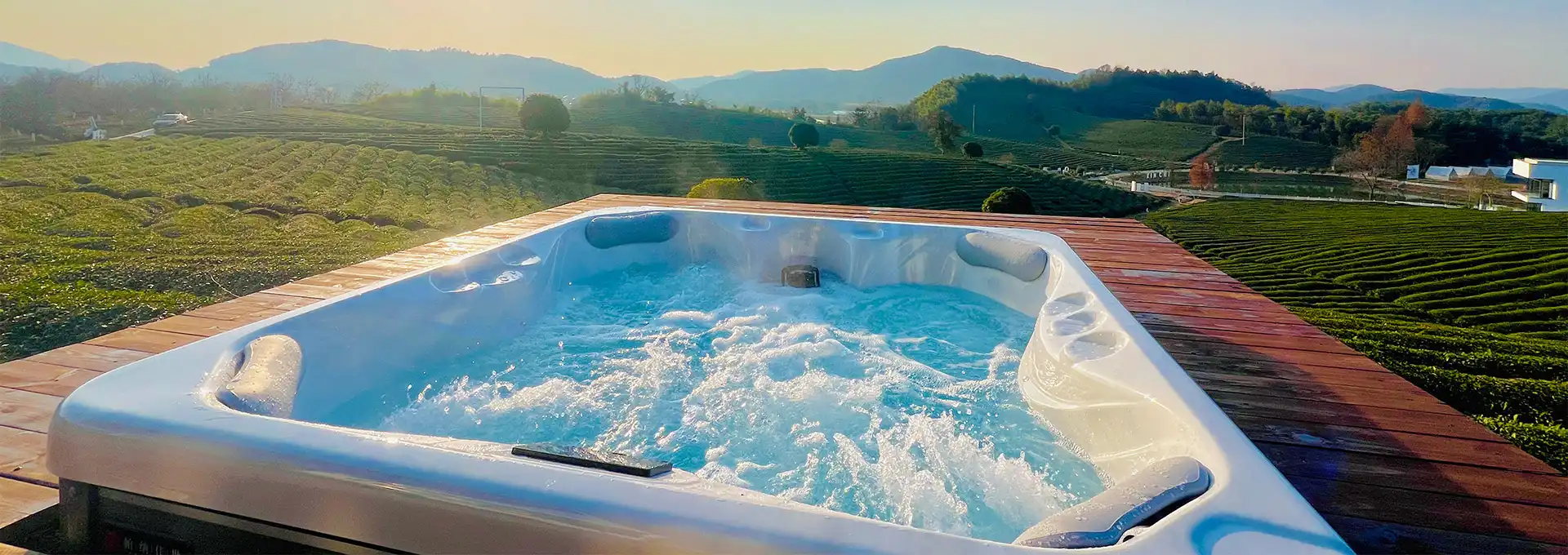
Hot tub therapy can meaningfully improve sleep quality. Soaking in warm, jet-massaged water 90 minutes before bed triggers a natural drop in core body temperature after you exit, which signals the brain to produce melatonin and initiate sleep onset. Clinical research confirms that regular hydrotherapy sessions reduce cortisol, ease chronic muscle tension, and quiet the nervous system—three biological pathways directly tied to deeper, more restorative sleep. Whether you manage a wellness resort, oversee a corporate health program, or are a homeowner investing in long-term recovery, understanding this science helps you make a confident, evidence-backed decision.

Understanding Hot Tub Therapy and Its Health Benefits
What "Hydrotherapy" Actually Means?
Hydrotherapy is the use of warm water, buoyancy, and massage under pressure to heal the body. This is not a marketing term; it has been studied in the medical field for many years. A review article from 2012 in the North American Journal of Medical Sciences confirmed that immersing in warm water lowers blood pressure, cortisol, and circulation to the body's edges. These results create a physical state that directly helps you sleep.
A healing spa is different from a regular hot tub because of how well it is built. The arrangement of the jets, the level of water pressure, the size of the pump, and the comfort of the seat all affect whether or not a soak improves your health.
When it comes to businesses like hotels, cabins, vacation rentals, and physical therapy centers, these differences are very important. Guests and patients expect results to be written down. They always come from the right equipment.
How Hot Tub Therapy Works to Improve Sleep Quality?
The Thermoregulation Mechanism
Changes in body temperature tell the body when it's time to sleep. Your core temperature goes up when you put your body in water that is 102–104°F. It drops quickly when you leave, and that drop is like the natural cool-down the brain expects before bed. Charité–Universitätsmedizin Berlin researchers discovered that passively heating the body before bed shortened the time it took to fall asleep and lengthened the period of slow-wave (deep) sleep.
The focused massage jets' 90-second pressure cycle triggers the parasympathetic nervous system in addition to the temperature. Heart rate and muscle pressure go down, which are two typical causes of restless nights. A 2019 review published in the Journal of Sleep Research found that taking a warm bath one to two hours before bed improved the quality of sleep reported by adults from a variety of backgrounds by a statistically significant amount.
Getting rid of cortisol is also important. Hot tub therapy can support relaxation before bedtime, while stress that lasts for a long time keeps cortisol levels high into the evening, which makes it harder to fall asleep and wake up. Hydrotherapy sessions that last 20 to 30 minutes have been shown to lower the amount of cortisol in saliva by as much as 16%. This makes you feel calmer before bed.
Comparing Hot Tub Therapy with Other Sleep-Enhancing Therapies
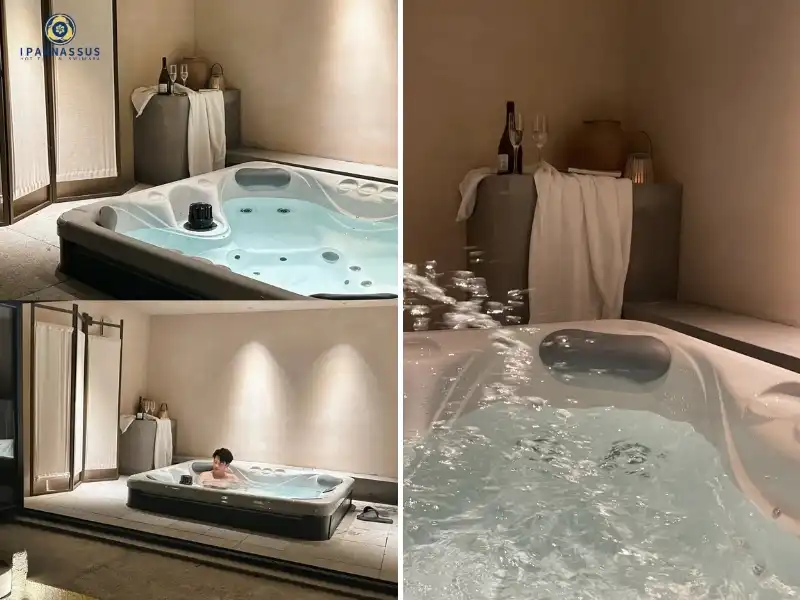
Saunas, cold plunges, massage treatments, and meditation are all good ways to stay healthy. Each one deals with sleep in a different way, and an honest comparison between them helps procurement teams spend their money wisely.
Saunas give off strong, dry heat that quickly raises your core temperature. They are good for your heart health, but they don't have any hydraulic pressure, so they can't help with joint pain or rub specific muscles. Cryotherapy, or cold plunge treatment, reduces inflammation and speeds up healing. However, it wakes you up rather than calms you down, so it's better to do it in the morning instead of right before bed.
Massage treatment can help with specific soft tissue problems, but it needs to be done by a practitioner who is available, can't be scaled up, and has ongoing labor costs. In contrast, a constant therapeutic pool offers consistent, on-demand hydromassage that doesn't need to be scheduled.
A well-designed hydrotherapy installation in a hotel spa or corporate wellness center can serve dozens of people every day for ten years, giving the business a good return on its investment. There are links between better sleep, fewer absences, and higher guest satisfaction scores.
Selecting the Right Hot Tub Therapy Solution for Your Business
What Procurement Teams Should Evaluate?
Not every therapeutic spa is the same. When comparing models, these things set real hydrotherapy platforms apart from hot tubs for decoration:
- Jet count and placement: A high jet-to-seat ratio makes sure that the whole body is covered. Shoulder, lumbar, calf, and foot jets work on the muscle groups that are most affected by sitting all day and are often the cause of pain at night.
- Pump capacity: Systems that aren't strong enough can't keep the jet pressure steady on all seats at the same time. A four-pump setup is the standard for performance at the commercial level.
- Dual-function capability: A model that can serve both massage users and swimmers at the same time gets the most use in places with a lot of foot traffic.
- Smart management integration: Commercial workers don't need to make physical changes to the panels; they need online monitoring, temperature scheduling, and usage tracking.
- Aromatic compatibility: Systems that are ready for aromatherapy let lavender, peppermint, or chamomile diffuse during sessions, making the surroundings more conducive to sleep.
These benefits turn a passive luxury into a health tool that you can use.

The iParnassus® 3D80 swim spa was designed to meet all of these requirements and provide a comprehensive hot tub therapy experience. It has 60 jets spread out over three separate seating areas, giving it the biggest jet-to-seat ratio in its class. The two side seats have pillows and jets built right in that work on the whole body, from the shoulders to the feet. The backrest of the middle seat has nine 2-inch jets that are specifically placed to help with lumbar and thoracic pain. All 60 jets are powered by four separate pumps, which ensure that the pressure is always hotel-level in every position.
Because the 3D80 has two functions, it has two massage seats next to a swim current zone. This way, one person can do active treatment while the other does resistance swimming. Its extra-deep basin makes it safe for people of all ages to use, and bright blue floor signs help people find their way in low light for evening practices. The lit-up stream adds depth to the overall visual experience, making it easier to relax before bed. Both sides have built-in ice buckets that can be used to support contrast treatment procedures when needed.
The 3D80's shipping efficiency is very useful for business operators who are in charge of operations with multiple units. It can fit up to six units into a single 40HQ container, which cuts ocean freight costs by a large amount.
Implementing Hot Tub Therapy in Corporate and Healthcare Settings
Getting the right tools isn't enough for a successful launch. Planning the installation site, the water chemistry protocols, the schedule for use, and training the staff are all things that affect how well the investment works as a therapy.
Structured access windows, like morning recovery sessions and evening wind-down slots, help people get the most out of corporate wellness programs and sleep better at night. Tracking spa use logs and sleep data through health apps for employees helps HR teams figure out the return on investment and support future investments.
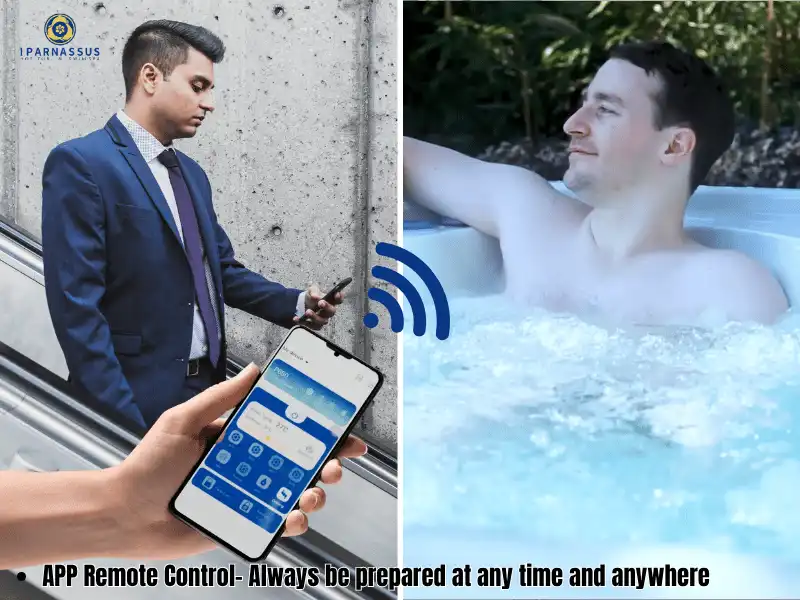
The iParnassus® control system lets hotel staff use their smartphones to control the water temperature, set jet schedules, and lock and open entry. Real-time monitoring of water levels and self-protection programs that run on their own make upkeep easier and lower the risk of responsibility. For resort developers and vacation rental managers who are in charge of many properties, being able to manage them all from one place is not just convenient; it's necessary.
Conclusion
The research is detailed: regular hot tub therapy sessions before bed lower cortisol, speed up the start of sleep, and lengthen the duration of deep sleep. For B2B companies in the healthcare, wellness, and hotel industries, this means more satisfied guests, less stressed-out employees, and a wellness value proposition that can be defended. If you buy a system like the iParnassus® 3D80 that has clinical-grade jet density, smart management integration, and commercial sturdiness, you can be sure that the investment will pay off over thousands of user sessions.
FAQ
1. Can hydrotherapy help with chronic insomnia?
According to research, there is a relevant link. A study in Sleep Medicine Reviews found that passive body warmth helped people who have trouble sleeping sleep better. The best time to soak is 90 minutes before bed, according to research. After two weeks of regular use, most people can see results.
2. How often should someone use a therapeutic spa for sleep benefits?
Most sleep experts and physical therapy standards say that you should do three to five 20–30 minute sessions a week in water that is 100°F to 104°F.
3. Are there contraindications?
Yes. People who are pregnant, have heart problems, or have low blood pressure should talk to a doctor before using. Immersion in high heat can briefly drop blood pressure, which can be dangerous for some groups.
4. Is hot tub therapy suitable for commercial wellness programs?
Of course. For high-frequency institutional usage, commercial-grade systems like the iParnassus® 3D80 are designed with smart settings, low-maintenance engineering, and the ability to handle multiple users.
Elevate Your Wellness Offering with iParnassus®—The Trusted Hot Tub Therapy Manufacturer
It takes 18 years of experience and 80 filed patents for iParnassus® to do a spa fitting. Our team can help you find the right hot tub therapy option for a high-end resort, a company wellness center, or a portfolio of vacation rentals. We offer product advice, logistics support, and after-sales service that is designed for businesses. You can get a price or set up a product display by emailing info@iparnassus.com to request a quote or schedule a product demonstration.

References
1. Mooventhan, A., & Nivethitha, L. (2014). Scientific Evidence-Based Effects of Hydrotherapy on Various Systems of the Body. North American Journal of Medical Sciences, 6(5), 199–209.
2. Haghayegh, S., Khoshnevis, S., Smolensky, M. H., Diller, K. R., & Castriotta, R. J. (2019). Before-Bedtime Passive Body Heating by Warm Shower or Bath to Improve Sleep: A Systematic Review and Meta-Analysis. Sleep Medicine Reviews, 46, 124–135.
3. Lauche, R., Cramer, H., Hauser, W., Dobos, G., & Langhorst, J. (2014). A Systematic Review and Meta-Analysis of Spa Therapy for Fibromyalgia. Rheumatology International, 35(1), 1–10.
4. Sung, E. J., & Tochihara, Y. (2000). Effects of Bathing and Hot Footbaths on Sleep in Winter. Journal of Physiological Anthropology and Applied Human Science, 19(1), 21–27.
5. Faulkner, S. H., & Broatch, J. R. (2021). Cold Water Immersion and Hot Water Immersion: Recovery Modalities and Sleep Quality. International Journal of Sports Physiology and Performance.
6. National Institute for Health and Care Excellence (NICE). (2021). Chronic Pain (Primary and Secondary) in Over 16s: Assessment of All Chronic Pain and Management of Chronic Primary Pain. NICE Guideline NG193.

Send Inquiry