_1768872582663.webp)
Swim Spa Training Pool Installation Guide for Homeowners
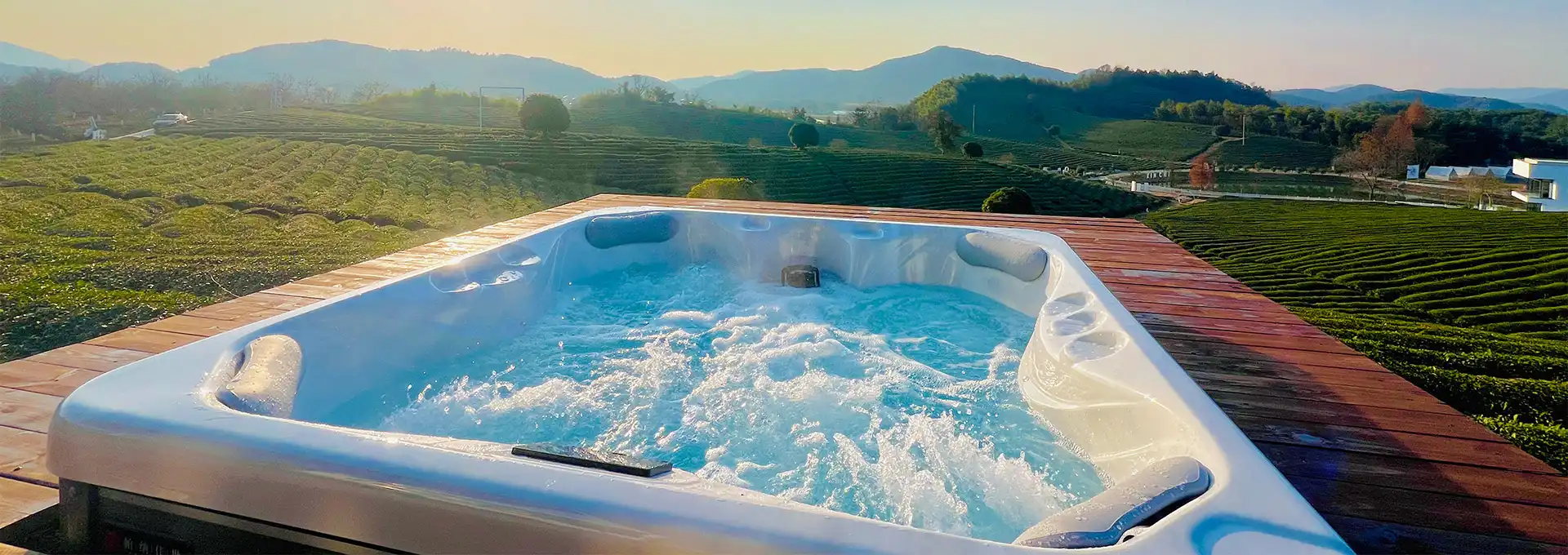
Installing a swim spa training pool at home is one of the most practical investments a serious athlete or fitness-focused homeowner can make. Whether you are a competitive swimmer, a coach building a private training facility, or a villa developer seeking premium amenities, this guide walks you through everything—from site planning to post-installation upkeep. Understanding the full installation process protects your investment, ensures regulatory compliance, and helps you get peak performance from day one.
Understanding Swim Spa Training Pools and Installation Essentials
What Makes a Swim Spa Training Pool Different?
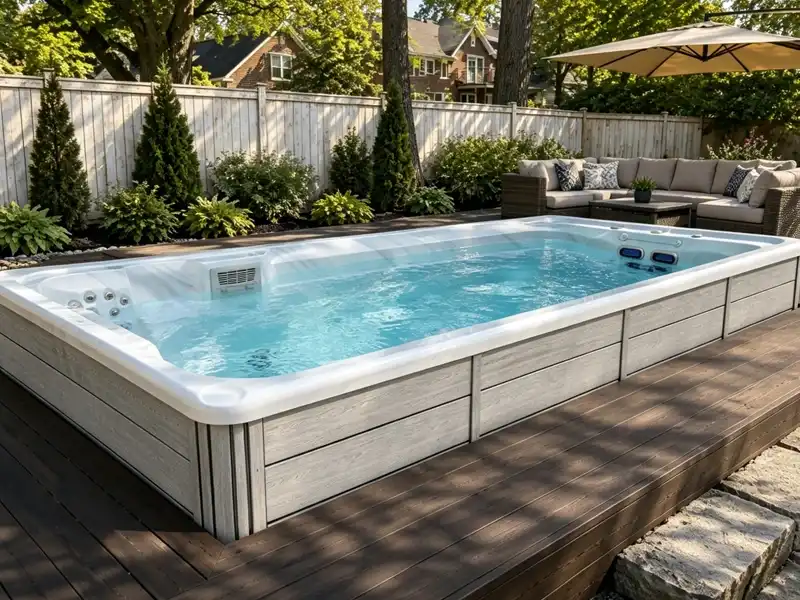
A swim spa training pool is different from a regular lap pool because it has a small area and a constant resistance current. A powerful propulsion system, improved filtering, and precise temperature control are some of the most important parts. The end result is an aquatic training area that can be used all year and looks good in both a backyard and a hotel fitness room. Professional installation is required; if not done correctly, the hydraulics, electrical safety, and long-term structural integrity are all at risk.
In many ways, a swim spa is better than a regular lap pool. The Pool & Spa News says that the global swim spa market is steadily growing as athletes and homeowners look for performance-grade water equipment that doesn't take up too much space. Professional athletes who need to do strength training every day, people who are trying to recover and depend on hydrotherapy jets, and hotel owners who want to add high-end leisure services will all be interested.
This level of engineering is shown by the iParnassus® Acrylic Infinity Swim Spa. When you combine its unique right-angle shape with a simple interior layout, the swim lane can be used for up to 4.75 metres, which is up to 95% of the unit's total length. Three 13.5-inch swim jets are powered by two 4HP pumps and one 3HP pump. This creates a strong, smooth current that feels like being in a real infinity pool. Built-in steps with bars make getting on and off the machine safe, and during interval training, those steps can also be used as stopping areas.
Dr Rick McAvoy, a physical therapist, licensed strength and conditioning coach, and aquatic therapist with more than 25 years of experience, says, "Water is great for our mental health and a great way to relieve stress." The hydrodynamic pressure in a swim spa naturally lowers heart rate and improves circulation. This means that recovering from a workout is just as important as the workout itself.
Pre-Installation Planning and Requirements
Site Assessment: Indoor vs. Outdoor
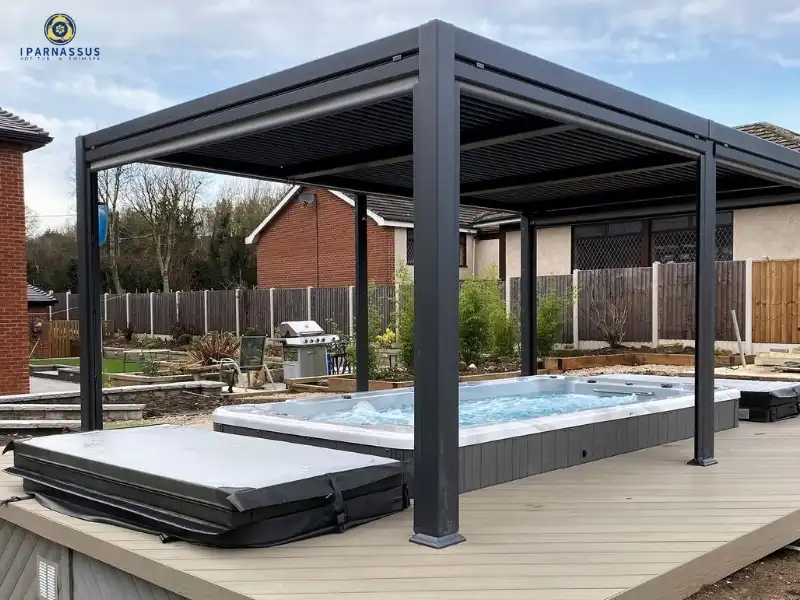
Before any equipment comes, the spot must be carefully inspected. Carefully measure the space you have because the Swim Spa Training Pool needs a stable, load-bearing surface that can hold the whole unit. For installations above ground, concrete pads are usually used as a base. For installations recessed in the ground, however, excavation and structural reinforcement are needed. Both choices are good, but many house and resort developers prefer in-ground placement because it looks better and fits better with the scenery.
Here are the primary pre-installation factors to evaluate:
- Surface load capacity: When a swim spa, a hot tub in a pool, or a training pool is full, it puts a lot of downward pressure on the ground. Before deciding on a final placement, talk to a structural engineer to make sure the ground is suitable.
- Electrical supply: Most professional-grade units need a separate 240V connection with GFCI safety features. Make sure that this load won't affect any other circuits on your electrical panel.
- Plumbing proximity: Put the unit near water supply and waste lines that are easy to reach to make installation easier and cheaper.
- Noise and privacy: Put the unit away from the property lines so that the pump noise doesn't bother the neighbours, and think about privacy screens if you need to.
Regulatory compliance changes from state to state. In the U.S., the National Electrical Code Article 680 controls all installations of pools and spas, mandating specific rules for bonding, grounding, and GFCI requirements. Before you start working, you should always hire a professional worker who knows what permits are needed in your area.
Step-by-Step Installation Process
Delivery, Positioning, and System Commissioning
Coordinating delivery for a premium swim spa training pool requires advance planning. Before the iParnassus® unit leaves the factory, it has to go through a 24-hour pre-shipment water test that checks every jet, pump, and electrical part. When the unit gets there, check it carefully for damage from transport before signing for delivery.
The installation sequence follows a logical progression:
- Placement: Use a crane or automatic lift to carefully place the unit on the base that has been prepared. Avoid dragging. Lucite® acrylic shells are very strong, but surface wear from rough handling can void the warranty.
- Plumbing connections: Follow the manufacturer's diagram to connect the supply and drain lines. Test all the joints for pressure before you fill them.
- Electrical hook-up: All final electrical hookups must be made by a registered electrician. Before turning on the power, make sure the bonding is continuous and the GFCI works.
- Initial fill and chemical balance: Fill the container with fresh water, and then check the pH, alkalinity, and sanitizer levels before using it for the first time.
- Current calibration: Turn on each pump circuit separately, then test all three swim jets with different levels of resistance. The iParnassus® model has two 4HP pumps that let you change the intensity of the current, allowing progressive resistance programmes that are good for both beginner aerobic sessions and high-level competitive training.
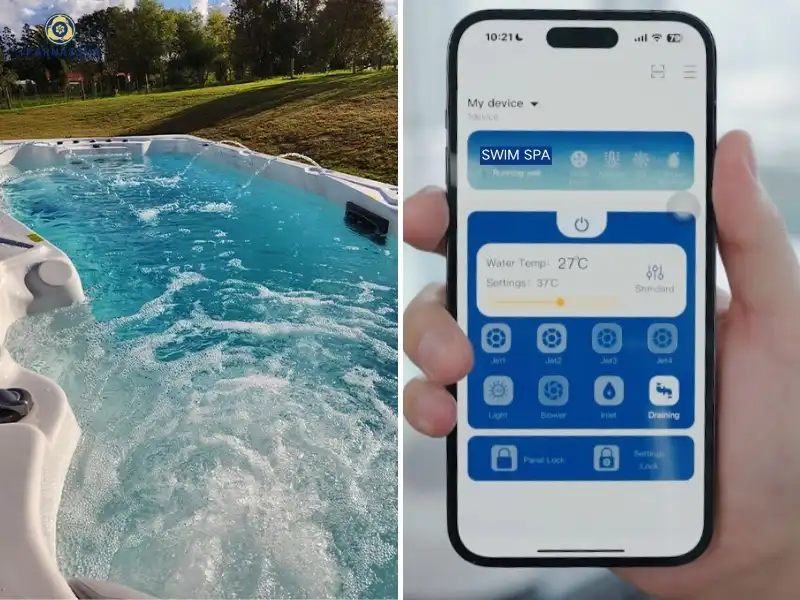
After the commissioning is done, make sure all the safety interlocks work properly and do a noise test. The iParnassus® smart control system lets you watch in real time from your smartphone, featuring automatic self-protection protocols, monitoring of temperature and water level, and real-time tracking of entry and exit — eliminating the need to manually cut power.
Post-Installation Maintenance and Performance Optimisation
Keeping Your Swim Spa in Peak Condition
Regular maintenance keeps both the performance and the value of an asset. For a training pool, the iParnassus® filter system makes maintenance easier than with a full-size in-ground pool, but you still need to stick to a schedule.
Rinsing cartridge filters every two weeks, deep-cleaning them once a month, and changing them every year in heavy-use situations are all good upkeep practices. The chemistry of the water should be checked at least twice a week, or more often in hot areas or business settings with a lot of bathers. When conditions change, the iParnassus® intelligent water reminder system lets users know immediately. This lowers the chance that equipment damage from unbalanced chemistry will happen.
Efficient use of energy is another long-term performance lever. The high-density foam insulation around the shell keeps heat in well, which lowers heating costs all year. The automatic heat pump power supply port in the system saves even more energy. As the American Council for an Energy-Efficient Economy says, upgrading to a quality insulated cover when the unit is not in use can cut heating costs by as much as 60%.
By adding things like resistance bands, underwater treadmill attachments, or hydrotherapy massage seats, you can make the machine useful for more than just swimming. It can also be used for full-spectrum rehabilitation and healing programmes.
Procurement and Supplier Considerations for Swim Spa Training Pools
Evaluating Suppliers: What Matters Most?
For purchasing managers, hotel developers, and distributors who buy in bulk, unit price is not the only thing that matters when choosing a supplier. Product innovation depth, approval coverage, and after-sales infrastructure are the most important factors for assessment.
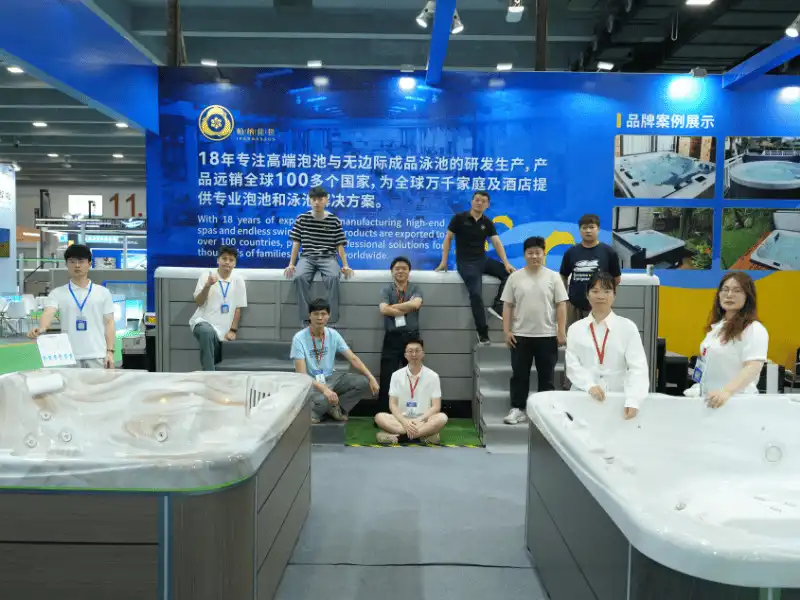
The iParnassus® brand has been making high-end Chinese spa products for 18 years and has earned six international certifications and 80 patents as of 2026. Lucite® acrylic, which is the same material standard used by top industry publications, is used to build the units. It is better at resisting UV degradation, chemical exposure, and physical impact than other shell materials.
The total cost of ownership goes down a lot when you buy things in sets that come with factory-certified installation help, operator training, and a clear guarantee structure. Distributors and resort developers benefit from iParnassus®'s ability to customise manufacturing, which lets them change specifications for a swim spa training pool to meet the needs of a particular project without having to meet the minimum order requirements that smaller suppliers usually have.
Conclusion
A well-planned swim spa training pool installation can turn a home or business into a place where people can train and recover in the water all year long. Each step needs careful attention to technical details, from evaluating the site and making sure it meets all the rules to starting up the project and keeping it running. With its 4.75-metre swim lane, triple-jet propulsion system, and smart control platform, the iParnassus® Acrylic Infinity Swim Spa gives serious athletes and picky developers the professional-level performance they need. Working with a certified, knowledgeable supplier makes sure that the full potential of the tools is used at every stage of the installation.
FAQ
1. How long does a swim spa training pool installation typically take?
Depending on how complicated the site is and how ready the electricity is, a normal above-ground installation on a ready-made concrete pad can take anywhere from one to three days. In-ground systems need more time for drilling, which usually adds three to seven days to the project schedule.
2. Can a swim spa be installed indoors?
Yes. Installations inside are common in places with hard winters and in business health centres. For indoor setups, you need to make sure there is enough air flow, flooring that doesn't absorb water, and good drainage.
3. What electrical requirements does the iParnassus® Acrylic Infinity Swim Spa need?
According to NEC Article 680, the unit needs a separate 240V power source with GFCI protection that is set up by a licensed electrician.
4. How adjustable is the current resistance for different training levels?
There are two 4HP pumps and one 3HP pump that drive three 13.5-inch jets. The current flow can be changed, so it can be used for a wide range of activities, from low-intensity rehab routines to competitive resistance swimming.
Ready to Build Your Private Training Pool? Contact iParnassus® Today
Professional athletes, resort builders, and fitness centres in North America, Europe, Australia, and the Middle East all trust iParnassus® to make the best swim spa training pools. Our Acrylic Infinity Swim Spa is made of Lucite® acrylic and has been tried for 24 hours or more before it is shipped. It has 80 patents, six foreign certifications, and is a professional-grade unit. You can email our team at info@iparnassus.com to see all of our products.
References
1. Pool & Spa News. (2022). Swim Spa Market Growth and Consumer Trends. Hanley Wood Media.
2. McAvoy, R. (2023). Aquatic Therapy and Swim Spa Performance. Aquatic Exercise Association Journal.
3. APSP (Association of Pool & Spa Professionals). (2021). Residential Swim Spa Installation Standards. APSP.
4. National Fire Protection Association. (2023). NEC Article 680: Swimming Pools, Fountains, and Similar Installations. NFPA.
5. American Council for an Energy-Efficient Economy. (2021). Energy Savings in Residential Aquatic Equipment. ACEEE.
6. Aquatic International. (2022). Best Practices for Swim Spa and Aquatic Training Facility Design. Athletic Business Media.

Send Inquiry