_1768872582663.webp)
Compact Hot Tub Guide – Everything You Need to Know
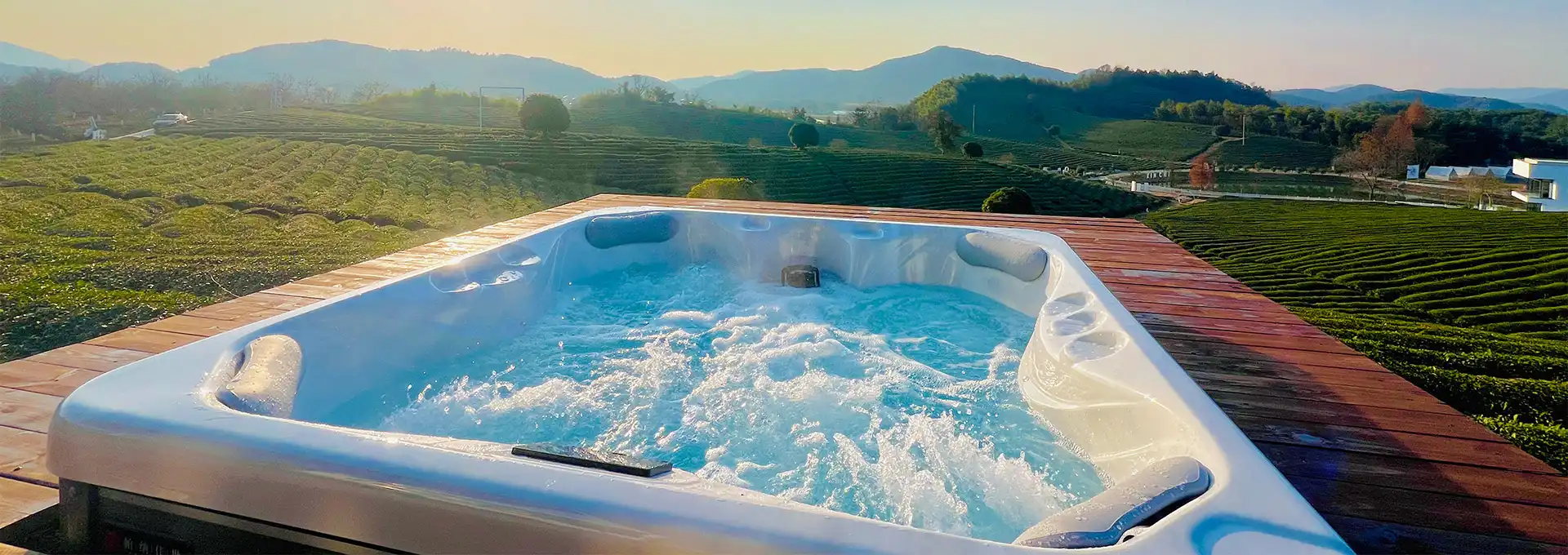
When space feels tight but relaxation shouldn't be compromised, a Compact Hot Tub becomes the perfect solution. These space-efficient wellness investments pack premium hydrotherapy features into designs measuring as small as 193x153cm, making them ideal for apartment balconies, boutique hotels, small patios, and even yachts. With water capacities around 500 liters, they heat faster and cost significantly less to operate than traditional models, all while delivering therapeutic benefits that rival their larger counterparts. This guide walks you through everything from selecting the right unit to understanding maintenance requirements, helping you make an informed decision that fits your space, budget, and wellness goals.

Understanding Compact Hot Tubs: Definitions and Key Features
What Defines a Compact Hot Tub?
The term "Compact Hot Tub" refers to a spa that is small enough to fit in places where regular hot tubs can't. It can easily fit one to three people. Unlike inflatable types that aren't very durable or good at massaging, these have hard acrylic shells, real hydrotherapy jets, and heating systems that use less energy. The standard footprint is between 150 cm and 200 cm long, and the smallest models are about 193 cm by 153 cm, which is small enough to fit through standard doorways and elevator cabs.
Core Technical Specifications
The 2R01 model is a great example of a current, small form. Even though it's small, this hot tub for three people has roomy seats, making it perfect for couples or small families. The unique two-way lounge seat design makes it stand out. It lets you talk to each other face-to-face during massages, which isn't common in such a small package. The unit has an effective skimmer filtration system that keeps the water clear with little upkeep.
In terms of operations, up to 22 units can fit into a single shipping container, which makes the cost of sending each piece much lower. This economy is especially important for people who run small hotels or buy more than one bed and breakfast. The small size also makes delivery possible through elevators and tight spaces inside, which makes installation easier in apartments in cities.
Energy Efficiency and Material Considerations
Hot tubs that are smaller use a lot less energy than regular ones. The time it takes to heat water drops from hours to less than 90 minutes because there is only 500 liters to heat instead of 1,500 to 2,000 liters in traditional models. Most units work with standard 240V outlets, so you don't have to pay for the expensive electrical upgrades that bigger spas need.
The choice of material affects both how long something lasts and how much it costs to run. Good glass shells don't get damaged by UV light and keep heat in better than cheaper plastic shells, which cuts energy use by 15 to 20 percent a year. Quality of insulation is just as important as quantity. Look for full-foam insulation that keeps heat in even in cold places, saving your investment and lowering your energy bills.
Benefits and Use Cases of Compact Hot Tubs for B2B Clients
Commercial Advantages Across Industries
Solutions for hydrotherapy with a small footprint are very useful in business settings where space costs a lot. Boutique hotels can turn empty rooftop spaces into special relaxation areas without giving up guest rooms. Bed and breakfast owners set their homes apart by giving private spa experiences that make the higher nightly rates worth it. Corporate health programs put these units in areas where employees can relax. This boosts mood and productivity while taking up little space.
When used in these ways, the financial calculation works especially well. Chemical costs go down when the water volume goes down, so monthly care costs are 40–50% less than what they would be for a normal spa. Faster warmth lets it work only when it's needed instead of all the time, which saves a lot of energy.
Seasonal and Daily Usage Patterns
Compact 4-person hot tubs are great for use all year long. Weather-resistant design lets you move things indoors or outdoors, so you can use them all year long. During the winter, the smaller amount of water is helpful because the units keep the temperature well even when it's freezing outside, while bigger tubs have a harder time keeping the heat in. When installed in covered areas, it can quickly warm up, which is helpful for summer use.
Business settings need to be able to be flexible with the time of day. Boutique hotels can offer health classes in the morning before guests check out and time to rest in the evening after they arrive. The unit quickly returns to its ideal temperature between uses. This operational flexibility makes the best use of assets without wasting too much energy.
Safety Standards and Regulatory Compliance
Certain safety rules must be followed for commercial setups. The American National Standards Institute (ANSI) and the National Sanitation Foundation (NSF) set the rules for public spa sites. Ground-fault circuit interrupter (GFCI) protection, good drainage, and surfaces that won't slip are some of the most important things to think about. Compact models are easier to follow because they don't have to follow the same commercial pool rules as bigger installations, because they hold less water. However, local codes may be different. Professional installation makes sure that electricity codes and health department standards are followed. This protects owners from liability and makes sure that guests are safe.
Maintenance, Water Care, and Installation Guide
Routine Maintenance Protocols
Compact Hot Tubs are easier to maintain than bigger types, but they still need regular care. As part of the weekly schedule, the water's chemical is tested, the pipe is cleaned, and the jet's operation is checked. Filters need to be cleaned or replaced once a month, and the box and cover need to be inspected and checked for condition. Chemical balancing is actually easier because there is less water in the system. Changes happen faster, and less chemical is needed.
Some good small models, like the 2R01, have a skimmer filtration system that gets rid of debris before it goes through the jets. This makes the filter less busy. Cleaning the skimmer basket once a week keeps it clear and the water flowing smoothly. Depending on how often they are used, filter tubes usually need to be rinsed every two weeks and replaced every 12 to 18 months.
Water Chemistry Management
The right balance of chemicals saves both people and tools. The ideal conditions have a pH range of 7.2 to 7.6, an alkalinity range of 80 to 120 ppm, and the right amount of chlorine or bromine for your system. Because it can hold 500 liters, changes only need a small amount of product—about one-third of what is needed for regular tubs.
For home use, testing once a week is enough to keep an eye on things, but for business use, testing every day is needed to meet health codes. Digital test strips are easy to use and accurate, so you don't have to guess. Keeping the chemistry right stops scale from building up on heating elements, which keeps equipment working well and saves energy.
Installation Planning and Execution
Assessing the structure is the first step in getting the site ready. When full, compact models weigh between 1,800 and 2,200 pounds, so they need to be supported on the floor. For installations on roofs, you need to get professional engineering approval. For installations on the ground, you usually need a concrete pad or reinforced decking. To make sure water drains properly and shell stress doesn't happen, the fitting spot needs to be leveled within an inch.
Delivery access is very important. Because models like the 2R01 are small, they can fit through 32-inch doorways and normal elevator cars. This means that they can be installed in ways that bigger units can't. This feature is very useful for apartment buildings in cities and hotel rooms inside, where putting a crane outside would be too expensive.
Professional installation makes sure that the electricity is safe and that the guarantee is followed. All wiring should be done by licensed electricians, even for simple 240V hookups. There aren't many plumbing issues to worry about because most small types can be filled with a normal garden hose. Professional installers also make sure that the GFCI protection is correct and set up the right drainage systems to keep nearby buildings from getting damaged by water.
Choosing the Right Compact Hot Tub: Comparison and Procurement Guide
Compact Hot Tubs vs. Alternative Wellness Solutions
Comparing the available options makes the value differences clearer. Inflatable Compact 4-person hot tubs have a lower upfront cost, but they typically last only one to three years, lack genuine massage jets, and provide limited insulation. Saunas offer different health benefits, but require similar space and often involve higher installation costs than hydrotherapy. Traditional hot tubs provide more features, but generally occupy three to four times more space and cost significantly more to operate.
Compact rigid-shell models offer a balanced alternative: they can last 15 to 20 years, provide genuine massage therapy, consume relatively little energy, and are straightforward to install. Their moderate entry-level investment makes them accessible to both residential buyers and small businesses.
Key Features to Evaluate
The success of therapy depends on the quality of the jet. Look for jets made of stainless steel that have pressure and direction controls that you can change. The two-way lounge seat design in models like the 2R01 lets you massage your feet and neck at the same time, which is a feature that you don't often see in small configurations.
The amount of noise affects how people use the space, especially in homes. Good pumps work at 55 to 65 decibels, which is about the same volume as a normal conversation. Cheaper units may be louder than 75 decibels, which could bother neighbors or other guests.
Supplier Selection and Procurement Considerations
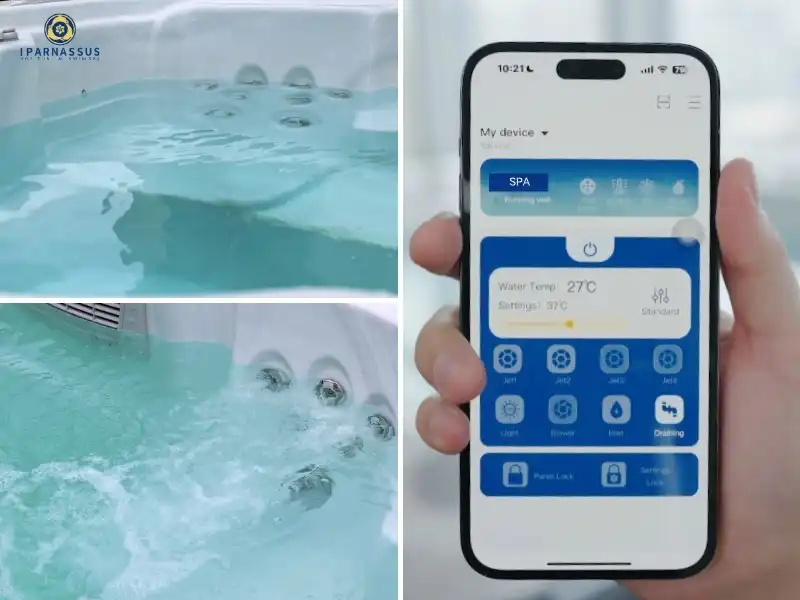
Control methods make things easier. Advanced models from companies like iParnassus® can connect to your smartphone and let you control the temperature, jets, and schedule filtering from afar. These systems have safety features like temperature and water level monitoring that keep them from getting damaged by mistakes made by the user.
When looking for a reliable Compact Hot Tub supplier, you need to look at more than just price. Certification to ISO standards, full guarantee coverage (usually 5–10 years on shells, 2–3 years on equipment), and patent files that show innovation are all signs of good manufacturing. Companies like iParnassus® that have 80 patents show that they keep investing in new products.
Service after the sale is very important. Make sure that the sellers offer expert help in your language and time zone, keep extra parts in stock, and give you instructions on how to install their products. Authorized dealer networks allow local service access, which cuts down on downtime for repairs.
Buyers from businesses should look into financing choices that are designed for business buying. A lot of sellers have lease-to-own programs or savings for buying in bulk. Logistics for delivery are just as important. Suppliers who combine shipping, like putting 22 units in a container, save money on shipping and are better for the environment.
Leading Compact Hot Tub Brands and Supplier Insights
Established Market Leaders
There are a number of well-known brands in the Compact Hot Tub market. With their compact series, Hot Spring Spas was one of the first companies to make designs that used less room. They focused on energy saving and building quality. Their models usually have high prices, which is okay because they have strong guarantees and large networks of dealers. Lifesmart has choices in the middle of the price range that have good features. These are popular with users on a budget who don't mind having fewer customization options.
Emerging brands are reshaping the landscape. iParnassus® shows how Chinese industry has changed from focusing on cost to focusing on quality. With over 80 patents and 18 years of experience in spas, the company has reached a level of technical sophistication that is on par with well-known Western brands. Their high-tech control systems include smart safety features, smartphone integration, and automatic water management that make things easier and more reliable.
Evaluating Supplier Credentials
Certifications are the first step in judging quality. Check for CE marking (for safety standards in Europe), UL listing (for safety standards in North America), and ISO 9001 approval (for quality management systems). These qualifications show that the company follows foreign standards for manufacturing and has regular quality checks.
In competitive markets, providers that offer good customer service stand out. Long-term ownership happiness depends on quick technical help, detailed installation instructions, and replacement parts that are easy to find. Companies that do business in Europe, Australia, the Middle East, and North America must show that they are operationally mature and able to provide excellent service across cultures.
Geographic Considerations and Dealer Networks
Manufacturers' confidence can be seen in their warranty programs. Shell guarantees should last between 5 and 10 years and cover structural stability against cracks and leaks. Pumps, heaters, and control systems usually come with contracts that last for two to three years. Options for longer warranties offer extra safety for business installations where downtime costs money.
The standard of both installation and service is affected by how close an authorized dealer is. Local dealers check out the site, make sure the delivery goes smoothly, and offer ongoing maintenance support. Because they are close to each other, they can quickly fix technology problems that might affect business or personal happiness.
B2B buyers who buy more than one unit can benefit from having direct ties with manufacturers. When property management companies or boutique hotel chains order multiple units, they can often get better prices and more customization choices by working directly with the makers. This method needs more management of procurement, but it saves money in the long run.
Conclusion
Compact Hot Tub selection involves striking a balance between available space and desired features, operational costs, and long-term value. Models like the 2R01 show that small sizes don't have to mean less comfort or therapeutic effectiveness. The two-way lounge layout, good filtration, and very good logistics efficiency make these units very appealing to buyers who are limited on space, like apartment dwellers and small hospitality businesses. You will be happy for years to come if you carefully look at the supplier's reputation, the total cost of ownership, and how well the features fit your needs. The market for small spas is always changing. Better energy economy and more advanced control systems are making these units more appealing for home and light business use.
FAQ
1. How much space do I need for a compact hot tub installation?
For the construction of a Compact Hot Tub, how much room is required? The smallest, most compact types need a floor space of about 193x153 cm. You should also leave an extra 60–90 cm around the edges for safe entry and upkeep access. Installing on a rooftop or deck needs to be checked by a structural engineer to make sure it can hold enough weight—about 2,200 pounds when filled with water and people. For indoor systems, being close to floor drains and having enough airflow to control humidity are helpful.
2. What are typical operating costs for compact hot tubs?
Operating costs vary depending on weather, frequency of use, and local energy rates. The 500-liter capacity requires significantly less energy to heat and maintain than larger models. In mild climates, well-insulated units can have very low monthly energy costs, while outdoor installations in cold winter climates may require substantially more energy. Water-treatment chemicals add a relatively small recurring monthly expense.
3. Can compact hot tubs be used year-round in cold climates?
When placed and kept correctly, quality compact models work well in freezing weather. The most important things are having enough padding, covers that fit well, and safety from wind. In cold weather, the smaller volume of water is actually a good thing because less thermal mass means that heating is more responsive and temperature maintenance is easier. Many people who live in northern climates use their small spas all winter long without having to pay too much for energy.
Ready to Transform Your Space with iParnassus® Compact Hot Tubs?
Every Compact Hot Tub that iParnassus® makes is backed by 18 years of experience in spa engineering. Our 2R01 model is the best of both worlds when it comes to space efficiency and therapeutic ability. It has a unique two-way lounge design that lets people really connect with each other during hydrotherapy sessions. We have 80 patents protecting our advanced control systems, which include features like smartphone integration, automatic water management, and smart safety tracking. These systems are the most innovative of any Compact Hot Tub maker in the world.
Whether you run a small hotel looking for unique amenities, manage an apartment building in the city, or just want to relax in style on your balcony, our team can help you with expert advice that is tailored to your needs. We know how hard it is to handle logistics for installations in small spaces and how important it is to run a business. Get in touch with our experts at info@iparnassus.com to talk about how our small solutions can help you reach your wellness goals while also taking into account your budget and space needs. Our full support includes assessing the site for the first time, coordinating the installation, and giving you advice on ongoing maintenance. This way, we can make sure that your investment pays off for decades to come.

References
1. National Sanitation Foundation. (2023). NSF/ANSI Standard 50: Equipment for Swimming Pools, Spas, Hot Tubs and Other Recreational Water Facilities. NSF International Standards.
2. Becker, B.E. & Cole, A.J. (2022). Comprehensive Aquatic Therapy, Fourth Edition. Washington State University Press.
3. American Society of Heating, Refrigerating and Air-Conditioning Engineers. (2023). ASHRAE Handbook: HVAC Applications, Chapter 6: Natatoriums and Hot Tubs. ASHRAE Publications.
4. Pool & Hot Tub Alliance. (2024). 2024 State of the Industry Report: Residential and Commercial Spa Market Analysis. PHTA Industry Research.
5. Consumer Product Safety Commission. (2023). Safety Barrier Guidelines for Residential Pools and Spas. CPSC Publication 362.
6. International Association of Plumbing and Mechanical Officials. (2024). Uniform Swimming Pool, Spa, and Hot Tub Code. IAPMO Standards Development.

Send Inquiry