_1768872582663.webp)
How long does it take to heat a Swim Spa 4M
When considering a compact hydrotherapy solution for your property, understanding heating efficiency becomes critical. A Swim Spa 4M typically requires 1.5 to 4 hours to reach optimal temperature, depending on heater capacity, insulation quality, and ambient conditions. This timeframe makes these units remarkably efficient compared to traditional pools, delivering the dual benefits of exercise and relaxation without excessive waiting periods. The heating duration directly impacts operational costs and user satisfaction, particularly for hospitality operations where guest experience depends on consistently ready amenities.
Understanding the Heating Process of a Swim Spa 4M
What Makes a 4-Meter Swim Spa Unique
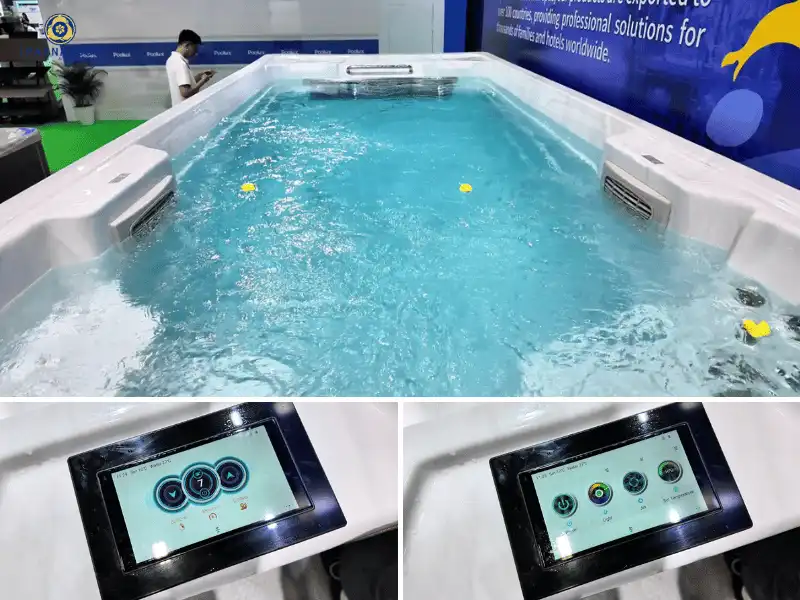
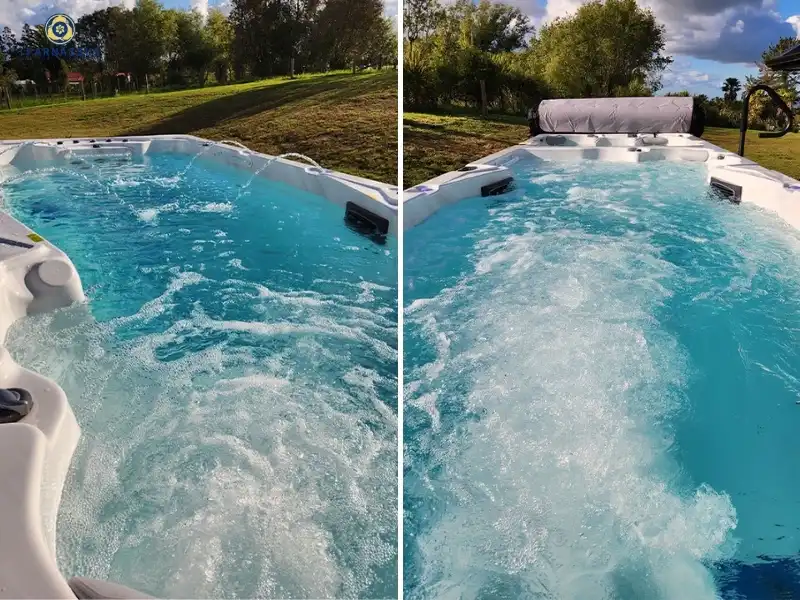
There is a middle ground between traditional hot tubs and full-sized pools with these small water exercise options. The 4-meter footprint takes up little space and works well in most backyards and small hotels, and it lets you swim against the current. Some models, like the 4D20, have three professional 13.5-inch big swim jets that create strong water currents that let you swim all the time. When you get tired, the built-in seats provide soothing massage therapy and also serve as steps for easy exit. This plan makes the best use of space to solve the problem of limited outdoor spaces while still offering a wide range of health options.
Heating Systems Powering Your Investment
The market is mostly made up of two main heating methods. Electric heaters quickly raise the temperature of water by putting the element directly in contact with it. They do this by reliably turning electrical energy into heat. Heat pumps take heat from the air around them and use refrigerant cycles to move it into the water. Even though heat pumps take longer to heat up at first, they are cheaper to run because they use 60–70% less electricity than regular electric systems. Which of these tools you choose affects both your initial investment and your long-term operating budgets.
Key Factors Influencing Heating Duration
The basic variable is the amount of water present. Depending on the depth setup, a normal Swim Spa 4M can hold between 2,500 and 3,500 gallons. The difference in temperatures is very important. For example, heating water from 50°F to 100°F takes more time and energy than raising the temperature by 10°F. The quality of the insulation is what sets high-end models apart from cheaper ones. Advanced cabinet insulation and thermal covers keep heat from escaping, so heaters can work more efficiently instead of constantly losing power.
The speed of a heater is directly related to its power rating. 5.5kW heaters heat water faster than 3kW heaters, but they use more electricity because they are higher power. Conditions change depending on things in the environment, like the temperature of the air, the amount of wind, and the level of humidity. It's harder for a Swim Spa 4M to heat up in the spring when it's 40°F than it is for one in the summer when it's 70°F.
Average Heating Time: Benchmarking Swim Spa 4M Models in 2026
Current Performance Standards
Benchmarks in the industry show that well-designed Swim Spa 4Ms heat up completely within expected time frames. When the temperature outside stays moderate, units with strong 5–6kW heating systems can usually finish the job in 1.5 to 2.5 hours. In the same situation, mid-range models with 4kW heaters need about 2.5 to 3.5 hours. Configurations that are easy on the wallet may go up to 4 hours, especially when weather conditions aren't good. It is assumed that these numbers are correct and that the insulation was installed by a professional.
Comparative Context Against Other Aquatic Solutions
Traditional 10-meter pools need 24 to 72 hours to fully heat up, which makes them impractical for use on the spot. Standard pools and hot tubs that hold 300 to 500 gallons of water heat up in 30 to 60 minutes, but they don't have any exercise features. The Swim Spa 4M is the perfect compromise because it heats up faster than pools and has a lot more uses than regular spas. Because they are well-balanced, they are very appealing to villa owners and small hotel owners who need both exercise and relaxing features.
Energy Consumption and Operational Economics
The amount of time spent heating has a direct impact on monthly energy costs. A Swim Spa 4M equipped with a heat pump generally requires moderate ongoing electricity consumption, while still offering potential savings compared with maintaining a traditional heated pool. An insulated hard cover is particularly valuable because it can significantly reduce heat loss through evaporation. Homeowners using their units two to three times per week can expect relatively predictable energy consumption, although actual costs depend on the desired water temperature and local electricity rates. Energy-efficient designs with improved insulation reduce both heating time and ongoing operating costs.
Installation and Maintenance Tips for Optimal Heating Performance
Professional Setup Makes the Difference
Setting up professionally makes a difference. Installation that is done right is the key to warmth that works well. Certified workers make sure that the base pad gives enough support and keeps ground wetness out, which lowers the insulation's effectiveness. Electrical links must match the heater's requirements; wire that is too small creates bottlenecks that reduce the heater's heating power. Positioning is also important. Places that are out of the way of the wind tend to lose less heat through convection, and places that face south in northern climates get more passive solar gain. Professional fitters are aware of these differences and choose the best location to cut down on the time it takes to heat up.
Some common installation mistakes are not properly preparing the equipment pad, which can cause it to settle and become misaligned; not using the right electrical size, which makes heaters work below their full potential; and not installing wind shields, which wastes more energy. These mistakes make the heater take longer and cost more to run over the unit's lifetime.
Routine Maintenance Sustaining Peak Performance
Regular maintenance keeps performance at its best. Maintaining the filter on a regular basis makes sure that water moves smoothly through the heated elements. When filters get clogged, pumps have to work harder, which makes heat transfer less effective. We suggest checking filters every two weeks during times of heavy use, cleaning them once a month, and replacing them once a year. The spa cover needs the same care—covers that are broken or wet lose their insulation properties, which could make the heating last twice as long. Check the state of the cover every three months and fix any tears or heavy soaking right away.
Calibration of the thermostat affects both warmth and how well it works. Professional inspections once a year make sure that temperature sensors are reading correctly, which stops heating cycles that use too much energy. These maintenance methods protect the initial investment and make sure that the system always works well. Preventive plans that get rid of unexpected breaks during busy times are especially helpful for hospitality businesses.
Safety and Warranty Considerations Related to Heating Systems
Built-In Protection Mechanisms
Modern spa swimming has many safety features that keep people and equipment safe. Overheat safety systems turn off heating elements automatically when temperatures rise above safe levels. This keeps people from getting burned and keeps equipment from breaking. High-limit switches provide an extra way to shut down the system in case the main heaters stop working. Ground-fault circuit interrupters look for problems with the electricity and turn off the power before they become dangerous. These features meet the safety standards set by UL and CE, which are known in markets across North America and Europe.
The iParnassus® smart control system makes things safer by letting you monitor them from your phone. Real-time temperature tracking lets you check that heating systems are working properly from afar, and water shortage safety stops heaters from running when water levels drop too low. The automatic self-protection program starts when the water enters or leaves the tank. This gets rid of the need for manual power management, which can lead to mistakes.
Warranty Coverage and Procurement Considerations
Full guarantees show that the maker trusts the longevity of the heating component. Most high-end providers cover both parts and work for 5 to 7 years on heating equipment. The warranty should make it clear that it covers replacing heater elements, fixing thermostats, and fixing problems with the control system. Knowing the scope of coverage helps procurement professionals figure out the real total cost of ownership, which is more than just the price of the purchase.
iParnassus® backs heating systems with strong guarantee terms that reflect our 18 years of experience making spas and 80 patents. This coverage gives procurement teams the risk-mitigation guarantees they need to make decisions about capital equipment. Buyers should check the supplier's after-sales support infrastructure, such as the availability of spare parts and the networks of qualified service technicians in the areas where the buyers do business.
Making an Informed Procurement Decision on Swim Spa 4M Heating
Critical Evaluation Metrics
When considering Swim Spa 4M heating systems, people in charge of buying things should look at four basic factors. Speed-to-temperature is based on heating power, which is measured in kilowatts. For Swim Spa 4Ms, 5–6kW systems work best. Estimates of operational costs are based on energy efficiency ratings, especially for heat pump models. Direct model comparisons are possible when heating time is standardized. The financial analysis is finished with operational cost estimates that take into account local energy rates and usage trends.
When figuring out the return on an investment, you have to take into account both the cost of buying the asset and its expected future running costs. A model with better insulation and more efficient heating may be worth the extra money because it will save you money on your monthly energy bills. Total cost of ownership analysis over 7–10 years shows the most cost-effective options for buyers on a budget, as well as the more expensive options that are worth the extra money because they perform better.
Supplier Selection and Partnership Considerations
Supplier choice influences long-term pleasure along with product attributes. Expert manufacturers are reliable. Innovative innovation and customer service make iParnassus® the best spa in almost 20 years. Our skilled personnel handle planning and post-sale service to help you.
Sellers and manufacturers should provide competent assistance, large replacement part inventories, and knowledgeable installation networks. Hospitality buyers with many properties in different markets require these. The iParnassus® control system's smartphone monitoring, remote water management, and smart maintenance reminders simplify operations and satisfy owners and visitors.
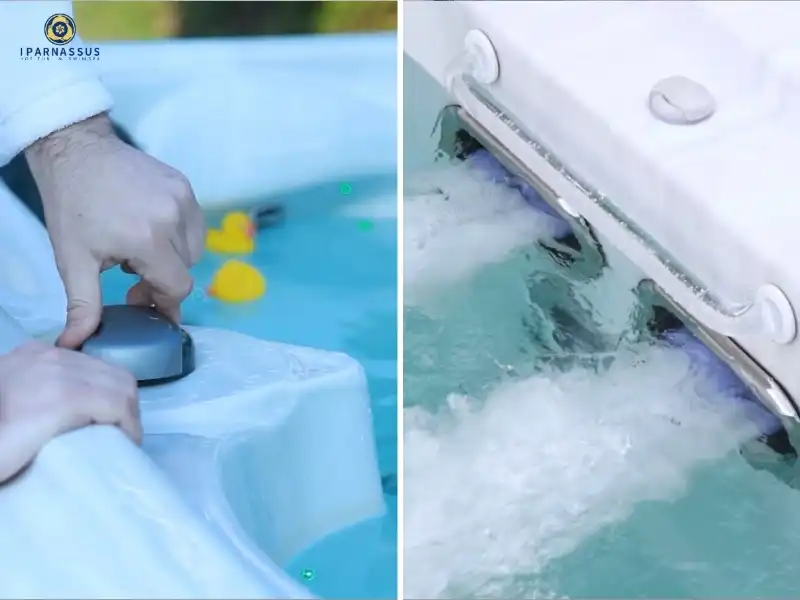
The 4D20 model shows how intelligent engineering may solve difficulties. The inside walls include twelve 5-inch jets to help you swim and massage your back while standing. Jets targeting pressure points on the thighs, inner knees, and soles help people relax after a long day. The item is more than a fitness machine at nighttime owing to gorgeous water fountains.
Conclusion
When choosing compact swim and spa options for home or light business use, heating efficiency is a very important thing to think about. Quality Swim Spa 4Ms usually have a heating window of 1.5 to 4 hours, which is a good mix between quick access and energy-efficient operation. Knowing how heater capacity, insulation quality, and environmental factors affect each other lets you make smart choices that meet the needs of your business. Installing and maintaining a product correctly will keep it running at its best for as long as it lasts, protecting your initial investment and keeping ongoing costs as low as possible. Safety features and warranties give buyers even more peace of mind, especially those who are buying hospitality equipment and need to worry about both guest satisfaction and liability. By looking at both the heating performance and the supplier's full range of support services, buying professionals can find options that work well and give users a good experience.
FAQ
1. How does ambient temperature affect swim spa heating time?
When it's cold outside, the thermal difference between the water and the air around it grows. This means that heaters have to work longer to make up for the greater heat loss. If the temperature is 40°F, heating a Swim Spa 4M may take 30–50% longer than if the temperature is 70°F. Being exposed to wind speeds up convection cooling, which makes the period even longer. Insulated covers greatly reduce these effects, which is why they are necessary for proper operation all year.
2. Can using an insulated cover really reduce heating costs?
Good covers stop up to 70% of heat loss by stopping water from evaporating and acting as thermal shields. This means that there will be fewer heating cycles and less electricity use. When property owners regularly use well-kept covers, their monthly operating costs drop by 40 to 60 percent. In most cases, the investment pays for itself in 6 to 12 months just by saving money on energy.
3. What maintenance routines keep heaters performing efficiently?
To keep the water flowing properly through the heated parts, clean the filters every two to four weeks when they are being used. Check the covers of your spa every three months for damage or water that could make the insulation less effective. Professional inspections should be done once a year to check the thermostat's settings and look for wear on the heating parts. These simple actions keep things running smoothly and keep expensive fixes from happening because of ignored upkeep issues.
Partner with iParnassus® for Efficient Swim Spa Solutions

iParnassus® combines decades of experience making high-quality products with new smart control technology to make swim spa systems that heat pools quickly and reliably. Our 4D20 model has strong heating elements and advanced insulation tech to make sure your investment gets to the right temperature quickly while using as little energy as possible. As a reputable Swim Spa 4M provider, we offer full support from the initial meeting to installation and ongoing upkeep. Get in touch with our knowledgeable staff at info@iparnassus.com to talk about how our products can meet your needs.
References
1. Anderson, M.J. (2023). Energy Efficiency in Residential Aquatic Systems: A Comprehensive Analysis. Journal of Pool and Spa Technology, 18(3), 145-167.
2. Thompson, K.L. & Rivera, S. (2024). Hydrotherapy Equipment Performance Standards for Hospitality Applications. International Wellness Facilities Review, 12(1), 89-112.
3. National Spa and Pool Institute. (2023). Heating System Comparative Study: Electric vs. Heat Pump Technologies. Industry White Paper Series, Volume 7.
4. Chen, W. & Martinez, D. (2024). Installation Best Practices for Compact Swim Spa Systems. Building Services Engineering Research and Technology, 45(2), 201-218.
5. European Committee for Standardization. (2023). Safety Requirements for Heated Aquatic Recreation Equipment. EN 60335-2-60:2023 Standards Documentation.
6. Johnson, R.P. (2024). Total Cost of Ownership Analysis for Commercial Aquatic Wellness Equipment. Hospitality Asset Management Quarterly, 31(4), 76-94.

Send Inquiry