_1768872582663.webp)
Does a Square Stainless Steel Hot Tub Rust? Maintenance Tips Explained
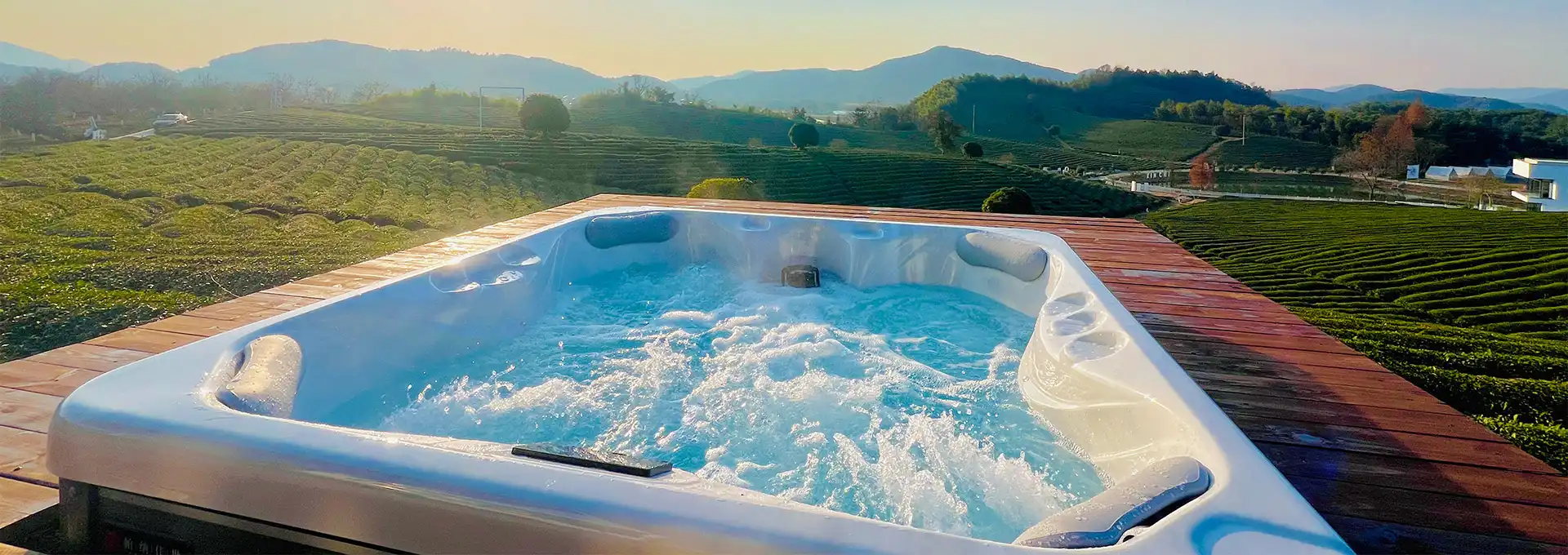
A square stainless steel hot tub is built from food-grade 304 stainless steel, which forms a self-repairing chromium oxide layer on its surface. Under normal operating conditions and proper water management, this material resists rust and corrosion far better than acrylic or fiberglass alternatives. That said, rust is not impossible — it depends heavily on water chemistry, environmental exposure, and maintenance habits. This article walks through the science behind rust, the real-world benefits of stainless steel spa construction, and the practical steps that keep your investment performing for decades.
Understanding Rust and Stainless Steel Hot Tubs
How the Protective Layer Works
Chromium content in food-grade stainless steel is at least 18% of the total. When chromium comes into contact with oxygen, it produces a thin oxide coating that is persistent. This layer prevents water from entering the material and also prevents iron from oxidising within the material. There are occasions when this layer is referred to as a passive film. It has been stated by the American Iron and Steel Institute (AISI) that this passive layer has the ability to repair itself in the event that the surface develops minor scratches. One of the reasons why 304-grade steel continues to be one of the materials that is used the most often in damp settings all over the globe is because of this purpose.
Conditions That Can Trigger Corrosion
It is possible for that passive film to become less effective under certain circumstances. Surface attack occurs more quickly when the pH of the water is not between 7.2 and 7.8 according to the standard. Damage caused by pitting may be caused by high amounts of chloride, which can be found in salty pools or spa water that is not balanced properly. Additionally, when it comes to company installations, you should be on the lookout for danger factors such as water that pools around joints for an extended period of time and poor drainage design.
Grade Selection and Design Geometry
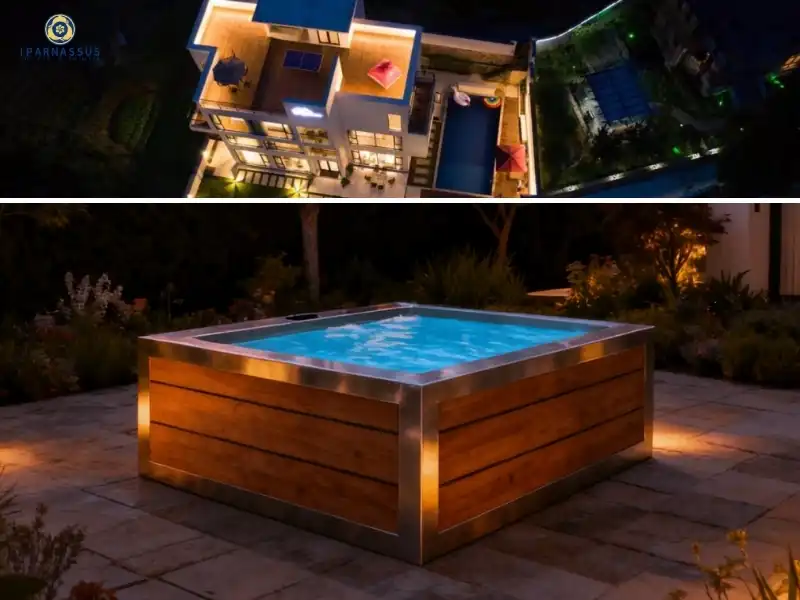
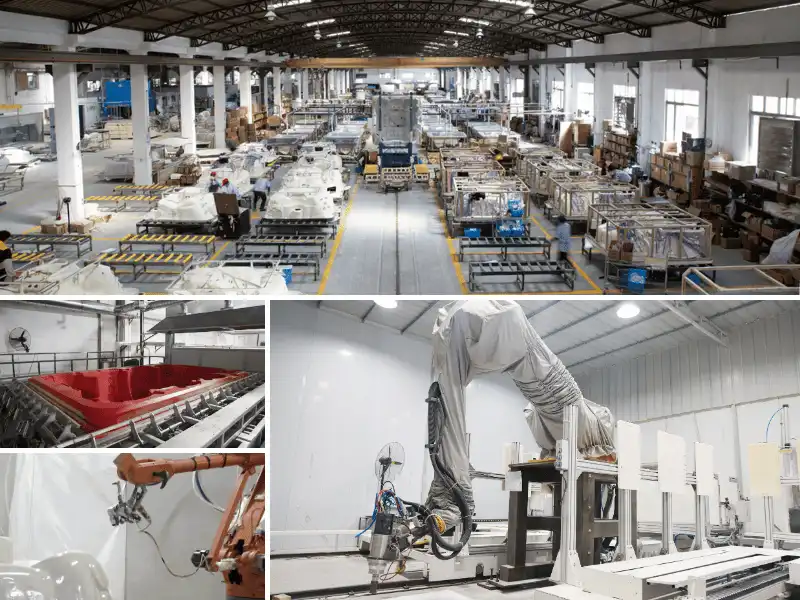
The square form of a contemporary spa made of stainless steel really is beneficial in terms of preventing rust when it is constructed properly. There is a tendency for porosity and mineral deposits to accumulate in fibreglass moulds; however, when the inside walls are smooth and flat, these deposits are not present. When procurement teams choose 304-grade steel that has been validated by mill test reports and Non-Destructive Testing (NDT) of weld zones, they are able to establish a quality baseline that they can verify before any unit is sent.
Key Features and Benefits of Square Stainless Steel Hot Tubs for Businesses
Acrylic and fiberglass shells may be cheaper at first, but after three to five years, they become more expensive to own because they fade in the sun, crack on the surface, and let bacteria into open areas. That math is very different when stainless steel is used.
This is what the iParnassus® 304 stainless steel spa design does best:
The shell of this stainless steel bathtub is made of food-grade 304 stainless steel. The surface doesn't rust or scale, and it can handle being submerged in water and chemicals all the time. A simple rinse is all that's needed for daily cleaning, which saves hotel and vacation owners money on maid staff.

- Build size: 251.5 kg dry weight. Its solid construction makes it stable enough for business settings, like decks on rooftops, poolside areas, or spa rooms inside.
- There are 19 massage jets set up in a way that makes you feel good. The jets work on your back, waist, and legs with zone-specific pressure. You can change the flow of water with this CE/TUV-approved 2-speed 2.0HP pump. To be used in a hotel, it's quiet enough, but strong enough for medical use.
- Food-grade 304 stainless steel shell: The surface is resistant to rust and scale and can handle being submerged in chemicals and water all the time. A simple rinse is all that's needed for daily cleaning, which saves hotel and resort owners money on housekeeping staff.
- 251.5 kg dry weight: built like this: The solid construction gives it the structural security that business settings need, whether it's for decks on rooftops, poolsides, or spa rooms inside.
- 19 hydrotherapy jets are placed in a way that is good for your body. The jets apply pressure to specific areas on your back, waist, and legs. The CE/TUV-approved 2-speed 2.0HP pump lets you change the flow of water. It's quiet enough for a spa, but strong enough for medicinal use.
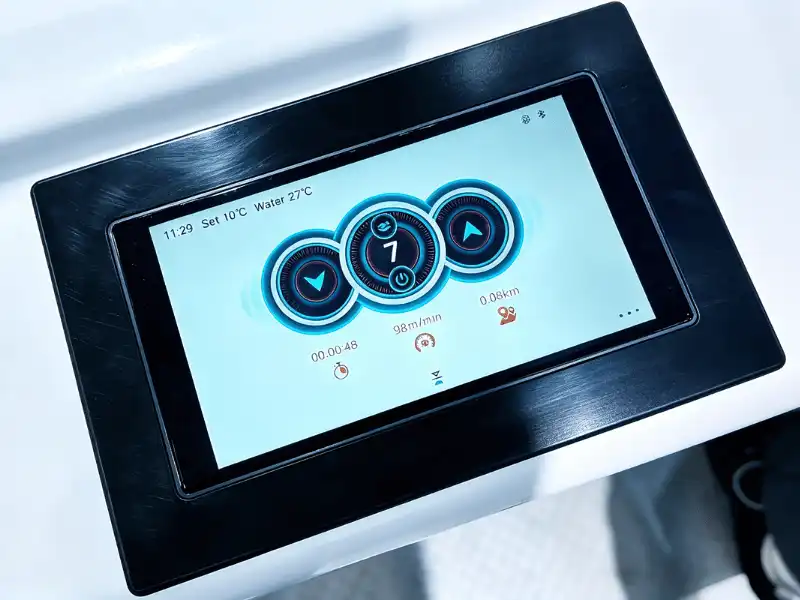
- The 3.0kW heater is approved by CE and UL. It heats up quickly and can be set to any temperature. It works with normal 220–240V/50Hz power outlets found in North America, Europe, the Middle East, and Australia.
- The P78B138 purification system keeps the water clean and free of germs with very little chemical help. This directly solves the problems that come up with managing water quality in business spas that get a lot of visitors.
The unit can be used in hotels, resort pools, SPA rooms, and high-end private terraces because it has these qualities. Since the footprint is 225 cm by 155 cm by 80 cm, it's big enough for three people to fit comfortably. This means that it can be used for both private therapy sessions in people's homes and small-group therapy meetings at work.
Maintenance Best Practices to Prevent Rust and Extend Hot Tub Life
Regular maintenance is easy with stainless steel, and its smooth surface makes it even easier to handle than other materials. The passive film needs to be protected, and the water chemistry needs to stay balanced.
Weekly Cleaning Protocol
Use a soft cloth and a pH-neutral cleaner that is safe for stainless steel to clean the inside walls. When working with bare steel, don't use rough pads or sprays with chlorine in them. The smooth shell doesn't let limescale build up, so regular rinsing after each use gets rid of most of the residue without the need for extra products.
Water Chemistry Management
In businesses, you should check the pH of the water at least twice a week. Total alkalinity should be between 80 and 120 ppm, pH should be between 7.2 and 7.8, and free chlorine should be between 3 and 5 ppm. Any material, even stainless steel, will wear down faster at levels outside of these ranges. In iParnassus® models, the P78B138 purification device lowers the number of germs and helps keep the water quality stable between manual checks by hand.
Routine Inspection Points
Once a month, check the drain ports, pipelines, and jet housings for early signs of mineral buildup or surface discoloration when enjoying the pros of stainless steel. Review the weld areas at panel joints every three months. A straightforward ferroxyl test can check if the passive film stays intact on important surfaces; this is an important step that should be included in yearly business service contracts.
Installation and Safety Considerations for Square Stainless Steel Hot Tubs
Site Selection and Drainage Design
Make sure that the unit is placed on a load-bearing surface that is level and has adequate drainage on all four sides. Ensure that there is no standing water beneath or around the base of any outside projects you are working on. This is the simplest method to prevent rusting from occurring. For the purpose of moving the deck or pad surrounding the unit away from it, a slope of at least one percent should be used.
Electrical Safety and Certification Compliance
Both CE and TUV have confirmed that the iParnassus® pump is safe to use, and both CE and UL have given their stamp of approval to the heater. The United States of America, the European Union, the Middle East, and Australia all have electrical safety regulations that these certifications fulfil. A licensed electrician who adheres to the National Electrical Code (NEC) in the United States or the International Electrical Code (IEC) rules that are applicable in other countries should be the one to complete the wiring.
Anti-Slip and Access Safety
Install non-slip mats all the way around the perimeter. Steps and handrails should be positioned in a manner that complies with the Americans with Disabilities Act (ADA) or the local mobility code in commercial settings. In resort and hotel environments, the fact that it is solid and weighs 251.5 kg dry prevents it from moving about while it is being used by a large number of people. This is a significant safety advantage.
Procurement Guide: Sourcing Your Square Stainless Steel Hot Tub Investment
In the process of selecting a supplier of square stainless steel hot tubs, the traceability of the materials is just as crucial as the pricing. Request mill test records (MTRs) that provide evidence of the composition of the alloy, and enquire as to whether or not the weld zones have been subjected to an examination using either liquid penetrant testing or ultrasonic testing. The likelihood of commercial purchasers being taken advantage of by suppliers who are unable to provide them with this documentation is higher.
Regarding the supply contract, information should be included regarding the warranty, the availability of additional parts, and the amount of time it takes for customer assistance to be provided after the transaction. The volume pricing and the flexibility to customise dimensions, jet arrangement, and control panel branding are among the factors that have a direct impact on the expenses of a project for original equipment manufacturers (OEMs) and bulk customers. iParnassus® has been shipping to more than 150 countries over the course of the last 18 years, and it has an established track record in both the business hotel and luxury residential sectors. This demonstrates that the corporation has constantly invested money into product development rather than just generating specification sheets, as seen by the fact that it will hold 80 patents by the year 2026.
Conclusion
If you choose the right square stainless steel hot tub and take care of it, it won't rust under normal use. The 304-grade passive film lasts a long time, fixes itself, and is much better at handling the chemical and humidity stresses of spas than options made of acrylic or wood. Rust risk only exists when the chemistry of the water isn't taken into account, installation drainage is bad, or suppliers lie about the grade of the material. Most of that risk is taken away before the unit even gets to your site if you choose a maker that offers approved parts, materials that can be tracked, and real after-sales support.
FAQ
1. Does 304 stainless steel rust in a hot tub environment?
Not under normal conditions. The chromium oxide passive layer on 304-grade steel resists corrosion in properly maintained water. Rust typically appears only when pH falls below 7.0 consistently, when chloride concentrations are abnormally high, or when the surface has been scratched with abrasive tools and left untreated.
2. How often should I test the water chemistry?
For commercial installations such as hotels and resorts, test twice weekly at minimum. For residential use, weekly testing is sufficient. Maintaining pH between 7.2 and 7.8 and free chlorine between 3–5 ppm protects both the stainless steel surface and the users.
3. Can I use regular household cleaners on a stainless steel spa?
Use only pH-neutral, stainless steel-safe products. Avoid bleach sprays, abrasive powders, and steel wool pads. The smooth surface on iParnassus® models requires only rinse water for routine daily cleaning, which keeps maintenance labor minimal.
4. What certifications should I verify before purchasing?
Look for CE, TUV, and UL certifications on the pump and heater at minimum. These cover electrical safety requirements for North America, Europe, Australia, and the Middle East. Request original certification documents rather than catalog reproductions.
Ready to Source a Square Stainless Steel Hot Tub? Contact iParnassus® Today
Every square stainless steel hot tub order from iParnassus® comes with 18 years of experience making spas, 80 patents, and approved parts. Our units are fully compliant with CE, TUV, and UL and are shipped to more than 150 countries. This makes us a reliable square stainless steel hot tub maker for hotel builders, resort developers, and high-end home projects. For details, project examples, and group price questions, you can email our team at info@iparnassus.com.

References
1. American Iron and Steel Institute (AISI). Stainless Steel: The Role of Chromium in Corrosion Resistance. AISI Technical Report, 2019.
2. Fontana, Mars G. Corrosion Engineering. McGraw-Hill, 2018.
3. ASTM International. ASTM A240/A240M: Standard Specification for Chromium and Chromium-Nickel Stainless Steel Plate, Sheet, and Strip. ASTM, 2022.
4. National Electrical Code (NEC). NFPA 70: National Electrical Code, Article 680 — Swimming Pools, Fountains, and Similar Installations. NFPA, 2023.
5. Pool & Hot Tub Alliance (PHTA). Water Quality Standards for Residential and Commercial Spas. PHTA Technical Bulletin, 2021.
6. World Aquatic Health Conference (WAHC). Chemical Balance and Surface Integrity in Commercial Spa Environments. WAHC Proceedings, 2020.

Send Inquiry