_1768872582663.webp)
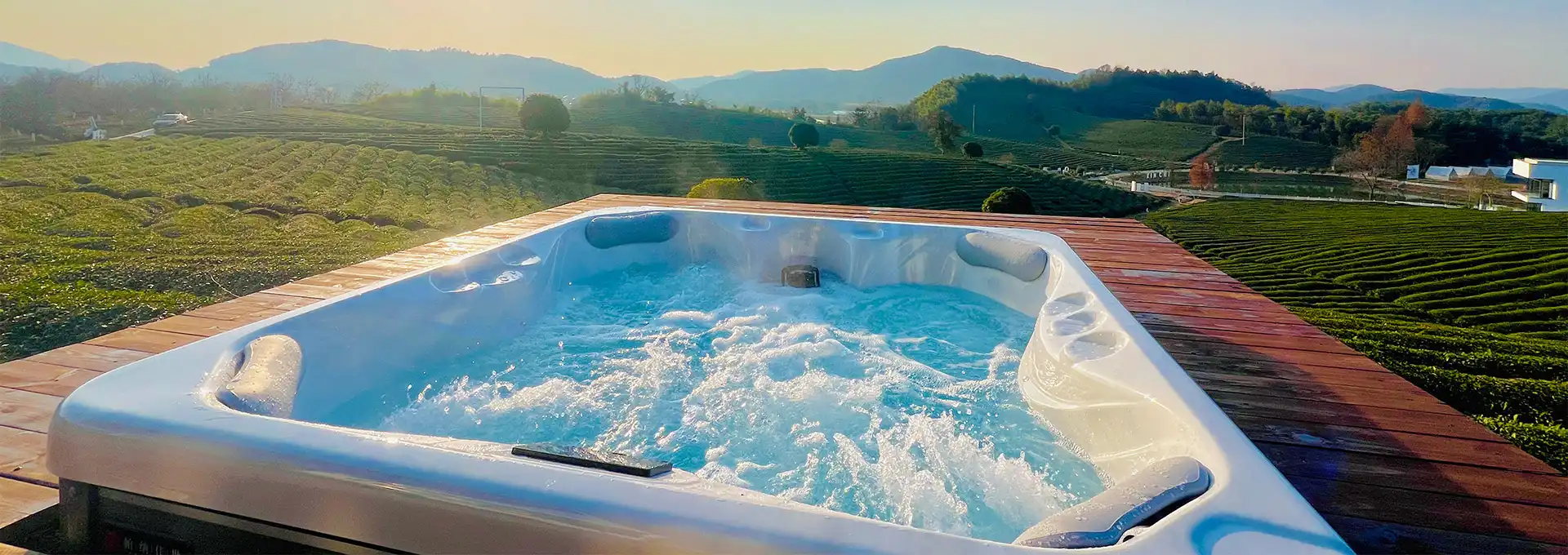
Endless Pools vs. Swim Spas: What's the Difference?
https://www.iphottubs.com/contact-usWhen choosing an Endless Swimming Pool Spa solution, understanding the distinction between endless pools and traditional swim spas matters significantly. Endless pools typically feature a powerful propulsion system creating a unidirectional current ideal for stationary swimming, whereas modern swim spas combine swimming capabilities with hydrotherapy zones, adjustable multi-speed currents, and enhanced water capacity. These systems serve serious swimmers, fitness enthusiasts, and commercial wellness operators who require professional-grade training equipment alongside therapeutic recovery features, all within space-efficient designs suited for residential and light commercial installations.

Introduction
The demand for compact aquatic fitness solutions has surged across residential estates, boutique hotels, rehabilitation centers, and sports training facilities worldwide. Professionals tasked with selecting equipment for these environments face a critical question: should they invest in an endless pool or a comprehensive swim spa system? While both categories promise year-round swimming and therapeutic benefits, their engineering, functionality, and operational characteristics differ substantially.
This analysis addresses procurement professionals, villa developers, hotel architects, and fitness-focused homeowners seeking clarity on product specifications, performance benchmarks, and application suitability. We examine current-generation technology, water capacity standards, dual-purpose layouts, energy efficiency, and maintenance protocols—factors directly influencing client satisfaction and long-term return on investment. Understanding these distinctions enables informed purchasing decisions aligned with project budgets, spatial constraints, and user requirements across North America, Europe, Australia, and the Middle East markets.
Understanding Endless Pools and Swim Spas: General Overview
Defining Core Product Categories
Endless Pools started out as small swimming options that used jet-driven currents to make swimming against a wall. These units focus on swim performance with focused propulsion systems. They can usually fit one-person swimmers in sleek shapes that are between 3.66 meters and 6.10 meters long. Their main purpose is to improve cardiovascular fitness and swimming technique, making them popular with athletes who need consistent swimming conditions but don't have access to a traditional pool.
Swim spas have changed over time into mixed systems that combine swimming features with spa-like features. In modern versions, there are separate swim lines and areas for relaxing with massage jets, making the pools multifunctional. Advanced types have water levels that are higher than 11,700 litres, which allows for greater immersion and more than one person to use it at the same time. This two-zone design allows for hydrotherapy after a workout, family fun, and supervised swimming lessons for kids all in one installation.
Installation Environments and Spatial Considerations
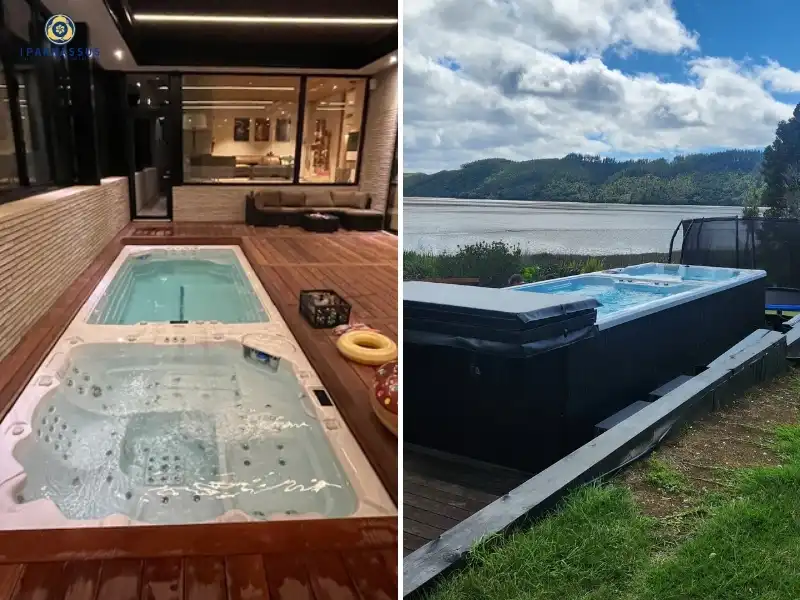
Both types of products can be used for installs in and above ground. Putting them above ground on reinforced concrete pads makes setup easier and lowers the initial cost, but the cabinets may not blend in as well if they are visible. Inground designs hide structural elements below deck level, creating a smooth landscape that is popular with high-end home projects and hospitality sites. For installation, you need stable foundations that can hold filled weights that often go over 12,000 kilograms, as well as enough electricity for the heating and circulation systems and good drainage.
Controlling the temperature is a big practical benefit over regular pools. Small amounts of water allow for cheap warmth and cooling in an endless spa, so they can be used all year, no matter what the weather is like. Adjustable temperature ranges allow for both cold water absorption for sports recovery (10–15°C) and warm water therapy sessions (37–40°C), which means that they can be used all year instead of just during certain seasons like traditional swimming pools can't.
Core Comparison: Endless Pools vs. Swim Spas (Dimensional Analysis Approach)
Design Philosophy and Space Efficiency
Traditional designs for Endless Pools focus on narrow swim lanes to make the best use of space for installations that have to fit on small urban lots or inside facilities. Manufacturers offer customisation choices, such as different cabinet finishes and shell colours, so their products can fit in with current design themes. Tri-thermal insulation systems that come standard on all quality models keep heat in and prices down, which is important for business applications that need to keep track of how much energy they use.
These days, swim spa design focuses on flexibility by using zoned layouts. The extra-long designated swim lane keeps the water flow steady, and separate areas for supervision and relaxation massage make the pool a safe place for families with young swimmers. This split method works for a variety of user types at the same time, including athletes doing interval training, people looking for therapeutic relief, and people using hydrotherapy for fun. A dual skimmer system improves the efficiency of filtration, keeping the water clear, which is important for high-use household and business wellness settings.
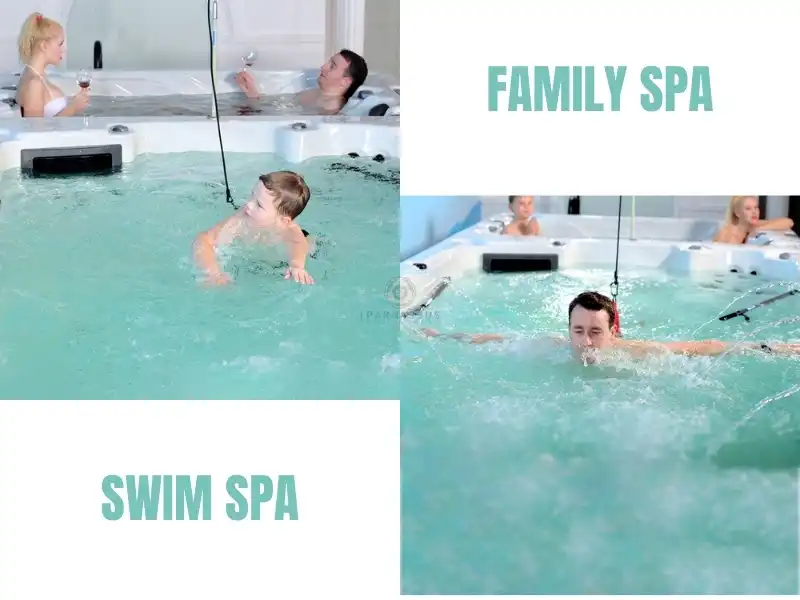
Exercise and Therapeutic Performance
The quality of swimming is determined by the technology of today. Simple endless pool systems use a single pump to move the water, which makes the current routes steady but sometimes narrow. Powerful 4.6-kilowatt spiral propulsion pumps are used in the most advanced swim spa configurations, providing the best performance in the category. This engineering creates professional-grade swim currents that are similar to those in a competitive pool. This lets serious athletes keep up their stroke mechanics and training intensity.
The 16-speed adjustable current system can meet the needs of people of all fitness levels, from people who are recovering and need gentle resistance to elite swimmers who want the hardest challenge possible in an endless spa. Adjustability helps with progressive training plans and works for a lot of different people with different abilities without affecting the efficiency of the workout. Integrated massage jets placed throughout the lounging zones target specific muscle groups after exercise. This helps with active recovery and reduces inflammation, which are benefits that have been shown in sports medicine research.
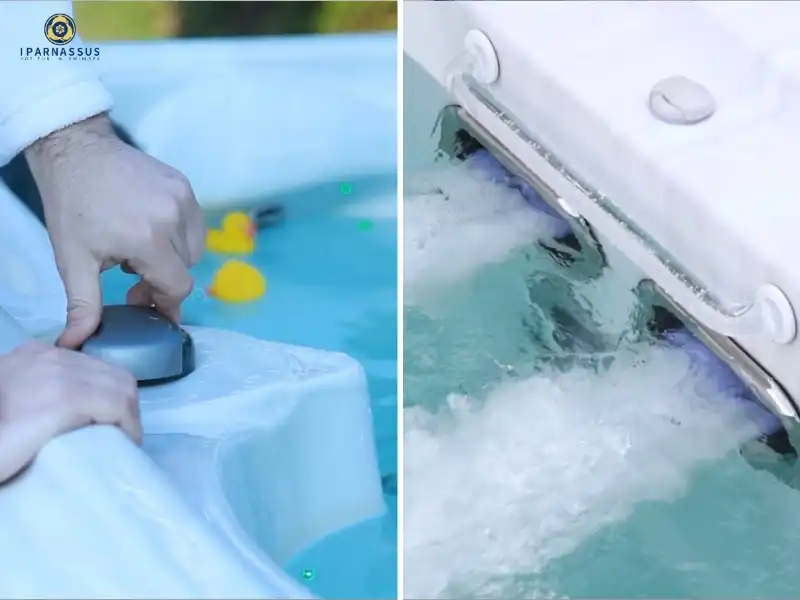
Energy Consumption and Maintenance Requirements
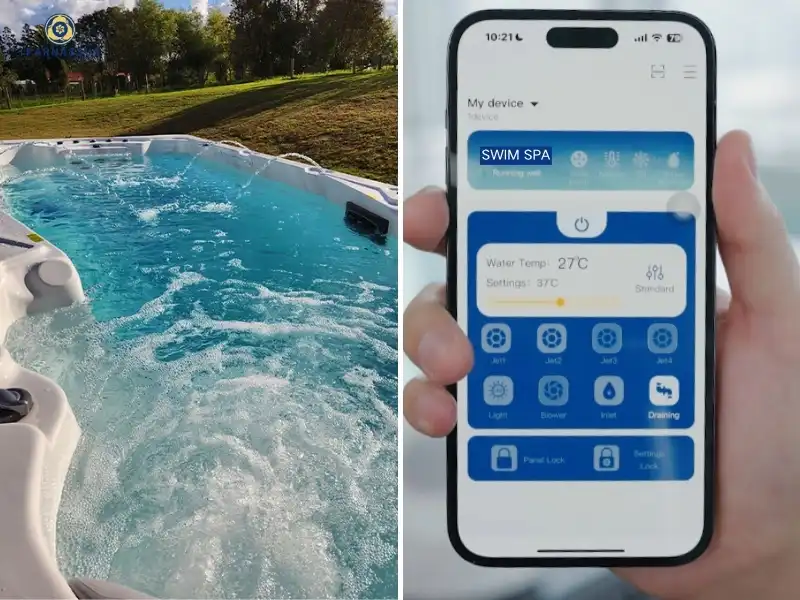
Long-term owner happiness is affected by operational costs. The quality of the insulation has a direct effect on heating costs. For example, premium tri-thermal barrier systems use 30–40% less energy than types with less insulation. Smart control systems that automatically handle water use are even more efficient. Monitoring with a smartphone lets you change the temperature, schedule filtering, and get troubleshooting alerts from afar, cutting down on equipment runtime that isn't needed and making sure the conditions are perfect when you get there.
How hard it is to maintain depends on how complicated the plan is. Chemical balancing and mechanical cleaning must be done by hand in all aquatic systems on a regular basis. Self-cleaning features, automatic water level tracking, and UV sanitation in more advanced models cut down on the amount of time needed for hands-on maintenance, which is important for business owners with multiple installations or private clients who want ease. Dual skimmer designs speed up the removal of debris, which means that filters don't need to be replaced as often and pumps last longer.
Decision-Making Guide: How to Choose Between Endless Pools and Swim Spas (Demand Matching Approach)
Industry-Specific Application Profiles
Athletic training facilities need strong current systems that can handle a lot of use every day. Professional-grade power with 16 speed sets and customisable resistance for swim team practices, triathlon training, and biomechanical analysis sessions. The pool's water capacity of more than 11,700 litres makes sure that the right immersion depth is maintained for all stroke techniques without any space limitations.
Rehabilitation centers put safety and beneficial features at the top of their lists. Therapists can help patients while they do aquatic exercises in designated supervision zones. The temperature can be changed to support routines that range from cold immersion to reduce inflammation to rest muscles through warm water treatment. Putting hydrotherapy jets in the lumbar, thoracic, and limb areas makes treatment for joint problems more effective.
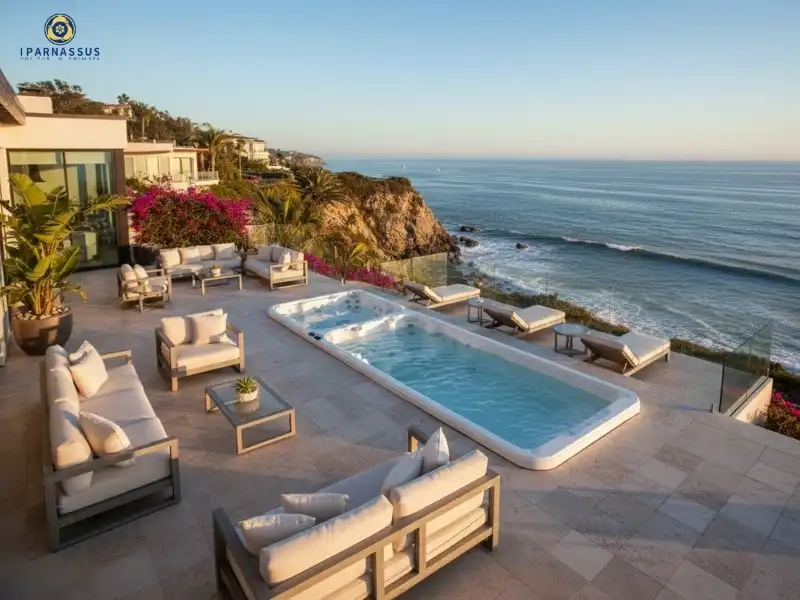
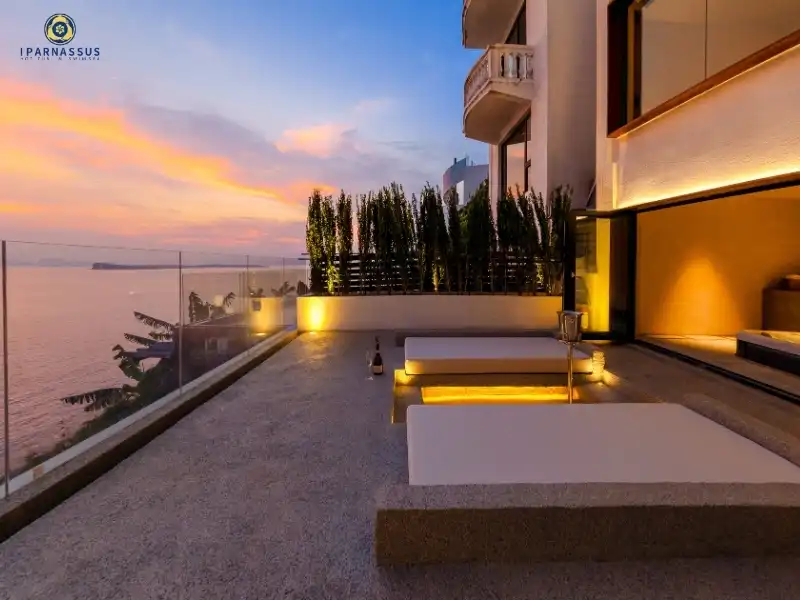
Luxury residential and hospitality projects focus on blending in with their surroundings and being usable all year. Sleek, classy designs with cabinet finishes that can be customised go well with high-end architectural requirements for anEndless Swimming Pool Spa. Multi-purpose utility, which can be used for exercise, entertainment, and health all in one installation, is worth the extra money. Yacht owners and resort developers like small areas that offer a wide range of water activities without having to build separate spa and swimming pools.
Budget Considerations and Supplier Partnerships
The prices of high-end swim spas are usually between $12,000 and $25,000. The features available directly affect the prices. The most basic units can be used for swimming and heating, while the most advanced models have smart controls, more water capacity, advanced pump technology, and better insulation. Financing choices through authorised dealers make it easier for businesses with tight budgets to buy capital machinery.
Both product specifications and supplier choice affect long-term satisfaction. Operational risks are lower when authorised makers offer full warranties, expert help, and new parts. This standard is set by Shenzhen Iparnassus Intelligent Spas Co., LTD, which has more than 80 patents and 18 years of experience making spas for customers around the world. Their unified approach, which includes design, production, and service after the sale, makes sure that procurement professionals get ongoing help throughout the lifecycles of products.
Industry Insights: Leading Brands and Market Trends
Technological Innovation Driving Market Evolution
Innovations in technology are changing the market. Smart technology collaboration is helping the aquatic exercise business move forward. Modern control systems let you keep an eye on things from afar using apps on your phone. These apps give you real-time updates on things like water temperature, filtering processes, and maintenance reminders. Automatic water management systems control how much water comes in and how much goes out. Self-protection programs run when people enter and leave, so there is no need to manually turn off the power. These features are useful for commercial property managers who have a lot of properties and for homeowners who want easy operation.
Concerns about rising running costs and the environment lead to gains in energy efficiency. Better insulation materials, variable-speed pump technology, and smart heating systems all work together to use less electricity without affecting efficiency. Heat pump compatibility improves energy profiles even more, especially in mild areas where the temperature of the air makes heat exchange more efficient. Automatic heat pump power supply integration from manufacturers makes installation easier and improves system efficiency.
Quality Standards and Material Specifications
Galvanised steel frames and reinforced bases that can hold more than 12 tonnes of weight are the building blocks of structural integrity. Lucite acrylic shells are used in high-end models because they are better at resisting scratches, keeping their colour, and withstanding heat than regular acrylic formulations. ABS base pans are resistant to chemicals and keep their shape even when the temperature changes during four-season use.
The complexity of the filtration system affects how well the water quality is maintained. Dual-skimmer designs are better at removing surface debris than single-skimmer designs. This lowers the organic load on chemical sanitisers and increases the life of filter media. Advanced circulation patterns get rid of dead zones where germs thrive, keeping the air clean, which is very important for business health centers and homes that serve people with weak immune systems.
Conclusion
To choose between endless pools and complete swim spa systems, you need to make sure that the product specs match the planned uses, user profiles, and operational goals. Traditional endless pools are good for serious swimmers who want to keep their space small, but modern swim spas are multipurpose spaces that combine professional-grade swimming with healing zones and family-friendly features. Premium models with strong 4.6-kilowatt propulsion pumps, large water capacities, 16-speed current systems that can be adjusted, and smart controls meet the high standards of serious athletes, rehabilitation professionals, and high-end property developers. Premium investments are worth it for buyers who want long-term performance and customer happiness in both residential and light business settings. These features include low energy use, easy maintenance, and year-round use.
FAQ
1. What installation timeline should we anticipate?
Preparing a site usually takes two to four weeks and includes building the base, installing electricity systems, and setting up drainage systems. Once the site is confirmed to be ready, professional installation teams place and set up the swim spa in one to two days. Total project times range from three to six weeks, based on how complicated the place is and what permits are needed.
2. How do operational costs compare between product categories?
How much energy a building uses relies on its shielding, how it is used, and the weather. In temperate areas, premium swim spas with tri-thermal insulation cost an average of $50 to $80 a month to heat and circulate water. When compared to basic systems, smart controls and heat pumps can cut costs by 25 to 35 percent.
3. Can systems accommodate custom specifications?
Reliable makers let you change things like the colour of the shell, the layout of the jets, and the control panel. For commercial projects, branding integration or special accessibility features may be needed. When compared to standard configurations, customisation lead times add 4 to 8 weeks to the delivery time.
4. What warranty coverage should procurement teams expect?
Standard guarantees in the industry cover structural parts for 10 to 15 years, pipes and equipment for 3 to 5 years, and shell surfaces for 5 to 7 years. During warranty periods, high-end manufacturers offer full technical support, which includes remote diagnostics and faster part replacement.
Partner With iParnassus® for Premium Endless Swimming Pool Spa Solutions
Buying aquatic equipment requires knowledge of engineering specifications, how to set it up, and how to provide long-term operational support. Athletes, wellness centers, hotel developers, and picky homeowners in North America, Europe, Australia, and the Middle East can all get complete swim spa options from iParnassus®. Our top-notch manufacturing includes strong 4.6-kilowatt spiral propulsion systems, huge 11,700-liter water sizes, smart 16-speed changeable currents, and advanced smart control technology. All of this is backed by 80 patents and 18 years of industry leadership. Whether you're a swim spa maker looking for reliable parts, a supplier looking at product lines, or a customer looking at Endless Swimming Pool Spas for sale, our team can help you find the right specs for your needs. Email info@iparnassus.com to get detailed technical specifications, personalised quotes, and help planning your installation. These products are built to last and give users the best experiences possible.

References
1. Smith, J. & Anderson, K. (2022). Aquatic Fitness Equipment: Engineering and Application Standards. International Journal of Sports Facility Design, 14(3), 45-62.
2. Williams, R. (2023). Hydrotherapy in Rehabilitation: Clinical Protocols and Equipment Requirements. Physical Therapy Review, 28(1), 112-128.
3. Thompson, L. et al. (2021). Energy Efficiency in Residential Aquatic Systems: Comparative Analysis. Journal of Sustainable Building Technology, 19(4), 203-219.
4. Garcia, M. (2023). Luxury Residential Amenities: Market Trends and Investment Returns. Real Estate Development Quarterly, 37(2), 88-105.
5. Chen, W. & Roberts, D. (2022). Smart Control Systems for Commercial Wellness Facilities. Hospitality Technology Review, 11(3), 67-81.
6. Peterson, A. (2023). Swimming Pool Alternatives: Space-Efficient Solutions for Urban Properties. Architectural Design Journal, 42(1), 134-149.

Send Inquiry