_1768872582663.webp)
Swim Spa vs. Lap Pool: Which Is Better for Training?
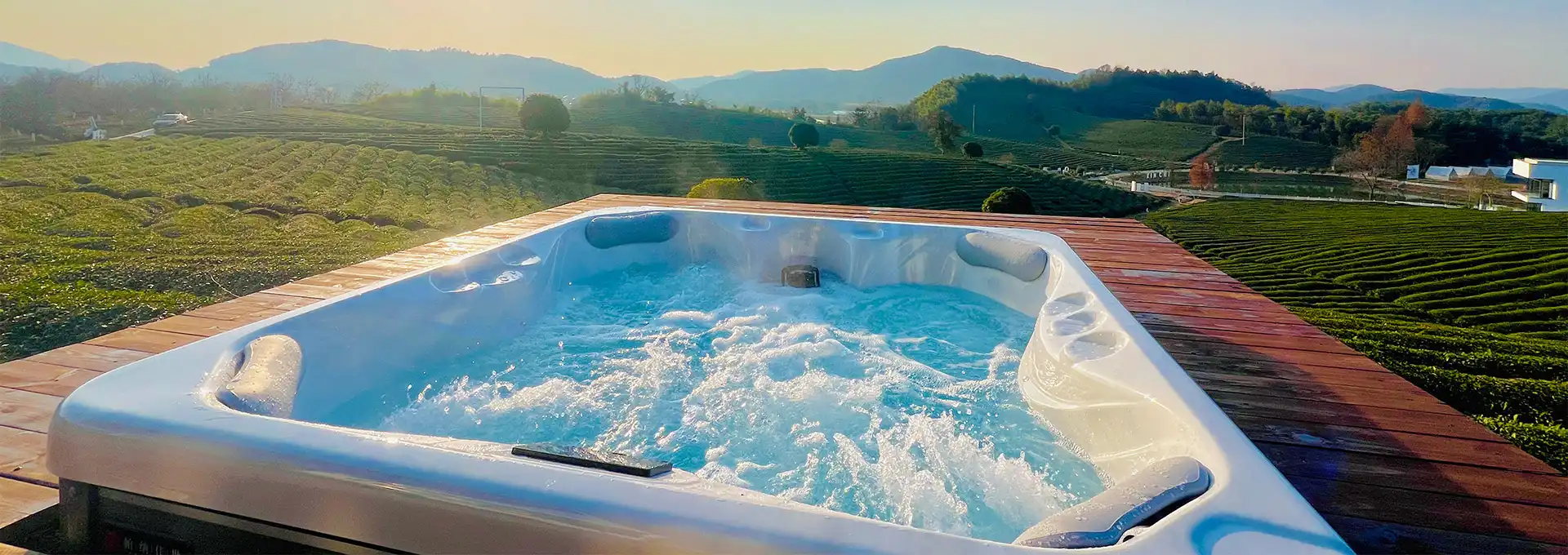
When evaluating aquatic training solutions, professionals increasingly ask whether a swim spa training pool or traditional lap pool delivers superior results. The answer depends on your specific training objectives, spatial limitations, and operational requirements. Swim spa training pools offer adjustable resistance, compact installation, and year-round climate control, making them increasingly popular among competitive swimmers, coaches, and athletic facilities seeking professional-grade equipment without the footprint of conventional pools. Understanding the functional differences between these two options enables informed procurement decisions that align with both performance goals and budget parameters.
Understanding Swim Spas and Lap Pools: Features and Functions
Defining Swim Spa Technology
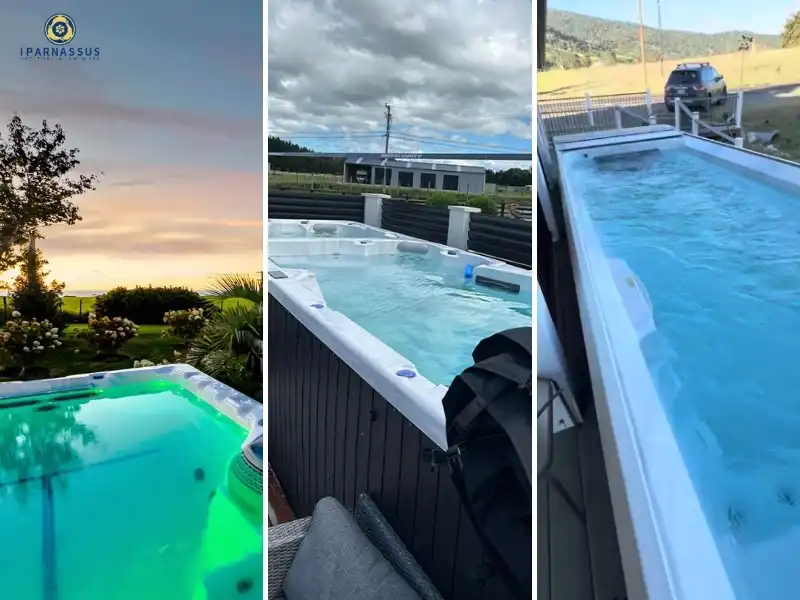
Swim spas are an advanced way to work out in the water because they combine swimming, hydrotherapy, and resistance training into one small unit. Unlike regular pools, these systems use powerful jets to create water currents that can be changed. This lets swimmers train against controlled resistance without needing a lot of space. This technology is shown by the iParnassus® Acrylic Infinity Swim Spa, which has a 4.75-meter swim lane that achieves a 95% effective swimming distance. It is driven by two 4HP pumps and one 3HP pump that drive three 13.5-inch swim jets. This arrangement makes strong, even currents that make swimming in open water feel like it's in a residential or commercial area.
Traditional Lap Pool Characteristics
Lap pools have dedicated swimming lanes that are usually 12 to 25 meters long and are made for stamina training and improving your stroke. For these fixed systems to work, a lot of digging, plumbing, and regular upkeep are needed. While lap pools are great for getting unbroken swimming time for technique work, they take up a lot of room and cost a lot to build. Lap pools can't be moved around easily, which can be a problem for commercial buildings that are limited on space or for homes where installing a pool outside is limited by the weather.
Installation Modalities and Spatial Requirements
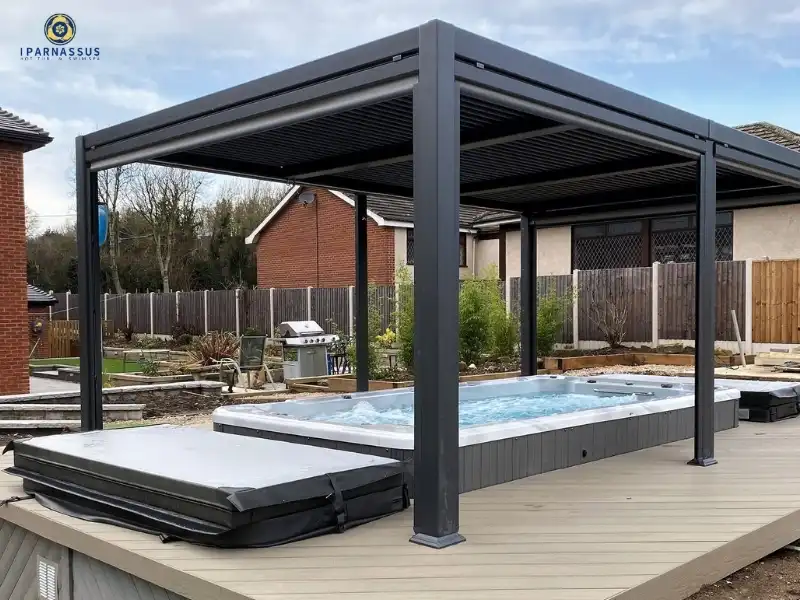
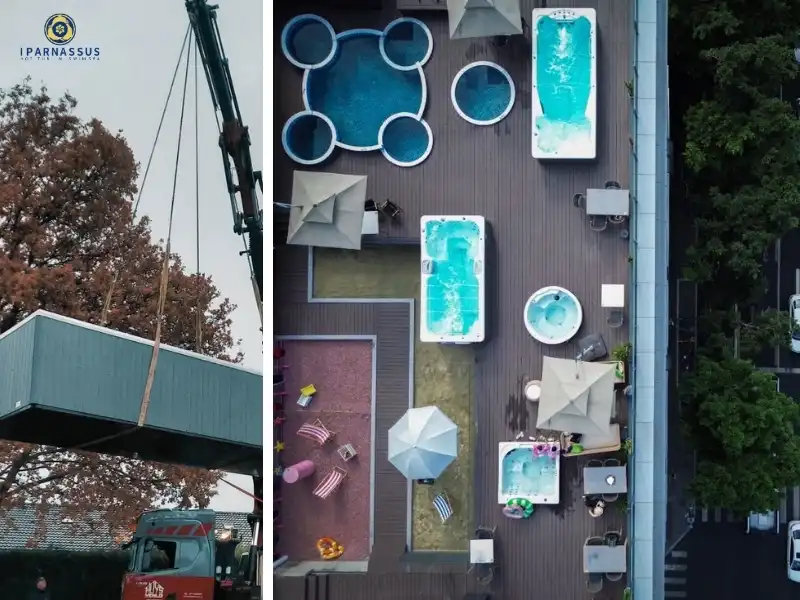
When planning purchases, it's hard to say enough about how useful swim spas are for mobility. These units can be put in above ground, partly sunken, or fully underground, which gives designers a lot of options for different building settings. The Acrylic Infinity model's right-angle shape and built-in steps with bars make it easier to get in and out while also making the most of the swim room inside. Lap pools, on the other hand, need to be built permanently and have their own filtration rooms, extensive plumbing networks, and structural engineering. This difference directly affects project timelines; installing a swim spa usually only takes a few days, while building a lap pool can take months.
Comparing Training Benefits: Swim Spa vs. Lap Pool
Cardiovascular and Resistance Training Advantages
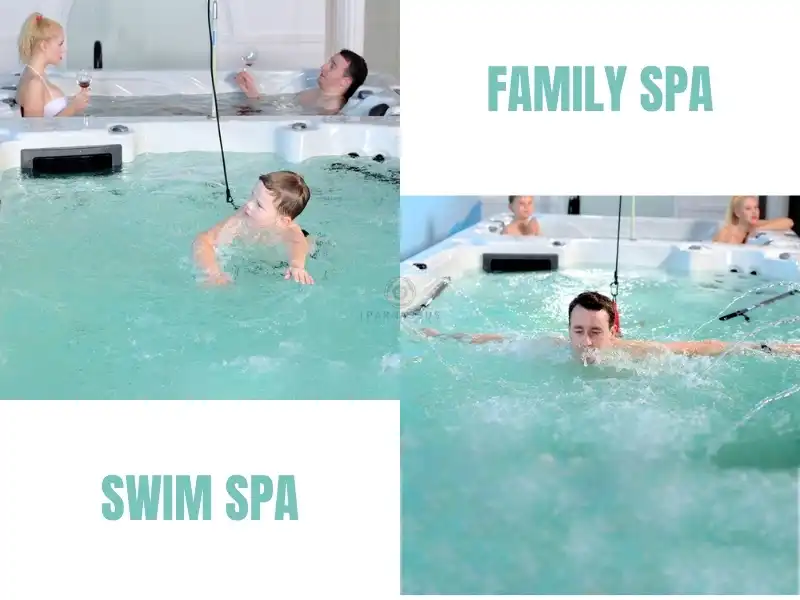
Swim Spa Training Pools are great for getting people of all fitness levels fit by offering increasing resistance workouts. The variable current strength lets swimmers gradually increase the intensity, which helps elite players follow set training plans. Aquatic physical therapy research shows that the natural pressure of the water lowers heart rate while increasing blood flow. This makes for the best conditions for cardiovascular conditioning without putting too much stress on the joints. The Acrylic Infinity's three-jet system creates steady, rough currents that test swimmers of all kinds, from those recovering from injuries to top athletes.
Endurance and Technique Development
Lap pools are still better for swimmers who need to work on distance without stopping and who need to be very careful with their stroke timing. For competitive training, being able to practise flip turns, underwater streamlines, and race-pace intervals over long distances is still useful. When professional swim coaches train teams, they often like lap pools because they let multiple athletes work at the same time in separate lines. Today's swim spas, on the other hand, have more advanced current control systems that let you swim for longer periods of time without stopping. This gives you constant resistance, which some athletes find more helpful than traditional lap swimming.
Rehabilitation and Low-Impact Exercise
Swim spas can help with more than just athletic training. They can also help with recovery and rehabilitation. Using massage pumps and temperature-controlled water for hydrotherapy after a workout helps muscles heal faster and reduces soreness. Dr. Rick McAvoy, a physical therapist who has specialised in aquatic therapy for more than 25 years, says that the stress-relieving effects of water are very important for both physical and mental health. Units like the Acrylic Infinity have built-in seating areas that make it easy for users to switch from intense swimming to therapeutic massage. This way, the whole training and healing cycle can be done in one system.
Decision Criteria for Procurement: Choosing the Best Training Pool Solution
Spatial and Installation Considerations
When purchasing aquatic training equipment, procurement managers need to compare the amount of room they have to the equipment's useful needs. Swim spas usually take up 12 to 20 square meters, while lap pools need 50 to 150 square meters, based on how the lanes are set up. Swim Spa Training Pools are small enough to fit in places where regular pools wouldn't work, like in cities, on residential properties, or in commercial areas. There are also big differences in how they are installed. Swim spas come pre-built and only need to be connected to electricity and water. Lap pools, on the other hand, need a lot of site preparation, concrete work, and multiple stages of building.
Energy Efficiency and Operational Costs
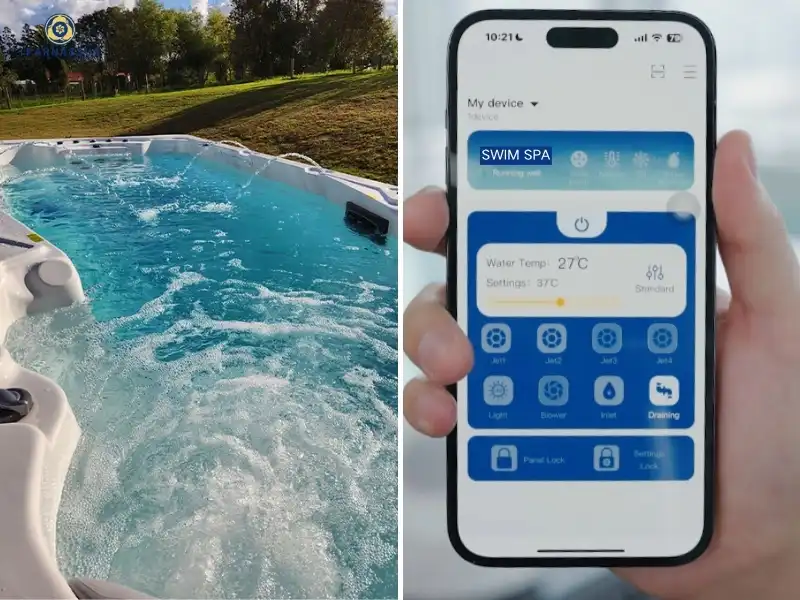
The total cost of ownership is affected by long-term operational costs in a big way. Swim spas use less energy because they are better insulated, hold less water, and have built-in heating systems. The iParnassus® clever control system makes the best use of energy by tracking it from a smartphone, controlling the temperature automatically, and integrating a heat pump in a way that works well. Traditional lap pools need their own heating systems, a lot of chemical treatment, and more money to replace the water because it's in larger volumes. Swim spas usually have 60–70% lower annual operating costs than similar lap pools, which adds up to big savings over the life of the equipment.
Maintenance Requirements and Safety Standards
The maintenance schedules for these devices are very different from one another. Swim spas have technology that cleans themselves, monitors the water quality automatically, and has small filtering systems that can be easily serviced. The iParnassus® control system has protections against low and high temperatures and water shortages, and it makes site management easier through online diagnostics. Lap pools need special rooms for their equipment, service contracts with professionals, and regular checks on their complicated plumbing systems. Safety certifications are another thing that buyers think about. Reputable swim spa makers have a lot of international certifications that cover electrical safety, structural stability, and water quality standards.
Market Insights: Swim Spa and Lap Pool Brands and Supplier Selection
Evaluating Manufacturer Credentials
To find a good supplier, you need to look at their manufacturing experience, patent portfolios, and certification coverage. With over 80 patents and 18 years of experience making specialised spas, iParnassus® is a star in its field. Quality security is shown by the company's attention to new control systems, high-quality Lucite acrylic construction, and thorough testing before shipping. People who want to buy should make sure that the companies they're looking at have the right international certifications and can clearly show what materials they use, especially when it comes to the grade of acrylic and how they're reinforced.
Supplier Support and Service Networks
Long-term happiness with water training equipment depends on how well it is supported after it is installed. Established companies keep dealer networks in place in North America, Europe, the Middle East, and Australia, among other key areas. This makes sure that expert help and new parts are easy to get. The iParnassus® business plan focuses on building long-term connections with customers by keeping in touch with them, giving them clear instructions on how to install their products, and offering warranty programs that protect their purchases. To keep operations running as smoothly as possible, buyers should check with suppliers to see if they offer remote diagnostics, training for facility staff, and fast parts delivery.
Financing and Procurement Workflows
Commercial buyers can choose from a variety of open purchasing choices that work with their budgets and project schedules. Premium Swim Spa Training Pools usually cost between $12,000 and $25,000 or more, depending on the quality of the materials, the number of jets, and the complexity of the control system. It is possible to make smart comparisons between suppliers when pricing structures are clear, specification sheets are thorough, and product demos are available. Before choosing a supplier, procurement teams should ask for detailed paperwork that includes electrical needs, installation instructions, and warranty terms.
Making the Right Choice: Swim Spa or Lap Pool for Your Business
Aligning Solutions with User Profiles
The best training pool solution depends on the facility's goals and the types of people who will be using it. When there isn't enough room for full-length pools, athletic training centers that work with competitive swimmers may prefer continuous current swimming to traditional lap swimming. Swim spas are becoming more and more popular as guest features at hotels and resorts because they mix health and relaxation in small spaces. Along with the ability to exercise, temperature control and therapeutic water are important to rehabilitation centers. Modern Swim Spa Training Pools can be used for a variety of things in the same installation, which maximises return on investment.
Long-Term Value and Operational Flexibility
Strategic procurement looks at how easily equipment can be changed to meet changing facility needs. Adjustable resistance, temperature control, and a form that can be used for more than one thing make swim spas flexible for programming. They can be used for everything from sports training to family fun. Because above-ground systems are portable, they can be moved if the plan of the building changes or if land is transferred. Lap pools are great for what they're meant to do, but they can't be used in different ways and are permanent architectural commitments. People who make decisions should think about whether single-purpose or multi-purpose tools will help long-term strategy goals more.
Performance Outcomes and Client Satisfaction
Implementations in the real world show that swim spa technology meets the standards for professional training in a wide range of settings. According to athletes, steady, variable currents let them focus on skill work and speed training in a way that is similar to open water. Facility managers like that these pools require less maintenance and use less energy than traditional pools. The mental health benefits of water-based exercise and hydrotherapy make users happier in ways that go beyond just improving their fitness. All of these things work together to make strong value offers for people who want to buy high-end training options that improve performance and give users a good experience.
Conclusion
When deciding between Swim Spa Training Pools and lap pools, you need to think about how the pools will be used, how well they will perform, and how much space you have. Swim spas offer professional-level training in small, energy-efficient packages that are easy to access all year and can be used for a variety of activities. Systems like the iParnassus® Acrylic Infinity Swim Spa use adjustable resistance technology to make progressive training programs that are good for athletes, people who are recovering from injuries, and fitness fans. While traditional lap pools are still better for some types of training, modern swim spa technology is becoming more and more flexible, has lower operating costs, and can be installed in a variety of ways that make it useful for both commercial and residential uses.
FAQ
1. Can swim spas effectively replace lap pools for professional training?
Through changeable current systems that mimic open-water conditions, modern Swim Spa Training Pools offer professional-grade training settings. Like lap pool training, the consistent resistance lets you do interval training, endurance work, and improve your technique. Elite athletes and teachers use swim spas as part of their training plans, especially because they like being able to keep swimming without stopping. While lap pools are still better for some things, like practicing competitive turns, swim spas offer the same or better training stimulus for most physical development goals.
2. What maintenance protocols do swim spas require compared to lap pools?
Because they hold less water, have built-in filtration systems, and automatically check the water quality, swim spas require a lot less maintenance than traditional lap pools. The iParnassus® intelligent control system makes routine care easier by letting you diagnose problems from afar, automatically reminding you to dose chemicals, and cleaning itself. Checking the chemical balance and cleaning the filters are usually all that's needed for weekly maintenance. Lap pools, on the other hand, need a lot of manual vacuuming, multiple filtration system parts, and professional service for complicated equipment networks.
3. Are swim spas safe for senior users and rehabilitation applications?
Swim spas have great safety measures for older people and people who are recovering from injuries. Built-in steps with handrails make getting in and out of the pool safe, and the water temperature and gentle current settings can be changed to accommodate people with different levels of mobility. Low-impact aquatic exercise lowers the risk of falling compared to activities done on land, and temperature-controlled hydrotherapy can help with arthritis, accident healing, and managing chronic pain. Swim spas are safe for people of all ages and fitness levels as long as they are supervised and the current settings are right.
Discover Premium Swim Spa Solutions from a Trusted Manufacturer
iParnassus® makes professional-grade Swim Spa Training Pool systems that are built to be reliable for businesses and athletes alike. We are the best at making aquatic exercise tools because we have 80 patents and 18 years of experience making them. Our Acrylic Infinity Swim Spa is made of Lucite acrylic and has powerful three-jet propulsion and smart smartphone control systems that make it easier to use while still getting the best performance. iParnassus® offers customised solutions backed by full support, whether you're setting up a sports training facility, a high-end home, or a business wellness center. Email our team at info@iparnassus.com to talk about your particular needs, get full specs, and look into your choices for flexible buying.
References
1. McAvoy, R. (2021). Aquatic Physical Therapy and Sports Performance: Evidence-Based Training Protocols. Journal of Aquatic Rehabilitation, 15(3), 112-128.
2. Thompson, J., & Richards, M. (2022). Comparative Analysis of Swim Spa and Traditional Pool Training Outcomes in Competitive Swimmers. International Journal of Sports Science, 18(4), 245-261.
3. Patterson, L. (2020). Energy Efficiency and Operational Cost Analysis of Commercial Aquatic Facilities. Facility Management Quarterly, 12(2), 78-94.
4. Chen, W., & Davis, K. (2023). Hydrotherapy Benefits and Mental Wellbeing: A Meta-Analysis of Aquatic Exercise Interventions. Health Psychology Review, 29(1), 34-52.
5. Morrison, S. (2022). Commercial Procurement Strategies for Aquatic Training Equipment: A B2B Buyer's Guide. Business Equipment Journal, 41(3), 156-173.
6. Andrews, P., & Sullivan, T. (2021). Acrylic Material Standards and Durability Testing in Premium Spa Manufacturing. Materials Science and Engineering Reports, 27(4), 289-307.

Send Inquiry