_1768872582663.webp)
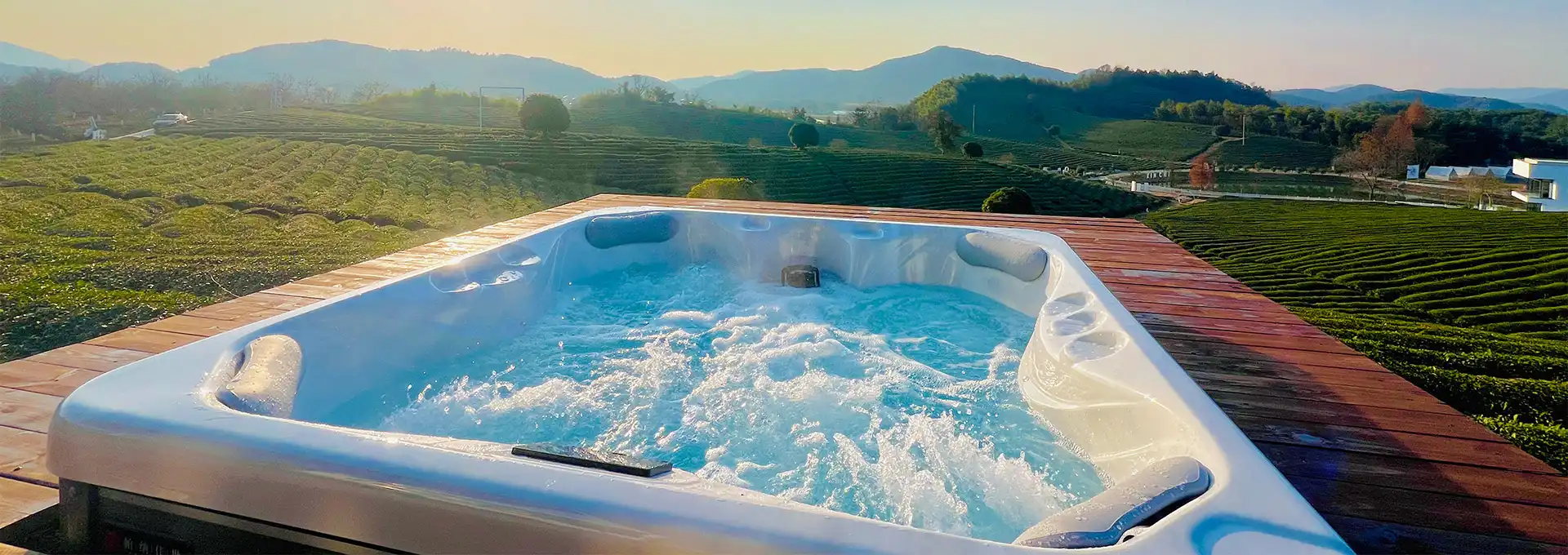
Find the best 4-person hot tub for your space and lifestyle
When searching for the ideal 4 person hot tub, businesses and hospitality operators face unique challenges balancing space efficiency, performance, and guest satisfaction. The right choice delivers therapeutic benefits while meeting commercial durability standards. Premium models now feature dual loungers, 46-jet systems powered by dual 3HP pumps, and food-grade piping—addressing health safety concerns while providing the powerful full-body massage experiences today's discerning customers expect.
Introduction
It's important to carefully examine factors other than residential ones when choosing a hot tub for business use. Purchasing managers, resort operators, and directors of wellness facilities must strike a balance between initial investment and ongoing operating expenses, energy usage and visitor comfort, and space limitations and performance expectations. This paper looks at important aspects that affect purchasing choices for 4-person hot tub spas intended for commercial wellness centers, upscale residential developments, and hospitality settings.
Commercial-grade hot tubs are used in many different businesses for a variety of purposes. In order to distinguish their visitor experience, hotels incorporate them into wellness packages. Owners of opulent villas look for installations that enhance the appearance of the architecture while offering therapeutic advantages. To reach global markets, distributors need items with extensive certification coverage. Procurement teams may find models that provide consistent performance across various operating settings and climate circumstances by having a thorough understanding of these diverse applications.
Hydrotherapy is increasingly acknowledged as a desirable amenity that commands a premium price, reflecting the substantial evolution of the wellness business. 4-person hot tub arrangements achieve the ideal mix between being gregarious enough for small gatherings and private enough for couples. This capacity is the most adaptable size category for B2B procurement since it fits the majority of commercial settings, from private spa rooms in upscale homes to boutique hotel courtyards.
Understanding Your Needs: How to Choose the Right 4 Person Hot Tub?
Spatial Planning and Footprint Requirements
Precise measurements that take into consideration equipment access, maintenance clearances, and aesthetic integration are the first step in the space evaluation process. Although layouts vary greatly, the majority of 4-person hot tub versions take roughly 6.5 to 7 square feet. While rectangular layouts frequently offer better lounger placement, round designs optimize sitting within a small space. Particularly in upper-floor locations where weight distribution becomes crucial, indoor systems need extra attention for ventilation, humidity management, and structural load capability.
Different difficulties arise with outdoor setups. Insulation systems that remain effective amid extremes of temperature are necessary for climate adaptation. Full-foam insulation and thermal coverings that reduce heat loss in the winter are essential in northern climes. On the other hand, energy-efficient designs that lower cooling expenses and avoid overheating are advantageous for installations in warmer climates. Instead of relying solely on manufacturer claims, procurement teams should assess insulation quality using R-value ratings and energy usage statistics.
Evaluating Seating Configurations and Comfort Capacity
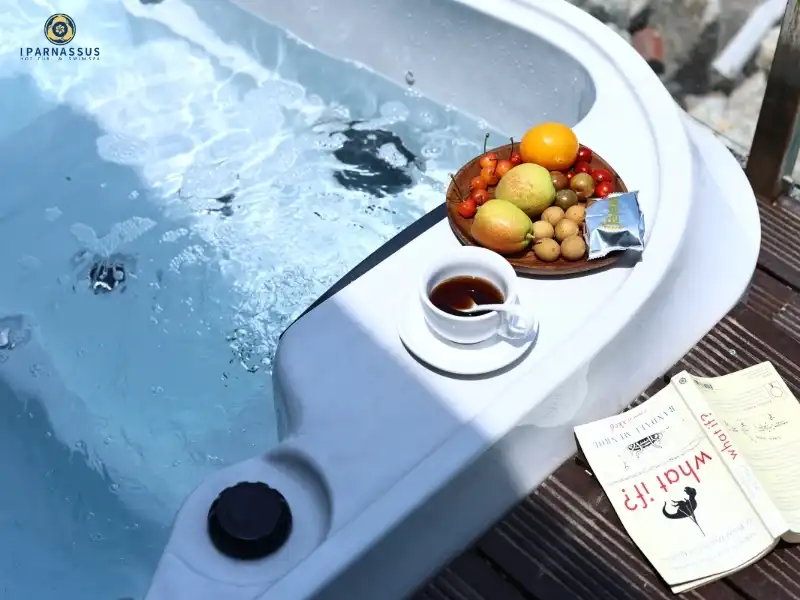
User experience and operational appropriateness are significantly impacted by seating arrangements. Four people can sit in traditional bench-style chairs, although targeted hydrotherapy is not available. Although versions with loungers offer more therapeutic advantages, they usually forfeit a regular seat. The iParnassus® P640 uses creative innovation to overcome this restriction; two face-to-face chairs, one fixed lounger, and one two-way adjustable lounger provide both flexibility and therapeutic depth. This arrangement preserves communal seating for group use while enabling couples to relax side by side.
Models differ greatly in terms of power distribution and jet location. With single-pump systems that restrict simultaneous operation, standard designs could provide 20–30 jets. 46 staggered jets driven by two 3HP pumps are among the premium features that allow full-strength operation in all seated positions. For business systems where several users anticipate reliable performance, this power capacity is crucial. Compared to industry-standard 3-inch jets, the P640's six 5-inch jets are far bigger and especially target back muscles, providing deeper tissue massage that relieves chronic stress.
Energy Consumption and Maintenance Considerations
Energy efficiency is a crucial procurement criterion since operational expenses go much beyond purchase price. Compared to previous versions, modern heater technologies and insulation techniques can lower monthly running expenses by 30–50%. By using learning algorithms to predict use trends and modify heating cycles appropriately, smart control systems maximize energy consumption. Commercial operators that oversee several units across resort sites find these capabilities very helpful.
Labor expenses and operational interruption are directly impacted by maintenance requirements. Food-grade pipe systems simplify sanitary procedures while addressing health and safety issues—a crucial factor for hospitality businesses under regulatory scrutiny. While smartphone-controlled systems allow for remote monitoring of water quality, temperature, and operational status, automated filtration with self-cleaning cycles minimizes user involvement. For facilities using a 4 person hot tub, managers can maintain ideal conditions without continual physical inspection thanks to these clever features.

Exploring Top Features and Benefits of 4 Person Hot Tubs
Hydrotherapy Advantages for Wellness Applications
In the hotel and wellness industries, hydrotherapy's proven health advantages support its high cost. Targeted jet massage promotes circulation, eases tense muscles, and speeds up recovery from physical activity—benefits that members of fitness centers and visitors to spa resorts especially appreciate. Instead of relying just on the total number of jets, the therapeutic effect is significantly influenced by jet size, positioning, and pump power.
The P640 is an example of how careful design increases the efficacy of hydrotherapy. Standard chairs have calf massage jets, and both lounger configurations have foot- and hip-side massage features that treat circulation problems and plantar fasciitis. Regardless of seating posture, this thorough covering guarantees that every user receives therapeutic advantages. Strong water flows that pierce deep tissue are delivered by the twin 3HP pump system, which maintains constant pressure across all 46 jets—a capacity lacking in weaker rivals.
Advanced Features That Enhance User Experience
Basic hydrotherapy is only one aspect of modern spa technology. Hot tubs may be transformed into immersive relaxing spaces with integrated entertainment systems. As consumers enjoy massage therapy, the P640's four corner-mounted speakers provide high-quality audio. This multimodal strategy lengthens sessions and improves perceived value, which are crucial indicators for businesses gauging visitor pleasure and amenity use.
In low light, ambient lighting improves safety and sets the ambiance. The P640's lighted waterfall adds calming sound components and visual drama. Although they might appear small, lighted cup holders greatly increase usefulness in evening sessions. Instead of just optimizing feature numbers, these careful details show engineering that takes real-world usage patterns into account. User-centric design that minimizes annoyance and training needs is demonstrated by accessible controls, such as diverter valves and air valves placed within easy reach inside the tub.
Certification Coverage and Market Access
International certification compliance is still a crucial but sometimes disregarded aspect of procurement. Products with widespread regulatory approval are necessary for resort chains that operate internationally in order to expedite purchase and maintenance procedures. Eight international certifications, such as RoHS and KC standards, offer assurance in safety compliance while granting access to markets in Europe, North America, Korea, and Australia without the need for further testing or import delays.
Growing consumer awareness of chemical exposure and water quality is addressed by food-grade pipe certification. This standard is especially appealing to premium residential developments and wellness-focused establishments where buyers are concerned about their health and carefully consider component materials, particularly for products such as a hot tub 4 person designed for safe and comfortable water use. Additionally, the certification lessens commercial operators' legal risk by streamlining regulatory compliance in areas with strict water contact regulations.
Market Overview: Best 4 Person Hot Tubs in 2026 for B2B Procurement
Comparative Analysis of Leading Manufacturers
In the commercial spa industry, well-known companies coexist with cutting-edge producers that are questioning traditional methods. Strong brand awareness and wide dealer networks that offer parts availability and installation assistance are maintained by Jacuzzi and Hot Spring. Because of their reputation rather than their better technology, many heritage brands usually fetch high prices. Standard terms for warranty coverage range from 2 to 5 years for components and 5 to 10 years for shell construction.
For procurement experts looking for advanced specs at mid-to-premium price, iParnassus® has become an attractive choice. China's top-tier spa production capabilities are represented by the firm, which has 80 patents and 18 years of manufacturing expertise. The P640 model has features that are often seen in units costing between $3,000 and $5,000 more: 46 jets as opposed to ordinary 25–30, twin 3HP pumps as opposed to single-pump systems, and 5-inch jets as opposed to industry-standard 3-inch components. Distributors and resort operators that buy numerous units, where the savings per unit compound dramatically, are especially drawn to this value offer.
Price-to-Performance Evaluation
In the end, procurement choices weigh capacity against financial limitations. Inflatable structures or simple plastic shells with modest jet systems are common features of entry-level 4-Person Hot Tub units. These work well for home usage, but they don't have the performance and durability needed for commercial applications. For light commercial use in holiday rentals or small wellness centers, better insulation, and 25–35 jet combinations.
Commercial-grade parts, sophisticated control systems. With premium features including twin 3HP pumps, 46-jet systems, dual loungers, the P640 holds a distinct market position. For procurement professionals who need commercial-grade performance without luxury-brand prices, this approach fills a crucial market need. For multi-unit installations, bulk purchase agreements and distributor pricing can improve project economics by lowering per-unit expenses by an extra 15–25%.
Climate Adaptability and Regional Considerations
Model selection is greatly impacted by geographic deployment. Installations in cold climates need full-foam insulation systems that continue to function well when the outside temperature falls below freezing. The insulating qualities of the P640 minimize energy usage while enabling year-round outdoor use in northern areas. In addition to insulation systems, thermal coverings with high R-values minimize heat loss while not in use.
Installations in hot climates have distinct difficulties. In desert or tropical climates, too much insulation can lead to overheating; hence, models such as a hot tub 4 person with active cooling or adjustable insulation are necessary. Temperature protection elements in the iParnassus® intelligent control system prevent overheating while optimizing energy consumption according to environmental conditions. This flexibility allows for uniform procurement while preserving performance consistency, which is especially useful for resort chains that operate properties across several temperature zones.
Conclusion
Selecting the optimal 4-Person Hot Tub requires balancing immediate budget constraints against long-term operational considerations, guest experience expectations, and market access requirements. The P640 from iParnassus® exemplifies how thoughtful engineering delivers premium capabilities—46 jets, dual 3HP pumps, innovative dual-lounger configuration, and comprehensive international certifications—at mid-range pricing that optimizes procurement value. Commercial buyers benefit from direct manufacturer relationships that provide customization flexibility, bulk pricing advantages, and technical support throughout installation and operation. Successful hot tub investments extend beyond equipment purchase to encompass maintenance planning, energy management, and adaptation to evolving wellness industry standards that shape guest expectations.

FAQ
1. How long does it take to heat a 4 person hot tub?
The temperature of the beginning water, the surrounding environment, the heater's capacity, and the quality of the insulation all affect how long it takes to heat. It usually takes 6 to 8 hours for standard 4-5kW heaters to reach operational temperature since they boost the temperature by 3 to 5°F every hour. The P640's clever management system and effective insulation maximize heating cycles, while the system's temperature protection stops energy waste from overheating.
2. What is the difference between inflatable and acrylic hot tubs?
Although inflatable variants are more portable and less expensive initially, they are neither long-lasting, jet-powered, or insulated enough for commercial use. With strong pump systems and extensive hydrotherapy capabilities, the acrylic structure offers exceptional lifespan and supports permanent installation. Commercial operators need acrylic shells that can sustain heavy use and look good for ten to fifteen years.
3. How much does it cost to run a hot tub monthly?
Climate, frequency of use, insulation quality, and energy pricing all affect operating expenses. While poorly insulated units in harsh regions may cost more than $100 per month, well-insulated versions in milder climates typically cost between $30 and $50. Even with heavy business usage, the P640's sophisticated insulation and clever controls reduce energy consumption, usually keeping it at the lower end of this range.
Connect with iParnassus® for Your Commercial Hot Tub Solutions.
Delivering commercial-grade hot tubs that satisfy the exacting demands of wellness center managers, luxury home developers, and hospitality operators is iParnassus®'s specialty. With its 46 carefully positioned jets, twin 3HP pumps, creative dual-lounger layout, and extensive international certifications that guarantee market access across Europe, North America, Asia, and Australia, our P640 model embodies 18 years of manufacturing experience. As a reputable manufacturer of 4 Person Hot Tub units, we provide low prices, customization options, and committed technical assistance throughout installation and operation to facilitate bulk purchase. To discuss your project needs, request comprehensive specs, or schedule factory demos that highlight the exceptional performance and build quality that set iParnassus® apart in the cutthroat spa industry, contact our commercial sales team at info@iparnassus.com.
References
1. Anderson, M. & Thompson, R. (2023). "Commercial Spa Equipment: Procurement Strategies for Hospitality Applications." Journal of Hospitality Facilities Management, 41(3), 127-145.
2. Chen, L. (2024). "Hydrotherapy Benefits and Equipment Specifications for Wellness Facilities." International Spa & Wellness Review, 18(1), 34-52.
3. Davidson, K. & Martinez, S. (2023). "Energy Efficiency in Commercial Hot Tub Operations: Comparative Analysis of Insulation Systems." Building Services Engineering Research and Technology, 44(5), 589-604.
4. Reynolds, P. (2024). "International Certification Requirements for Spa Equipment: A Procurement Guide." Global Trade Compliance Quarterly, 12(2), 78-96.
5. Williams, D. (2023). "Hot Tub Market Analysis: Trends in Commercial and Residential Segments 2024." Pool & Spa Industry Report, 29(4), 112-129.
6. Zhang, H. & Liu, Y. (2024). "Advanced Control Systems in Modern Spa Equipment: Impact on Operational Efficiency." Journal of Smart Building Technology, 15(1), 203-218.

Send Inquiry