_1768872582663.webp)
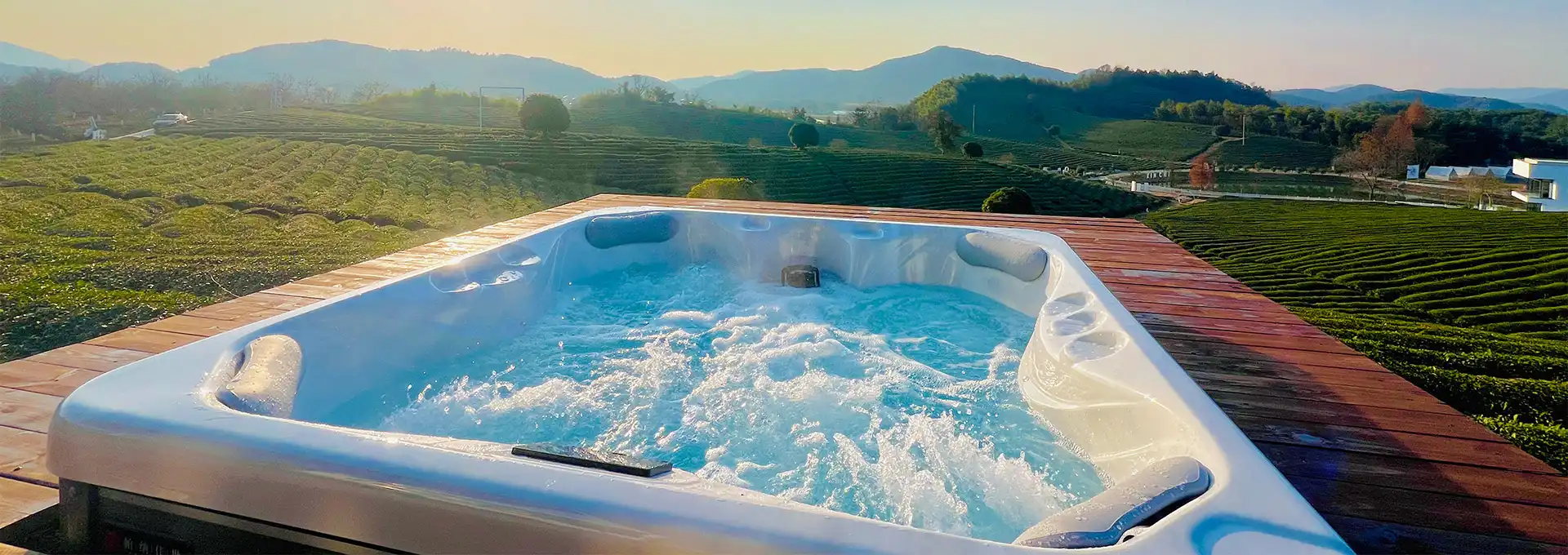
Is a 3-4 Person Hot Tubs the right choice for your family?
Choosing a hot tub for your home isn't just about luxury—it's about finding a practical wellness solution that fits your lifestyle, space, and budget. 3-4 person hot tubs deliver an ideal balance between comfort and efficiency, making them a smart option for small families, couples, and even light commercial applications. Unlike larger models that dominate yards and inflate energy bills, or compact two-seaters that limit socializing, a four-person spa offers enough room for meaningful connection without overwhelming your patio or wallet. If you're debating whether this size suits your household, the answer often comes down to how you'll actually use it. Will it be a nightly retreat for two, or a weekend gathering spot for your kids? Understanding your needs helps you invest wisely in relaxation that lasts.
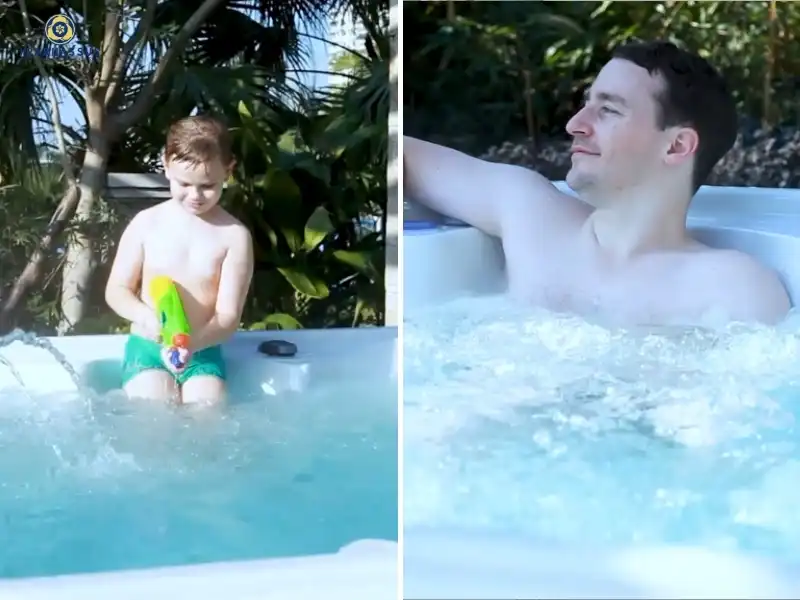
Understanding the Benefits and Ideal Size of 3-4 Person Hot Tubs
Why Size Matters for Family Wellness?
Understanding dimensions is the first step in space planning. The majority of four-person versions fit easily on tiny patios or regular decks because they are around 180 centimeters (5.9 feet) square. Compared to six- to eight-person tubs, which need eight to nine feet of clearance and frequently necessitate deck construction or landscape modifications, its small footprint stands in stark contrast. A smaller spa maintains pathways and flora while providing the full advantages of hydrotherapy if you're dealing with a tiny outdoor space.
This efficiency is demonstrated by iParnassus®'s 4S01 model. It has four complete chairs with plush head cushions and well-placed massage jets at a height of 1.8 meters. By focusing on particular muscle regions, each seat provides hydrotherapy that is similar to that of a professional massage. This design approach keeps expenditures down for homes on a tight budget by emphasizing intentional soaking over ostentatious additions.
Comparing Capacity and Comfort
Although they offer little footwell area, two-person baths usually have a maximum length of seven feet. Your spouse may feel crowded when you stretch out. Six-person versions, on the other hand, entice customers with additional seats, although spa makers' research indicates that most homes only frequently utilize half of their capacity. A four-seat arrangement is ideal since it gives couples elbow room and makes it comfortable for small families or visiting guests.
Size also affects energy efficiency. In temperate areas, a well-insulated four-person hot tub typically costs between $30 and $50 per month and consumes 20 to 30 percent less power than bigger models. Models with energy-saving features and sophisticated insulation further lower operating costs, making them affordable for year-round usage.
Ideal Applications Beyond Residential Use
Medium-capacity spas are becoming a popular choice for guest amenities among hotel management and eco-villa developers. Boutique resorts looking for private wellness areas without large-scale upkeep might benefit from a four-person tub. With eighteen units fitting in a 40-foot high-cube container, the 4S01's loading efficiency highlights its commercial appeal and reduces procurement and shipping costs for distributors aiming for volume markets.
How to Choose the Best 3-4 Person Hot Tub for Your Needs?
Defining Your Priorities
First, find out what is most important. Do you like sophisticated jet systems or basic soaking? A lot of families like simple designs that prioritize ease over intricacy. Simple temperature and jet settings promote everyday usage, but overwhelming control panels with hundreds of massage programs frequently go unused.
Longevity is directly impacted by material quality. Unlike less expensive substitutes that fade or break, USA-imported acrylic resists UV deterioration and keeps its sheen for years. The 4S01 addresses the frequent problem of having to choose between quality and affordability by combining this premium material with an entry-level price point, making it an ideal choice for 3-4 person hot tubs that require both durability and value.
Evaluating Maintenance Features
The frequency of draining and refilling your spa is determined by water treatment technologies. Conventional filtering necessitates monthly water changes and chemical balancing every several days. By dissolving organic pollutants at the molecular level, ozone and UV sterilization systems—such as those built into iParnassus® models—automate purification. This conserves resources and minimizes maintenance trouble by extending water freshness to three months and reducing chemical consumption by up to 60%.
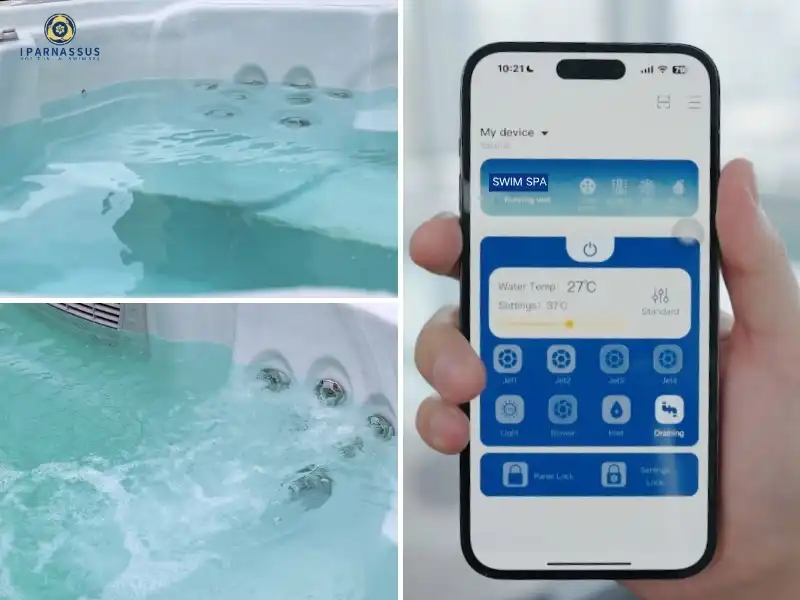
Convenience is added without complication through smart home connectivity. With smartphone controls, you can remotely check the temperature, prepare water before you get home, and get notifications when filters need to be cleaned. The iParnassus® control system has safety features that are essential for homes with small children, such as child locks that prevent unattended usage and automatic shutdown during water shortages.
Acrylic vs. Inflatable: Cost and Durability Trade-offs
Although they cost between $500 and $1,000, inflatable spas usually last two to three seasons before the seams deteriorate. Because of their lack of insulation, heaters must operate constantly during cold weather. When properly maintained, acrylic shells with stiff foam insulation effectively retain heat for 15 to 20 years. In terms of total cost of ownership, a $3,000 acrylic spa that costs $40 a month to run performs better than a $600 inflatable that needs $80 in energy and regular repairs.
The intricacy of installations varies greatly. Acrylic units require 240-volt power connections and level foundations, such as concrete pads or reinforced decking, but inflatable variants may be deployed in a matter of hours on any level surface. Although professional installation usually costs between $500 and $1,200, it guarantees safe functioning and warranty compliance.
Maintenance, Cleaning, and Common Challenges
Routine Care That Prevents Costly Repairs
Tasks each week take around fifteen minutes. Rinse cartridge filters under a hose, use test strips to measure pH and sanitizer levels, and skim the top for debris. Filters are removed for an overnight vinegar soak to remove mineral buildup as part of a monthly thorough cleaning. Spa professionals claim that these easy actions avoid 80% of service calls.
Newcomers are often intimidated by water chemistry, but contemporary methods make the procedure easier. Ozone generators automatically maintain cleanliness by reducing the requirement for bromine or chlorine to very low levels. By eliminating germs and viruses in real time as water passes through the filter loop, UV sterilization works in tandem with ozone. When combined, these technologies provide water of hospital quality with no need for human intervention.
Addressing Common Issues Before They Escalate
Typically, cloudy water indicates a chemical imbalance or filter saturation. Clarity is rapidly restored by replacing filters every 12 to 18 months and shocking the spa after heavy use. Plumbing air locks or blocked intake valves are common causes of weak jet pressure. Most flow problems may be fixed without expert assistance by cleaning skimmer baskets and bleeding air from pump unions.
Climate and use trends affect how long a component lasts. Shells survive 15–20 years, pumps 8–10 years, and heaters 5–7 years. Selecting models with standardized parts and accessible panels, such as those from reputable manufacturers, guarantees inexpensive repairs when parts ultimately wear out. Major systems are covered by the iParnassus® guarantee, which reflects manufacturing quality assurance developed over eighteen years of spa production.
Professional-Grade Products for Optimal Performance
Commercial-grade sanitizers that function well in high-use settings, including 3-4-person hot tubs, are valued by facility managers. In order to avoid the greasy waterline coating that is typical in crowded spas, enzyme-based cleansers break down body oils and lotions that conventional sanitizers overlook. Purchasing high-quality chemicals is slightly more expensive initially, but it prolongs the life of the system by lowering water changes and machine strain.
Procurement and Installation: Simplifying the Buying Process
Navigating Purchase Channels
Although they usually charge 20–30% markups above the direct manufacturer price, local dealers provide rapid support and hands-on testing. Buyers save money when they purchase direct manufacturers online since there are no intermediaries involved. iParnassus® provides clear pricing and delivery logistics while working directly with homes and business-to-business clients. Without raising the price of the products, their network of dealers offers installation recommendations. Accessibility is increased via financing choices. While manufacturer payment plans permit spreading payments over 12 to 24 months, many customers take advantage of low-interest home equity lines of credit. The most cost-effective strategy may be found by contrasting total interest with upfront discounts.
Installation Essentials for Safety and Warranty Protection
GFCI-protected 240-volt circuits must be installed by certified electricians in order for electrical work to comply with National Electrical Code regulations. Inadequate wiring results in electrocution risks and invalidates warranties. The weight of the foundation varies depending on the model; filled four-person spas weigh between 2,500 and 3,000 pounds, necessitating stable surfaces that won't move or settle. Buyers are unaware of how important delivery logistics are. Homeowners must move 400-pound shells into backyards since standard shipment puts containers curbside. Crane or crane installation is part of full-service delivery, which is more expensive but prevents property damage and injuries. Costly shocks on delivery day may be avoided by measuring gate widths and overhead clearances in advance.
Budget Considerations for Entry-Level Quality
There are models under $3,000; however, their quality varies greatly. Thin plastic shells, little heaters, and weak pumps that have trouble in cold weather are frequently the result of rock-bottom costs. With its USA acrylic construction, sufficient heating capacity, and dependable parts at a reasonable price, the 4S01 strategically occupies the value market. This avoids the false economics of cheap imports necessitating early replacement by striking a balance between initial affordability and long-term durability.
Top Considerations for Different Applications
Cold Climate Performance
Winter usefulness is determined by the thickness of the insulation. While bottom-only insulation causes frozen plumbing and fractured pipes, full-foam insulation around the shell and cabinet retains heat even in extremely cold conditions. Seek out models with weatherproof cabinets that prevent wind infiltration and sealed bases. Heating systems are similarly important. When the outside temperature falls below freezing, underpowered heaters find it difficult to keep the temperature stable. In temperate areas, four-person spas can benefit from a minimum 4-kilowatt heater; in northern locations, 5.5-kilowatt units are better since they quickly regain warmth once the covers are removed.
Material Durability for Outdoor Exposure
Unlike gel-coat finishes, which corrode and roughen, UV-resistant acrylic retains color and gloss in the face of continuous sun exposure. Longevity is also affected by the materials used for cabinets; synthetic wood composites are more resistant to rot and insects than genuine timber, so they don't require yearly staining or sealing. Water chemistry and temperature are safeguarded by cover quality. Heat loss is stopped, and debris is kept out using heavy-duty coverings that have 4-6 inch foam cores and strengthened vapor barriers. Within two years, cheap blankets become saturated, losing their insulating properties and becoming too heavy to lift securely.
Commercial vs. Residential Use Cases
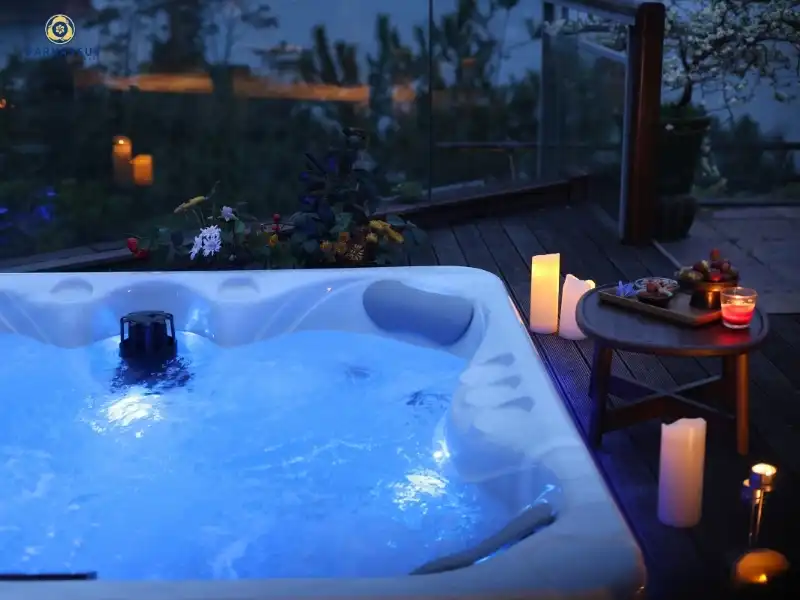
Durability and cleanliness are top priorities for hotels and resorts. Commercial-grade parts can withstand continuous usage without breaking down frequently, and easily accessible plumbing enables prompt repairs. The 4S01's simple design works well in hospitality settings where employees handle routine maintenance and visitors anticipate dependable performance without having to master complicated controls. Customization and aesthetics are important to home purchasers, especially those considering 3-4 person hot tubs for private relaxation spaces. Bluetooth audio systems improve relaxation, and integrated LED lighting sets the mood for nighttime soaks. For homeowners who often use their spas, these amenities are desirable since they enhance attractiveness without appreciably raising maintenance difficulty.
Conclusion
Choosing a 3-4-person hot tub requires weighing lifestyle choices, financial restraints, and available space. Genuine hydrotherapy advantages are provided by these medium-capacity spas without the hassles of large models or the claustrophobic atmosphere of two-seaters. Models such as the iParnassus® 4S01 show how careful design puts important features—such as high-quality materials, efficient water treatment, and user-friendly controls—first while keeping prices affordable for small companies and households. Knowing capacity, maintenance systems, and total ownership costs guarantees that you invest in wellness equipment that meets your demands for years, whether you're a hotel manager improving guest services or a homeowner looking for evening relaxation.
FAQ
1. What temperature range is ideal for safe and comfortable soaking?
For relaxation and muscular treatment, most users find that 100–102°F is ideal. Temperatures above 104°F are dangerous, especially for people with cardiovascular diseases and pregnant women. Contemporary control systems automatically maintain exact temperatures, modifying heating cycles in response to environmental factors.
2. Are four-person hot tubs energy-efficient compared to larger models?
Indeed, quite a bit. Less energy is needed to heat and maintain smaller amounts of water. Compared to spas with six to eight people, well-insulated versions use 20–30% less power. By shortening the pump run times required for chemical circulation, ozone and UV systems significantly minimize energy consumption.
3. Can these tubs suit commercial environments like hotels or wellness centers?
Of course. 3-4-person hot tubs are becoming more common at boutique hotels and eco-resorts for exclusive visitor experiences. Selecting commercial-grade parts and setting up routine maintenance procedures are crucial. High-use models have accessible service panels that make maintenance easier and strengthened piping.
Ready to Transform Your Space with iParnassus®?
If you're prepared to improve the facilities on your property or bring therapeutic relaxation home, iParnassus® provides professionally designed spas that combine value and excellence. For families and light business usage, our 4S01 model offers expert hydrotherapy in a small, affordable container. As a reputable 3-4 Person Hot Tubs manufacturer with eighteen years of spa innovation and eighty patents, we know what counts: robust construction, user-friendly operation, and prompt service. To discuss your unique needs, look into financing opportunities, or request specs, send an email to info@iparnassus.com. Allow us to assist you in locating the ideal health solution that complements your area and way of life.
References
1. Anderson, M. (2021). Residential Spa Selection: Balancing Capacity and Energy Efficiency. Home Wellness Publications.
2. Chen, L., & Roberts, K. (2022). Hydrotherapy Applications in Hospitality Design. Journal of Commercial Spa Management, 15(3), 45-62.
3. National Spa and Pool Institute. (2023). Standards for Residential Hot Tub Installation and Safety. NSPI Technical Guidelines.
4. Peterson, J. (2020). Water Treatment Technology in Modern Spa Systems. Aquatic Maintenance Quarterly, 8(2), 112-128.
5. Thompson, R. (2023). Cost-Benefit Analysis of Spa Ownership: A Ten-Year Study. Consumer Wellness Research Group.
6. Williams, S., & Zhang, H. (2022). Material Science in Spa Manufacturing: Acrylic vs. Alternative Composites. International Journal of Pool and Spa Technology, 19(4), 201-218.

Send Inquiry