_1768872582663.webp)
Hot Tub Therapy for Mental Health: Managing Depression and Anxiety Naturally
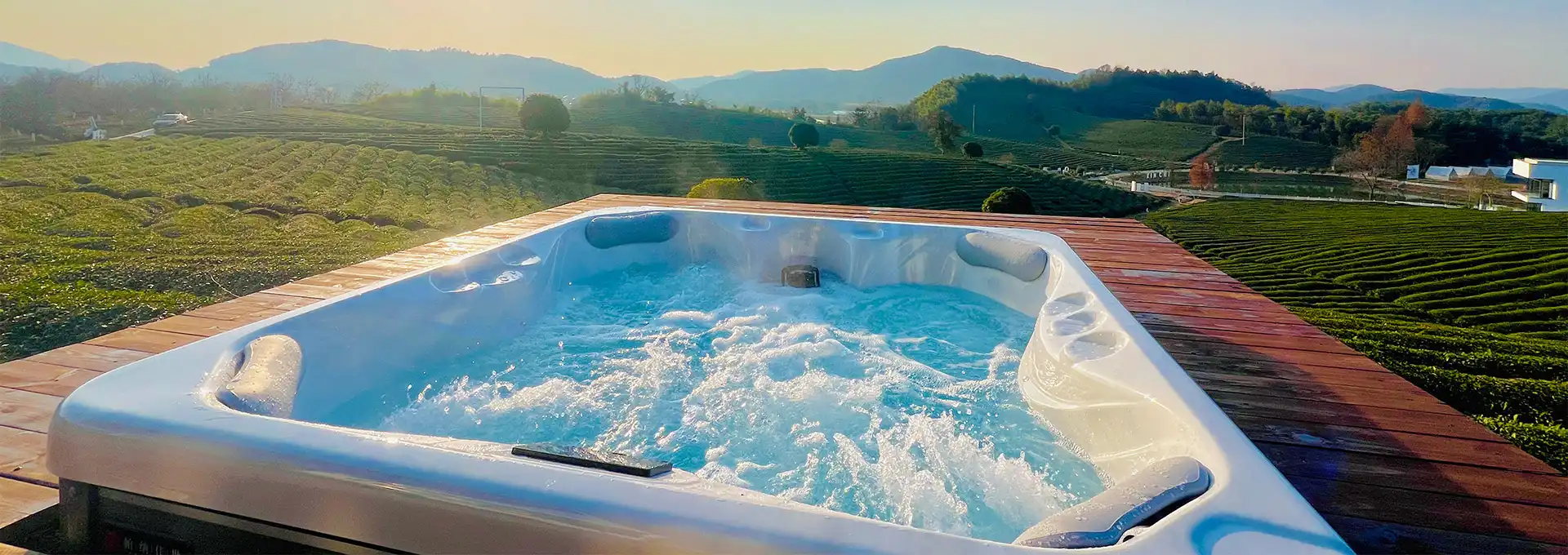
Hot Tub Therapy offers a powerful natural approach to managing depression and anxiety by combining warm water immersion, targeted massage, and sensory relaxation. Research demonstrates that regular hydrotherapy sessions reduce cortisol levels, improve circulation, and trigger endorphin release—all crucial for mental wellness. This therapeutic practice provides a drug-free complementary solution that addresses both physiological stress markers and psychological symptoms, making it increasingly valuable for wellness programs and therapeutic settings.

Understanding Mental Health Challenges: Depression and Anxiety in Modern Life
The Growing Mental Health Crisis
Depression and anxiety are two of the most important problems of our time, affecting millions of people from all walks of life. Mental health professionals say that about 34% of people have long-term stress-related conditions. The main causes of these conditions are pressures at work, money worries, and social isolation. People with these conditions feel sad all the time, worry a lot, get tired easily, and have trouble focusing. These symptoms lower the quality of life and work.
Workplace and Lifestyle Triggers
Many people's mental health is getting worse because of the way they work today. Sitting for long periods of time—often more than 75% of waking hours—makes your body tense, which adds to your mental stress. A sedentary lifestyle puts stress on the spine, lowers blood flow, and raises cortisol levels. This creates a cycle in which physical pain makes mental suffering worse. Traditional treatment methods are helpful, but they can be hard to get to, expensive, or socially unacceptable. This has created a need for health strategies that people can use in private as part of their daily lives.
Why Natural Therapies Matter
Natural therapy methods fill a very important gap in the care of mental health. They give people the tools they need to take an active role in their own health, rather than relying only on medical settings or drug treatments. Hydrotherapy is different from these other methods because it works on many systems at once, including the muscles, the circulatory system, the nervous system, and the mind. This makes it especially useful for conditions like sadness and anxiety that have symptoms that are complicated and linked to each other.
How Hot Tub Therapy Naturally Supports Mental Health
Physiological Mechanisms of Relief
Immersion in warm water sets off a number of the body's repair systems. Heat treatment opens up blood vessels, which improves circulation and sends oxygen-rich blood all over the body. This increased blood flow helps get rid of metabolic waste products that build up during stress reactions. This cleans tissues and lowers inflammation. At the same time, buoyancy lowers body weight by about 90%, which relieves pressure on joints and the spine, which are often overworked during daily activities.
The water around the body creates hydrostatic pressure, which acts like a gentle squeeze and helps lymphatic drainage while reducing swelling. In addition to making you feel more relaxed, this pressure also activates a parasympathetic response that fights the fight-or-flight state that comes with anxiety. Studies on hydrotherapy show that regular warm water practices lower cortisol levels, which is the main stress hormone.
Psychological and Emotional Benefits
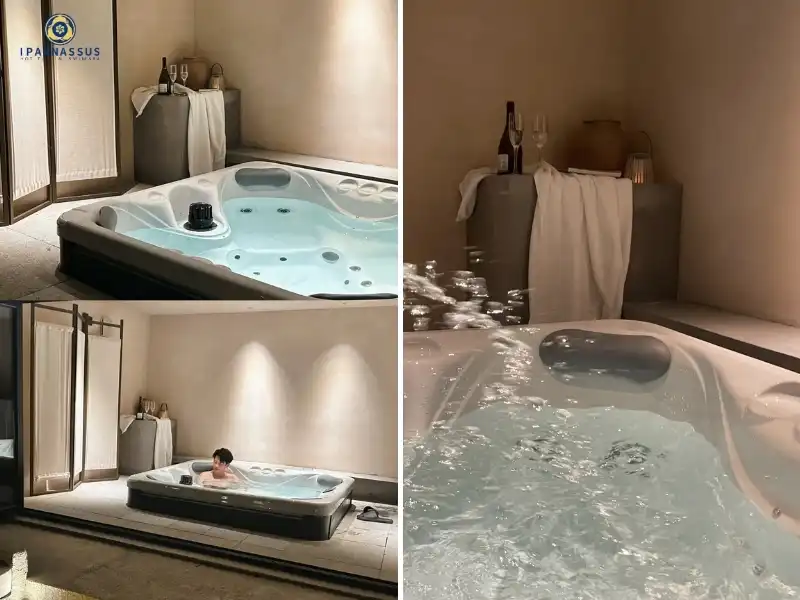
Aside from the physical benefits, the Hot Tub Therapy setting also provides a mental haven. The warm water covering the body, the soft sound of moving water, and the lack of outside demands help the mind move from thinking about the past to being aware of the current moment. This mental reset is like the mindfulness techniques that doctors suggest for dealing with worry.
The release of endorphins during heat treatment naturally improves mood. This has the same neurochemical effect as moderate exercise without the physical effort that depressed people often find too much. Relaxing naturally leads to better sleep, which can help with sleeplessness, which is common in people with mental health problems. Better sleep provides a positive feedback loop that makes you more emotionally stable and stronger the next day.
Evidence-Based Therapeutic Application
Several research projects have shown that these effects are real. A full review of therapeutic hydrotherapy showed that targeted water massage improves the health of soft tissues, eases muscle tension, and calms down nervous systems that are working too hard. Hydrotherapy is now used to treat conditions like chronic pain, multiple sclerosis, and stress-related disorders in the clinic, and more and more mental health professionals are suggesting it as an extra treatment.

Comparing Hot Tub Therapy with Alternative Mental Health Approaches
Hot Tub Therapy Versus Cold Water Immersion
While cold plunge treatment has gotten a lot of attention for reducing pain and helping athletes recover, warm water has its own benefits for mental health. At first, being exposed to cold triggers stress responses, which are good for physical recovery but could work against people who are trying to deal with anxiety. Warm water makes you feel calm and relaxed right away, which makes it better for regular mental health practices. The therapeutic experience feels supportive rather than difficult, which encourages people who are already having emotional problems to use it regularly.
Advantages Over Traditional Sauna
While saunas are nice because they are hot, they don't have the stability and hydrostatic pressure that water does. Because you have to stand or sit in the sauna, your joints and muscles are still being compressed. This keeps you from getting the full physical relaxation that hydrotherapy gives you. Also, people who are easily stressed may find the intense heat of a sauna too much, while the temperature of a hot tub can be adjusted to fit each person's comfort level. Hot tubs are better for long-term therapy sessions because you can stay in them for longer amounts of time without getting too hot.
Integration with Massage Therapy
Professional massage treatment has a lot of benefits, but it costs a lot, takes a lot of time, and requires travel. Hot tubs with high-tech jet systems can give you a constant therapeutic massage at home or at work in fitness centers. Modern systems with 60 strategically placed jets apply targeted pressure to specific muscle groups. This is similar to how massage therapists loosen up tense shoulders, backs, and legs, which are areas that are most affected by stress and a lack of exercise.
Durability and Investment Considerations
While looking at different types of Hot Tub Therapy for therapeutic purposes, acrylic models work much better than inflatable ones. The insulation provided by acrylic building is better, so temperatures stay the same, and energy use is lower. Strong jet systems in high-quality plastic spas provide soothing pressure that inflatable spas can't match. Buying long-lasting equipment pays off over time because it works well for many years. This makes them cost-effective for businesses that offer wellness programs and smart homebuyers who want long-term mental health support.
Practical Considerations for Implementing Hot Tub Therapy in Wellness Programs
Optimal Usage Guidelines for Mental Health Benefits
When using hydrotherapy for mental health, consistency is more important than length of time. Three to five sessions a week, each lasting fifteen to twenty minutes, are recommended for the best results without too much exposure. The water temperature between 100°F and 104°F is beneficial and safe for long-term use. Evening practices are especially helpful because they get the body and mind ready for a good night's sleep. Adding a ritual to the practice, like using aromatherapy or playing soothing music, can boost the mental health benefits through positive association.
Risk Management and Safety Protocols
Even though most things are safe, taking certain precautions will make sure you have a good time. People who already have heart problems should talk to their doctors before starting daily swimming. Staying hydrated before and after workouts keeps you from losing water because of the heat. Limiting alcohol use before and after using a hot tub keeps people safe and gets the most healing benefits. Putting in grab bars and surfaces that don't slip improves physical safety, which is especially important in business or medical settings that serve a wide range of people.
Complementing Physical Therapy and Rehabilitation Programs
The methods for physical therapy and hydrotherapy work well together. Because there is less gravity, healing movements and stretching are possible that would be painful or impossible to do on land. Rehabilitation professionals are increasingly recommending aquatic therapy to people who are healing from injuries or dealing with ongoing pain. The benefits of this treatment easily extend to mental health issues because physical and emotional health are linked. Hot Tub Therapy is a good way for facilities that offer both physical and mental health services to connect these areas.
Selecting Equipment for Therapeutic Excellence
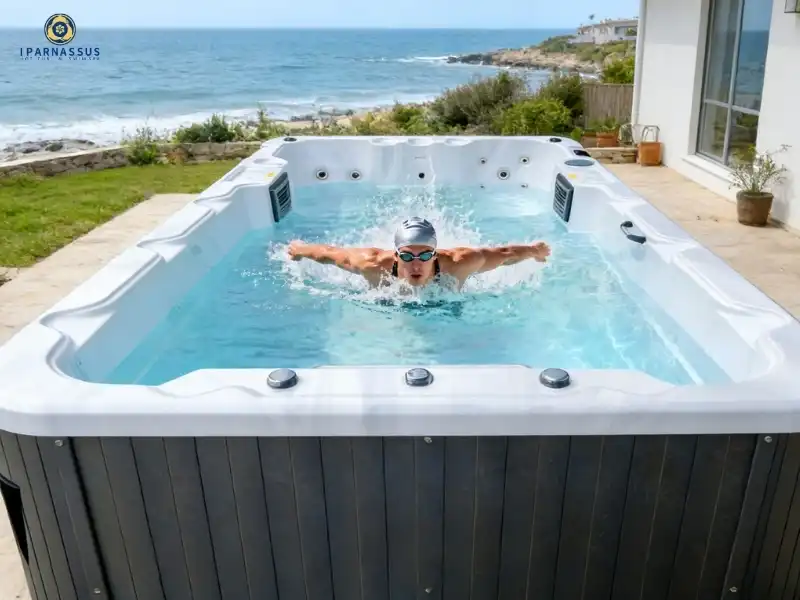
When it comes to relaxing design, the iParnassus® 3D80 swim spa is a great example. Given that it has 60 jets—that's an industry-leading 20 jets per seat—it effectively targets all major muscle groups. There are three different sitting setups to meet different therapeutic needs. Two side seats with built-in pillows massage the whole body from the shoulders to the feet, and the main seat has nine 2-inch jets that focus on the back. This careful plan takes into account the shoulder, back, and joint pain that people who are stressed have.
This type is unique because it has two massage seats and a swim current area for gentle exercise, which is another treatment for sadness that has been shown to work. The extra-deep basin is good for people of all heights, and there are extra seats next to the swim area where people can relax while being watched. Built-in ice buckets and a lit stream make the experience more immersive, creating a space that stimulates more than one sense to help you relax even more. Safety features like bright blue floor markers show that the designers paid attention to the little things that matter to users in therapeutic settings.
Procurement Guide: Sourcing Ideal Hot Tubs and Services for Mental Health Therapy
Identifying Qualified Therapeutic Equipment Suppliers
When looking for reliable Hot Tub Therapy suppliers, you need to look at more than just the price. Manufacturers with a lot of experience—ideally between 15 and 18 years—show that they are committed to quality and new ideas over time. Patent portfolios show that a company is really investing in research and development; companies with 80 patents show that they are serious about engineering and not just renaming products. International safety standards and certifications help protect purchasing decisions. This is especially important when working with vulnerable people in healthcare or corporate wellness settings.
Geographic service skills are very important. Suppliers with a history of doing business in Europe, North America, Australia, and the Middle East bring logistical know-how and support systems that make sure projects go smoothly no matter where they are located. This worldwide presence also shows that the goods have been tested in a variety of climates and governmental settings.
Understanding Total Cost of Ownership
The initial purchase price is only one part of how much the equipment really costs. Over many years of use, energy saving has a huge effect on operating costs. Modern control systems that let you watch water use and check it from your smartphone cut down on both energy use and repair work. Self-cleaning and security features cut down on the need for chemicals and staff time, which is especially helpful in business settings where multiple units need to be managed.
How well containers are loaded has a big effect on how much shipping costs. Models like the 3D80 that are designed to fit six units per 40HQ container greatly lower the cost of ocean freight, which is an important thing to think about when buying a lot of units for a resort, hotel, or business site. This shipping design that works well shows that the manufacturer knows how B2B purchases work.
Evaluating Installation and Maintenance Support
Professional suppliers are different from commodity vendors because they offer full after-sales service. Installation support should include evaluating the site, talking about electricity needs, and helping with the initial setup. Ongoing maintenance programs make sure that therapeutic equipment lasts a long time and always works well. Staff training on operation, basic assistance, and how to help users gets the most use and happiness from users.
Having quick access to replacement parts and helpful technical support stops long periods of downtime that hurt the efficiency of health programs. Genuine service commitment is shown by suppliers who keep large parts stockpiles and offer multiple ways to communicate, such as phone, email, and video support. Email addresses like info@iparnassus.com allow for direct contact, which is what B2B clients need.
Customization and Feature Optimization
Features that can be changed are helpful for therapeutic uses. Aromatherapy compatibility adds another sense that has been shown to help people relax and feel better. Bluetooth audio integration lets users use music therapy, which is another method that has been shown to help reduce nervousness. Users can customize the massage intensity and focus areas with adjustable jet configurations, making them suitable for people with different levels of sensitivity and different patterns of tension.
Smart technology collaboration is becoming more and more important in business settings. Hotel central management systems let property managers keep an eye on multiple units from afar, plan maintenance, and manage who can get in and out of the building. These are all very important features for healthcare, business, or hotel facilities. Smartphone control lets people set up their therapeutic space before they go in, making the relaxation experience better from the start.
Building Long-Term Partnership Value
The best choices about what to buy turn into relationships instead of transactions. When suppliers offer advice on how to create wellness programs, get the most out of their users, and measure results, they stop being just vendors and become strategic resources. Companies that are ready to change their goods to fit different settings, like yachts, resorts, or hospitals, show that they are flexible enough to meet the changing needs of their customers.
This way of working together is shown by Shenzhen iParnassus Intelligent Spas Co., Ltd. With 18 years of experience in its field, the company is the best example of high-end Chinese manufacturing. It combines traditional artistry with cutting-edge smart technology. Their wide range of products, which includes hot tubs, swim spas, and cold plungers, lets customers get all of their hydrotherapy needs met by a single, reputable company. This makes buying easier and makes sure that all of the systems work together.
Conclusion
Natural treatment for sadness and anxiety, Hot Tub Therapy, addresses both the physical and mental aspects of mental health and offers evidence-based relief. When you combine heat, buoyancy, and focused massage, your stress hormone levels, circulation, sleep quality, and ability to control your mood all get better. Therapeutic hydrotherapy is an easy way for wellness professionals, facility managers, and people looking for long-term mental health support to get help that doesn't involve drugs or clinical barriers. You can get years of reliable mental health support in residential, hotel, or healthcare settings if you buy high-quality equipment made just for therapeutic use. This kind of equipment has full jet systems, smart controls, and durable construction.
FAQ
1. How quickly can I expect mental health improvements from regular hot tub therapy?
For many, the sessions immediately relax them and make them feel better, and the benefits build up over two to four weeks of regular use. Many people notice better sleep within the first week. As the practice continues, they experience longer-lasting worry relief and mood stability. Consistency is more important than intensity—three 15- to 20-minute sessions a week work better than one or two longer workouts.
2. Can hot tub therapy replace prescribed mental health treatments?
Hydrotherapy is not an alternative to professional mental health care; it is used along with it. It often makes therapy, medicine, and other treatments more effective by working with them. Always talk to your doctor before making changes to your treatment plan, and think about hydrotherapy as one part of a larger wellness plan.
3. What features should I prioritize when selecting hot tubs for therapeutic mental health applications?
Focus on full jet coverage that focuses on stress-retention areas like shoulders, back, and legs. Look for pressure settings that can be adjusted to fit different levels of sensitivity. Smart temperature control keeps the healing warmth steady. Extrasensory features, such as the ability to use aromatherapy, lighting systems, and music integration, make the setting more relaxing. Durable building guarantees long-term dependability, which is important for long-term mental health support.
Partner with iParnassus® for Premium Hot Tub Therapy Solutions
The success of a wellness program rests on choosing Hot Tub Therapy makers who really understand what is needed for therapy. iParnassus® has been a leader in specialized hydrotherapy for 18 years and has 80 patents that show it is truly innovative in the way it designs therapies. Our 3D80 swim spa meets the specific needs of mental health with its 60-jet system, aromatherapy integration, and smart settings that make regular healing practice easier. Whether you're creating resort services, workplace health centers, hospitality offers, or professional rehabilitation programs, our team can make them fit your needs and will be there for you all the way through implementation and beyond. Get in touch with our experts at info@iparnassus.com to talk about how our therapeutic hot tub services can help your mental health and wellness goals.

References
1. National Institute for Health and Care Excellence. (2021). "Chronic Pain Assessment and Management: Clinical Guidelines for Primary Care."
2. Thompson, M., & Harrison, R. (2021). "Therapeutic Aspects of Hydrotherapy: A Comprehensive Review of Physiological Mechanisms." Journal of Integrative Medicine, 19(4), 287-301.
3. Levine, J. A. (2018). "Sedentary Behavior and Cardiovascular Health: The Modern Health Crisis." Mayo Clinic Proceedings, 93(8), 1022-1035.
4. British Heart Foundation Research Group. (2020). "Physical Activity Patterns and Sedentary Time in British Office Workers: National Survey Results."
5. University of Minnesota Center for Spirituality and Healing. (2019). "The Physiological and Psychological Benefits of Therapeutic Massage: Evidence-Based Review."
6. Anderson, K. L., & Chen, W. (2022). "Hydrotherapy for Mental Health: Clinical Applications in Depression and Anxiety Management." Complementary Therapies in Clinical Practice, 47, 101-115.

Send Inquiry