_1768872582663.webp)
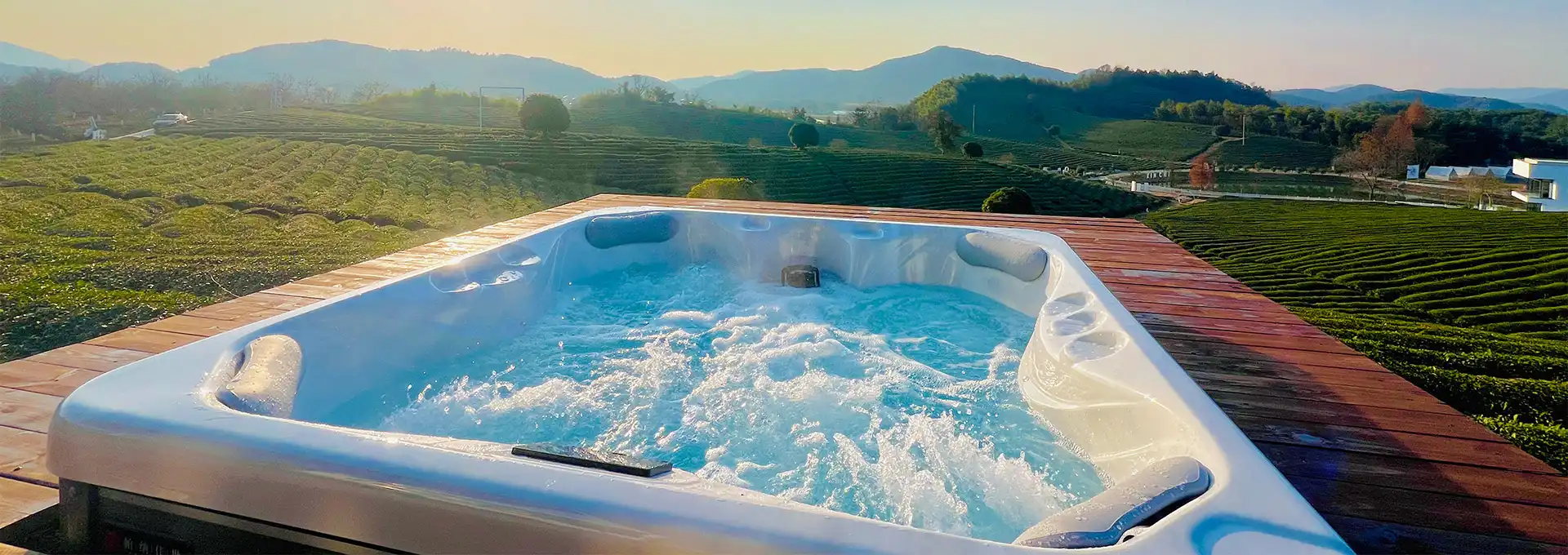
Indulge in Luxury: Exploring the Best Large Hot Tubs
When resort developers, hotel operators, and commercial spa dealers search for premium hydrotherapy solutions, the decision extends far beyond aesthetics. A Large Hot Tub represents a strategic investment in guest satisfaction, wellness program enhancement, and competitive positioning within the hospitality and luxury real estate sectors. This comprehensive guide addresses the unique procurement challenges faced by commercial buyers navigating the market for spacious, high-capacity hydrotherapy systems. We've structured this exploration to cover everything from technical specifications and installation logistics to supply chain considerations and vendor selection criteria. Whether you're equipping a Mediterranean villa development, expanding a resort wellness center, or outfitting a luxury yacht, this resource delivers practical insights to inform your purchasing decisions and maximize return on investment.
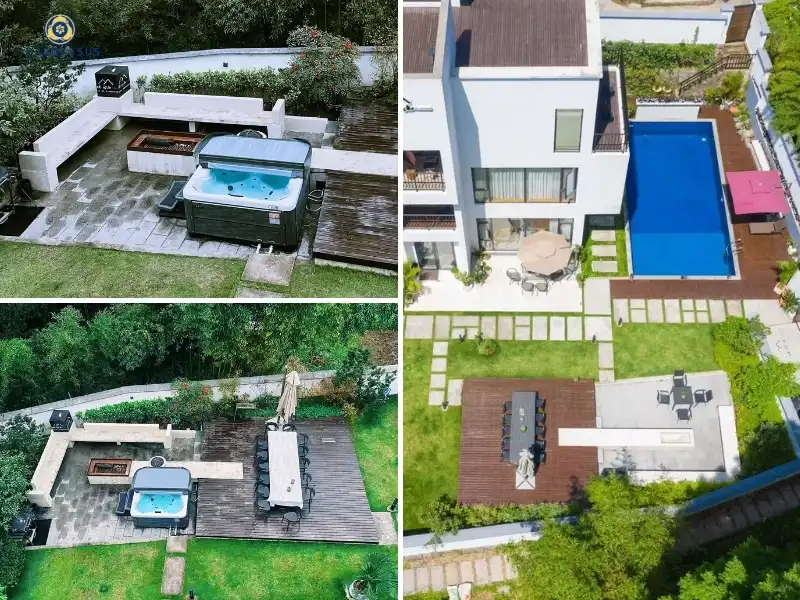
Understanding Large Hot Tubs: Features, Benefits, and Specifications
Defining Capacity and Dimensions
Commercial-grade hydrotherapy systems are much bigger and can do a lot more than home types. When it comes to length, a real Large Hot Tub is usually longer than 370 cm and can easily fit seven to eight people. For example, the iParnassus® 9R00 Party Spa is 379 x 225 x 88 cm and can hold 2,540 liters of water, which is the most of any spa in its class. This depth makes it possible for real immersion therapy, which shallow units can't offer. This solves a common problem that spa professionals have with small designs not having enough water.
Advanced Hydrotherapy Systems
Any commercial spa's ability to help with therapy depends a lot on how the jets are set up and how strong the pump is. Benchmarks in the industry say that 20 to 30 jets per pump and at least five to six jets per seat are best for performance. The 9R00 model goes way beyond these standards. It has 101 carefully placed jets that are driven by three separate pumps. This gives you professional-grade hydrotherapy that works on muscle groups from your shoulders to your legs. This arrangement makes sure that every guest gets the same massage pressure, no matter where they sit. This fixes the problem of not enough coverage that many eight-person units have.
In business settings, the way seats are set up is very important. All of the seats in the 9R00 face the two main places next to the filter system. This makes it easy for people to talk to each other while still being therapeutic. Two cozy corner seats give couples or people who want to have a quiet talk some privacy. This shows how careful design balances the needs of everyone to relax and have fun with others.
Visual Luxury Elements
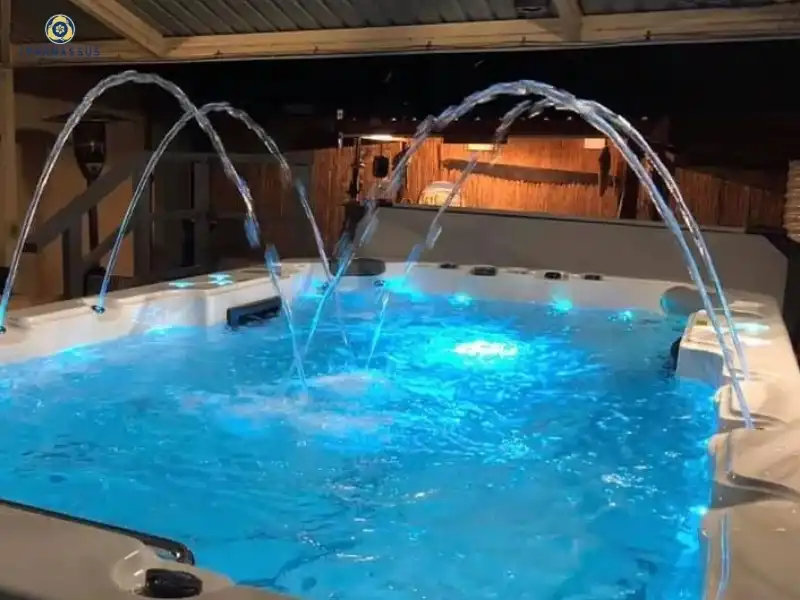
Developers of resorts and villas are becoming more aware that how guests see something affects how luxurious they think it is. Standard tubs don't have the exciting water features that make moments and adventures worth sharing on Instagram. The dual waterfall system in high-end models like the 9R00 directly fills this need by combining falling water with LED fountain effects and 24 colorful lights to turn useful tools into an exciting focal point. Multiple built-in steps with handrails make sure that accessibility meets safety standards while also keeping the building's good looks, which is an important factor for commercial liability.
Wellness Benefits for Commercial Settings
Therapeutic hydrotherapy does more than just relax people. It also has measurable health benefits that medical spas and corporate wellness centers can tell their clients about. Controlled soaking in warm water lowers cortisol levels, eases chronic pain, boosts circulation, and encourages restful sleep patterns. Hotels that offer hydrotherapy services report happier guests and more extra money from spa bookings, so these setups are more like income generators than just extras.
Concerns about energy efficiency often come up when people are talking about buying things. Newer units with better insulation, smart heating systems, and programmable settings use 30 to 40 percent less energy than older models from ten years ago. This meets environmental standards without lowering efficiency.
How to Choose the Best Large Hot Tub for Your Business
Assessing Business-Specific Requirements
Before hiring a seller, procurement workers should use systematic evaluation criteria. Capacity needs should be based on peak usage scenarios. For example, a boutique hotel might only have four guests per session on average, but eight guests during the holidays. The 9R00's flexible capacity of 7–8 people meets this changing need well.
Conditions at the site have a big effect on which model is chosen. When installed outside in harsh climes, they need to be weatherproof, with strengthened shells and better protection. Placing units indoors requires planning for ventilation and humidity control systems that aren't needed for outdoor units. The 9R00 is certified to six international standards, which means it meets a wide range of regional building rules. This makes it easier for hotel groups to deploy across multiple properties.
Evaluating Core Decision Metrics
The total cost of ownership is more affected by how long something lasts under heavy commercial use than by the purchase price. The hard-shell plastic construction lasts longer than inflatable options by years, as it can handle the daily wear and tear that destroys less durable materials. Manufacturers' trust is shown by the length of the warranty; coverage that lasts longer than three years means the quality of the building is worth the extra cost.
The cost of operations is directly affected by how easy it is to maintain. Systems that need special chemicals or weekly visits from a technician quickly use up budgets. The iParnassus® smart control system is a great example of efficient design because it cleans itself automatically, has antivirus features, and lets you control the water remotely from your smartphone. Without physically inspecting, operational teams can check water levels, change temps, and get maintenance notes. This greatly reduces the amount of work that needs to be done.
Brand Reliability and Customization
Established manufacturers with commercial installations that can be checked offer more security when buying than new brands. iParnassus® has been making spas for 18 years and have 80 patents by 2026. They serve customers in Europe, Australia, North America, and the Middle East. This history shows that the engineering is mature and the supply chain is stable, which are both very important for multi-unit sales.
Customization features let you match the look and feel of your brand with your unique business needs. Built-in features like the 9R00's two ice buckets and Bluetooth music integration get rid of the need for aftermarket mods. For branded experiences, programmable LED lighting can fit company color schemes.
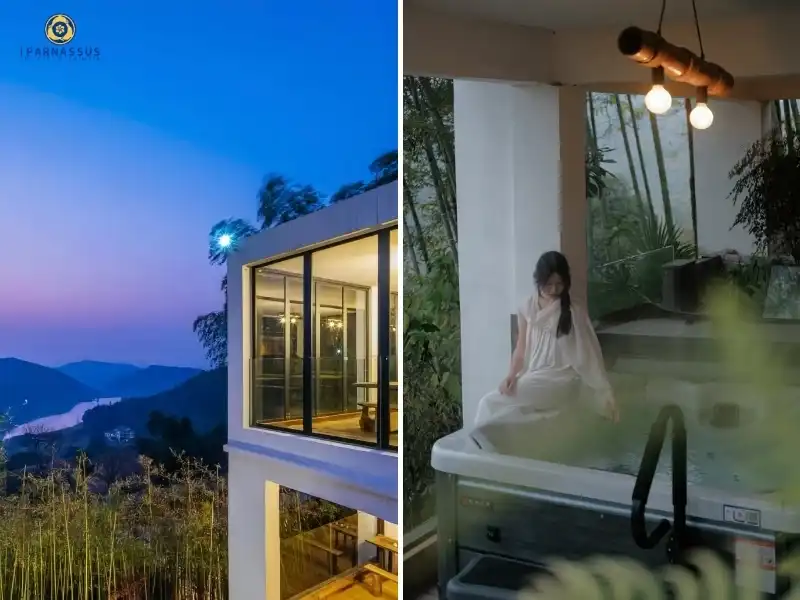
Financing and After-Sales Support
When businesses buy things, they usually have set payment terms instead of one-time transactions. Capital-intensive projects can be financed with the help of volume discounts, longer payment terms, and installation deals that come with other items. The fact that a vendor is ready to negotiate shows that they value long-term partnerships over short-term deals.
Professional coordination is needed to set up equipment like a hot tub benefits system that weighs several hundred kilograms and needs changes to the plumbing, electrical wiring, and structure. When suppliers offer "turnkey installation," they take some of the work off of property management teams. However, buyers should check the credentials and insurance coverage of the contractor. Having ongoing technical help is important, especially for smart systems that need software changes. This keeps small problems from becoming major ones that stop operations.
Installation and Maintenance Guide for Large Hot Tubs
Site Preparation Requirements
When it comes to utility capacity and load-bearing calculations, commercial installations are different from residential ones. When the 9R00 unit is full, it weighs about 3,000 kilograms, so the foundation engineering has to take into account the loads that change as guests enter and leave. Supports made of concrete pads at least four inches thick are enough, but structural engineers should check the placement of the deck or roof to make sure it won't fall down in a terrible way.
Three-pump systems need their own designated circuits with the right amount of amperage, which for industrial types is usually between 60 and 80 amps. Licensed plumbers must install GFCI-protected lines that meet the rules in their area, which can be very different from one area to the next. The placement of plumbing connections for fill, drain, and sanitization systems must make it easier to control the chemistry of the water without causing trip hazards or obstructing the way things look.
Maintenance Best Practices
In commercial settings with a lot of foot traffic, water chemistry maintenance needs to be closely watched to stop bacteria from growing and equipment from rusting. Testing for pH and sanitizers every day, shock treatments once a week, and deep cleaning once a month all protect guest health and extend the life of parts. The iParnassus® control system makes this routine easier by setting automatic reminders and letting you check the water quality in real time from your smartphone.
The frequency of filter cleaning goes up with the amount of use—weekly checks catch debris before it hurts circulation. The 9R00's filter housing is easy to get to because it is close to the main seating area. This lets maintenance be done quickly without draining the whole system, which cuts down on downtime during business hours.
Safety Compliance and Troubleshooting
There are strict safety rules for commercial spas that cover things like temperature limits, emergency shutoffs, and cleanliness standards. These needs are met by the 9R00's built-in safety features, such as automatic water shortage protection, temperature control, and the ability to lock from a distance. Professional checks once a year make sure that rules are being followed and find problems before they get worse.
Common technical issues, like heating that doesn't work right or low jet pressure, are often caused by easy fixes, like clogged filters, air locks in plumbing lines, or valves that aren't in the right place. Manufacturers provide troubleshooting tips that maintenance staff can use. However, if problems continue, they should get professional help to avoid voiding guarantees through improper fixes.
Market Overview: Top Large Hot Tub Brands and Models
Leading Manufacturers and Innovations
The commercial spa market is mostly made up of companies with well-known engineering skills and worldwide distribution networks. Based in Shenzhen and with 18 years of experience making spas, iParnassus® is the best of the best when it comes to Chinese spa production, combining cutting-edge technology with a romantic approach to design. Their dedication to building long-term relationships with customers shows in the wide range of warranties they offer and the quick service they provide after the sale.
Smart control systems that change how operations are managed are an example of innovation leadership. The iParnassus® platform lets property managers keep an eye on multiple units from afar, includes automatic self-protection protocols for when the water needs to be changed, and lets you add an energy-efficient heat pump that cuts monthly operating costs by measurable percentages.
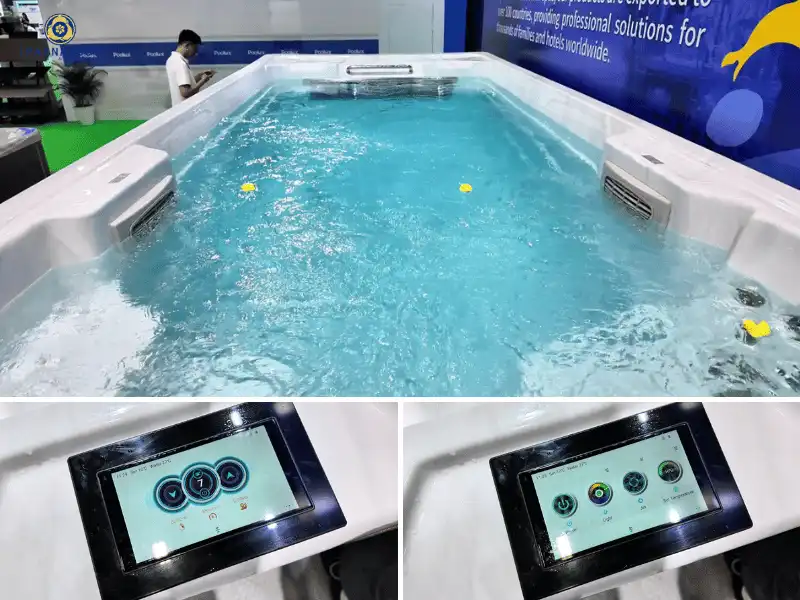
Feature Comparison for Commercial Buyers
When comparing top models, jet technology is still the main thing that sets them apart in terms of speed. The 9R00 has 101 jets, each powered by three pumps. Each pump delivers 33 jets, which is more than the industry standard and keeps the pressure the same in all seating positions. This engineering achievement shows advanced hydraulic design that isn't found in consumer goods.
Heating economy for a huge hot tub affects both how guests feel and how much it costs to run the business. These days' systems hit their goal temperatures 25–30% faster than older ones did, and they stay stable even when they're being used a lot. The quality of the insulation determines how well heat is retained. Premium multi-layer foam construction stops thermal loss, which keeps heating systems running all the time.
Sustainability and Premium Positioning
Developers can choose lighting colors, shell finishes, cabinet materials, and built-in features that match building themes thanks to the freedom of customization. The 9R00's 24-light system and two waterfalls create visual drama that's appropriate for high-end resorts. It also has useful features like handrails and strengthened steps that meet accessibility standards.
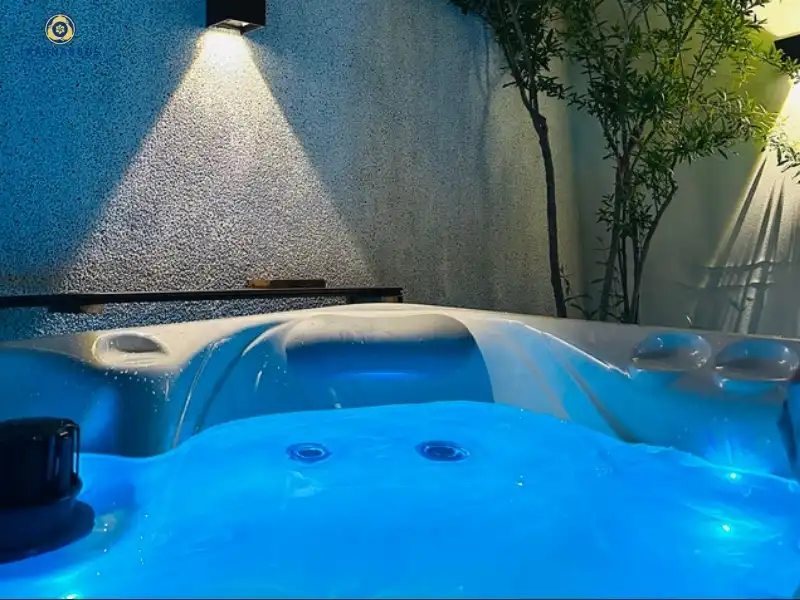
More and more, buyers who care about the environment want to see proof of environmental credentials. Pumps that use less energy, building materials that can be recycled, and circulation systems that use less water all meet corporate sustainability requirements without lowering the luxury positioning. Certifications from several international groups show that different markets are following changing environmental rules.
When you combine the large water capacity (2,540L), wide coverage of jets (101 jets), unique visual elements (dual waterfalls), and proven durability (six international certifications, 30+ patents), you get a clear advantage that protects your profit margins when bidding against other companies.
Procurement and Supply Chain Considerations for Large Hot Tubs
Sourcing Strategies
Instead of going through consumer retail outlets, commercial buyers usually find what they need from specialized sellers with experience in the hospitality industry. Online platforms can't match the consultation services that dealer networks offer, but direct manufacturer relationships are better for projects with more than one unit.
The best types are more expensive. Instead of base equipment prices, which reflect the real costs of making the product, you can negotiate about shipping terms, bundles of installation services, and extended guarantee packages.
Service Factor Evaluation
Warranty coverage shows that the maker trusts the quality of the building and the dependability of the parts. Shells and equipment with full warranties that last longer than three years are meant to last as investments, while products with limited warranties are meant for lighter residential use. Making it clear what the warranty covers—labor, parts, and service calls—ahead of time will help avoid unpleasant surprises when problems happen.
Specialized business equipment usually takes 8 to 12 weeks to arrive after an order is confirmed, but sellers who keep stock in their own regions can speed up the process. When buyers sign a contract, they should make sure that international shipping is included in the details of how to clear customs, pay import taxes, and handle the last mile of operations.
Customization and Volume Purchasing
Professional installation services get rid of the problems that come with coordinating multiple trade contractors. Allowances, site preparation, equipment placement, utility connections, and startup commissioning are all taken care of by turnkey providers as a package. However, buyers should make sure that the contractor's qualifications and insurance coverage levels match the risks of the project.
Large-scale projects benefit from the ability to customize, which makes sure that the brand is consistent across all sites. Specifying shell colors, cabinet finishes, and built-in features while the product is being manufactured saves money compared to making changes after delivery, and quality control can be done in the plant.
When projects need more than one unit, buying in bulk can get better prices and better service terms. When hotel chains, resort developers, and spa distributors commit to buying more than one unit, they can get better per-unit prices, longer payment terms, and dedicated technical support that buyers who only buy one unit can't get. Setting up long-term relationships with suppliers helps properties stay consistent as they grow or need to update equipment.
Conclusion
When choosing high-end hydrotherapy tools for business use, you need to carefully look at the technical specs, operational needs, and vendor skills. The things that are talked about in this guide give buying workers a way to compare options and make smart investment choices. Large Hot Tubs with exceptional capacity, cutting-edge hydrotherapy systems, and opulent aesthetics become strategic assets rather than just nice-to-haves as the hospitality and wellness industries continue to prioritize guest experience differentiation. As we move toward smart control systems, energy-efficient operation, and sustainable construction, commercial spa purchases are more in line with larger corporate responsibility requirements and provide real operational benefits.
FAQ: Common Questions About Large Hot Tubs
1. What is the typical lifespan of a commercial-grade hot tub?
If you take good care of your commercial hot tub and buy one that is built well, it should last between 10 and 15 years of heavy use. Premium models' plastic shells don't crack or fade as quickly as shells made of cheaper materials, and the strong pump and heater systems can handle daily use that would destroy residential-grade parts in five years.
2. How do modern units compare to older models in energy efficiency?
When compared to models made ten years ago, insulation, heating systems, and smart controls that use less energy have come a long way. Programmable temperature control, efficient circulation pumps, and better thermal retention all lower monthly running costs by a large amount while meeting tougher environmental standards around the world.
3. What maintenance schedule ensures optimal performance?
In commercial settings, hygiene standards are kept up by testing the water chemistry every day, inspecting and cleaning the filters once a week, doing a deep clean once a month, and having a professional service call every three months. When compared to manual care, smart systems with automated tracking and remote management require less work. However, sites with a lot of foot traffic need to pay close attention to water quality.
Partner with iParnassus® for Commercial Spa Solutions
There are 18 years of experience making iParnassus® products, including hot tubs, swim spas, and cold plunge systems, and they are ready to help you with your business hydrotherapy projects. Our 9R00 Party Spa is an example of the high level of engineering and attention to luxury details that make commercial-grade equipment stand out. We know the unique challenges you face when you're buying things because we're a trusted Large Hot Tub seller to the hotel, real estate, and marine industries in North America, Europe, and other places. Get in touch with our team at info@iparnassus.com for full details, personalized quotes, and advice on how to include high-quality hydrotherapy options in your future projects.

References
1. Commercial Spa Equipment Standards and Safety Guidelines, International Association of Plumbing and Mechanical Officials, 2023 Edition
2. Hydrotherapy Benefits in Corporate Wellness Programs: A Comprehensive Study, Journal of Occupational Health Psychology, Volume 28, 2024
3. Energy Efficiency Benchmarks for Commercial Aquatic Facilities, American Society of Heating, Refrigerating and Air-Conditioning Engineers, Technical Manual 2024
4. Hospitality Industry Equipment Procurement Best Practices, Hotel Management International, Industry Report 2024
5. Comparative Analysis of Spa Manufacturing Quality Standards Across Global Markets, International Spa Association, Research Paper Series 2023
6. Life Cycle Cost Analysis for Commercial Hydrotherapy Equipment, Facilities Management Journal, Special Issue on Wellness Infrastructure, Winter 2024

Send Inquiry