_1768872582663.webp)
Hot Tub Therapy vs. Hydrotherapy: What’s the Difference?
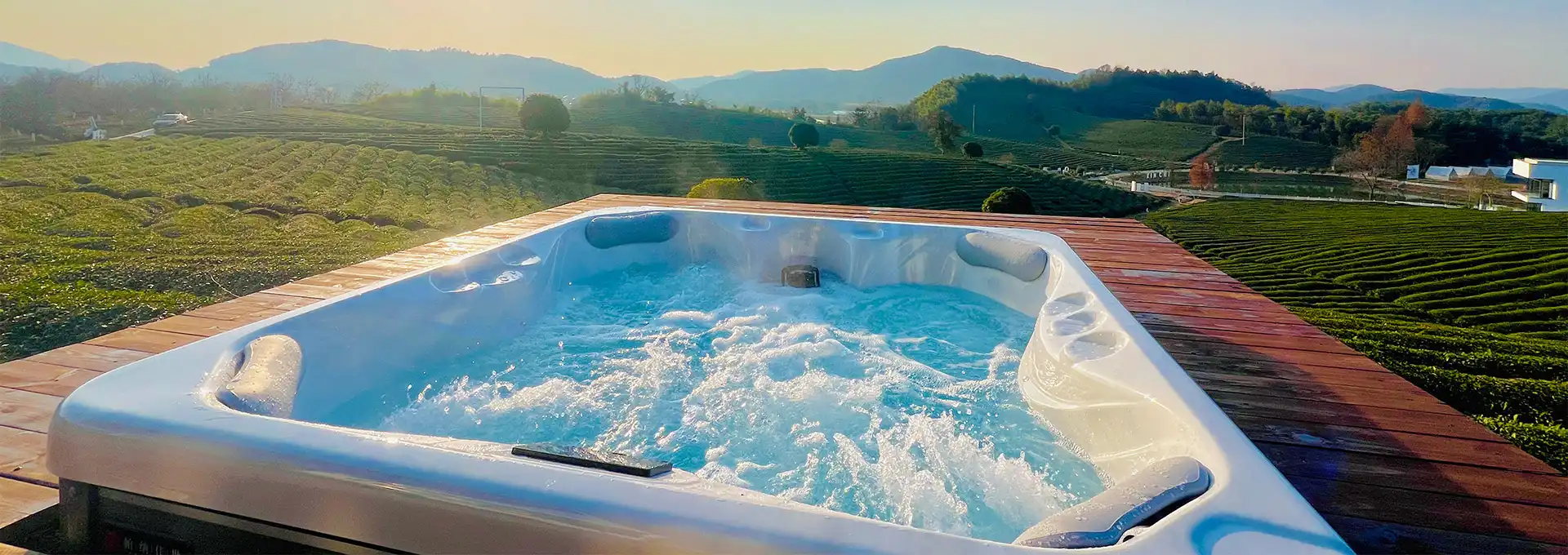
If you've ever wondered whether hot tub therapy and hydrotherapy are the same thing, you're not alone. Many wellness buyers, hotel operators, and physical therapy practitioners use these terms interchangeably — but they're not identical. Hot tub therapy refers specifically to soaking in heated, jet-driven water to relieve muscle tension, joint pain, and stress. Hydrotherapy is a broader category that includes contrast baths, aquatic rehabilitation pools, and immersion techniques across variable temperatures. Understanding this distinction helps buyers choose the right equipment for their facilities and their clients' needs.
Understanding Hot Tub Therapy and Hydrotherapy
The origins of these two water-based techniques are similar, but they are used for diverse objectives in clinical, hospitality, and residential contexts.
What Is Hot Tub Therapy?
The treatment of hot tubs comprises prolonged immersion in water that is heated to a temperature that is normally between 100 and 104 degrees Fahrenheit, and it is paired with massage jets that are pressurised and target particular muscle regions. A research that was conducted in 2021 on the therapeutic elements of hydrotherapy found that jet massage simultaneously enhances blood circulation and reduces stress in soft tissue. Because of this, it is particularly useful for those who suffer from arthritis, elderly people who are managing chronic pain, and anybody who is dealing with postural stress on a regular basis.
What Is Hydrotherapy?
For example, aquatic physical therapy, contrast immersion (alternating heat and cold), underwater treadmills, and Watsu massage are all examples of hydrotherapy therapies. Hydrotherapy embraces a larger spectrum of water-based treatments. Rehabilitative facilities and sports medicine clinics routinely use these techniques to hasten the healing process after surgical procedures and injuries sustained in sporting competition. Water is a suitable medium for low-impact physical therapy because of its buoyancy alone, which decreases effective body weight by around 90 percent.
Where They Overlap
Both methods are dependent on heat, buoyancy, and water pressure in order to provide advantages for the body's physiological system. Both of these treatments have been shown to have established benefits that include pain relief, better circulation, decreased cortisol levels, and relaxation of the muscles. As a result of the overlap, high-quality swim spas and treatment tubs are able to bridge the gap between the two worlds by providing open swim or exercise areas simultaneously with jet massage zones inside the same unit.
Core Differences Between Hot Tub Therapy and Hydrotherapy
If procurement experts have a thorough understanding of how each approach operates, they will be able to match equipment to its intended application without incurring unnecessary costs or being undersourced.
Temperature and Water Movement
As a result of the majority of the water being calm and the focused jet streams, hot tubs maintain a consistent and high temperature. It is common for hydrotherapy clinics to feature pools with varying temperatures, such as cold plunge tanks that may reach temperatures as low as fifty degrees Fahrenheit. Moreover, they could contain water routes that move, which are used for muscle training. Physiological reactions might vary depending on the temperature profile taken into consideration. As an example, heat induces blood vessels to expand and muscles to relax, while cold lowers inflammation and speeds up the healing of cells.
Equipment Types and Installation
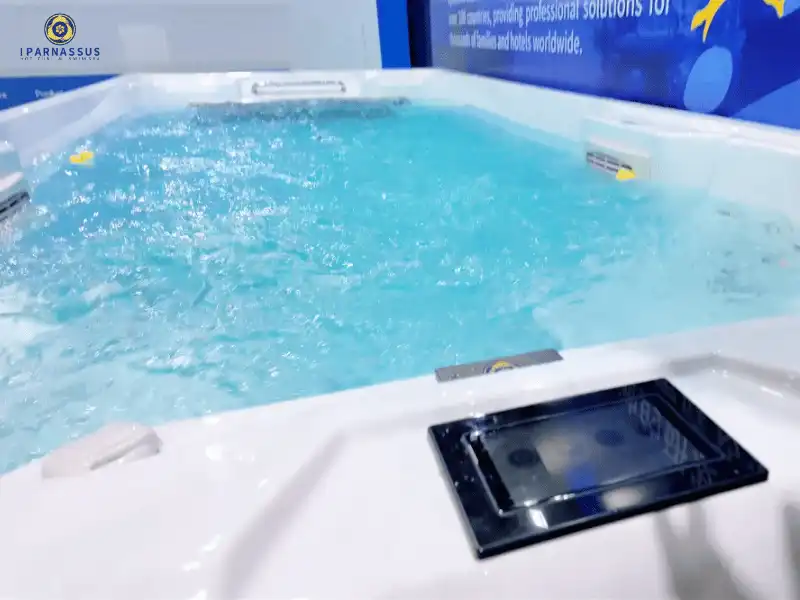
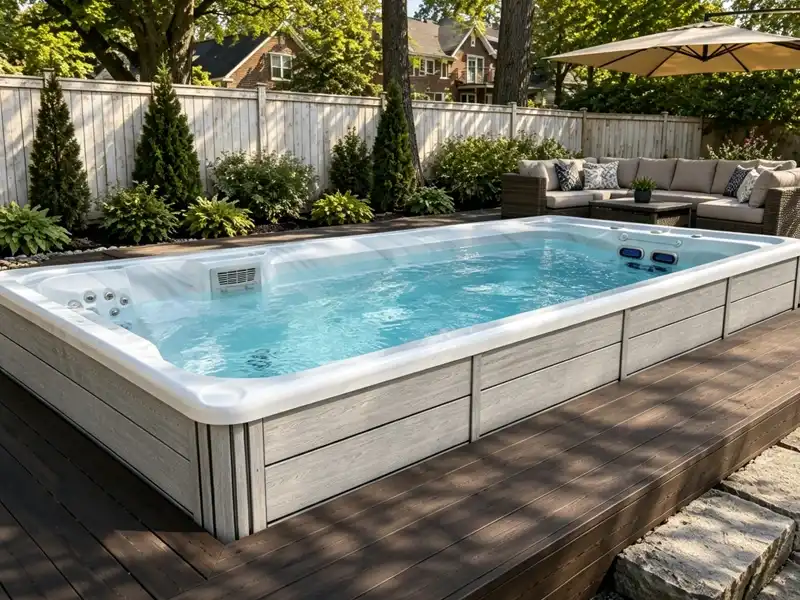
A normal hot tub therapy set-up includes a sealed shell made of acrylic or composite, a pump system, a jet array, and a heating unit. Commercial hydrotherapy centers might need their own pools, underwater treadmill lanes, resistance jets, and medical-grade water filtration. The cost of installation and the amount of room needed are very different, which affects both the initial investment and the ongoing costs. Two-in-one swim spas are a good compromise for medium-sized to big wellness or hospitality companies.
Therapeutic Mechanisms and Outcomes
A hot tub's jet treatment works on soft tissues, frees up nerves, and helps the lymph flow. A 2019 study in the Journal of Physical Therapy Science showed that four weeks of warm water soaking with jet pressure were very effective at lowering lower back pain scores. Hydrotherapy methods, such as water training, also improve cardiovascular stamina and muscle strength in ways that a regular hot tub cannot.
Evaluating Hot Tub Therapy vs. Hydrotherapy for Procurement
There is more to the process of making judgments in this kind of buying than just comparing the characteristics of the products. The total cost of ownership takes into consideration the performance of operations, the dependability of suppliers, and the amount of money that is spent on maintenance over the long term.
Before agreeing to a purchase, the following primary features should be taken into consideration by B2B buyers:
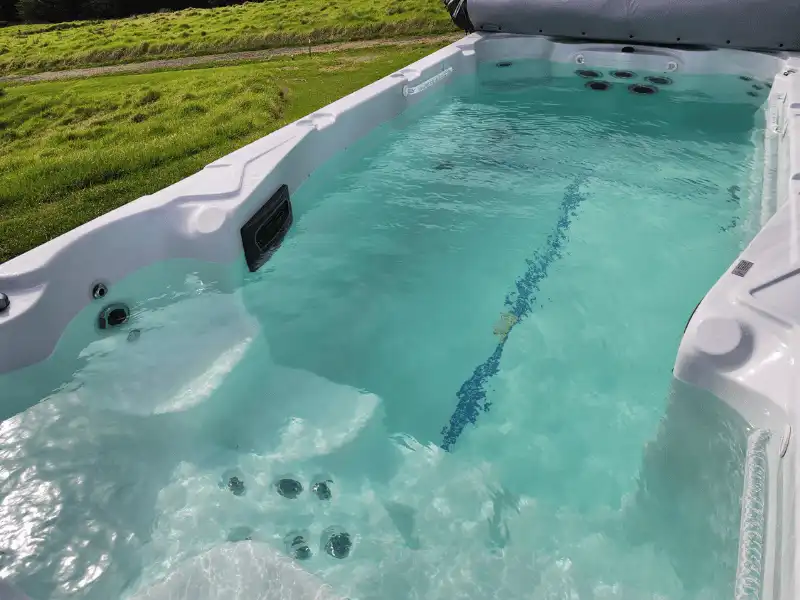
- An increased jet-to-seat ratio results in more comprehensive therapeutic coverage. Jet count and positioning are also important. Taking the iParnassus® 3D80 swim spa as an example, it has a total of sixty jets that are distributed over three seats, which is the largest ratio of jets per seat in its product line. These jets are driven by four specialised pumps, which ensure that the pressure remains steady during the whole session.
- Two massage chairs and one swim current zone are included in the 3D80's dual-function configuration, which enables it to be used for a variety of functions at the same time. In settings such as hotels, spa centers, and vacation rentals, where numerous guests may have various priorities at the same time, this structure is suitable.
- Standard tubs almost seldom come equipped with integrated smell diffusion, which is a capacity for aromatherapy. A crucial distinction in premium wellness solutions is the ability of facilities to conduct multi-sensory relaxation sessions, which may be accomplished with the help of units that are compatible with aromatherapy.
- In commercial management systems, the integration of hotel central management enables operators to remotely monitor and operate various units, therefore lowering the amount of manpower that is required and ensuring that guests continue to have consistent experiences.
- Efficiency in shipping: The 3D80 can accommodate up to six units inside a 40HQ container, which immediately decreases the expenses of logistics for distributors and large-scale purchasers that source from numerous places.
By combining these criteria, we are able to determine whether or not a product satisfies both the therapeutic standard and the practical requirements of a corporate environment. When procurement teams consider jet coverage, management features, and the potential to be utilised for two distinct purposes, they will discover that swim spas with proven specifications have a longer lifespan than equipment that is only used for one thing.
Use Case Scenarios and Success Stories
Seeing how other people have used these tools gives you more confidence in the decisions you make about buying.
Corporate Wellness Programs
As part of their health benefits for employees, a number of U.S.-based corporate wellness programs have added hot tub therapy stations. Facilities say there have been noticeable drops in sick days due to chronic back pain. The National Center for Biotechnology Information says that about one-third of American people experience this illness every year. Workers say that regular sessions help them sleep better, feel less anxious, and be more physically comfortable.
Rehabilitation Centers
Professional rehabilitation centers use aquatic therapy to help people recover from surgery, treat neurological problems, and treat sports injuries. Facilities that added swim spas with both resistance swim zones and therapy jet seats said they were able to treat a wider range of patients without having to build separate pools. Being able to handle multiple users at once made it easier to make appointments and brought in more money for the facility.
Boutique Hotels and Vacation Rentals
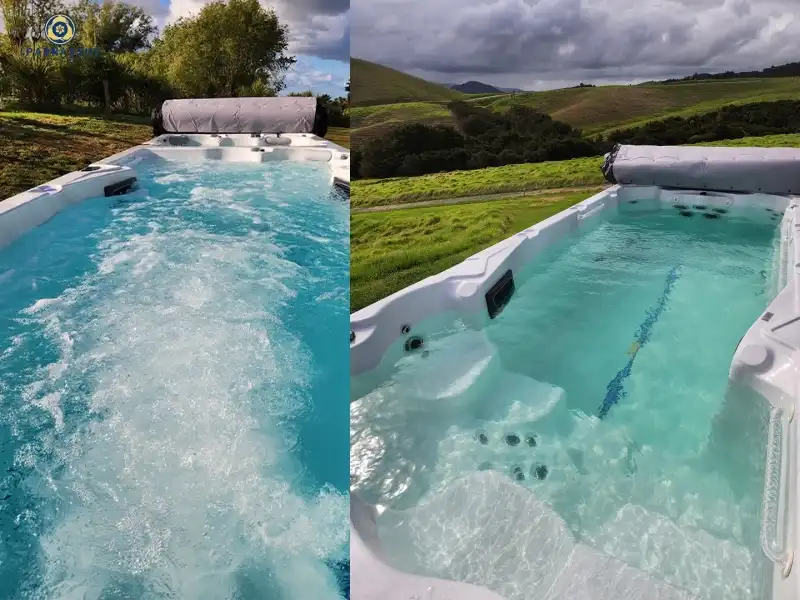
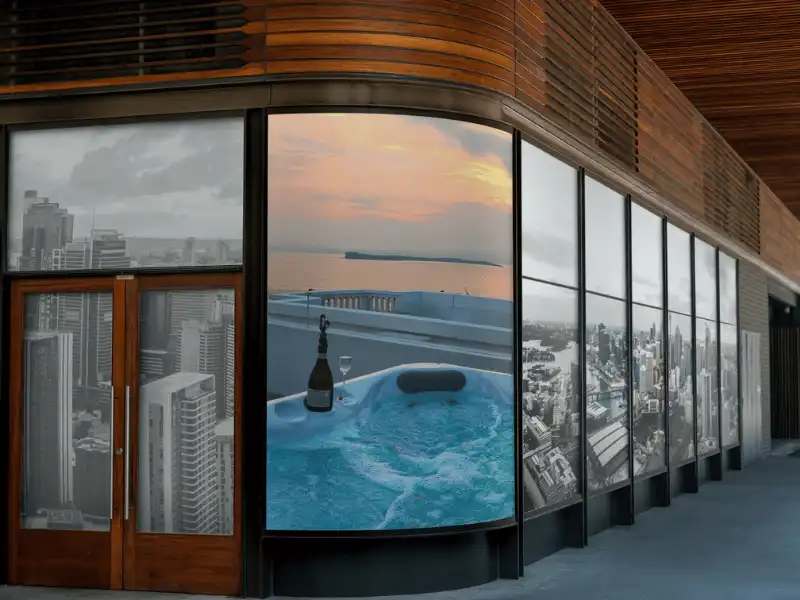
Boutique hotels in wellness tourism markets have added spa units to premium room packages, which has led to higher nightly rates and higher guest satisfaction scores. These properties have a unique look that shoots well and brings in bookings thanks to features like illuminated waterfalls, built-in ice buckets, and visual safety signs, such as the blue floor indicators on the 3D80.
Best Practices for Implementing Hot Tub Therapy and Hydrotherapy
When done right, adoption saves both the investment and the people who will use it.
Temperature and Session Guidelines
For normal adult use, the CDC says to keep hot tub temperatures at or below 104°F. Exercises of 15 to 20 minutes are good for most adults, but older adults or people with heart problems should do shorter exercises. Operators should put up clear instructions on how to use the equipment and make sure that the automatic temperature controls are regularly adjusted and tested.
Maintenance and Water Quality
NSF/ANSI Standard 50 for recreational water equipment says that commercial facilities should test the chemistry of the water every day. Automatic self-cleaning and security functions, which come with iParnassus® control systems, make it easier to keep the water clean without having to do as much work by hand. Smartphone-based remote monitoring also lets staff keep an eye on water levels and the status of each unit in real time, without having to go to each one in person.
Staff Training and Safety Features
The people who run the facility should teach their employees how to adjust the jets, refill the aromatherapy, and shut down in an emergency. Built-in safety features like shutoffs for high temperatures and water shortages and automatic self-protection programs that run when you enter and leave the building lower your liability. There are physical safety features on the 3D80, like the bright blue floor marker lines, that help people, especially older guests or first-time users, stay safe while they navigate.
Conclusion
In a single well-designed facility, hot tub therapy and hydrotherapy can be used together to achieve different therapeutic goals. Buyers can make purchases that meet their operational needs when they understand the differences between things like temperature ranges, jet mechanisms, equipment types, and commercial uses. If you are in charge of a rehab center, a resort, or a holiday rental, you should choose equipment that has certified jet coverage, dual-function layouts, and smart management capabilities. This will help your facility run well for a long time and keep guests happy.
FAQ
1. Can hot tub therapy and hydrotherapy be combined in one facility?
Yes. The iParnassus® 3D80 is one example of a modern swim spa that has both a massage jet zone and a resistance swim area in one unit. This means that facilities don't have to install any extra equipment to offer targeted jet massage and low-impact aquatic exercise.
2. Are there risks associated with regular hot tub use?
Yes, but it's doable. Long-term exposure to temperatures above 104°F can make you feel dizzy, dehydrated, or put stress on your heart. People who are pregnant, have heart problems, or are young children should talk to a doctor before using. Keeping the chemistry of the water in the right range also stops bacteria from growing and reduces skin irritation.
3. How do I choose the right equipment for my facility's needs?
First, make a list of your main user description and therapy goals. Focus on the number of jets, where they are placed, and the pump power if you want to target specific muscles. Dual-function setups with high jet-to-seat ratios are best for places where multiple people need to use the facility at the same time. For business buildings, units that can be managed remotely and have good shipping specifications should be given the most attention.
4. What certifications should I look for in a commercial-grade spa?
Check to see if it meets NSF/ANSI Standard 50, UL or CE electrical certifications, and ISO standards for manufacturing. Commercial buyers have more faith in suppliers who have clear testing data and patents that can be proven.
Discover iParnassus® Hot Tub Therapy Solutions for Your Facility
Over the past 18 years, iParnassus® has been designing and making spa equipment that meets the needs of buyers in North America, Europe, Australia, and the Middle East. Our 3D80 swim spa is a trusted hot tub therapy provider for hotels, rehab centers, and wellness properties. It has 60 jets spread out over three specially designed seats, is driven by four pumps, and can be used for aromatherapy. It can also be managed remotely and is smart. To get a catalog of our products, email us at info@iparnassus.com.

References
1. National Institute for Health and Care Excellence (NICE). Chronic Pain: Assessment and Management. 2021.
2. Becker, B.E. Aquatic Therapy: Scientific Foundations and Clinical Rehabilitation Applications. PM&R Journal, 2009.
3. Mooventhan, A., & Nivethitha, L. Scientific Evidence-Based Effects of Hydrotherapy on Various Systems of the Body. North American Journal of Medical Sciences, 2014.
4. Verhagen, A.P., et al. Balneotherapy for Rheumatoid Arthritis. Cochrane Database of Systematic Reviews, 2015.
5. Kamioka, H., et al. Effectiveness of Aquatic Exercise as Intervention for Chronic Low Back Pain. Journal of Physical Therapy Science, 2019.
6. Centers for Disease Control and Prevention (CDC). Healthy Swimming: Hot Tubs and Spas. 2022.

Send Inquiry