_1768872582663.webp)
How to install a 3 Seater Hot Tub?
Installing a 3-seater hot tub involves careful site preparation, ensuring a level concrete foundation (minimum 4 inches thick with reinforcement), coordinating certified electrical work for proper voltage supply, and establishing reliable plumbing connections with thorough leak testing. Compact models typically measure around 218cm in length, making them ideal for space-conscious installations in hospitality venues, private residences, and yacht applications. With proper planning and adherence to local safety codes, your three-person spa will deliver years of reliable hydrotherapy performance.
Introduction
There has been a huge rise in demand for small hydrotherapy solutions in business-to-business (B2B) markets, especially among hotel managers, resort developers, and owners of high-end homes. 3 Seater Hot Tubs are a smart investment for businesses that want to improve the guest experience without spending too much or having too few spaces. Unlike larger installations, these units provide enough therapeutic benefits for small groups while still being easy to use.
Installing things correctly is the first step to making sure that equipment lasts as long as possible, that upkeep costs are kept low, and that guests are safe. This guide talks about the practical issues that purchasing managers and facility engineers face when they have to find a good balance between low prices and long-term dependability. We focus on models with 21 to 24 massage jets, plastic construction from the USA, and two ozone and UV sterilisation systems—specs that meet the needs of the entry-level luxury market. Whether you're installing things on the deck of a boat or the terrace of a small hotel, knowing the basics of installation saves your investment and speeds up the project timeline.


Understanding the Installation Process of a 3 Seater Hot Tub
Spatial and Structural Considerations
Before the unit is delivered, check to see if the spot can fit a unit that is about 218 cm long. When they are empty, most 3 Seater Hot Tub types weigh between 350 and 450 pounds. When they are full of water (usually 220-230 gallons) and people, the total weight is around 2,500 to 3,000 pounds. This big of a load means that floor joists, deck strengthening, or ground pressure need to be carefully looked at. For indoor installations, making sure there is enough airflow to control humidity is important. For outdoor installations, thinking about drainage patterns and making sure maintenance technicians can get to them are also important.
Regulatory Compliance and Safety Standards
In North America and Europe, local building codes are very different from one another. For 240-volt lines, which are popular in spas, electrical setups always need permits and the help of a qualified worker. Ground fault circuit interrupters (GFCI) are safety features that can't be skipped. A barrier fence is required by law in many places, especially for businesses that serve families with children. Before choosing a provider, make sure you check the approval standards, like CE marking for European markets or ETL listing for North America. This will help you avoid delays in meeting compliance requirements.
Anticipating Installation Challenges
Power supply problems often come up out of the blue as problems for hot tubs in a pool. The current electrical panels might not be able to handle the 3HP pump systems that make hydrotherapy work. The cost and difficulty of plumbing depend on how close it is to water sources. Certain insulation measures or seasonal rules are needed because of things in the environment, like the risk of freezing in northern climates. By hiring qualified professionals early on in the planning phase, these problems can be found and fixed before they become too expensive to fix in the middle of the project.
Step-by-Step Guide to Installing Your 3 Seater Hot Tub
Selecting the Optimal Location
When picking an installation site, make sure it's convenient for guests and works well for your business. Placements inside provide climate control and privacy, but they need strong systems to handle moisture. Outdoor installations can add atmosphere, but they need to be weatherproofed. Check how close the building is to existing power lines, how guests usually move around, and how well it fits in with the architecture around it. For yacht setups, talk to naval builders about how to distribute weight and make sure there are safe ways to keep things in place that allow the boat to move.
Foundation Preparation
A solid base keeps structures from breaking and equipment from not working. Pour a slab of concrete that is at least 4 inches thick and support it with rebar or wire mesh. This is the gold standard. The surface must be perfectly level; even small dips make the water flow unevenly and wear out the pump faster than it should. For deck installs, check with structural experts to make sure the deck can hold the weight. Some properties do well with concrete pavers on top of compacted crushed rock bases, but this method needs to be carefully graded. Do not put units directly on the ground; settling will damage the shell and plumbing connections.
Electrical and Plumbing Coordination
Work with licensed electricians who know how to set up spas. The 3HP pump and heating elements are reliably powered by a dedicated 240-volt line with the right voltage (usually 40 to 50 amps). Putting the electrical panel within 50 feet of the spa reduces voltage drop and the cost of installation. For pipes, set up a separate water line with shut-off valves that make it easy to fill up and store for the winter. Connect drains so that water flows away from the substructure and planting. Before deciding where to put the equipment, make sure there are no leaks. If there are any, water damage could be expensive.
Positioning and Securing the Unit
Once the base has hardened and the utilities are ready, carefully place the hot tub using the right moving tools. Models with built-in handgrips next to sitting places make it easier for users to get in and out, but they need to be oriented correctly. Make sure that the lounge seat, which has jets for the back, legs, and feet, faces the right way. Since recessed leg jets keep limbs submerged, making sure the water level is right is important for this feature to work as it should. Secure the unit according to the manufacturer's instructions, paying special attention to the wind resistance needs for installations on rooftops or along the coast.
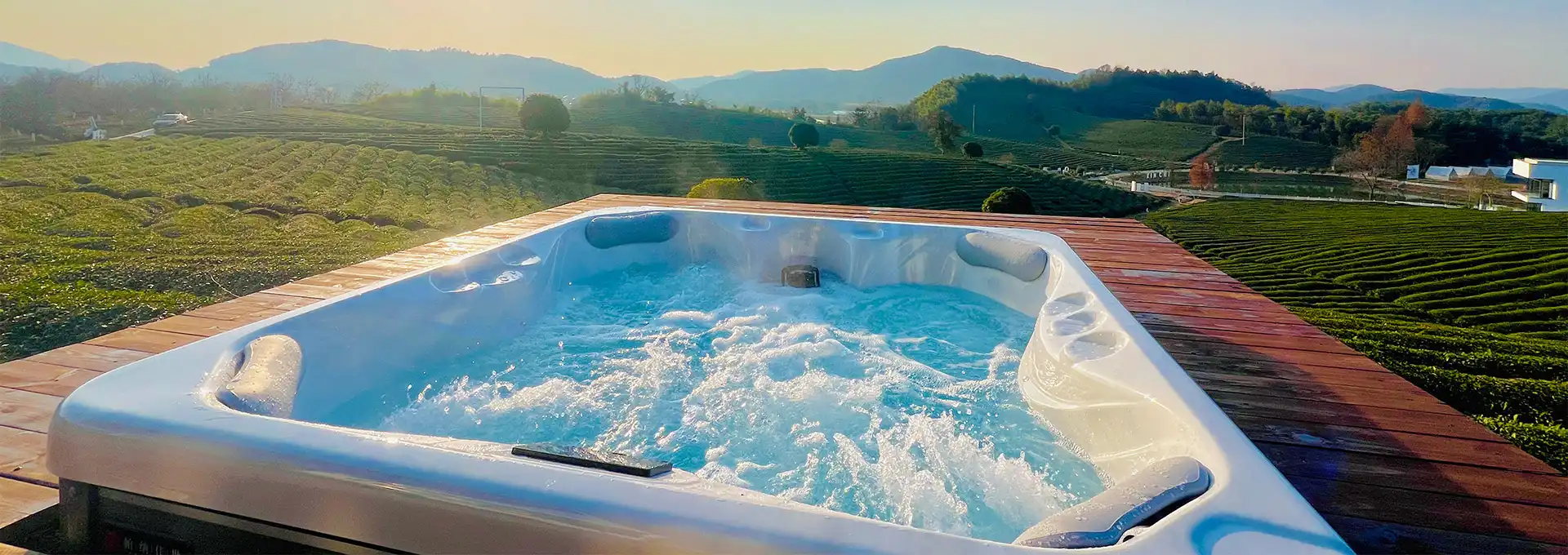
When installed correctly, modern 3 Seater Hot Tub models with 21 massage jets and illuminated fountain features make for interesting guest experiences. When combined with ambient lighting and strong hydrotherapy pressure, small areas can become memorable wellness spots.

Maintenance Tips Post-Installation for Longevity and Efficiency
Routine Care Protocols
Setting up regular maintenance schedules for ahot tub in a pool will protect your investment and keep your guests happy. Depending on how often they are used, filter refills need to be checked every two weeks and replaced every three months. Quality 3 Seater Hot Tub units usually have two ozone-UV sterilisation systems that make chemical use much less necessary, but water testing should still be done every week. Keep an eye on the sanitiser levels and pH levels (aim for 7.4 to 7.6) to stop scale buildup and microbial growth. Write down all of your repair tasks so you can find trends and find the best service intervals.
Seasonal Considerations
For setups in northern climates, the spa needs to be completely winterised before it can be used again in the spring. To avoid freeze damage, drain all the water from the pipes, pump housings, and fans. Take out and clean the filter cartridges before putting them away. For year-round use, insulated covers and the right size heaters keep them working well even when temperatures are very high or very low. Temperature management that saves energy is especially important in European markets. For example, keeping water at 38°C (100°F) instead of higher temperatures lowers operating costs without affecting the therapeutic benefits.
Smart Monitoring Integration
iParnassus® control systems are a good example of how technology can help with maintenance. Smartphones that can connect to the internet let you check on water levels and operations from anywhere at any time. With remote water management, staff can start heating cycles before guests arrive or drain units for maintenance without having to physically get to them. Automatic reminders to add more water keep pumps and heaters from being damaged by low water levels. These smart features lower the cost of labour while maintaining consistent performance, which is very important for hospitality companies that manage spa installations across multiple properties.

Troubleshooting Common Issues
Knowing how to solve common problems faster and with less downtime is important. When jet pressure drops, it's usually because filters are clogged or air locks are in the water lines. Heating problems can happen when switches trip, temperature monitors stop working, or scale builds up on the elements. If the chemical balance is correct but the water is cloudy, it means that the filter cycle is too short or the cartridge needs to be replaced. Smartphone diagnostics can find many problems from a distance, but for more complicated repairs, you should get to know qualified service technicians. Warranty coverage varies a lot between suppliers, so this is an important thing to think about when buying something.
Choosing the Right 3 Seater Hot Tub for Your Business Needs
Comparing Capacity Options
When space is limited, 3 Seater Hot Tub setups work best because they don't take up as much room. The short 218 cm length fits normal terrace sizes and boat deck layouts that don't have room for five- or six-person options. Installation gets easier as the unit size goes down—less foundation reinforcement, easier utility connections, and less coordination with delivery are all things that happen less often with smaller units. But carefully look at how things are used. Properties that host bigger groups may find that slightly bigger models give them a better return on investment by giving them more space without charging a lot more.
Build Quality Assessment
The building materials have a big effect on how long something lasts and how much upkeep it needs. Acrylic shells from the USA are much more resistant to fading, cracking, and chemical breakdown than cheaper materials. This durability is especially useful in commercial settings with a lot of foot traffic, where daily guest turnover speeds up wear. When you combine the 3HP pump systems with the 21 carefully placed jets, you get healing pressure that inflatable options can't match. Hard shell building also provides better insulation, which lowers energy use—an important factor to consider when handling multiple units across resort sites.
Supplier Selection Criteria
Buying from certified makers with a history of reliability lowers the chance of buying something. Check to see if any potential suppliers have ISO quality certifications and offer full warranty coverage. With 80 patents and 18 years of industrial experience, iParnassus® is a leader in its field. Their sites are in markets in Europe, North America, and the Asia-Pacific region, showing that they can work in a variety of regulatory and weather situations. During the evaluation phase, ask for detailed documentation of the electrical requirements, plumbing needs, and suggested maintenance schedules. Transactional vendors aren't nearly as valuable as suppliers who offer help after the installation, such as teaching staff on control systems and regular maintenance procedures.
Case Study: Successful Installation of 3 Seater Hot Tubs in a European B2B Environment
A small hotel chain with five sites in Scandinavia needed small hydrotherapy options that would appeal to guests and be easy to use. Standard five-person installations weren't possible at their historic properties because of a lack of space, and they had to be competitive with prices without lowering quality standards. The buying team chose units with easier-to-use controls because guests had complained about confusing control screens at competing properties.
Each location's installation had its own unique problems. Two of the homes had rooftop patios that were limited in weight, which meant that engineers had to be consulted and the foundations had to be strengthened. Coastal areas needed materials that wouldn't rust and better ways to keep things in place against the winds from the North Sea. The certified supplier worked closely with local contractors and gave them detailed electrical specifications that made it easier to get permits. Custom plumbing solutions were made to meet the specific drainage needs of each property.
The 3 Seater Hot Tub models that were put into use had 21 massage jets, ergonomic lounge seating, built-in handgrips for user safety, and lit fountain features that made the atmosphere nice. Compared to the hotel group's old chlorine-heavy systems, dual ozone-UV sterilisation required a lot less upkeep work. Property managers could keep an eye on several units from afar using their smartphones to control them, change the temperatures before times of high use, and get repair reports before they happened.

The response from guests was better than expected, and spa features started to stand out in online reviews. Due to reliable equipment and easier water management systems, maintenance costs stayed 30% below what was expected. Since then, the hotel group has ordered the same units for three more properties, citing consistent installation and quick responses from the supplier as important reasons for their continued partnership.
Conclusion
To install a 3 Seater Hot Tub correctly, you need to plan ahead, choose high-quality tools, and follow professional installation guidelines. Each step, from preparing the base to coordinating the electrical work and following routine upkeep procedures, is important for long-term performance and guest happiness. Small models, about 218 cm long, offer good therapeutic effects through 21 to 24 carefully placed jets, and they can be used in business settings with limited room. The acrylic construction from the USA and the dual sterilisation systems make it last longer and require less maintenance, which are common issues in hospitality settings. Procurement pros minimise risk and maximise return on investment across a wide range of property types and local markets by working with certified sellers who offer full support.
FAQ
1. What location works best for commercial hot tub installations?
The best placement balances how easy it is for guests to get to with how useful it is for operations. Outdoor patios are nice to have because they let in natural light and airflow, but they need to be protected from the weather and considered during certain times of the year. Indoor fitness centers offer privacy and control over the temperature, but they need strong systems to handle moisture. Rooftop installations create high-end experiences, but they need to be checked by structural engineers. When choosing a location, think about how close utilities are, the drainage options, and how easy it will be to do maintenance.
2. How long does typical installation take from delivery to operation?
Standard installs that need to prepare the base take 5 to 10 business days. The concrete needs at least seven days to cure before any tools can be put in place. Having licensed electricians and plumbers do work adds one to two days. Units that are put on existing, reinforced foundations that are close to utilities may be able to start working within 48 hours. Complex projects that need to change the structure or wait for permits add time to the schedule.
3. What financing options support B2B hot tub acquisitions?
A lot of sellers offer business leasing plans that spread out the costs over 36 to 60 months. Financing equipment through specialised lenders can save you money on taxes compared to buying it outright. When hotel groups or sellers order a lot of units, they can get savings for doing so. Talk about payment plans when you're negotiating the purchase of something. Flexible terms can make a project much more likely to happen for businesses that are watching their budgets.
Partner with iParnassus® for Your 3 Seater Hot Tub Needs
iParnassus® has been making high-quality spas for 18 years and can help procurement workers find reliable 3 Seater Hot Tub options. Our small models have 21 strong massage jets, acrylic shells made in the USA, and new dual ozone-UV sterilisation systems that make it easier to keep the water clean. The built-in smartphone control system lets you watch from afar, set automatic maintenance reminders, and run the system in a way that uses less energy. These features lower running costs across all hotel portfolios. We are a well-known 3 Seater Hot Tub seller that serves customers in Europe, North America, and the Asia-Pacific region. We offer full fitting assistance, customisation options, and quick customer service after the sale. Get in touch with our team at info@iparnassus.com to talk about your unique needs and find out how our certified solutions provide great value for marine uses, hotels, resorts, and luxury homes.

References
1. Anderson, M. (2022). Commercial Spa Installation Standards: A Technical Guide for Hospitality Professionals. Wellness Facilities Press.
2. European Committee for Standardization. (2021). EN 60335-2-60: Safety Requirements for Whirlpool Baths and Spa Equipment. Brussels: CEN Publications.
3. Hansen, K. & Lindstrom, P. (2023). Hydrotherapy Equipment Procurement: Best Practices for Hotel and Resort Operations. International Hospitality Journal, 45(3), 112-129.
4. National Electrical Code. (2023). Article 680: Swimming Pools, Fountains, and Similar Installations. Quincy, MA: National Fire Protection Association.
5. Peterson, R. (2021). Foundation Requirements for Commercial Hot Tub Installations: Engineering Perspectives. Structural Design Quarterly, 38(2), 67-84.
6. Williams, T. (2023). Water Quality Management in Commercial Spa Facilities: Ozone and UV Sterilization Technologies. Pool & Spa Maintenance Review, 29(4), 201-218.

Send Inquiry