_1768872582663.webp)
Inground Swim Spa Installation Guide
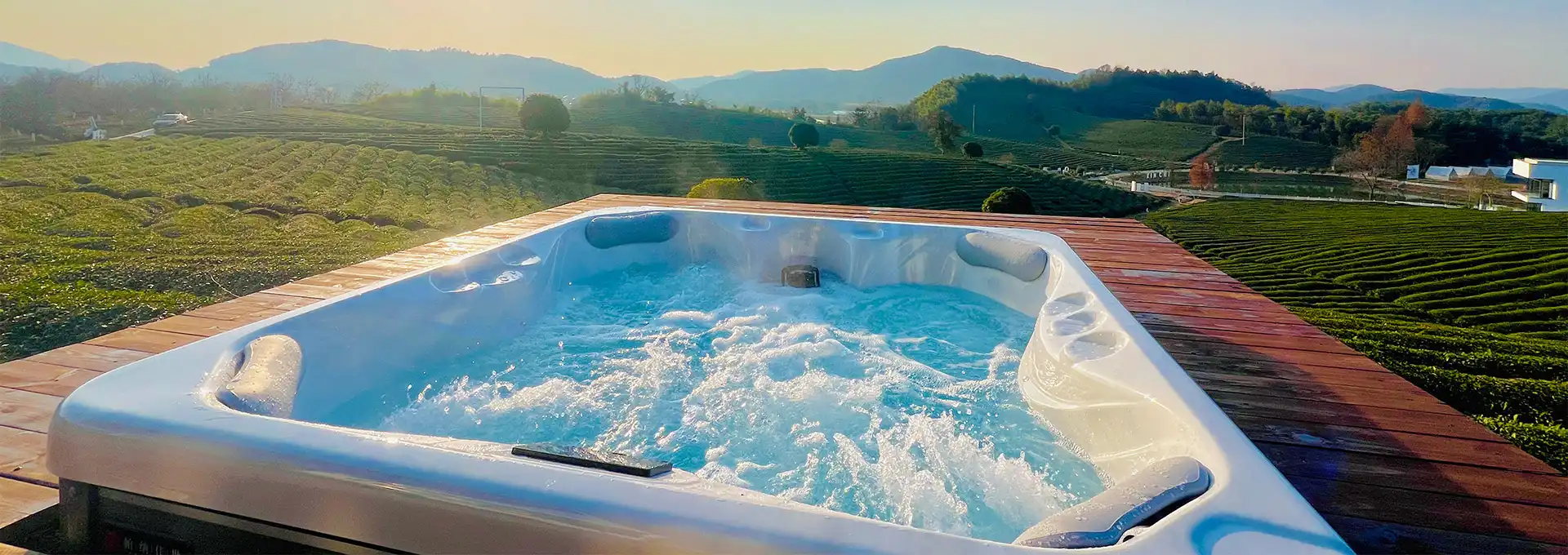
Installing an inground swim spa transforms outdoor living spaces into seamless wellness retreats that combine swimming functionality with hydrotherapy benefits. This comprehensive guide walks custom home builders, landscape architects, and resort designers through every phase of planning and executing flush-mount installations that integrate beautifully into luxury residential and commercial projects. Whether designing for villa owners or hotel developers, understanding the technical requirements and aesthetic possibilities of below-grade installations ensures projects deliver both visual elegance and long-term performance.
Understanding Inground Swim Spas: Key Concepts and Benefits
What Defines an Inground Swim Spa
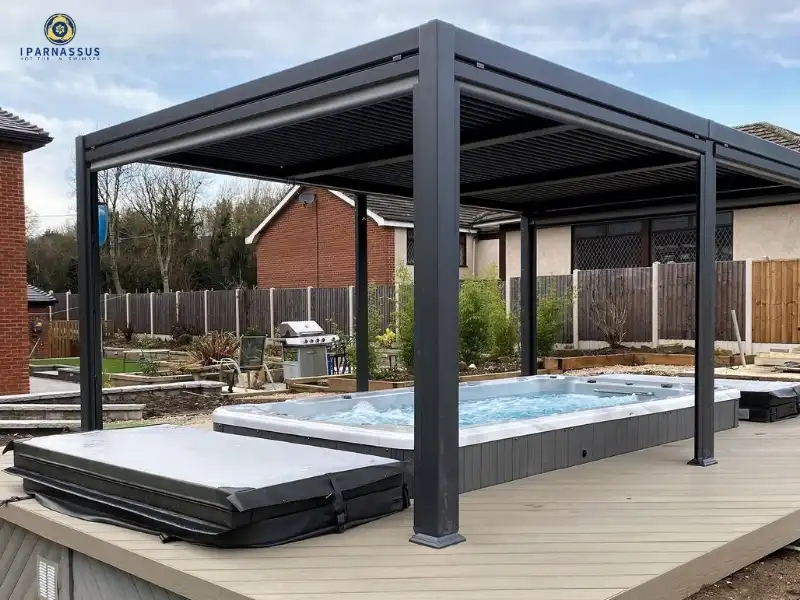
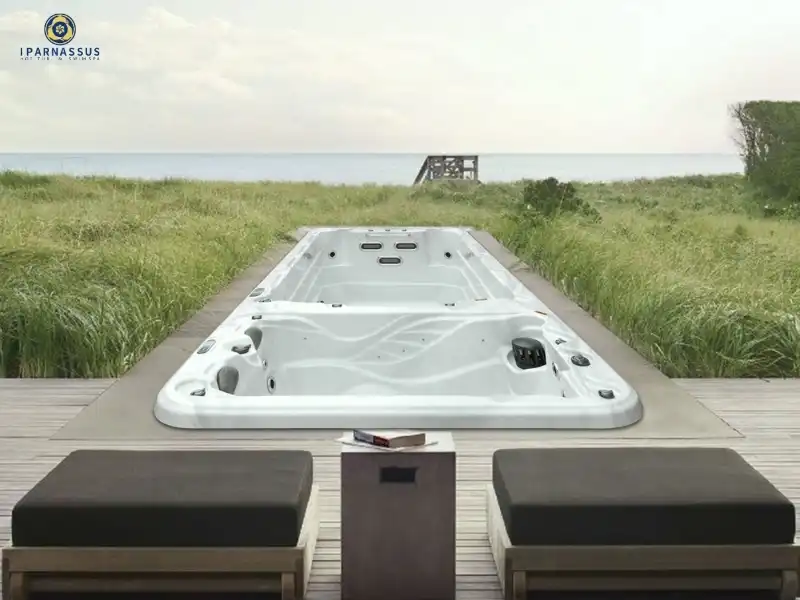
Inground Swim Spas combine small indoor swimming pools with fixed landscaping. These units are recessed partly or fully into the ground, which gives them a low-profile look that goes well with building design. This is different from portable types that sit clearly above ground. The installation hides the mechanical parts while still making them easy to reach. This makes the pools more space-efficient without reducing their usefulness.
Core Features That Set Premium Models Apart
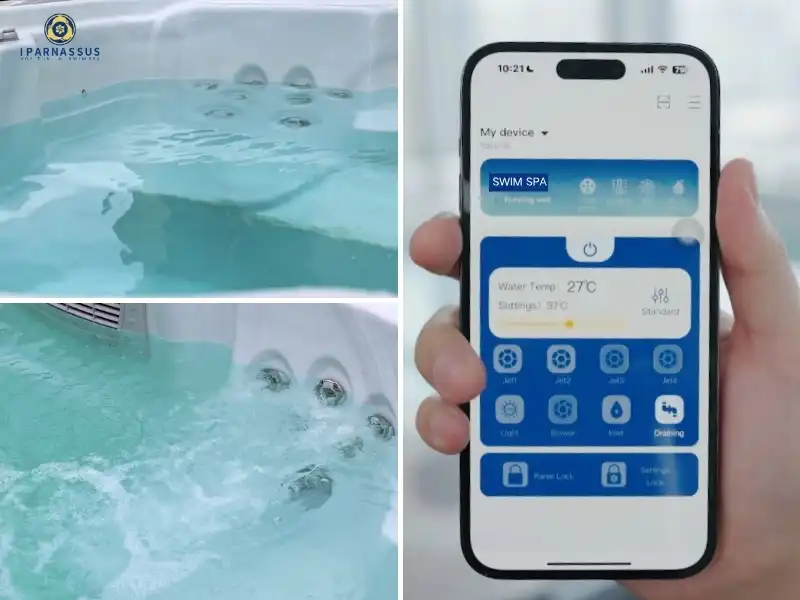
Modern Inground Swim Spas have advanced hydrotherapy jet systems that are usually powered by several high-performance pumps. Touchscreen control panels make it easy to change the temperature, set up the jets, and start the water circulation cycle. Built-in wide steps can be used as both entryways and resting areas, making the structure safer and more adaptable to different user needs. The fully waterproof movable service access is a big step forward. It combines all the electrical parts and accessories into a single access point with built-in ladders, so maintenance workers don't have to take off the side panels.
Wellness and Operational Advantages
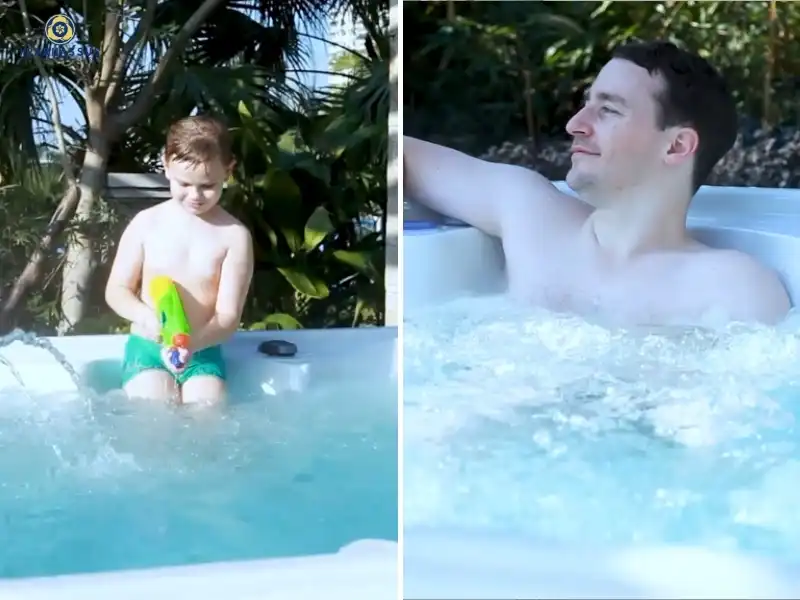
Recreational swimming is good for your health in more ways than one. Hydrotherapy in heated water reduces inflammation, lowers blood pressure, and speeds up muscle healing for sports and people in rehabilitation. The managed swim stream lets you train all year, no matter what the weather is like, in an Inground Swim Spa. Because they hold less water and have better protection made for below-grade setups, they are more energy efficient than regular pools. When compared to regular pools, their small sizes cut down on installation space by up to 70%, making them a good choice for projects with limited space.
Step-by-Step Inground Swim Spa Installation Process
Site Assessment and Planning
The building process starts with a careful inspection of the spot. Analysis of the soil's makeup tells us how much weight it can hold and how it drains. Procurement managers should check their local building codes to see what the setback and electrical requirements are. Access lines need to be able to fit delivery equipment, which usually needs at least 10 feet of space to work. Getting permits for excavation, plumbing connections, and electrical installations before starting groundwork is part of following the rules.
Excavation and Foundation Preparation
Professional excavation creates a hole that is the same size as the unit plus 6 to 12 inches on all sides to allow for plumbing access and backfill material. Advanced models have a direct drain system that makes this step easier by getting rid of the need for complicated drainage networks. The weight of the full unit, which is often more than 15,000 pounds, is supported by a base made of reinforced concrete that is usually 6 inches thick and strengthened with steel rebar. If you grade the land correctly, water will flow away from the installation site and not cause problems with hydrostatic pressure.
Plumbing and Electrical Integration
Plumbing connections are made by certified workers from the service entry to the main water lines and drainage systems. This process is sped up by the single-side extension design, since all links end in one place and don't need to be accessed from the outside. National Electrical Code rules say that electrical installations must have GFCI safety and good grounding. The 240V power supply that is usually needed for heating and pumps needs to be wired by a professional and have its own circuit breakers. At the end of this phase, all links are put under pressure to find any possible leaks before the backfilling begins.
Placement and Backfilling
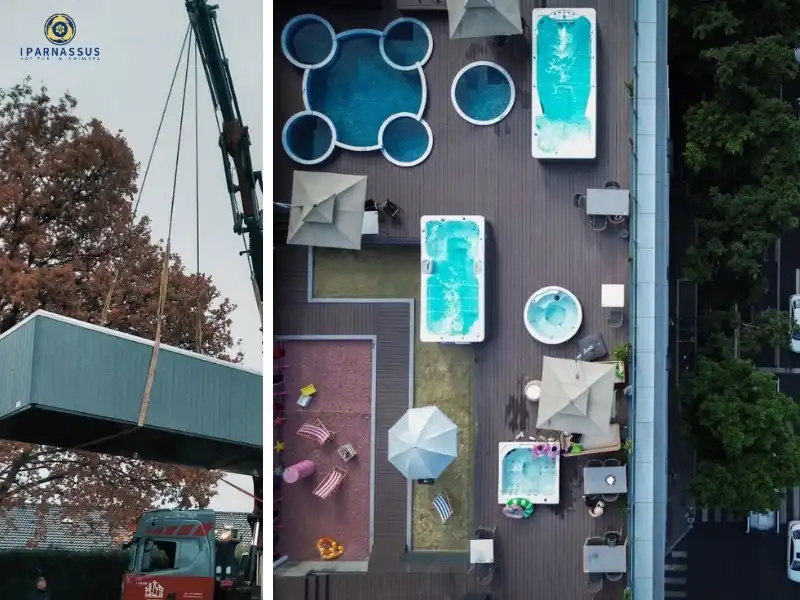
Crane operators lower the Inground Swim Spa unit into the ready-made hole, making sure it's placed level with the help of high-tech tools. Because the design saves space, you only need to reserve space that is the right size for the product—you don't need to make any extra upkeep clearances outside the unit area. Backfill, which is usually gravel or crushed stone, fills in the spaces between the unit and the walls of the trench. It helps with drainage and supports the structure. To keep things from moving, the soil is compacted in 6-inch steps. Decking, pavers, or planting that frames the installation while still letting you get to the service panel are all parts of surface repair.
Quality Validation and Commissioning
Testing after installation makes sure that all systems work properly. Filling the unit up to the point where it can work checks the pipes and lets the pump be calibrated. Heating elements are turned on to make sure the temperature control is working correctly. Jet systems are tested at full power to make sure they have the right flow rates and can be adjusted in any direction. This thorough quality check makes sure that the structure is sound and ready to use before handing it over to the client. This cuts down on warranty claims and makes sure that the user is happy from the start.
Maintenance Tips to Ensure Long-Term Performance and Energy Efficiency
Routine Water Quality Management
To keep things safe and comfy, water chemistry needs to be checked on a regular basis. Testing pH levels (7.2–7.8 is ideal), alkalinity, and sanitiser amounts once a week stops rusting and bacterial growth. Advanced models have smart water memory systems that make this job easier by telling users immediately when chemical changes need to be made. Filtration processes should run for at least four to six hours every day, and filter cartridges should be cleaned every two weeks and changed every three months for business use.
Energy Optimization Strategies
Compared to above-ground types, sites that are buried in the ground benefit from earth insulation that keeps heat in. It is more efficient to keep temperatures steady instead of heating and cooling them often. Insulated covers keep heat in even when they're not being used, which can save up to 40% on energy costs. Smartphone-enabled control systems let facility managers set heating schedules that allow for changes in temperature that are in line with how the building is used and how much the utilities cost.
Professional Servicing and Warranty Protection
Professional inspections every 3 to 6 months can find problems early on, before they get worse and cost a lot to fix. Smart control systems have software updates and system calibrations that are checked by certified experts. These service agreements are good investments because most warranties require documented professional upkeep. When buying something, procurement teams should talk about the warranty terms and make sure that the coverage includes both the equipment and the work that was done during installation. This will give the buyer full protection.
Comparing Inground Swim Spas with Alternative Solutions: Pools and Hot Tubs
Cost and Space Efficiency Analysis
Excavating between 300 and 800 square feet is needed for a traditional swimming pool, and the cost of building starts at $50,000 and goes up to well over $100,000 for high-end features. In-ground swim spas take up about 150 to 250 square feet of space and offer comparable exercise benefits thanks to their adjustable current systems. The unit costs between $12,000 and $28,000, and installation costs between $8,000 and $15,000. This makes these systems a good option for projects that can't build a normal pool because of budget or space issues.
Functionality and User Experience
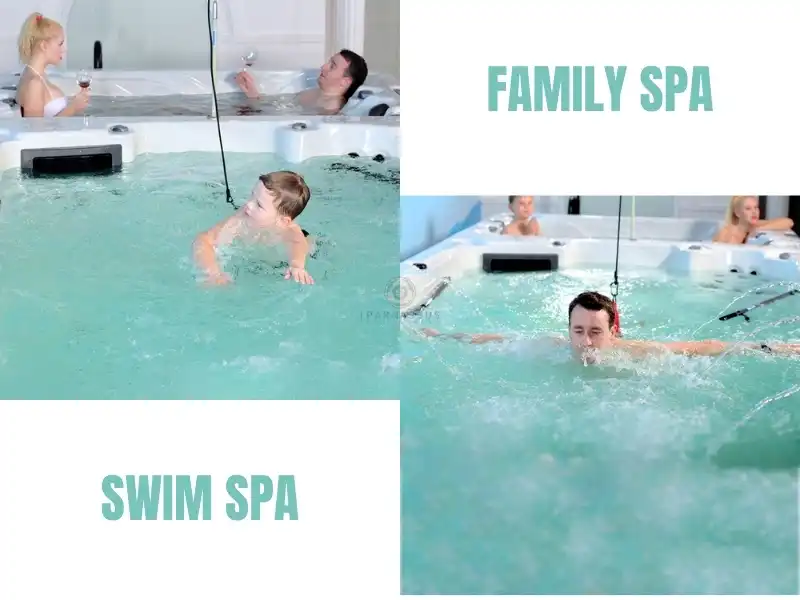
Hot tubs are great for relaxing, but they can't be used to swim. Standard pools offer a place to work out, but they need a lot of upkeep and are closed during certain seasons in many places. Inground Swim Spas fill in this gap by providing hydrotherapy massage jets along with resistance swimming, which is powered by three 3.0HP pumps that create a strong current flow. Users can easily switch between workouts and recovery relaxation without leaving the unit. This creates all-around wellness experiences that are worth the extra money for picky customers.
Durability and Aesthetic Integration
Acrylic covers that are reinforced with fibreglass last for decades if they are placed and taken care of properly. The flush-mount design blends in with the surrounding landscape, which raises the value of the property without adding bulky structures. With custom decking, built-in lighting, and water features, projects become architectural focus points. In addition to adding to the luxury look of a hotel or resort, these systems are also good for marketing purposes because they attract health-conscious guests.
Procurement Strategies for Inground Swim Spas: What B2B Buyers Should Know
Supplier Evaluation Criteria
Purchasing managers should give more weight to makers that have quality standards and large installation networks that can be proven. With 80 patents and 18 years of specialised experience, Shenzhen iParnassus Intelligent Spas Co., LTD is a leader in its field and a great example of high Chinese manufacturing standards. Check out providers based on how well they can customise, how thorough their warranties are, and how well they can provide expert support. Manufacturing methods that are better for the environment are becoming more and more important to institutions when they decide what to buy, especially for LEED-certified projects that need to show proof of sustainable materials.
Pricing Models and Budget Planning
The price of a base unit depends on its size, how the pumps are set up, and how complex the control system is. Custom home builders usually set aside between $18,000 and $25,000 for mid-range models that can be used in homes. On the other hand, business projects that need extra sturdiness and advanced features are closer to $28,000 or more. The cost of installation depends on the conditions of the site, how easy it is to get to, and the rate of labour in the area. To correctly compare bids and find ways to save money, procurement teams should ask for quotes that break down costs into separate categories, such as shipping, labour for installation, electricity work, and landscaping integration.
Order Timelines and Logistics Coordination
Lead times for manufacturing range from 4 to 8 weeks for standard configurations and from 12 to 16 weeks for units that are fully customised. Depending on where the package is going and where it is coming from, international shipping can take an extra three to six weeks. Framework deals with Inground Swim Spa providers can help procurement professionals who are in charge of multiple project installations by guaranteeing prices, prioritising production schedules, and streamlining paperwork for repeat orders. When manufacturers, shipping managers, and installation contractors can talk to each other clearly, they can avoid costly delays that throw off building schedules.
Conclusion
Inground Swim Spa setups are high-tech ways to add health features, improve the look of a home or business, and make operations run more smoothly. The flush-mount design, easy maintenance access from a single side, and strong swim current generation all work together to solve major problems that custom home builders, landscape architects, and hospitality developers are having. When the site is properly prepared, professionally installed, and regularly maintained, these systems will work reliably for decades, increasing property values and improving the user experience. These investments are seen as valuable additions to high-end developments because they come from certified suppliers and come with full warranties and careful project coordination.
FAQ
1. How Long Does Installation Typically Take?
From the start of excavation to the end of approval, the whole construction process takes two to four weeks. It takes three to five days to prepare the site and build the foundation. Then it takes one to two days to place the units and connect the utilities. Depending on how complicated the job is, backfilling, building decks, and incorporating planting all take longer than planned. Conditions like bad weather and delays in getting permits may add more time.
2. What Maintenance Challenges Should Teams Anticipate?
For water chemistry to be balanced during the initial fill times, surfaces need to be watched more closely as they clear. The mobile service access design gets rid of the problems that come with having limited access to the mechanical room, which makes regular component checks easy. In cold areas, seasonal winterisation requires following the right antifreeze procedures. However, with enough warmth, the system can still be used all year.
3. Can Units Accommodate Non-Standard Site Configurations?
Custom installations can work on sloped ground, on decks, and in small urban areas. Manufacturers offer engineering help for difficult installations, such as suggestions for strengthening structures and changing the way access is set up. The design that saves space and only needs product-dimension clearances makes installation more flexible than with traditional systems that need wide perimeter access.
Partner with iParnassus® for Your Next Installation Project
iParnassus® is the best value for money when it comes to innovative engineering and full support, making it the best choice for procurement managers looking for a reliable Inground Swim Spa manufacturer. Our patented movable service access technology and single-side maintenance design make installation easier in the real world and lower operational costs over time. The smart smartphone control systems give your clients the high-end experience they want, with features like automatic tracking of water levels and the ability to handle them from afar. We can help with projects of any size because we have established transport networks in North America, Europe, Australia, and the Middle East. We can guarantee on-time deliveries and offer technical support. You can talk to our team at info@iparnassus.com about your specific needs, get detailed specifications, or set up a meeting with one of our installation specialists who know how to meet the specific needs of high-end residential and commercial developments.
References
1. National Swimming Pool Foundation. (2022). Guidelines for Inground Spa Installation and Maintenance Standards. Colorado Springs: NSPF Publications.
2. Johnson, M. & Williams, R. (2021). Hydrotherapy Systems in Modern Architecture: Design and Installation Best Practices. New York: Architectural Press.
3. International Association of Plumbing and Mechanical Officials. (2023). Uniform Swimming Pool, Spa and Hot Tub Code. Ontario: IAPMO.
4. Chen, L. (2020). Energy Efficiency Analysis of Residential Aquatic Wellness Systems. Journal of Sustainable Building Technology, 15(3), 187-203.
5. Landscape Architecture Foundation. (2022). Integrating Water Features in Luxury Outdoor Living Spaces. Washington D.C.: LAF Research.
6. Bradford, T. (2023). Commercial Aquatic Facility Planning and Procurement Strategies. Hospitality Design Quarterly, 28(2), 45-62.

Send Inquiry