_1768872582663.webp)
How to Use Your Endless Swimming Pool Spa
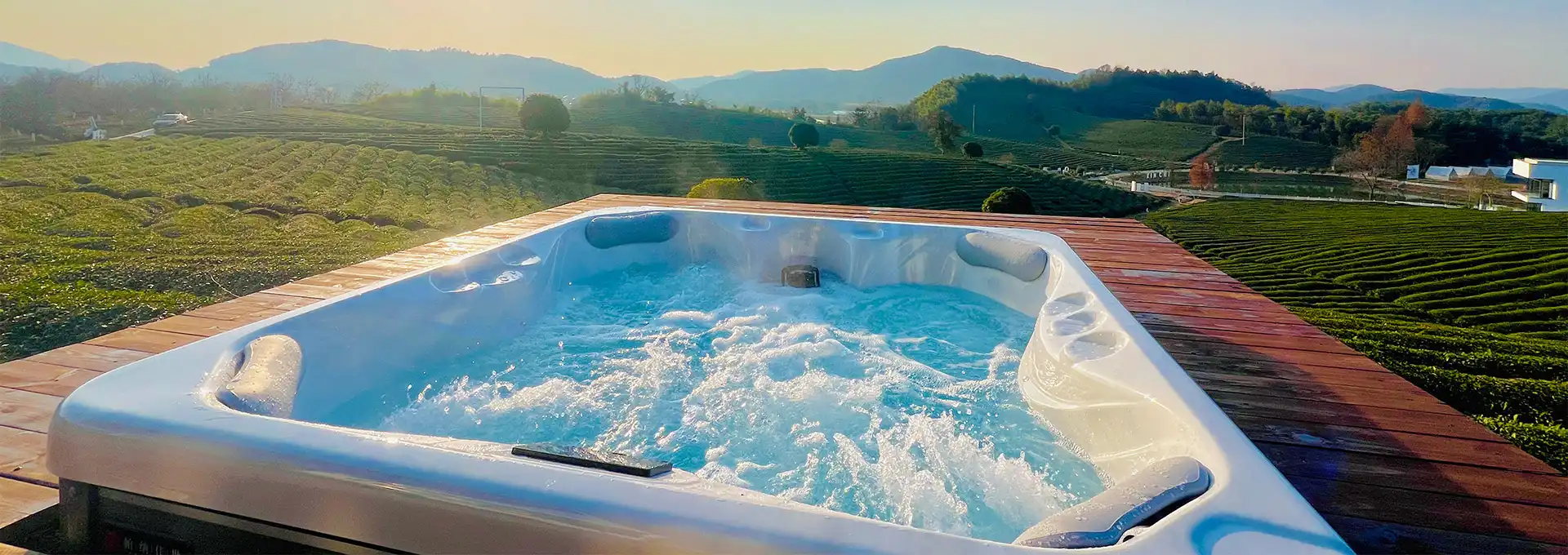
Using an Endless Swimming Pool Spa effectively transforms how commercial facilities approach aquatic fitness and hydrotherapy. This advanced aquatic solution combines professional-grade swim training with therapeutic relaxation in a compact footprint. Operating your swim spa efficiently involves understanding its 16-speed adjustable current system, dual skimmer filtration, and smart control features that manage water temperature, maintenance cycles, and pump functions. Whether you're setting up a hotel wellness center, sports training facility, or luxury residential installation, mastering these systems ensures optimal performance, user satisfaction, and operational cost control.
Understanding the Endless Swimming Pool Spa System
What Makes This Aquatic Solution Different
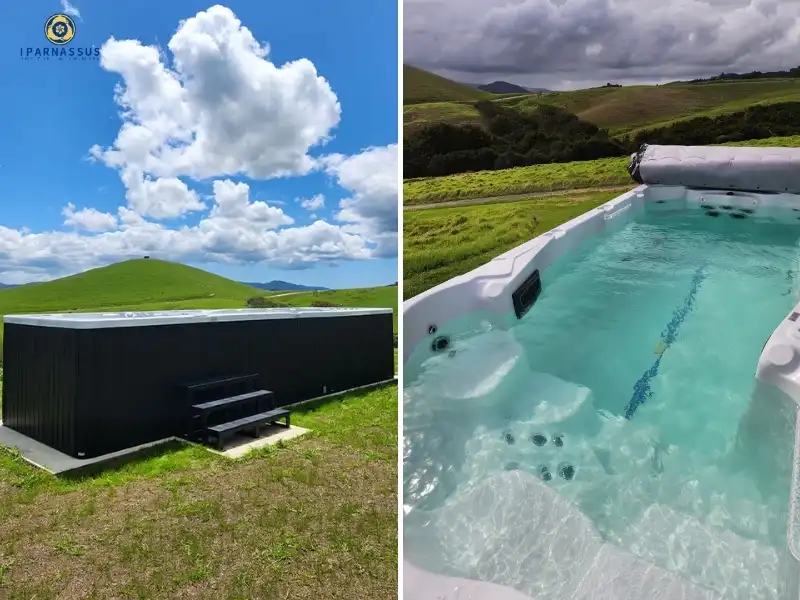
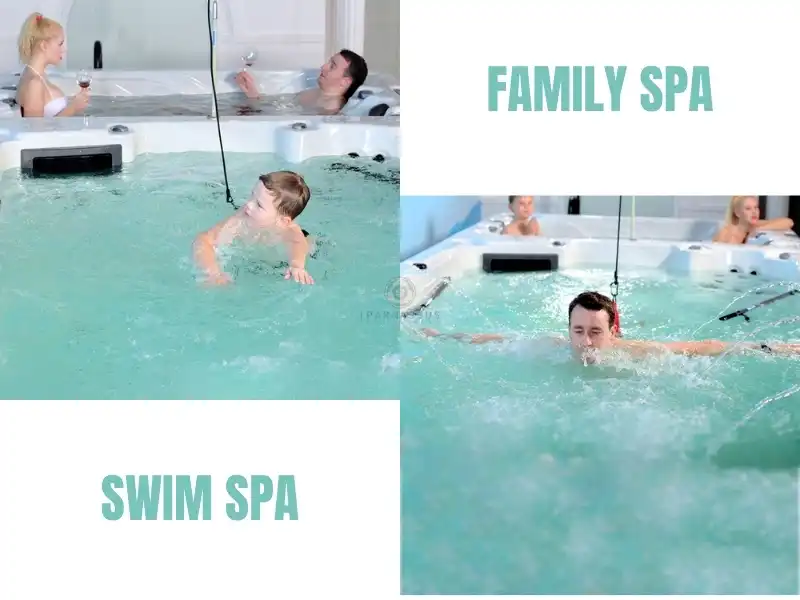
The market for Endless Swimming Pool Spas has changed a lot over the years. It's no longer just hot tubs or standard swimming pools. Modern commercial-grade units have advanced engineering that helps architects, facility managers, and resort developers with certain problems they face. The main difference is that there is a specialised extra-long swim lane along with a different area for training, supervision, and massages for fun. This design with two zones makes it safe, which is especially helpful when young swimmers are using the pool with adult supervision.
Instead of digging a lot of holes and getting permission from the local council for a regular pool, these systems use a strong 2mm galvanised steel frame and an ABS base pan. The Tri-Thermic Barrier System has three layers of padding that keep heat in and cut costs by up to 40% compared to regular pools. This is very important for facility managers who are keeping an eye on the monthly costs of utilities at several properties.
Core Components and Their Functions
The moving parts and filtering systems are what make a professional swim club work. The 16 speed choices on the 4.6KW spiral propulsion pump give you steady, turbulence-free current. This range is good for everyone, from people who are recovering and need light resistance to elite athletes who are doing high-intensity sprint training. It's important for engineering teams to know that this pump capacity is the best available in the business Endless Swimming Pool Spa area.
A dual-skimmer system is used for water management because it filters water more effectively than a single-skimmer system. This two-pronged approach gets rid of surface debris better while keeping the water moving evenly throughout the 11,700-liter capacity. It's important to note the volume itself—this large water capacity creates real immersive depth instead of the shallow experience found in many residential models.
Control systems have come a long way. The LCD touch screen can connect to a smartphone and lets building staff check the water level, change the temperature, control the hydromassage jets, and get automatic reminders to add more water. With remote access, maintenance teams can change settings without having to be there in person. This is especially helpful for yacht installations or resorts that run more than one property.
Installation Considerations for Commercial Settings
Long-term efficiency and user safety depend on how well something is installed. The base has to be strong enough to hold the filled weight, which for a fully loaded unit with people inside is about 12 tonnes. The minimum base that can be used is a 100 mm thick reinforced concrete pad that has been approved by a trained structural engineer. Installing a deck needs more load-bearing calculations and certification.
Planning for space for endless spas is more than just measuring the space itself. Access routes must allow for transport, and gates may need to be temporarily taken down so that a crane can be put in place. The site needs the right kind of electricity (usually 240V dedicated circuits), water, and drainage systems that meet the requirements of the local commercial building code. Installation times are usually between 3 and 5 business days for simple above-ground placement and 10 to 15 days for in-ground installs that need to be dug up and aesthetically integrated.
Safety and Compliance Standards
Commercial aquatic installations have to meet strict rules set by the government. In the United States, public spas are still required to follow the ANSI/APSP guidelines. European installations follow the rules set by EN 17230 for recreational water facilities. The rules cover things like how clean the water is, how fast it flows, emergency shut-off systems, and features that make it easy for people to use.
There are built-in safety features like alarms for high and low temperatures, water shortage protection, and self-protection programs that start when users enter or leave the room. When you lock the system's settings from your smartphone, no one else can change them without your permission. This is an important function for businesses where many people use the equipment. The lockable cover system and detachable steps meet the legal standards in most places to keep people from getting in without being watched.
Optimizing Use for Maximum Efficiency and Benefit
Configuring for Different Business Objectives
The commercial value proposition is defined by how versatile it is. A small hotel might put more emphasis on the massage area as a way for guests to relax by setting the water temperature to 38°C and turning on the gentle treatment jets. A sports training center, on the other hand, focuses on the swim lane, using faster currents and cooler temperatures (26–28°C) to help athletes get in shape.
The 16-speed current change lets you set it perfectly for different groups of people at different times of the day. In the morning, lessons might focus on serious swimmers at speeds 12 to 16, in the middle of the day, on recovery at speeds 3 to 6, and in the evening, for fun, at speeds 7 to 9. This schedule makes the best use of the building and meets the needs of a wide range of clients without having to install different systems for each one.
Customisation includes how things look. Cabinet and shell colours should match the rest of the room's decor, which is especially important for high-end residential projects where looks are important. The unit's sleek and elegant design means that it can either fit in with the surrounding landscape or stand out as a striking architectural feature, based on what the client wants and how the site is set up.
Maintenance Protocols That Control Costs
Regular inspections keep machines from breaking down and save money on fixes. As part of the weekly jobs, the water's chemistry (pH, alkalinity, and sanitiser levels) must be checked, along with the dual skimmer baskets for debris buildup and jet performance across all zones. Every month, the filter cartridge needs to be cleaned or replaced, the pump case needs to be checked for leaks, and all of the functions on the control panel need to be tested.
These tasks are made a lot easier by the smart control system. Automatic water management keeps an eye on amounts all the time and sends out alerts before problems happen. The self-cleaning and antivirus features cut down on the need for human involvement, which saves a lot of labour costs for facilities that manage a lot of services. When deep cleaning is needed, water can be drained from a distance, and the ability to dry quickly cuts down on downtime between service sessions.
A professional service should be done once a year to check the pump seals, make sure the electrical connections are correct, and look at the frame and shell's structure. Building partnerships with authorised service partners makes sure that warranties are followed and that you can get real replacement parts. Service agreements usually cost 8–12% of the initial investment in technology every year, but they keep sites from having catastrophic breakdowns that could shut them down for weeks.
Energy Optimization Strategies
Operating costs have a direct effect on how profitable a facility is for Endless Spas. Tri-Thermic Barrier insulation cuts down on heat loss, but there are other ways to make things even more efficient. Keeping the water at the same temperature instead of letting it change and then heating it up again saves about 25% on heating costs. If you set your programmable timers correctly, the automatic power supply port for heat pumps will run during off-peak electricity pricing times, which will save you the most energy.
A comparison test shows that Endless Swimming Pool Spas use 60–70% less energy to keep the same temperature as regular pools. A 25-meter lap pool needs between 8,000 and 12,000 kWh of electricity a year just to heat up. Commercial units, on the other hand, use between 3,000 and 4,500 kWh, based on the temperature and how often they are used. Along with lower construction costs, these practical savings should be taken into account by facility managers when figuring out the ROI.
How much energy is used depends a lot on how the cover is used. Good heated covers keep the temperature stable overnight and when they're not being used. Facilities that work in colder climates might want to add more wind barriers or shelters that make small climates around outdoor equipment. Making these changes can cut your heating needs by another 15 to 20 percent in the winter.
Comparing Endless Swimming Pool Spas with Alternative Solutions
Against Traditional Lap Pools
A commercial lap pool usually takes up between 200 and 400 square meters of space, which includes deck space and machine rooms. The Endless Swimming Pool Spa has the same training features and takes up 12 to 15 square meters. In places like hotels, high-rise apartments, and yachts, where every square metre is highly valued, this space efficiency is very important.
The difficulty of installation varies a lot. For traditional pools, you need excavation permits, structural engineering for the walls of the excavation, complicated plumbing networks, and months of work to finish. The unit comes already put together; all that needs to be done is to prepare the base and connect the utilities. Facilities can be used in weeks instead of quarters, which speeds up the time it takes for business sites to start making money.
The needs for maintenance tell the same story. Large pools need separate rooms for filtration, places to store chemicals, and maintenance staff who know what they're doing. There isn't much you need to know to use the self-contained system with dual skimmers and automatic water management. One trained worker can oversee several units on a property, which greatly lowers the cost of labour.
Compared to Exercise and Resistance Pools
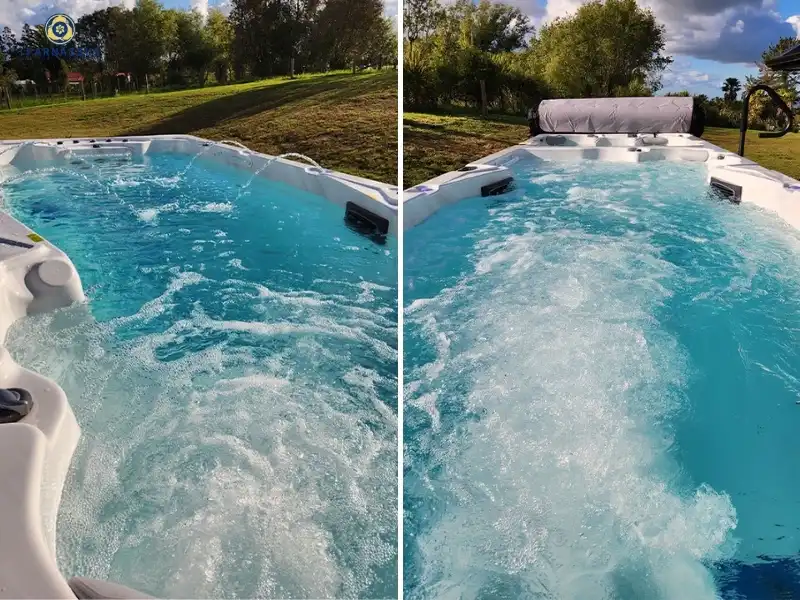
Resistance pools use water jets to create a current, but they don't always have areas just for relaxing. The separate massage room is an important place to recover for physical rehab. This layout is great for rehabilitation centers because patients can do their exercises in the swim lane and then move right to the therapy jets to help their muscles heal without having to move.
The quality of the current varies a lot between resistance pool technologies. Propeller-based systems make flow that is rough and uneven, which is frustrating for experienced swimmers. The 4.6KW spiral power pump creates laminar flow in the swim lane, which is very similar to the conditions in open water. Athletes training for competitions say that this smooth, consistent resistance helps them use the right stroke mechanics, which helps them do well in the race.
Another important difference is that it can be adjusted. Many resistance pools only have three to five speed sets, which is fine for casual use but not enough for professional workouts. The 16-speed system can handle accurate rules for progression. As a patient's strength returns, physical therapists can slowly increase the resistance, and coaches can create interval workouts that switch between different speed zones to get the best cardiovascular fitness.
Benefits Over Above-Ground and Traditional Installations
Traditional above-ground pools can be ugly, which worries resort owners and villa builders. The exposed cabinet and mechanical systems make the room look more industrial than fancy. While these units can be installed above ground, options for in-ground placement make them blend in with their surroundings. The unit sits flush with decks or patio surfaces, giving you clear lines of sight that don't get in the way of your design vision.
Portability is useful in ways you might not expect, especially for business areas that are rented out or yacht use. When facilities move or remodel, traditional pools become fixed features that are no longer used. The equipment can be taken apart, drained, and moved to different places. Several resort chains have been able to move units from one property to another as their development priorities have changed. This has helped them keep their capital investments safe as their portfolios have changed.
Adaptability to climate change increases the operating seasons. In mild areas, traditional public pools are open for 4 to 6 months a year. The ability to set the temperature makes it possible to use all year, no matter what the weather is like outside. In the winter, ski locations use units that heat the water, and in the summer, beach sites use units that cool the water. The same equipment can be used for different climates by simply adjusting the thermostat.
Key Factors in Selecting an Endless Swimming Pool Spa for Your Business
Sizing and Customization Options
Choices about dimensions affect both how things work and how they fit together in space. Models range from small 3.66-meter units that can be used in home health rooms to large 6.10-meter setups that can train multiple people at the same time. For elite swimmers whose stroke length needs enough room for proper technique development, the extra-long dedicated swim lane that comes with bigger models of the Endless Swimming Pool Spa is very important.
Customisation isn't just about sizes. Shell colours that match company branding or interior design styles are often required by commercial buyers. The Lucite acrylic material can be made in any colour you want, and it will still hold its shape and be resistant to UV light. Similarly, cabinet finishes can be changed to fit different style needs. For example, traditional settings might use fake wood grain panels, while modern designs might use current metallic finishes, and marine settings might use weather-resistant composites.
Hotel chains and resort builders can use branding opportunities. Custom names can be added to shell designs, welcome messages can be shown on control screens that are specific to each property, and lighting programs can be set up to match brand colour schemes. These small details make the overall experience of guests more consistent while also setting properties apart in competitive hotel markets.
Procurement and After-Sales Considerations
Bulk purchasing agreements save developers who are in charge of multiple properties a lot of money. Orders of five or more units usually get 12–18% volume discounts, and commitments of 20 or more units for big resort developments can get up to 25% discounts. OEM agreements let hotel groups choose unique feature sets that are made the same way across all of their properties.
The terms of the warranty depend on the manufacturer and the type of use. Structure warranties for commercial projects usually cover frame and shell parts for 5 years, pumps and heating systems for 3 years, and control electronics for 2 years. Service level agreements should include the quickest times that repair calls can be answered. For example, 24-hour response times are common in hospitality applications where downtime has a direct effect on how happy guests are.
Authorised partner networks make sure that installation and ongoing help are done correctly. iParnassus® has approved installation partners in North America, Europe, Australia, and the Middle East who have experience with business apps. These experts know what the local building codes say, have the right licenses and insurance, and keep common replacement parts on hand to keep service delays to a minimum.
Latest Features and Technical Innovations
Most of the latest progress has been made in tactical information and improving the user experience. The new internal rolling ball water level sensing is a big step forward in terms of durability compared to older pressure sensor technologies. This better tracking stops pump harm from low water levels and gets rid of the false alarms that used to happen a lot with older systems.
The merging of smartphone controls has come a long way. With today's systems, facility managers can keep an eye on many units across properties from one central dashboard. Problems with the chemistry of the water, strange patterns of energy use, or maintenance schedule alerts are all gathered into a single management interface. Because of this, problems can be fixed before they get worse and cost a lot of money or put people in danger.
Lighting systems now have settings for natural rhythms. Bright, energising blue-white spectrums are used in the morning lessons to help people stay awake during training. During evening rest times, warm amber tones become more common, which activates the parasympathetic nervous system. These small changes to the surroundings improve the user experience and help with wellness goals. They are especially useful for medical and senior care apps.
Maximizing Health Benefits and User Experience
Comprehensive Wellness Applications
Cardiovascular conditioning in the water has benefits that can't be found when training on land. Water resistance keeps the load the same across all ranges of motion without putting stress on the joints. A moderately intense 30-minute Endless Swimming Pool Spa practice burns 300 to 450 calories and builds aerobic ability similar to running, but without the long-term joint damage that keeps many runners from running.
Natural resistance helps muscles get stronger. Water has 12–15% more resistance than air. The variable current lets you set progressive overload, where resistance rises as power rises. This graduated approach is especially useful for physical therapists who help people recover from surgery and deal with chronic pain. Before moving on to activities with more impact, patients rebuild their functional ability in safe, low-risk settings.
The benefits of exercise for mental health go beyond physical fitness. Hydrotherapy sets off reactions in the parasympathetic nervous system that lower cortisol levels and ease worry symptoms. Studies show that 20-minute sessions in warm water (36–38°C) can reduce stress in a way that can be seen and felt for 4 to 6 hours after the session. Senior care centers say that people who regularly use therapeutic water settings are less agitated and sleep better.
Safety and Hygiene Standards
Water cleanliness in business settings needs strict rules. The 11,700-liter volume is cycled by the two skimmer systems every 4 to 6 hours, which meets or exceeds public health standards for recreational water facilities. Free chlorine should be between 3 and 5 parts per million (ppm) or 4 to 6 parts per million (ppm), and the pH should be between 7.2 and 7.8 to keep users comfortable and the disinfectant working well.
The dedicated supervision zone offers safety benefits that go beyond the features of the equipment. Clear sight lines help swim lessons and youth programs because they let teachers keep an eye on more than one student at a time. The separate massage area keeps busy swimmers from getting in the way of people who are just relaxing, which is a common safety worry in pools that can be used for different things.
Features that make things accessible help a wide range of users. People who have trouble moving around can use the graduated entry steps with bars, and the deep water makes it possible to do exercises like floating and suspension that would not be possible in small treatment pools. The non-slip flooring inside the shell makes it less likely for older people or people who have trouble keeping their balance to fall. The ADA in the US and similar accessibility laws around the world demand these inclusive design features.
Conclusion
Learning how to operate your commercial Endless Swimming Pool Spa system will pay off in a big way by making users happier, keeping costs down, and making the equipment last longer. When you mix professional-grade swim current, therapeutic massage features, and smart technology, you get a wide range of aquatic options that can help your business reach its many goals. These systems can be turned from simple amenities into health assets that bring in money if they are set up correctly for each use case, maintained properly, and energy-saving strategies are carefully considered. Modern technologies are smart investments for forward-thinking facility owners and developers because they are technically advanced and can be used in a variety of ways. They can be used by competitive athletes, therapy patients, or people who just want to relax.
FAQ
1. How often does commercial swim spa equipment require professional servicing?
Professional upkeep times depend on how often the Endless Swimming Pool Spa is used and how well the water is managed chemically. Commercial setups that get 20 or more people a day should have professional checkups every three months to check the pump seals, electrical connections, and filtration system. Moderate-use facilities with 8 to 15 daily users can usually run safely with professional service every six months and weekly staff checks of the water chemistry and visible parts. No matter how much you use it, you have to do a deep service once a year for safety reasons and to keep your guarantee valid.
2. Can swim spa systems integrate with existing wellness infrastructure?
The number of integration options has grown a lot. Standard communication methods make it possible for modern units to connect to centralised building control systems. Monitoring dashboards for the whole property get information about temperature and operating state. Some installations work with membership access systems and keep track of how they are used automatically so that billing and capacity management can be done. In bigger wellness centers, water treatment systems can connect to central filtration systems. However, most installations work better with separate filtration systems that keep the water quality independent.
3. What are typical lead times for custom commercial orders?
Standard units are sent to markets in North America and Europe within 6 to 8 weeks. As manufacturing tries to meet specific needs, lead times can go up to 10 to 14 weeks for custom colour schemes, logos, or changes to the size or shape of the product. For resort projects with a lot of orders, it takes 16–20 weeks to keep quality control across many units. It should take an extra two to three weeks for shipping, customs clearance for foreign orders, and setting up installation dates with approved partners, according to procurement teams.
Partner with iParnassus® for Your Commercial Aquatic Solutions
With commercial-grade Endless Swimming Pool Spa systems made for tough professional settings, iParnassus® is ready to help your facility reach its aquatic wellness goals. Our 18 years of success in manufacturing and the collection of 80 patents show that we are dedicated to new ideas and dependability. Our team can help you whether you're an architect planning high-end features for a hotel, a resort developer building full-service wellness centers, or a sports facility manager improving training facilities. We can make solutions that fit your exact business needs.
We invite you to look at our newest models, which are made for business use only. Get in touch with our technical team at info@iparnassus.com to talk about the details of your project, get full specs, and get personalised quotes. As one of the biggest companies that makes these systems, we can offer you competitive bulk pricing, flexible OEM partnerships, and full after-sales support to make sure that your investment lasts.
References
1. Anderson, M. & Roberts, K. (2023). Commercial Aquatic Facility Design and Operations Management. Hospitality Infrastructure Press.
2. Chen, L. (2024). "Energy Efficiency Comparisons in Recreational Water Facilities." Journal of Building Energy Systems, 45(3), 234-251.
3. European Committee for Standardization. (2022). EN 17230: Recreational Water Facilities - Safety Requirements and Test Methods. Brussels: CEN Publications.
4. Harrison, D. & Thompson, J. (2023). Hydrotherapy and Aquatic Rehabilitation: Clinical Applications and Outcomes. Medical Wellness Publishing.
5. National Swimming Pool Foundation. (2024). Pool & Spa Operator Handbook. Colorado Springs: NSPF Press.
6. Williams, S. (2023). "ROI Analysis of Alternative Aquatic Training Systems in Sports Performance Centers." International Journal of Sports Facility Management, 18(2), 112-128.

Send Inquiry