_1768872582663.webp)
7 Best Design Trends For Inground Swim Spas
The world of inground swim spas has evolved dramatically, driven by demands from custom home builders, landscape architects, and resort developers seeking flawless outdoor living environments. Modern inground swim spa installations now prioritize seamless landscape integration, powerful performance, and simplified maintenance—all while maintaining premium aesthetics. These design trends address the longstanding challenge of creating functional aquatic spaces that enhance rather than disrupt carefully planned outdoor environments. Whether you're designing a boutique resort or a luxury villa, understanding these trends ensures your project delivers both visual appeal and operational excellence.
Seamless Integration with Outdoor Architecture
Creating Visual Harmony
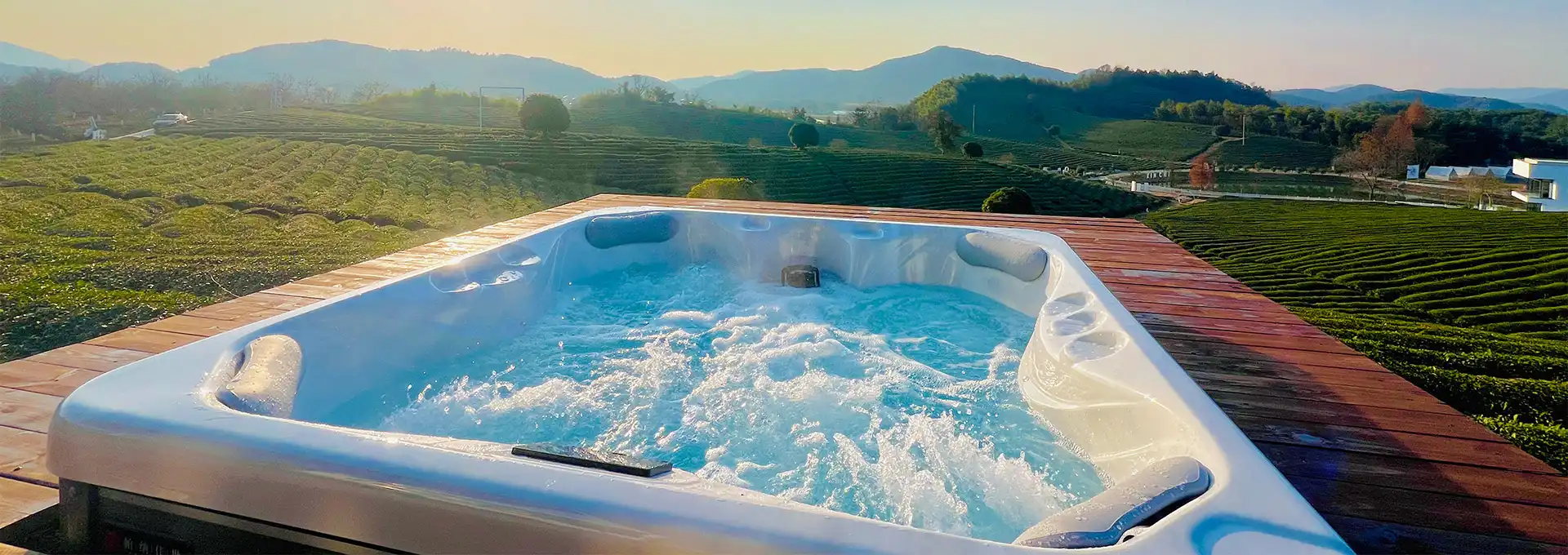
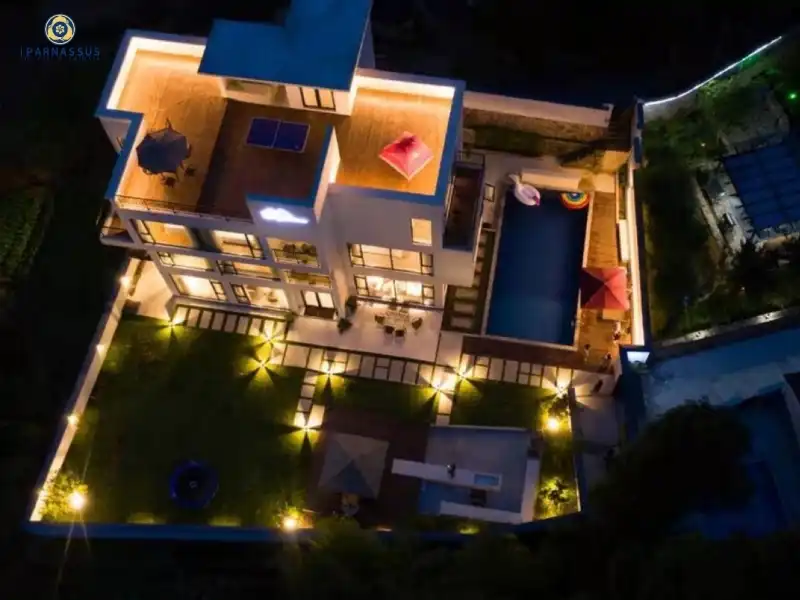
Inground installations that work well depend on how well the architecture fits together. The Inground Swim Spa shouldn't look like an afterthought when we look at high-end residential and business projects; it should look like a natural part of the landscape. These days, modern installations do this with flush-mount styles that sit level with the decking, patios, or landscaped areas around them. This method gets rid of the visual problems that come with regular above-ground units, whose big cabinets often take over outdoor areas.
Material Selection and Customization
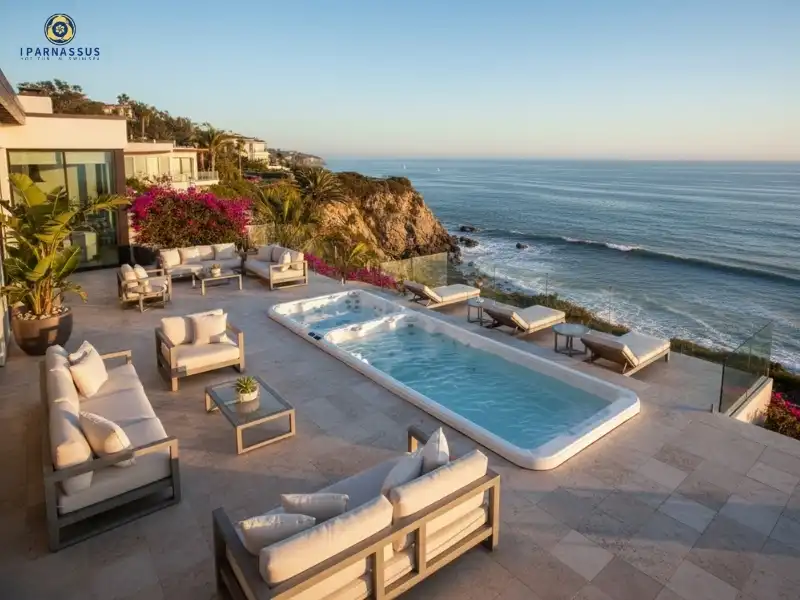
For high-end projects, customisation choices that match current architectural styles are needed. Modern designs like simple shapes and clean lines, while classic vacation settings might have natural stone borders or wooden decking. If you can choose the exact materials, colours, and finishes you want, you can be sure that the installation will support your brand in business settings or your own personal style in home projects. Such a high level of customisation is now necessary for high-end projects where every little thing adds to the general look.
Real-World Applications
High-end health centers and small hotels show how custom solutions can make an entire space better. When put together correctly, these features make the property more appealing and increase guest satisfaction and property value. Early collaboration between designers, architects, and swim spa suppliers is key to making sure that technical needs and aesthetic goals are met from the start of the project.
Energy-Efficient Heating and Filtration Systems
Reducing Operational Costs
Energy efficiency used to be a nice-to-have feature, but now it's a must-have for businesses that are controlling their running costs. Modern heating technologies include heat pumps that use energy from the environment, solar panels for heating during the day, and smart timers that change the temperature based on how the home is used. These systems help with environmental initiatives that are important to today's business clients while also keeping temperatures stable at a low cost.
Advanced Water Management
Improvements in water treatment have made it much less necessary to use chemicals and do upkeep more often. Modern systems use multiple stages of filtering, ozone production, and UV sterilisation to keep the water clean with little human input. This means less downtime, fewer chemical changes, and fewer water changes. These are all very important for commercial installations where availability affects revenue directly.
Measuring Return on Investment
Hotels, exercise centers, and wellness centers can now see real changes in their return on investment (ROI) by tracking lower upkeep and energy costs. Most energy-efficient systems pay for themselves in three to five years just by saving money on running costs. This makes them a good choice for both the economy and the environment.
Multi-Functional Design for Diverse Business Applications
Combining Exercise, Relaxation, and Therapy
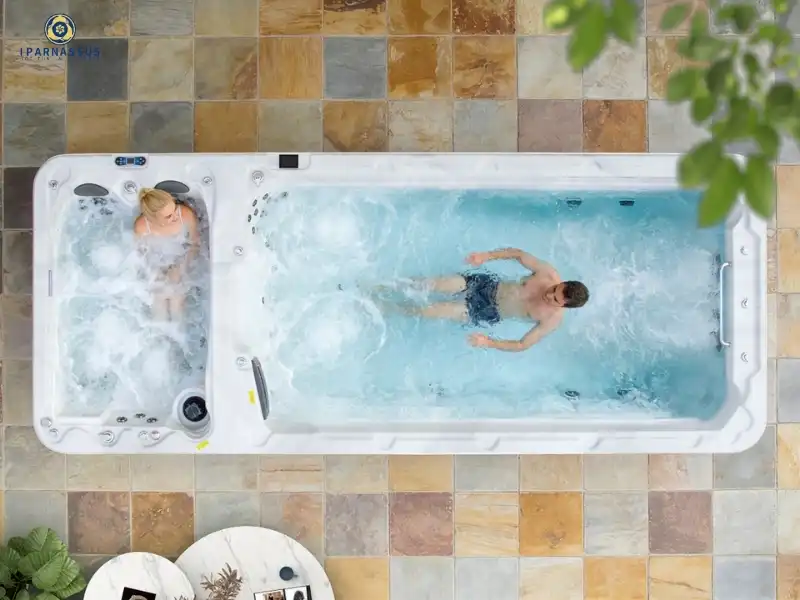
Inground swim spas of today are great because they can be used for different things at once. Integrated systems that meet the needs of different users without the need for separate tools are good for commercial buildings. Powerful swim jets add resistance for lap swimming and water exercise, and massage zones are set up to help with health issues. This adaptability makes wellness services better in a range of business models, from physical therapy clinics to high-end resorts.
The newest models have triple pump systems, which often use three 3.0HP pumps to create strong water flow for serious swimmers while keeping separate areas for relaxing. This technical feat fixes a problem that existed with older hot tubs: they didn't have enough power for real swim training.
Scalable and Modular Solutions
Facility planners like flexible designs that can be changed to fit different types of spaces and people. These systems can be changed to fit the needs of any group, from professional athletes who need hard strength training to spa guests who want gentle hydrotherapy. Adding smart technology lets you handle things through apps and keep an eye on them from afar, making practical oversight easier and improving the user experience.
Accessibility and Safety Features
Modern swim spas have wide steps built into one end that serve two purposes: they make getting in and out of the spa safer, and they're also nice places to rest. This careful design consideration is especially useful in business settings where different user skills need to be taken into account. The way these features work together shows how modern installations balance performance with ease of use.
Durable Materials and Construction for Longevity
Material Innovation for Commercial Demands
Commercial-grade systems are different from household ones because they last longer. New materials include composites that don't rust and can handle being exposed to chemicals, plastic shells that are strengthened and backed by fibreglass, and stainless steel frameworks that stay strong even after years of use. These improvements have made it possible for spas to work hard every day in a wide range of climates, from humid subtropical areas to areas that freeze and thaw every winter.
Procurement Considerations
Supplier warranties and maintenance support programs are now important factors that buyers use to decide which suppliers to buy from. Comprehensive service agreements protect the large investments that these systems represent by reducing downtime and keeping long-term costs under control. Leading manufacturers make products that are perfect for demanding large-scale applications, and their service networks can support facilities in more than one place.
Long-Term Performance Standards
Quality construction will last for decades if it is properly maintained. The industry has set performance standards that help buyers compare different options. For example, shell warranties last for 10 to 15 years and equipment warranties cover important parts for 5 to 7 years. Because of these standards, you can be sure that projects will keep providing value for a long time.
Customizable Installation Solutions to Streamline Procurement
Simplifying Complex Projects
For procurement to go well, installation processes must go smoothly, and vendors must work together well. To plan a project, it's important to know what steps need to be taken, like assessing the site, digging, integrating pipes, and setting up the electricity. Modern sellers are aware of these problems and have come up with simplified methods that make things easier and lower the risk of missing deadlines.
Innovative Maintenance Access Design
One of the biggest problems with installations has been solved by a novel new invention: servicing access. Modern Inground Swim Spas have service panels that can be moved and are completely waterproof. This means that there is no longer a need for extra space around the unit for maintenance. This design makes it possible for installations to only take up space that is the same size as the product. This makes site planning a lot easier and lets installations happen against walls or in tight spaces that weren't possible before.
This service access area has built-in ladders for technicians' convenience and is neatly organised with all electrical parts and accessories. This gets rid of the annoying trouble of having to take off several side panels for regular maintenance and fixes issues that come up when units are placed in tight spaces. The design makes fixes and upkeep quick and easy, which cuts down on service time and costs.
Financial Flexibility
For large businesses, many suppliers now offer financing options, delivery schedules that are spread out, and a lot of help after the sale. These services make sure that the budget and schedule are followed, which are very important when managing complicated building projects. Package deals and unique prices make it easier to buy things and give buyers a better idea of how much they will cost, which helps them get the best deals.
Smart and Sustainable Design Features
Technology Integration
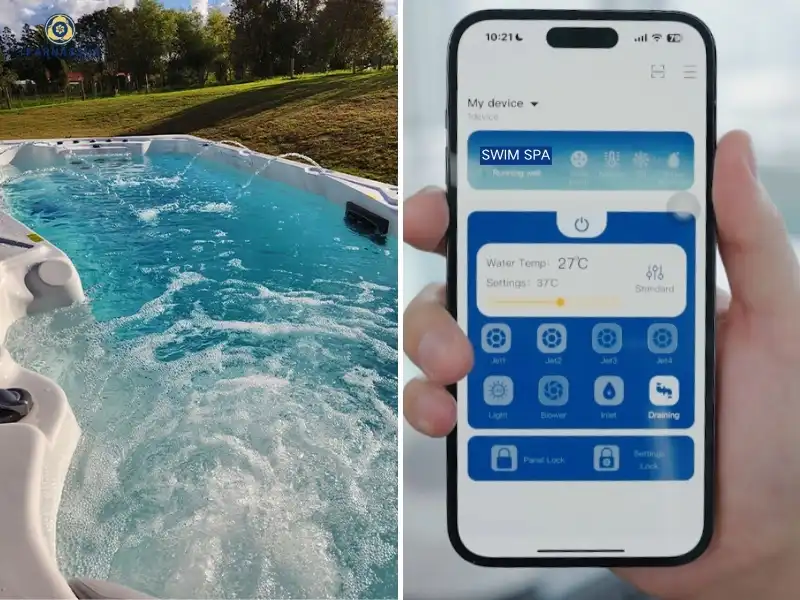
Smart technology has changed how things can be done. IoT-enabled controls let building managers check on and change settings from afar, and water quality sensors show the chemical balance and filtration state in real time. Predictive maintenance alerts find problems before they break down, which saves money on fixes and keeps services from being interrupted.
Modern control systems let you connect your smartphone and check the water level and operation state in real time. Intake and discharge functions can be controlled remotely, and self-defence programs will start automatically in dangerous situations without any help from a person. These systems have features like one-key remote locks, protections against high and low temperatures, and water shortages that make them more convenient and safe.
Sustainability Commitments
Environmental factors are becoming more and more important in buying choices. Companies that use eco-friendly products and try to get green production certifications are more likely to get business from companies that already have CSR promises. Energy-efficient power supply systems, which can include automatic heat pump integration, lower energy use while keeping performance at its best. These smart design choices help businesses meet stricter sustainability standards and support long-term procurement goals by reducing their impact on the environment.
Future-Proofing Investments
When smart technology and environmentally friendly methods come together, they make installations that are useful even as rules and expectations change. Touch-sensitive control screens that are waterproof and have easy-to-use interfaces mean that users don't need much training. Automatic reminders to refill the water tank and smart monitoring systems make operation easier, requiring less expertise for day-to-day management.
Trend Toward Minimalist and Space-Saving Designs
Urban Installation Solutions
More and more people want small, space-saving systems like Inground Swim Spa because of limitations on urban growth and the needs of private facilities. Modern designs make things more useful without lowering their performance, giving you all the features you need in a small area. Innovative shapes, different depths, and smart component placement make the most of every dimension, creating installations that are both beautiful and useful for exercise and relaxation.
Direct Drain Systems
Modern models have direct drain systems that make yearly upkeep easier and speed up water changes. This function is especially useful in business settings, where reducing downtime directly affects sales. When drainage is faster, cleaning, repairs, or yearly winterisation can be done more quickly, which increases operating flexibility.
Global Case Studies
The installations in Europe and North America show how space constraints can be overcome without lowering quality or customer satisfaction. Small exercise workshops, wellness centers in cities, and pieces on the roofs of resorts all show how smart design can work in difficult settings. These projects are part of a worldwide trend toward flexible solutions that provide high-quality experiences within actual space constraints.
Conclusion
These seven design trends show where Inground Swim Spas are right now, meeting the high-end needs of custom builders, architects, resort developers, and owners of high-end homes. Integration of seamless architecture, energy efficiency, multifunctionality, long-lasting building, easy installation, smart technology, and space optimisation all work together to solve long-standing problems in making high-quality aquatic settings. The combination of smart features like movable service access and tablet controls with powerful performance, like triple 3.0HP pump systems, shows that the industry has grown up. As sustainability and operational efficiency continue to grow in importance, they will shape future innovations and provide immediate value to projects that are trying to find a balance between good looks and good performance.
FAQ
1. What makes inground swim spas different from traditional pools?
Inground Swim Spas are small but have powerful new-generation systems that let you swim laps in areas that are too small for regular pools. They have therapeutic features and keep the water at a temperature that makes it usable all year while using less energy than regular pools. The design is multifunctional, so it can be used for exercise, leisure, and therapy all in one place.
2. How much space do I need to reserve for installation?
Modern designs with movable service access only need the space that fits the product, so they don't need the extra space that was needed for perimeter maintenance access in the past. This new technology makes it possible to install things in places that weren't possible before, like against walls or in small outdoor spaces. Specific sizes depend on the model, but this new technology makes a big difference in how much space is needed compared to traditional setups.
3. What maintenance requirements should commercial buyers expect?
Testing the chemical of the water chemistry, cleaning the filters, and checking the equipment every so often are all part of routine upkeep. Modern filtration systems cut down on the need for chemicals and make repair times longer. Designs with organised service access and built-in ladders make it easier for technicians to do their jobs, which cuts down on service time and costs. A lot of companies offer repair contracts that make it easy to plan your operational costs.
Partner with iParnassus® for Your Next Inground Swim Spa Project
Shenzhen iParnassus Intelligent Spas Co., Ltd. has been making specialised products for 18 years and is the leader in intelligent water systems. We work on Inground Swim Spa projects. We are a manufacturer of Inground Swim Spas with 80 patents. We offer new solutions for custom builders, landscape planners, and resort owners who want to seamlessly connect their outdoor spaces.
Our most advanced models have powerful triple-pump configurations, fully waterproof movable service access, and direct drain systems that meet the strictest performance needs. The iParnassus® smart control system lets you connect your smartphone, watch it from afar, set up automatic safety measures, and run it in a way that uses less energy, which lowers long-term costs and improves the user experience. Our engineering team works closely with you to make sure that the technical specifications match your aesthetic vision and operational goals, whether you're looking for an Inground Swim Spa supplier for a boutique hotel development or planning amenities for a luxury villa. For your next job, email our buying experts at info@iparnassus.com to talk about unique solutions, full guarantee programs, and easier installation support.
References
1. Anderson, M. & Thompson, R. (2023). "Commercial Aquatic Facility Design: Trends and Best Practices." Journal of Hospitality Architecture, Vol. 47, pp. 112-128.
2. Chen, L. (2024). "Energy Efficiency in Luxury Spa Installations: A Comparative Analysis." International Journal of Sustainable Building Technology, Vol. 15, No. 2, pp. 89-104.
3. European Spa Association. (2023). "Design Standards for Inground Hydrotherapy Systems in Commercial Settings." Brussels: ESA Publications.
4. Mitchell, K. & Paulson, J. (2024). "Smart Technology Integration in Wellness Facilities: ROI and User Satisfaction Metrics." Facilities Management Quarterly, Vol. 31, pp. 45-61.
5. Robertson, S. (2023). "Material Durability in Commercial Aquatic Installations: A 10-Year Longitudinal Study." Building Materials Research Journal, Vol. 28, No. 4, pp. 201-219.
6. Wilson, D. & Martinez, A. (2024). "Space Optimization in Urban Wellness Design: Case Studies from North America and Europe." Architectural Digest Professional, Vol. 19, pp. 78-95.

Send Inquiry