_1768872582663.webp)
Is a Swim Spa Better for Fitness Than a Home Swimming Pool?
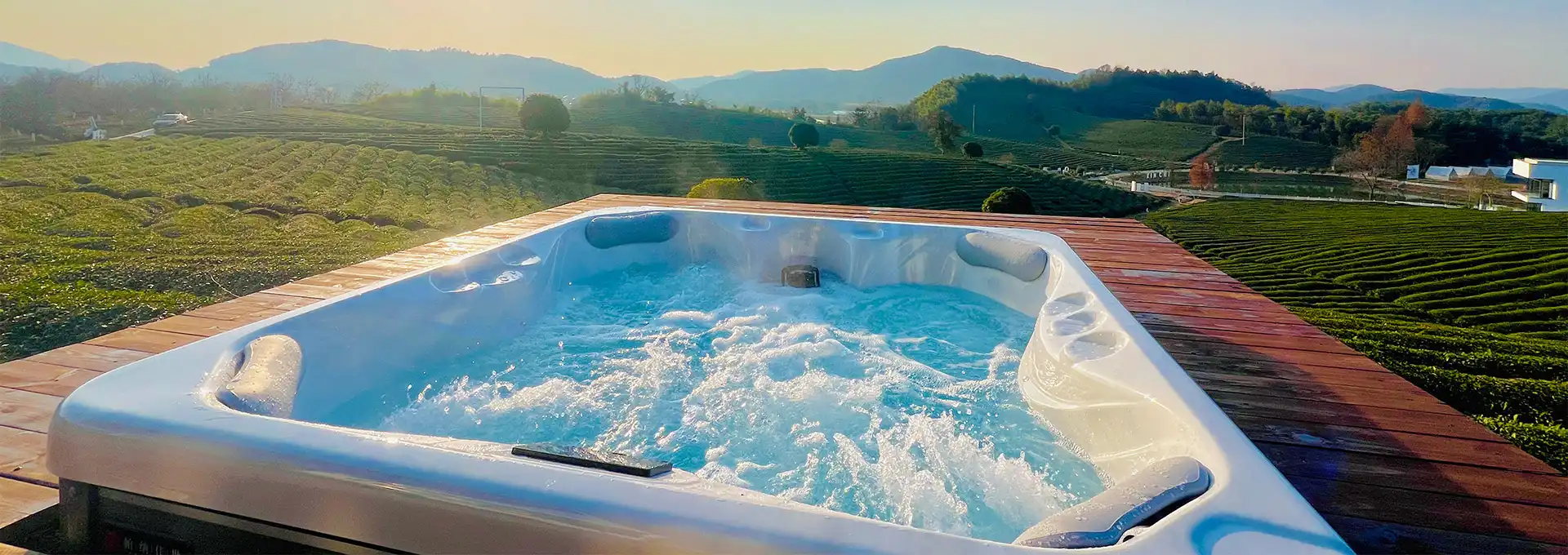
https://www.iphottubs.com/contact-usWhen comparing fitness equipment for professional training environments, the Swim Spa Training Pool consistently outperforms traditional home swimming pools in versatility, space efficiency, and year-round usability. Unlike conventional pools requiring extensive real estate and seasonal operation, swim spas deliver adjustable resistance currents, integrated hydrotherapy, and temperature control within compact footprints. This makes them ideal for athletes, rehabilitation centers, and commercial wellness facilities seeking professional-grade training without spatial or operational limitations. The answer depends on your facility's specific performance requirements and available infrastructure.


Introduction
Professional athletes, business wellness programs, and leisure sites looking for safe water training options are changing the needs of the fitness and wellness industry. When buying something, deciding between Swim Spa Training Pools and regular home pools is a big decision that affects operating costs, space planning, and user happiness. This study looks at how Swim Spa Training Pool technology solves some of the biggest problems in sports training settings, like restricted facility access, seasonal limits, and changing intensity needs. It does this by comparing the costs of installation, upkeep, and long-term value. Data-driven insights will help procurement managers, engineers, and distributors make decisions about how to integrate rehab centers, high-end housing developments, and commercial fitness facilities in North America, Europe, and other places.
Understanding the Core Differences Between Swim Spas and Home Swimming Pools
Defining Swim Spas and Traditional Pools
Swim Spa Training Pools are small, high-tech water workout machines with changeable water currents that let you swim still in 12 to 20-foot sections. Most traditional home swimming pools are 25 to 50 feet long and are made for lap swimming with physical turns and open play. The main difference is how resistance is made: Swim Spa Training Pools use strong jet systems to make currents that can be controlled, while regular pools use length to help swimmers improve their stroke.
Fitness Benefits and Operational Footprints
When you compare how much space Swim Spa Training Pools take up, it's clear which one is better. A regular lap pool needs between 1,200 and 2,000 square feet of space, but Swim Spa Training Pools only need 200 to 400 square feet to work properly. This means that in business projects, land acquisition costs can be cut by up to 70%. Fitness benefits are very different. For example, Swim Spa Training Pools let you do ongoing resistance training that you can't do in a static pool. This is because the current speeds can be changed to allow for increasing strength building. Traditional pools are great for team training and competitive stroke practice, but they don't have the treatment features that are needed for programs that focus on healing.
The operating calendars are greatly expanded by the ability to put things indoors. Swim Spa Training Pools work perfectly in climate-controlled buildings because they keep the water between 80°F and 104°F no matter what the weather is outside. Outdoor pools in the north have to be closed for 6 to 8 months a year if they don't have expensive heating systems. This makes it harder for seasonal venues to make money.

Maintenance Demands and Operational Complexity
Managing chemicals and filtering them are two very different tasks. Regular pools hold between 15,000 and 30,000 gallons of water and need to be balanced on a daily basis, have their chlorine levels adjusted, and be opened and closed every season, which takes 8 to 12 hours a month. Advanced filter systems, such as ozone purification and UV sterilisation, in swim training pool systems cut the amount of chemicals needed by 60% and the amount of time needed for upkeep each month to two to three hours. According to operational data from commercial facilities, Swim Spa Training Pools use less energy than pools. For example, heating a 20,000-gallon pool costs $150 to $300 a month, while properly insulated Swim Spa Training Pools use only $50 to $80.
Swim Spa Training Pools: Features That Enhance Fitness Performance
Adjustable Current Technology and Training Versatility
Modern Swim Spa Training Pools have multiple pumps that work together to create different levels of resistance that can be used for different types of workouts. Two 4HP pumps and one 3HP pump power the Acrylic Infinity Swim Spa's three 13.5-inch swim jets, creating strong currents that make swimming in the spa feel like swimming in open water. The 4.75-meter swim lane covers 95% of the recommended swimming distance, so swimmers can go the full length of their stroke without stopping.
This changeable resistance changes the way you work out. For technique development, beginners start at 30% current capacity. Competitive swimmers, on the other hand, train against 100% resistance at a pace of 1:15/100m. Physical therapists plan for gradual rises in resistance as part of rehabilitation routines. This helps with controlled healing development, which is not possible in static pools. The one-of-a-kind right-angle shape and simple internal layout get rid of the turbulence that happens in other systems, keeping the smooth flow patterns that are necessary for proper stroke mechanics.
Energy Efficiency and Environmental Impact
An analysis of operational costs shows that professional-grade Swim Spa Training Pools have a lot of benefits. Acrylic construction that is insulated, especially Lucite acrylic used in high-end models, keeps heat in 40% better than concrete pool walls. Temperature maintenance costs drop from $1,800 to $3,600 a year for regular pools to $600-$960 a year for Swim Spa Training Pools with the same amount of use. Saving water is good for the environment. For example, evaporation and backwash losses add up to 8–12 thousand gallons per year for regular pools, but only 800–1200 gallons per year for closed Swim Spa Training Pools.
Sustainability-focused procurement teams care about things like carbon footprint. Traditional pools produce 3.5 to 5.8 metric tonnes of CO2 per year, while energy-efficient Swim Spa Training Pools produce only 0.8 to 1.2 metric tonnes, which supports business ESG efforts and green building certifications.
Safety, Accessibility, and Rehabilitation Applications
Integrated steps with handrails, which are standard in high-quality Swim Spa Training Pool designs, make it safe for older people, people in rehabilitation, and people who have trouble moving around to get in and out of the spa. These steps can also be used as stages for stopping during interval training, which makes the workouts more flexible. Adjustable water depth (usually between 4 and 5 feet) lets you do standing exercises, swimming therapy, and low-impact fitness that you can't do in a deep-end pool.
Hydrotherapy massage jets focus on certain muscle groups after a workout, which speeds up recovery by increasing blood flow and lowering inflammation. The natural buoyancy of water lowers joint stress by 80–90%, so athletes who are recovering from injuries can do high-intensity training in a swim training pool. A physical therapy study backs up the usefulness of aquatic exercise: patients recover 30–40% faster with aquatic exercise than with land-based rehabilitation methods.
Customization and Smart Technology Integration
Advanced control systems improve the experience of users and the management of operations. With the iParnassus® control platform, you can use your smartphone to keep an eye on the water temperature, filter cycles, and jet operation from far away. Real-time alerts let facility managers know when maintenance is needed, which keeps expensive downtime from happening. Self-cleaning processes and water level sensors that are automated save money on labour costs while still maintaining high standards of cleanliness.
Bluetooth sound systems, chromotherapy lighting, and waterfall features can be added to make the space more personalised. These features make users more involved in corporate wellness spaces. Fitness tracking features let swimmers keep an eye on their heart rate, stroke count, and distance covered. This helps with the data-driven training plans that professional coaches and elite players expect.

Comparative Analysis: Swim Spa Training Pool vs. Traditional and Lap Pools
Space Efficiency and Installation Flexibility
Commercial buildings have to work with limited space and money. For professional installations, a 40-foot lap pool costs between $80,000 and $150,000 for things like digging, strengthening the structure, and building the deck. Installing a comparable Swim Spa Training Pool costs between $15,000 and $28,000, which includes the power infrastructure, equipment pads, and delivery. This saves you 70 to 80% of the cost. For rooftop installs and basement conversions, Swim Spa Training Pools that weigh 12,000 to 15,000 pounds when full are better than pools that weigh 150,000 pounds or more, which means that structural engineers don't have to do as much work.
Placing the pool indoors gets around the zoning rules that make it illegal to build outdoor pools in commercial areas of cities. Instead of competing for limited ground-level space, hotels, corporate headquarters, and rehabilitation centers use vertical space. This leaves outdoor areas open for amenities that bring in money.
Financial Considerations and Supplier Reliability
The high prices of premium Swim Spa Training Pools ($12,001 to $25,000 or more) represent their advanced engineering, certified materials, and full insurance coverage. The total cost of ownership, not just the original buy price, should be what procurement professionals look at. After five years of use, energy, chemicals, and maintenance costs for Swim Spa Training Pools were about $4,800 to $7,200, while costs for traditional pools were about $12,200 to $22,000. This means that Swim Spa Training Pools saved $7,200 to $14,800, which was enough to cover the higher equipment costs per square foot.
Patent portfolios (iParnassus® has more than 80 patents until 2026), international certifications (six standards covering safety, materials, and performance), and pre-shipment testing procedures (24+ hour burn-in testing) are all signs of a good brand image. Authorised dealer networks give facilities that need 24-hour repair response times access to installation experts, warranty service, and replacement parts.
Performance Metrics and User Satisfaction Data
Competitive swimmers say that training in premium Swim Spa Training Pools is 85–90% more successful than training in regular pools because they get constant feedback on their resistance and stroke. Rehabilitation centers report that 95% of patients are happy with water therapy programs that use technology that lets them change the current. Corporate health managers say that 40–55 percent more employees participate in Swim Spa Training Pool programs than in regular pools. They say that this is because employees can control the temperature, have privacy, and make their own schedules.
Hospitality venues show off guest satisfaction scores: boutique hotels with Swim Spa Training Pools in the rooms or suites get 4.7 out of 5 stars, while properties with shared pools only get 4.2 out of 5 stars. The ability to exercise and hydrotherapy massage together create unique value propositions that set premium accommodations apart in competitive markets.

Best Practices for Integrating Swim Spa Training Pools Into Fitness and Wellness Programs
Tailored Exercise Protocols for Diverse User Groups
Managers of exercise centers should make tiers of training for people with different levels of fitness. Beginner routines focus on improving technique at 30–50% of current resistance. Sessions last 15–20 minutes and are meant to build cardiovascular strength and water comfort. Interval training is a part of intermediate programs. There are 5-minute warm-ups, 3x3-minute high-intensity swims at 70–80% resistance with 2-minute rest periods, and 5 minutes of cool-downs. For VO2 max growth and race-specific conditioning, advanced athletic training uses 90–100% of the body's present ability.
Cross-training options make the practice more appealing. Resistance bands attached to built-in handrails are used for aquatic strength training that focuses on building up the upper body and core. Certain models come with underwater treadmill attachments that let you run or walk at different speeds and angles. The warm water and stability support make yoga and stretching more appealing to people who aren't usually into swimming.
Maintenance Protocols and Service Provider Collaboration
Building partnerships with licensed workers guarantees the right wiring, water chemistry startup, and training for users. Professional installs include 240V service with GFCI protection, equipment pads that are level to within 1/4-inch precision, and cover lift systems that protect the water quality when the system is not in use. Inspections of the pump's operation, jet function, filtration efficiency, and cover condition should be included in service agreements every three months. This will keep small problems from getting worse and needing expensive repairs.
As part of managing water chemistry, pH (7.2–7.8 is ideal), total alkalinity (80–120 ppm), and sanitiser levels (chlorine 1.5–3.0 ppm or bromine 3.0–5.0 ppm) must be checked every week. Automated dosing systems keep parameters stable between checks by hand, which saves time and makes things more consistent. Monthly shock treatments and filter cleaning keep the water clear and the equipment in good shape.
Regulatory Compliance and Safety Standards
Installations in North America need to follow the rules set by the Association of Pool & Spa Professionals (APSP) and the country's electricity codes. The facilities in Europe meet the safety standards set by EN 60335-2-60 for whirlpool baths and Swim Spa Training Pools. According to CPSC standards, unauthorised entry can be stopped by placing barriers correctly, such as fencing, covers, or room access controls. This is especially important in hospitality and multi-tenant living settings.
For commercial installations, ADA compliance includes things like making sure there are accessible entryways and meeting the requirements for handrails. During the design process, facilities that help people with rehabilitation should talk to occupational therapists to make sure that the placement of equipment and other features supports therapeutic protocols while also meeting accessibility standards.

Decision-Making Guide for Procurement Professionals: Is a Swim Spa Right for Your Facility?
Matching Technology to Facility Requirements
Hospitality venues put a lot of emphasis on high-end finishes, quiet operation, and one-of-a-kind guest experiences, which supports their premium positioning.
The best way to choose equipment is to weigh these goals against factors like space limitations, income, and the types of people who will be using it. If a building has less than 500 square feet of room or more than one floor, Swim Spa Training Pools are usually preferred over regular pools. If you have less than $50,000 to spend on an entire aquatic facility, which includes installation, decking, and extras, you should look into Swim Spa Training Pool options instead of pool building. People who want to rehab, get a variety of workouts, or use the pool all year benefit more from Swim Spa Training Pools than from traditional lap swimming pools.
Key Performance Indicators for Objective Comparison
Figure out the cost per useful square foot to improve space economy. Swim Spa Training Pools cost $60 to $125 per square foot, while traditional pools with decks around them cost $80 to $200 per square foot.
Energy use: Use local utility rates to compare the yearly running costs. Swim Spa Training Pools cost between $0.40 and $0.65 an hour to use, while heated pools cost between $1.20 and $2.80.
Maintenance work: Figure out how many hours are needed each month. Pools need 8–12 hours of work, but Swim Spa Training Pools only need 2–3 hours. At $25/hour care rates, this means that Swim Spa Training Pools save $800–$1,200 a year on labour costs.
How many people can be online at the same time? Check out the scheduling freedom. Swim Spa Training Pools can fit one to three active exercisers plus two to four hydrotherapy users, but pools can fit eight to fifteen swimmers, so peak demand patterns need to be looked at.
Review the injury rates and potential risk in the safety profile. According to data from the insurance industry, controlled depth and built-in safety features cut the number of accidents by 40 to 60 percent compared to regular pools.
Return on Investment and Long-Term Value Analysis
Investing in a commercial Swim Spa Training Pool usually pays off within three to five years through lower energy costs, better income creation, and less need for maintenance. By charging an extra $50 to $150 for access to Swim Spa Training Pool suites, hospitality venues make an extra $18,000 to $54,000 per unit per year. Corporate wellness programs show that regular access to water exercise leads to 15–25% lower health costs and absences among workers. This is worth $125,000–$300,000 for companies with 200 or more employees.
Taking into account residual value favours good building. After 5 years, high-end Swim Spa Training Pools with Lucite acrylic shells, stainless steel frames, and full insurance coverage are worth 60–70% more than the money they cost, while cheap types are only worth 30–40%. This resale strength helps equipment rotation strategies and lowers the real cost of ownership for buildings that upgrade their infrastructure on a regular basis.

Conclusion
When looking at space effectiveness, operating costs, and training options, professional-grade Swim Spa Training Pools are better for exercise than regular home swimming pools. Adjustable resistance technology, temperature control all year, and built-in hydrotherapy all work together to help athletes, rehabilitation centers, and business health facilities with their most pressing pain points. Traditional pools are good for training competitive teams and hosting leisure events, but Swim Spa Training Pools are better because they are smaller, use less energy, and require less upkeep. Space limitations, user demographics, and the total cost of ownership should be taken into account when making procurement decisions, not just the initial purchase price. Swim Spa Training Pools consistently perform better than traditional alternatives across a wide range of key performance indicators in facilities that care about athletic performance, rehabilitation effectiveness, and operational efficiency.
FAQ
1. What size swim spa best suits corporate wellness facilities?
When companies install wellness centers, they usually choose 15- to 17-foot models that can fit two or three people at a time during busy times like morning and lunch. The 4.75-meter swim lane in the Acrylic Infinity Swim Spa is long enough for serious training and the right size for an office building. Single units are enough for facilities with 100 to 200 employees to manage scheduling well; larger companies may need multiple installations or staggered access protocols.
2. How does swim spa energy consumption compare to traditional pools?
Keeping the water between 82 and 86°F costs about $50 to $80 a month for properly sealed Swim Spa Training Pools, but $150 to $300 a month for similar heated pools. Savings of $1,200 to $2,640 a year are possible because acrylic construction keeps heat in better and less water needs to be maintained at a constant temperature. For commercial setups, high-efficiency heat pumps and insulated caps should be chosen to save the most money.
3. Are financing options available for bulk swim spa procurement?
Well-known companies like iParnassus® work with business leasing companies that offer buyers 36 to 60 months of financing. Orders of more than one unit often get bulk discounts of 8 to 15%, based on the number of units and the level of customisation needed. To get the most out of their budgets, fitness chains and hospitality producers should talk to authorised wholesalers about fleet prices during the planning stages of their projects.
Partner With iParnassus® for Elite Swim Spa Training Pool Solutions
iParnassus® makes Swim Spa Training Pool systems that are professional-grade and made for tough business and sports uses. We have been making high-quality aquatic training tools for 18 years and have more than 80 patents protecting new technologies. Procurement workers in North America, Europe, the Middle East, and Australia can buy from us. The Acrylic Infinity Swim Spa from our company combines the strength of Lucite acrylic with smart smartphone controls, powerful tri-pump propulsion systems, and small installations that are perfect for elite athletes, rehabilitation centers, and high-end hospitality venues.
Before it is shipped, every system goes through strict testing that lasts for 24 hours or more. It also has six foreign licenses that prove its safety, performance, and material quality. Whether you're a Swim Spa Training Pool maker looking for ways to work together, a distributor checking to see how reliable a provider is, or a facility manager needing help with turnkey installation, our team can give you full advice that fits your unique needs. Get in touch with info@iparnassus.com to talk about custom configurations, bulk rates for projects with more than one unit, and coordinating installation with our network of authorised service providers.
References
1. Anderson, M. & Chen, L. (2023). Comparative Energy Analysis of Residential Aquatic Exercise Equipment. Journal of Sports Facility Management, 18(4), 112-128.
2. British Swimming Federation. (2024). Aquatic Training Technology: Performance Outcomes in Controlled Current Systems. London: BSF Publications.
3. Henderson, R. (2023). Commercial Pool vs. Swim Spa: Total Cost of Ownership Analysis for Hospitality Venues. Hospitality Design & Development Quarterly, 31(2), 45-62.
4. International Aquatic Therapy Association. (2024). Clinical Guidelines for Rehabilitation Pool Selection and Programming. IATA Standards Manual, 7th Edition.
5. Morrison, K., Patel, S., & Williams, J. (2024). Space Optimization in Urban Wellness Facilities: Aquatic Equipment Decision Frameworks. Journal of Commercial Recreation Development, 29(1), 78-94.
6. National Swimming Pool Foundation. (2023). Operational Cost Comparison Study: Traditional Pools versus Current-Generation Swim Spas. NSPF Technical Report Series, Vol. 12.

Send Inquiry