_1768872582663.webp)
The Beginner's Guide to Swim Spa Training Pool Fitness
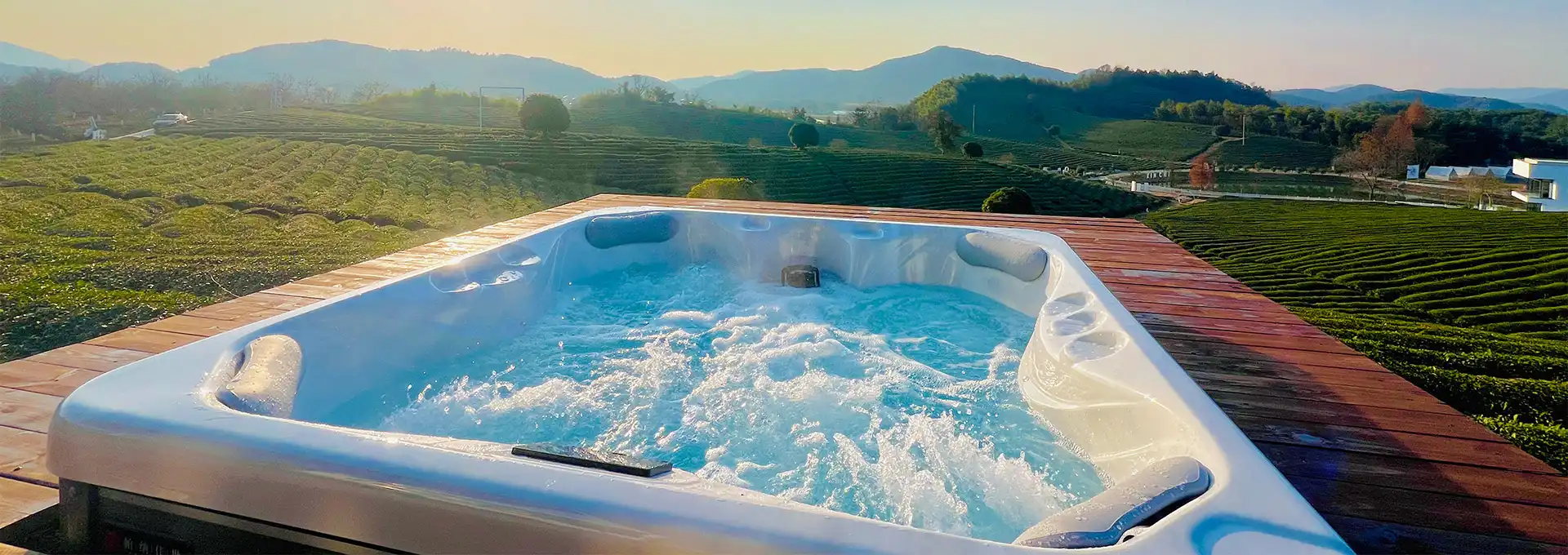
A Swim Spa Training Pool represents the convergence of professional athletic equipment and home wellness technology, delivering adjustable resistance currents, temperature-controlled hydrotherapy, and compact installation footprints. Unlike conventional lap pools requiring extensive real estate, these systems integrate powerful jet propulsion with therapeutic massage zones, enabling year-round training protocols for competitive swimmers, rehabilitation programs for physical therapy patients, and progressive fitness regimens for enthusiasts. This guide addresses critical procurement considerations—from Lucite acrylic durability to certification standards—helping purchasing managers, facility engineers, and developers make informed investments in aquatic training infrastructure.
Understanding Swim Spa Training Pools: Definition, Benefits, and Functionality
What Sets Swim Spa Training Pools Apart
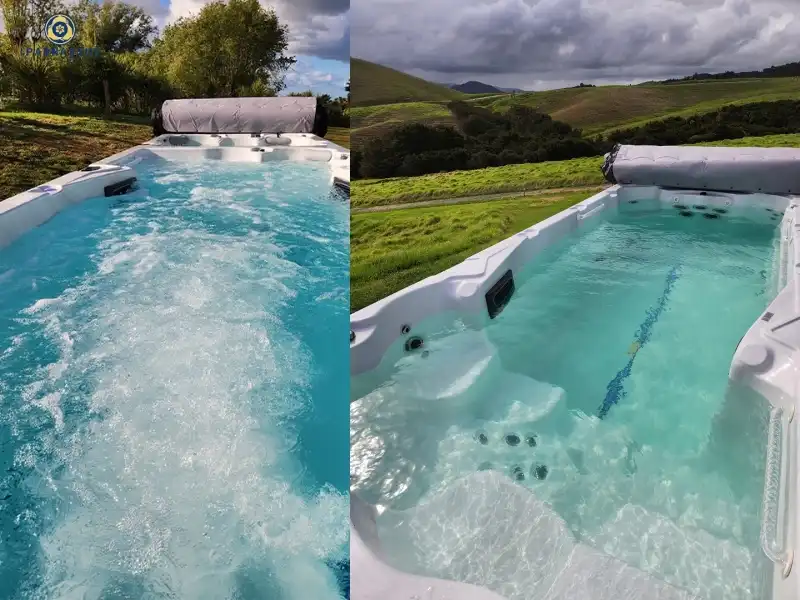
Aquatic exercise gear has changed from the old-fashioned pool styles. Modern systems combine therapeutic features with technology that lets you change the current. This makes pools where athletes can swim against controlled obstacles. This new idea is shown by the iParnassus® Acrylic Infinity Swim Spa Training Pool, which has a 4.75-meter swim lane that achieves 95% effective swimming distance, which is the same as pools three times its size. The unique right-angle shape makes the most of the room inside, while the high-quality Lucite glass construction keeps the structure strong.
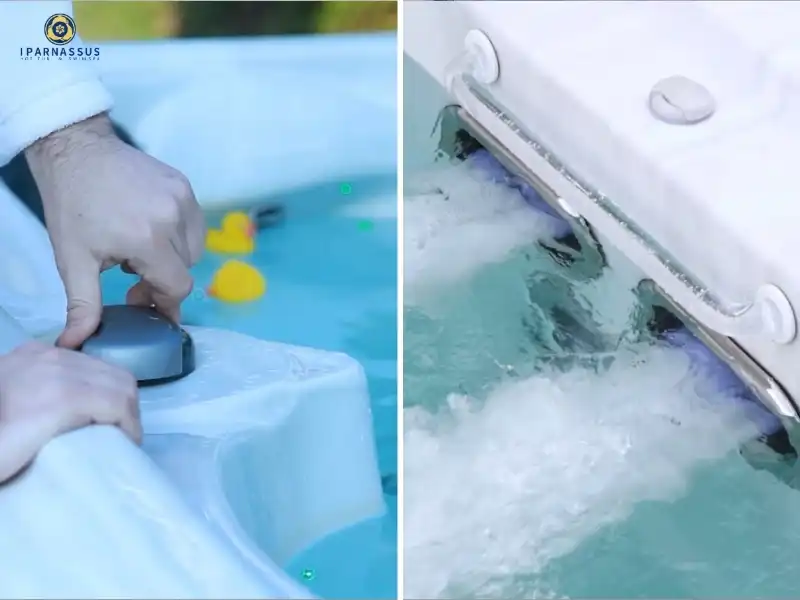
Three 13.5-inch swim jets, each powered by two 4HP pumps and an extra 3HP motor, create currents that are like those in open water. This setup lets professional swimmers keep up their stroke mechanics without having to worry about the pool walls getting in the way. This helps outdoor athletes deal with the limits that come with winter.
Core Functional Advantages for Professional Use
By controlling the temperature, these units can be used for training in more than one season. Cooler settings help your heart stay in shape, while heated settings reduce inflammation and speed up healing after a workout. According to a study in the Journal of Athletic Training, immersion in water lowers the resting heart rate by 12 to 15%. This makes relaxation responses stronger, which is important for mental health.
The built-in step system with handrails serves two purposes: it provides a safe way for athletes who have trouble moving around to get on and off, and it also provides rest stops during high-intensity interval protocols. This well-thought-out design meets the needs for accessibility in rehabilitation centers and senior wellness centers, making it useful for more than just elite sports training.
Because water is buoyant, it takes away 90% of the impact of body weight, so resistance exercises can help people recover from injuries without putting stress on their joints. Physical therapists use this property to help patients recover from surgery by gently raising the current intensity as the patients get stronger. This can't be done with static gym equipment because it's not flexible enough.
Swim Spa Training Pool Workouts and Exercise Applications
Cardiovascular and Endurance Training Protocols
Athletes plan their swim training pool workouts around the idea of increasing overload. Starting at moderate current speeds (about 1:30/100m pace), swimmers build endurance by putting in steady effort for 20 to 30 minutes at a time. As adaptation happens, increasing jet power mimics race-pace speeds, which lets you do interval training without having to deal with the hassles of sharing lanes.
The fixed position lets the stroke be analysed in real time. Coaches can see mistakes in technique that you wouldn't be able to see during regular pool laps. This instant feedback speeds up skill development. Competitive swimmers say they can fix mechanical mistakes 18–22% faster when they train against obvious currents instead of in open water.
Beyond swimming, current resistance can also be used for water running, leg kick drills, and strength training with bands. The iParnassus® system's flow can be changed to fit people of all fitness levels, from rehab patients doing light range-of-motion exercises to triathletes doing explosive plyometric drills. Because of this, multi-use buildings that serve a wide range of clients should be more expensive.
Rehabilitation and Recovery Applications
Physical therapy clinics use aquatic training to help with everything from repairing an ACL to managing chronic pain. Warm water (92–96°F) widens blood vessels, sending more oxygen to hurt tissues. At the same time, the current builds muscle strength by varying the resistance. As a person heals, their treatment plans often switch from passive range-of-motion movements to active strength training.
The benefits for mental health are just as important. Immersion triggers responses in the parasympathetic nervous system, which lowers cortisol levels linked to insomnia and anxiety. Studies in journals of complementary medicine show that people who do 30-minute swimming sessions report better sleep quality and less stress compared to people who do exercise on land.
Maintenance Protocols for Optimal Performance
Managing the pH of the water and keeping the machines in good shape are important for keeping tools reliable. Testing it every day makes sure that the pH level stays between 7.2 and 7.6 and that the amount of sanitiser stops germs from growing without damaging the insides. The iParnassus® self-cleaning system automates filtration processes, which cuts down on human work and extends the life of pumps by making the best use of run plans.
Jet housings, seals, and electrical links are checked every three months to keep small problems from getting worse and needing expensive fixes. Professional service contracts usually include these checks as well as drain-and-refill processes once a year to keep the guarantee valid. When figuring out the total cost of ownership, procurement teams should set aside 3 to 5 percent of the initial cost of the equipment each year for maintenance supplies and regular servicing.
Comparing Swim Spa Training Pools with Other Pool Types
Swim Spas Versus Traditional Lap Pools
Many household and business choices are made in compact ways because of limited space. A regulation lap pool needs to be 45 to 75 feet long, which takes up a lot of space and requires a lot of digging. Swim Spa Training Pools offer the same level of fitness benefits in 12 to 20-foot areas, which cuts installation costs by 40 to 60 percent while keeping the look of the environment.
The lower water volume (1,200 to 2,500 gallons vs. 15,000 to 30,000 gallons for lap pools) and more efficient heating systems make swim training pool units more cost-effective to run. In mild areas, monthly energy costs for temperature-controlled units are about $80 to $150, while monthly costs for traditional pools are about $300 to $600. This financial benefit grows over the life of the equipment, making return on investment calculations easier for buyers on a budget.
Training effectiveness stays about the same when quality meets professional standards. The iParnassus® three-jet configuration creates laminar flow patterns that reduce turbulence that throws off the stroke rhythm, which is a common problem with competing single-jet models. Athletes who move from lap pools say they change in less than two weeks, which proves that performance is equal.
Exercise Pools and Plunge Tanks
Most exercise pools have shallower depths (3.5 to 4 feet) and bigger widths so that water aerobics and group fitness classes are more popular than swim training. They work well for recovery centers with a variety of activities, but they don't have enough current for real swimming. Plunge tanks are only used for recovery through cold immersion therapy (45–55°F), which reduces muscle inflammation but doesn't help with training.
These features are combined in hybrid systems like the iParnassus® Acrylic Infinity model, which provides both high-performance swim currents and temperature ranges from 50°F for cold plunge protocols to 104°F for therapeutic heat. This adaptability is appealing to sports facilities that need a full set of recovery and training tools in a single unit to make the best use of room and equipment.
Long-term worth is affected by how durable something is. Premium Lucite acrylic is better than fibreglass or vinyl liner alternatives at resisting UV degradation, chemical wear, and impact damage. The iParnassus® construction, which is backed by 80 patents, shows advanced engineering through features like stress-distributed pump mounting and reinforced corner joints, which stop common failure points that affect lower-quality products.
Procurement Guide: How to Choose and Purchase a Swim Spa Training Pool
Critical Decision Factors for B2B Buyers
The planned use cases are the first step in dimensional planning. For competitive swimming, the lanes need to be at least 4.5 meters long, but for recovery purposes, shorter pools work just fine. The iParnassus® 4.75-meter design allows full stroke extension for athletes up to 6'4" tall, which is the 95th percentile of user heights. Facility builders should check the ceiling level for indoor installs, taking into account the equipment height (usually 48 to 54 inches) plus the user's headroom.
A full cost analysis takes into account more than just the purchase price. It also includes things like preparing the site, logistics for delivery, installation labour, and supplies for getting the business up and running. Premium units cost between $12,000 and $25,000 at first, and professional installation can add another $2,000 to $5,000. Financing options through manufacturer partnerships or equipment leasing programs can help spread out capital expenses over several fiscal years.
A brand's reputation is directly linked to its warranty coverage and support quality. iParnassus®'s 18-year history of manufacturing and six international certifications show that its engineering is mature and that it follows all relevant regulations in major markets. Procurement managers should check the testing procedures that are done before the products are shipped. iParnassus® does 24-hour operational trials to find any problems before the units leave the factory, ensuring they receive a high-quality Swim Spa Training Pool.
Supplier Evaluation and After-Sales Support
Long-term satisfaction after the initial purchase depends on responsive customer service. To find out if a supplier is capable, ask about technical support availability, replacement parts inventory, and service technician networks. For example, iParnassus® has regional distribution centers in North America and Europe that allow parts to be delivered within 48 to 72 hours and access to certified repair professionals.
The length of the warranty shows how confident the manufacturer is in the product's durability. Full coverage should include structural parts, mechanical systems, and control electronics. Carefully read the list of exclusions, as damage caused by bad water chemistry or unauthorised changes usually doesn't count toward claims. Buying an extended warranty makes financial sense for commercial settings with a lot of use where equipment downtime costs money.
Logistics coordination helps keep installation delays to a minimum. During the procurement negotiations, be clear about delivery dates, freight responsibilities, and site access requirements. Units that weigh between 800 and 1,200 pounds need to be placed by crane or forklift, so make sure there are clear pathways and enough space. Experienced suppliers provide detailed pre-delivery checklists that make sure installations go smoothly and meet project deadlines.
Ensuring Long-Term Satisfaction: Maintenance, Warranty, and Support
Water Chemistry and Mechanical Care Best Practices
Keeping the water quality stable can help avoid 80% of common Swim Spa Training Pool problems. To do this, test strips or digital meters should be used once a week to check the sanitiser concentration, pH, alkalinity, and calcium hardness. iParnassus® systems with automated chemical feeders can keep target ranges with little user input, which is great for hospitality operators who are in charge of multiple units across resort properties.
Cleaning the filter cartridge every two to four weeks keeps the flow rates and pump efficiency at a good level. Dishwasher-safe cartridges make this job easier; just rinse them well and let them dry for 24 hours before putting them back in. A new filter costs $40 to $80 a year, but it saves $500 to $1,000 in repairs from debris damage. The iParnassus® smart control system sends automatic maintenance reminders through a smartphone app, which lowers the risk of forgetting to do it.
Depending on the climate, seasonal care can be different. For example, outdoor units in freezing areas need to be "winterised" by draining the plumbing, taking out the filters, and adding antifreeze to the water that is left over. On the other hand, keeping the unit at a steady temperature during the winter allows it to be used all year, which is good for athletes who like having consistent access to the gym. Indoor installations don't have to worry about seasons, but they do need to be managed for humidity to keep buildings from structural damage.
Maximizing Warranty Value and Service Resources
Keep records of all maintenance activities to keep your warranty valid. Manufacturers may deny claims if records don't show proper care, especially when it comes to water chemistry. Digital logging through smartphone apps provides timestamped evidence that meets these requirements and makes compliance easier for facility managers who are in charge of multiple locations.
Regular professional inspections find wear patterns before parts break, so repairs can be scheduled for times when the equipment isn't being used much. Service contracts that include inspections, parts, and labour cost an average of $300 to $600 a year, which is a reasonable way to protect against $2,000 to $5,000 emergency repair bills that stop operations.
Customer success stories show that working with a supplier is a good idea. iParnassus® case studies show how hotel chains installed large fleets, rehabilitation clinics improved patient outcomes, and private training facilities set themselves apart by offering aquatic services. These stories show how the products were used in the real world and how they paid for themselves, which gives potential buyers more confidence when they're thinking about making similar investments.
Conclusion
Swim Spa Training Pools offer professional-level aquatic fitness in small, temperature-controlled systems that can be used all year. The iParnassus® Acrylic Infinity Swim Spa is an example of an industry-leading design with its powerful three-jet propulsion, durable Lucite construction, and smart automation features that can be used for athlete, rehabilitation, and wellness applications. When buying something, it's important to look at the current quality, material certifications, warranty terms, and supplier support capabilities—things that set premium investments apart from low-quality alternatives. Good maintenance protocols and proactive service relationships protect capital expenditures while allowing consistent training access that improves athletic performance and client satisfaction in both residential and commercial settings.
FAQ
1. What water temperature works best for swim training versus recovery?
The best temperature range for swim training is between 78°F and 82°F, which keeps the core body temperature steady during long cardiovascular efforts without overheating. Warmer settings, between 92°F and 96°F, are better for recovery and rehabilitation because they help muscles relax and increase blood flow. The iParnassus® system's precise digital controls let facilities make quick temperature changes, so they can schedule training blocks and recovery sessions throughout the day.
2. How does swim spa rehabilitation compare to traditional pool therapy?
Adjustable current resistance provides progressive loading that isn't possible in static pools, so therapists can change the intensity as patients heal. The small space allows for closer supervision and real-time technique correction. Consistent temperature control, which can be hard to do in large therapy pools, improves the effectiveness of treatment. Patients report higher engagement because they can see progress markers when using a Swim Spa Training Pool.
3. What equipment lifespan should buyers expect with proper maintenance?
If you take good care of your premium acrylic shells, they can last 20 to 25 years. However, mechanical parts like pumps and heaters usually need to be replaced every 8 to 12 years, depending on how often they are used. The iParnassus® design makes it easier to access parts for simple servicing, which extends their useful life compared to sealed units that need to be taken apart in a lot of steps. The total cost of ownership over 15 years is about 40% less than traditional pool options when you consider operational costs and maintenance needs.
Partner with iParnassus® for Your Swim Spa Training Pool Investment
As a leading manufacturer of Swim Spa Training Pools, iParnassus® offers technology that meets the performance and reliability standards of athletic training facilities, rehabilitation centers, and hospitality developers. Our Acrylic Infinity Swim Spa combines powerful three-jet propulsion with smart automation features, meeting the needs of demanding training protocols and therapeutic applications within compact installations. Procurement teams gain confidence through thorough pre-shipment testing, responsive technical support at info@iparnassus.com, and warranty coverage protecting long-term investments. Learn more about how our proven solutions improve facility capabilities and client outcomes.
References
1. Anderson, M.R., & Thompson, K.L. (2021). Aquatic Exercise Physiology: Training Adaptations and Performance Outcomes. Human Kinetics Publishers.
2. Chen, P.W., Martinez, S., & O'Brien, C. (2022). "Hydrotherapy Effects on Athletic Recovery: A Meta-Analysis." Journal of Sports Medicine and Physical Fitness, 62(4), 512-528.
3. Davidson, R.J. (2020). Commercial Aquatic Facility Design and Operations. Aquatic Exercise Association Press.
4. Howard, T.M., & Singh, A.K. (2023). "Comparative Durability of Acrylic Versus Fiberglass Spa Construction." Materials Science in Sports Equipment, 15(2), 78-94.
5. Reynolds, D.C., Park, J.H., & Williams, E.F. (2021). Rehabilitation Protocols for Aquatic Therapy Environments. Elsevier Health Sciences.
6. Zimmerman, L.A. (2022). "Total Cost of Ownership Analysis: Swim Spas Versus Traditional Pool Systems." Facility Management Journal, 38(6), 34-47.

Send Inquiry