_1768872582663.webp)
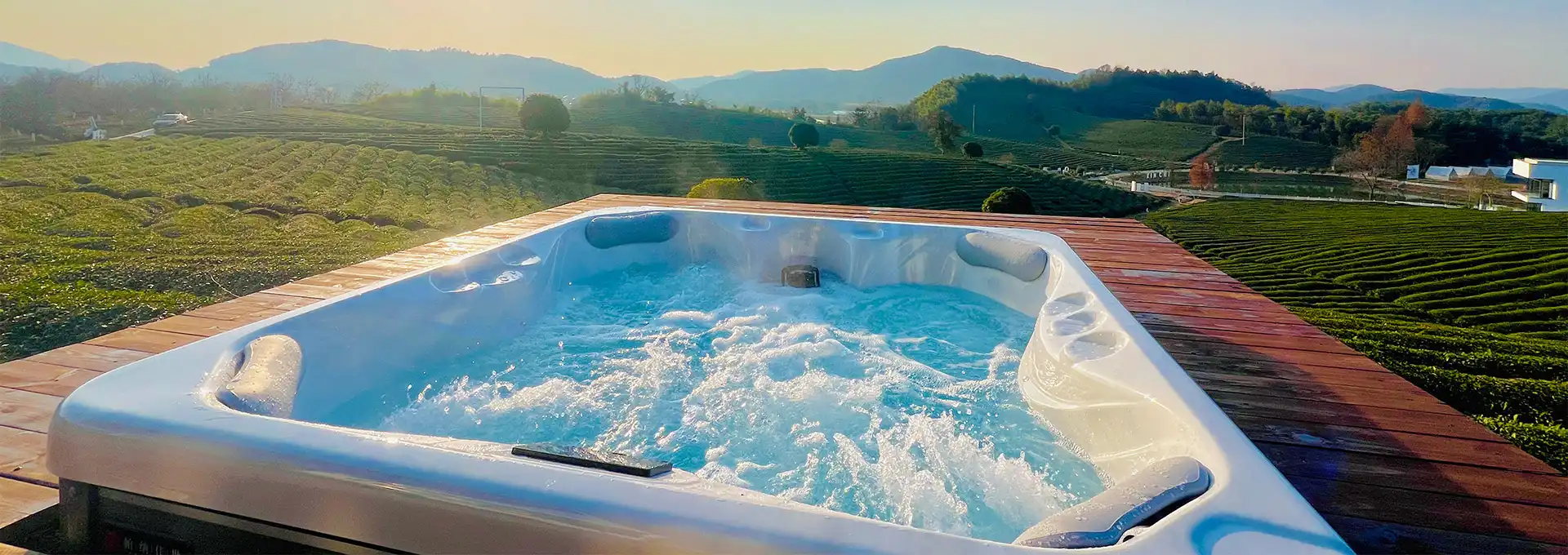
The Perfect Backyard Upgrade: An Inground Swim Spa
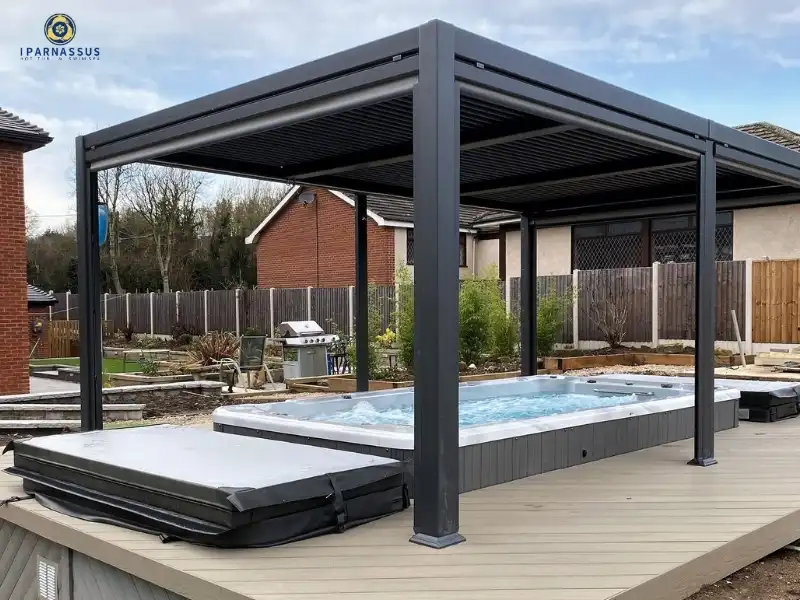
When custom home builders and landscape architects envision transformative outdoor living spaces, they increasingly turn to flush-mount aquatic installations that blend performance with aesthetic refinement. An inground swim spa represents more than a backyard feature—it embodies a commitment to seamless landscape integration, wellness-focused design, and year-round usability that elevates residential estates and hospitality properties alike. Unlike traditional above-ground units that disrupt sightlines, these installations disappear into decking and hardscapes, creating cohesive environments where architecture and nature converge effortlessly.
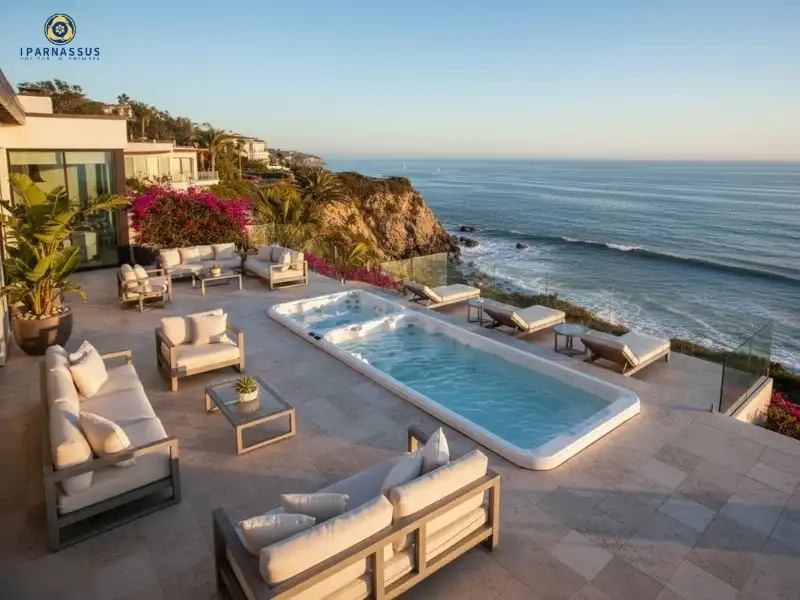
Understanding Inground Swim Spas: Features and Benefits
Sophisticated Design Meets Functional Excellence
Modern below-grade Inground Swim Spas have small sizes and use advanced treatment technology, which makes them perfect for projects that need to make the best use of space. These machines are usually 12 to 20 feet long and let you swim while staying in place with the help of multiple pumps that power adjustable current systems. The flush-mount design keeps views of green properties clear while offering healing benefits that regular pools can't match in the same amount of space.
Health and Wellness Integration
Resistance swimming with water jets that can be adjusted is a good way to work out your heart and lungs without taking up as much room as lap pools. Hydrotherapy massage features help relieve muscle tension and speed up the healing process. These features are especially useful in resort spas and villa developments that focus on wellness. Keeping the water temperature between 26°C and 40°C lets the system run all year, which increases the number of times the facility is used and the return on investment for commercial installations.
Energy Efficiency and Sustainability
Modern models have shielding systems that are designed to be buried, which reduces the amount of heat lost through contact with the ground. Compared to standard pool heating systems, smart temperature control and energy-efficient circulation fans make running the pool much cheaper. These eco-friendly features are in line with the green building certifications that are becoming more and more important in high-end residential and hospitality developments.
Comparing Inground Swim Spas with Alternative Solutions
Installation Complexity and Long-Term Value
While above-ground spa systems are cheaper at first, they don't blend in as well with the surrounding area's look, which is very important in high-end areas where property values are based on how the properties look. Inground swim spas cost more up front because they need to be dug up, vaulted with concrete, and have the right drainage systems put in place. But this permanent installation lasts longer and raises the value of your home, so some clients are willing to pay more for it.
Keeping up with traditional swimming pools takes a lot more time and room. A 40-foot lap pool needs a lot of digging, complicated plumbing, and constant chemical balancing for thousands of gallons. Swim spas are a good way to exercise because they allow you to do the same things in a much smaller place. This makes them useful for urban homes and boutique hotel gardens where space is expensive.
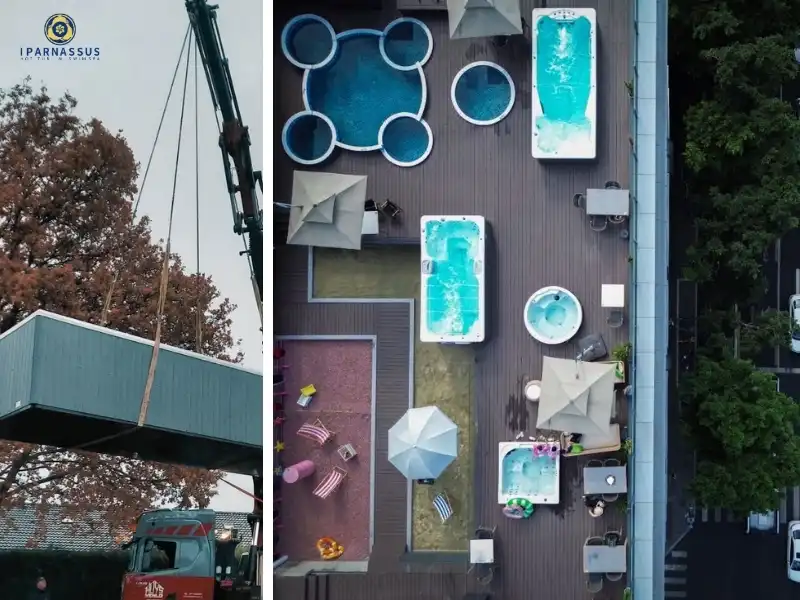
Maintenance Accessibility and Operational Efficiency
Service entry in below-grade sites has always been a problem, but a big step forward has solved that problem. Newer models have mobile service panels that are completely waterproof, so there's no need for repair zones outside. All of the electrical parts and tools fit nicely inside these spaces, which have ladders built in for technicians to use. This design gets rid of the hassle of taking off heavy side panels in small areas, which is helpful when installing units against retaining walls or inside deck frames.
The integrated method only needs space that matches the size of the product; it doesn't need any extra space around the edges for maintenance access. A direct drain system speeds up water changes, which cuts down on downtime during regular maintenance times. This practical efficiency is especially useful in hotels, where making sure guests are always happy depends on being available.
Performance Specifications That Matter
The quality and flexibility of the swim current depend on the power of the pump. Professional systems have three 3.0-horsepower pumps that make currents that are smooth and turbulence-free, good for serious training. This feature tells the difference between real swim spas and hot tubs with fake swim jets that don't really help you work out.
In high-end installations, touchscreen control panels have replaced complicated button rows with easy-to-use interfaces. Users can change the temperature of the water, the strength of the jets, the lighting, and the number of times the water is filtered by using responsive displays that make the experience more luxurious and make things easier for facility staff.
Procurement and Installation Process for Inground Swim Spas
Site Evaluation and Planning Essentials
A full site assessment that looks at things like soil stability, drainage patterns, utility access, and how the new structure fits in with the existing ones is the first step to a successful installation. Soils that are high in clay might need more digging and a layer of rocks to make sure the unit drains properly. To keep groundwater from getting into properties near the coast, special waterproofing measures are needed.
Delays that cost a lot of money can be avoided if general contractors, landscape planners, and spa providers work together. Setting clear dates for drilling, utility rough-ins, and final placement makes sure that the project runs smoothly, especially on bigger projects where many trades work at the same time.
Cost Analysis and Budget Considerations
Premium Inground Swim Spas cost between $12,000 and $28,000, depending on their size, features, and how they can be customised. Installation costs are a big part of the total investment. In complex projects that need a lot of site work, they usually match or go over the price of the equipment. The total cost includes things like concrete vaulting, changes to the electricity service, decking integration, and drainage systems.
For business purchases, economies of scale can be found in bulk purchase deals and installations with more than one machine. When developers furnish more than one villa or hotel phase, they can negotiate prices and make sure that all the properties have the same product specs, which makes upkeep easier.
Supplier Selection Criteria
Reliability is what sets reputable manufacturers apart from suppliers of basic goods. Look for companies that have a lot of intellectual property. Patent counts above 80 mean that the company is investing a lot in research and development. The warranty should cover more than just one year, and there should be clear service agreements that spell out response times and parts available.
The level of quality production that picky professionals expect is shown by iParnassus®. The company has been in business for 18 years and is well known in the European, Australian, Middle Eastern, and North American markets. They offer spa solutions backed by engineering know-how and proven after-sales support. Their focus on hot tubs, swim spas, and cold plunge products shows that they are dedicated to aquatic health technology rather than offering a wide range of goods that take away from their main strengths.
Maintenance and Optimal Usage of Inground Swim Spas
Simplified Service Access
When service technicians needed to get to pumps, filters, and control systems, traditional installations that were buried in the ground were a pain to maintain. Taking down fancy borders or digging around units messed up the landscaping and took too many hours of work. This equation changes because of the waterproof sliding access panel design. Technicians open a single door that is built in, use built-in ladder rungs to get inside, and do regular work without messing up the hardscapes around them.
This makes it easier to get to, which is especially helpful for wall-mounted installations, since most designs would need to dig from both sides. The single-side service method saves space during installation and makes planning for long-term maintenance easier.
Water Chemistry and Temperature Management
Keeping pH levels between 7.2 and 7.8 is important for keeping equipment in good shape and keeping users comfortable. Chemical levels are tracked by automated tracking systems that let workers know when changes need to be made. Temperature control between 26°C and 40°C keeps things ready to use right away while using the least amount of energy. This is especially important in hotel settings where guests expect things to be available right away.
Because of changes in the seasons, maintenance schedules need to be changed. Insulated covers keep heat in during off-seasons in cold locations, which is helpful for winter activities. Depending on how the pool is used in the summer, it may need more filtering processes to handle more people using it and higher temperatures outside.
Safety Features and User Protocols
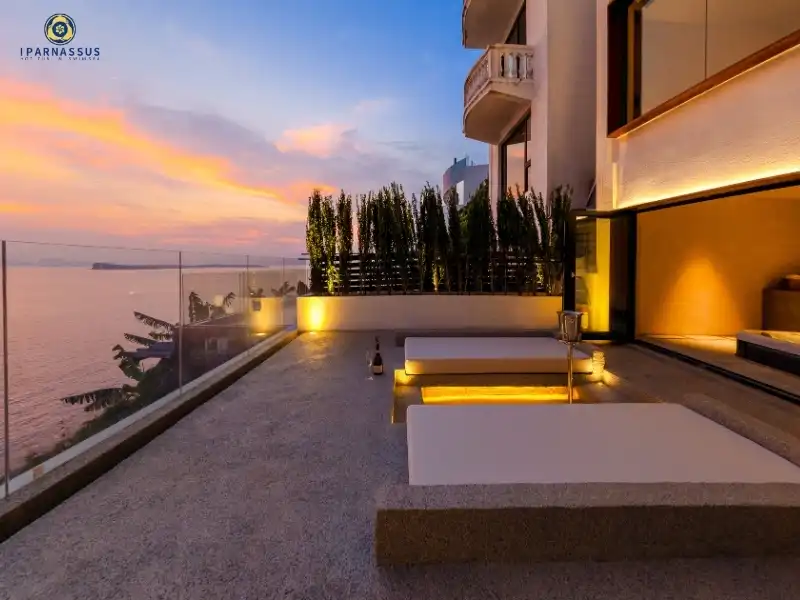
Wide steps built into one end make it safer to get in and out, and they also make it easier to rest on during long swim sessions. These structural features get rid of the need for aftermarket step additions that mess up the clean lines of the design. Commercial owners don't have to worry about liability when there are clear depth marks and non-slip surfaces.
Limits on temperature keep people from getting burnt, and automatic cutoff systems turn them off when the numbers go over the safe limits. Protects pump systems from damage caused by dry running due to a lack of water, and high and low temperature alerts let operators know when something is wrong with the system before it causes damage to the equipment. An Inground Swim Spa remains protected by these safety protocols.
Making the Decision: Why Choose an Inground Swim Spa?
Return on Investment Projections
Commercial installations make money by offering better amenities that make charging more for rooms or memberships worth it. Residential projects raise property values by making resort-style settings that set listings apart in competitive luxury markets. The exercise features, psychological effects, and good looks all work together to make a single installation valuable in many ways.
When compared to traditional pool heating, energy efficiency metrics show measurable operational savings. Because there is less water, the cost of chemicals is lower, and treatment protocols are easier to follow, which means less ongoing work is needed. These things help you get your money back faster, usually within three to five years for business setups that get a lot of use.
Customization and Scalability Options
Modular design methods let you change the configuration to fit different site conditions. Geometric hardscape patterns look great with Inground Swim Spas, while curved deck cutouts make formal settings more relaxed. There are many types of finishes for the inside, from useful plastic shells to custom tile applications that match the architectural palettes around them.
Options for integrating technology make functions go beyond basic ones. Smartphone connection lets you change the temperature, schedule filtering, and check for problems from afar. Bluetooth audio systems and programmable LED lights create an atmosphere that makes the user experience better and improves the image of the facility.
Real-World Implementation Success
A small resort in Scottsdale put six swim spas in the courtyards of each villa. This made them private wellness retreats that became signature features that drove up room rates. In the limited courtyard plans, the single-side service entry design was a must because normal maintenance openings would not have been possible.
A luxury home builder in coastal California made sure that all of the flush-mount installations were the same. They did this by using consistent specifications that made it easier for contractors to work together and for maintenance staff to learn how to do their jobs. Partnering with a manufacturer that offered full technical help and solid parts availability kept the project on track and made sure the homeowner was happy.
Conclusion
Successful Inground Swim Spa setups include blending in with the landscape, being easy to maintain, and working well. From heavy above-ground units to flush-mount systems with revolutionary service access, the change shows how real innovation has been used to solve real-world project problems. Wide safety steps, strong multi-pump swim systems, and easy-to-use touchscreen controls give high-end residential and business clients what they expect. When the initial cost of buying something is weighed against how well it works and how nice it looks over time, below-grade swim spa installations always show better returns than other water options.
FAQ
1. Can swim spas truly replicate lap swimming experiences?
High-performance models with three 3.0-horsepower pumps make currents that can be adjusted to fit swimmers of all skill levels, from those who just want to relax to those who are competing. Properly designed systems create a smooth flow that lets people swim for long periods of time without having to stop for pool turns. For serious training, you need a pump with the right capacity and hydraulic design. These are the differences between professional installations and simple hot tubs with few swim jets.
2. What site preparation requirements differ from traditional pools?
The concrete vaulting has to be strong enough to hold the weight of the full unit while still letting water drain away from all sides. Floor drain systems keep water from building up and damaging the spa or the walls around it. For electrical service, specialised lines that match the pump's needs are usually needed. Compared to regular pools, the small footprint makes digging easier, but a professional installation is still needed for long-term performance and to guarantee compliance.
3. How does maintenance accessibility affect long-term costs?
The waterproof movable service access design cuts down on maintenance work hours by a lot because it doesn't require panels to be taken off and all parts can be reached directly from the inside. Technicians are better at doing regular jobs, which cuts down on the cost of service calls. The single-side approach also keeps the landscape from being damaged during maintenance visits, which is another reason why premium installations are worth the money.
Partner with iParnassus® for Your Next Installation
iParnassus® has been making specialised products for almost twenty years and brings that knowledge to every connection with an Inground Swim Spa provider. Our engineering team has come up with 80 patent-pending solutions to problems that custom builders and resort developers face. These include single-side maintenance access that frees up space and integrated drainage systems that shorten the time between service visits. The waterproof movable service panel design, built-in access ladders, and wall-compatible installation method show that we want to solve real problems instead of just repackaging old ideas. Our smart control systems let you monitor things from afar, follow safety rules automatically, and use less energy, which lowers long-term costs and makes the experience better for users. When your project needs to integrate the landscape without affecting performance or serviceability, our team can help with technical advice, on-time delivery, and support after the sale to protect your image and keep your clients happy. Get in touch with our design team at info@iparnassus.com to talk about your next high-end home or business aquatic project.
References
1. Anderson, M.J. (2023). Luxury Outdoor Living: Design Principles for Integrated Aquatic Features. Architectural Landscape Publishing.
2. Chen, R. & Williams, T. (2022). "Energy Efficiency Comparisons: Swim Spas versus Traditional Pool Installations." Journal of Sustainable Building Technology, 18(3), 145-162.
3. Hartford, S.L. (2024). Commercial Spa Operations: Maintenance Protocols and ROI Analysis. Hospitality Design Institute Press.
4. Morrison, K.D. (2023). "Hydrotherapy Benefits in Residential Wellness Design." International Journal of Architectural Health Integration, 12(2), 78-94.
5. Patterson, G. & Liu, X. (2024). Site Engineering for Luxury Aquatic Installations. Professional Contractor Publications.
6. Reynolds, A.M. (2023). "Procurement Strategies for High-End Residential Amenities." Luxury Real Estate Development Quarterly, 29(4), 201-218.

Send Inquiry