_1768872582663.webp)
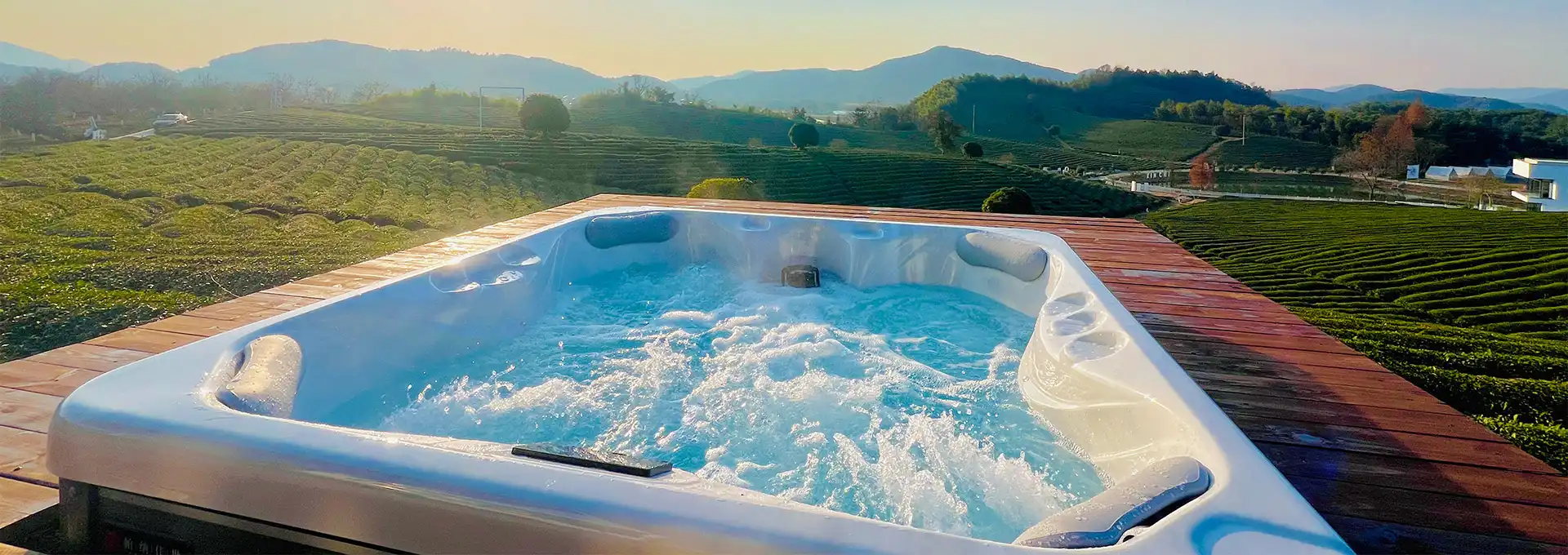
Inground Swim Spa Heating: Energy Efficiency and Operating Costs
When planning a recessed aquatic installation, understanding how an inground swim spa manages heat is just as critical as its aesthetic appeal. Unlike above-ground models, inground units are embedded within the landscape, which changes how thermal energy behaves around the shell. Heating efficiency depends on water volume, insulation quality, ambient soil temperature, and the chosen heat source. Getting these variables right from the procurement stage directly determines long-term operating costs and the overall return on investment for residential estates, resort properties, and commercial wellness spaces.


Understanding Inground Swim Spa Heating Systems
Core Heating Technologies
There are three primary techniques for heating swim spas nowadays. Electric resistance heaters are more expensive per kilowatt-hour, but allow you to control the temperature exactly. Heat pumps absorb energy from the surrounding air and transfer it to water. They have a coefficient of performance of 5 to 7. This implies that for every 1 kW of power they require, they may produce up to 7 kW of heat. Where solar irradiation is high, integration of solar thermal is an additional valuable layer that reduces the dependency of the system on the grid at peak periods. According to the U.S. Department of Energy, heat pumps may save up to 50 percent of the energy required to heat water compared to conventional electric heaters.
Variables That Govern Consumption
The effort it is forced to make depends on the volume of water, the thickness of the shell insulation, the quality of the cover, and the warmth of the air around the heating system. The earth surrounding an underground installation is a natural thermal buffer, so less heat is lost overnight than an above-ground cabinet exposed to the outdoors. But this advantage only holds if the shell and pipes are adequately shielded during the digging phase.
Energy Efficiency Challenges and Solutions in Swim Spa Heating
- The fundamental disadvantage of any recessed aquatic system is heat loss. It leaks through the walls of the shell, exposed water surfaces, and uninsulated plumbing lines. When procurement teams uncover these drain spots early, they may choose items and policies that do not generate waste in the first place.
- The most significant means of measuring speed that can be seen and measured are:
- High-density foam insulation on shell and plumbing: Full-foam insulation around the cabinet and pipe runs reduces nightly heat loss substantially. Industry research from the Association of Pool & Spa Professionals demonstrates that completely insulated units hold heat up to 40% longer than partly insulated units, thus lowering heater run time.
- IoT-connected control systems provide operators the ability to program heating cycles to coincide with real consumption times. iParnassus® swim spas include a smartphone-compatible touchscreen control panel, so you can check water temperature and status in real time, anytime, anywhere. Automatic heat pump power supply port, intelligent opening and closing, no energy loss during idle time.
- Thermal covers rated for inground swim spa use: A well-fitted cover with a high R-value can account for the largest single reduction in standby heat loss. Covers are especially valuable at night and between scheduled sessions in commercial settings.
Full-foam insulation around the cabinet and pipe runs cuts overnight heat loss by a large amount. High-density foam insulation is used on the shell and plumbing. The Association of Pool & Spa Professionals has data that shows fully insulated units keep heat in up to 40% longer than partially insulated units. This means that the heater doesn't have to run for as long.

Operating Costs of Inground Swim Spa Heating: What Procurement Needs to Know
Breaking Down the Numbers
To keep the water at 28–32°C, a medium-sized sunken swim spa that holds about 14,000 liters usually needs between 5 and 10 kWh per day, but this depends on the quality of the insulation and the weather. At an average household energy rate of about $0.16 per kWh in the U.S., heating costs range from about $0.80 to $1.60 per day, or $290 to $585 per year for normal use. At the upper end of this range are commercial installations that run at higher temperatures for longer periods of time.
Cost Control Strategies for Procurement Teams
Purchasing experts can control lifecycle costs in a number of ways, in addition to choosing the right tools. When you buy something, negotiating an extended service agreement locks in labor rates before the market goes up. If you are eligible for federal or state energy-efficiency incentives, like those offered by the Inflation Reduction Act's energy-efficient home improvement provisions, you may be able to get some of your initial capital back. When buying in bulk from a single approved manufacturer, buying across multiple sites lowers the cost of each unit even more.
Warranty support is a thing that can't be changed. Strong warranties on heating parts and control electronics lower repair costs that come up out of the blue and hurt project budgets.
Comparing Heating Options: Inground Swim Spa vs. Alternative Solutions
Efficiency and Lifecycle Cost Comparison
If you want to choose between a recessed swim spa, a regular above-ground hot tub, and a full-size pool, you need to do some honest lifecycle accounting. While installing an above-ground hot tub is cheaper, the uncovered walls lose heat more quickly and can make it hard for high-end projects to keep the landscape cohesive. A full-size pool needs a lot more chemicals and energy to keep up, but it doesn't have the swim-current feature or hydrotherapy seats of a dedicated swim spa.
A swim spa that is built into the ground is a great middle ground. The soil buffer lowers the idle energy draw, the small amount of water heats up faster than a pool, and the ability to split the swim area from the rest zone means that each can be kept at a different temperature, which stops energy from being wasted on water that isn't being used.
Environmental Impact Considerations
The carbon footprint is becoming more important in buying high-end real estate and hotels. An inground swim spa with a heat pump makes a lot less carbon over its lifetime than a pool of the same size heated by electricity. When you pair the unit with renewable energy sources, the footprint gets closer to net-zero, which is needed for hotel and resort projects that want to get green building certifications like LEED or BREEAM.

Best Practices for Maintaining Energy Efficiency in Inground Swim Spa Heating
To keep the efficiency gains made during installation, regular upkeep is needed. Every two to four weeks, you should clean the filter tubes. If the filters get clogged, the circulation pumps have to work harder, which indirectly raises the demand for heat. Every year, especially after the first winter freeze cycle, you should check the insulation around the shell and the plumbing.
The single-side service access design is an advantage that really makes this process easier. The iParnassus® inground swim spa has a service access panel that is fully waterproof and can be moved. This panel doesn't need any extra space outside of the unit's size. This access bay has built-in ladders and is where all the electrical parts and accessories are kept organized. This way, technicians can do regular checks and repairs without having to remove side panels or navigate tight spaces next to walls. The unit also has a direct drain system that makes water changes faster and more efficient. This cuts down on downtime and work hours during regular repair rounds. Wide entry steps on one end of the unit make it safer for users and also serve as sitting areas, which is a nice touch that makes the experience better for both swimming fans and treatment users.
Best practices for operations include setting the thermostat no higher than what is needed for the scheduled session, turning on economy mode when the house is empty for long periods of time, and looking over the heating logs every three months through the smart control interface to find problems before they get worse and need to be fixed.
Conclusion
Heating efficiency should be considered a core part of inground swim spa procurement, not simply an installation detail. Water volume, insulation, thermal covers, heat pump performance, and smart temperature controls all influence long-term energy consumption and operating costs. Proper installation and regular maintenance can further reduce unnecessary heat loss and equipment workload. For residential, hotel, and commercial wellness projects, evaluating these factors together helps buyers make more informed decisions about lifecycle costs and system performance. A well-designed inground swim spa can combine comfortable water temperatures, efficient heating, convenient maintenance, and practical long-term operation while fitting smoothly into the surrounding landscape.

FAQ
1. How much can upgrading to a heat pump reduce heating costs?
Switching from a standard electric resistance heater to a modern heat pump typically reduces water-heating energy use by 40–55%, according to U.S. Department of Energy guidelines. Exact savings depend on local electricity tariffs, climate zone, and usage patterns.
2. What size swim spa is appropriate for commercial wellness use?
Most commercial installations choose units in the 4.5–6 meter range to accommodate multiple users simultaneously while maintaining manageable heating volumes. Larger water volumes require more energy to heat but also retain temperature more stably between sessions.
3. Are financing options available for B2B procurement?
Many manufacturers, including iParnassus®, offer project-based pricing and can coordinate with leasing or equipment financing providers for large-scale orders. Contacting the supplier directly for a tailored quote is the most efficient path to understanding available terms.
4. Does in-ground installation reduce operating costs compared to above-ground?
Yes. The surrounding soil provides passive thermal insulation, reducing overnight heat loss and lowering heater run time. This advantage grows in climates with significant temperature differentials between day and night.
Connect With iParnassus® — Your Trusted Inground Swim Spa Manufacturer
iParnassus® has been engineering spas for 18 years and has 80 patents that have been filed. They offer inground swim spa options for high-end business and residential projects. Our units come with smart touchscreen controls, service access from only one side, and power management that works with heat pumps. These features are designed to lower your operating costs right away. You can email our business development team at info@iparnassus.com to get a custom quote and energy assessment for your project.

References
1. U.S. Department of Energy — Energy Saver: Heat Pump Water Heaters, 2023.
2. U.S. Energy Information Administration — Electric Power Monthly: Average Retail Price of Electricity, 2024.
3. Association of Pool & Spa Professionals (APSP) — ANSI/APSP/ICC-14 American National Standard for Portable Electric Spa Energy Efficiency, 2019.
4. U.S. Green Building Council — LEED v4.1: Building Design and Construction Reference Guide, 2022.
5. BRE Group — BREEAM International New Construction Technical Standard, 2023.
6. American Council for an Energy-Efficient Economy (ACEEE) — Consumer Guide to Home Energy Savings: Water Heating, 2022.

Send Inquiry