_1768872582663.webp)
Inground Swim Spa Installation: A Complete Planning Guide
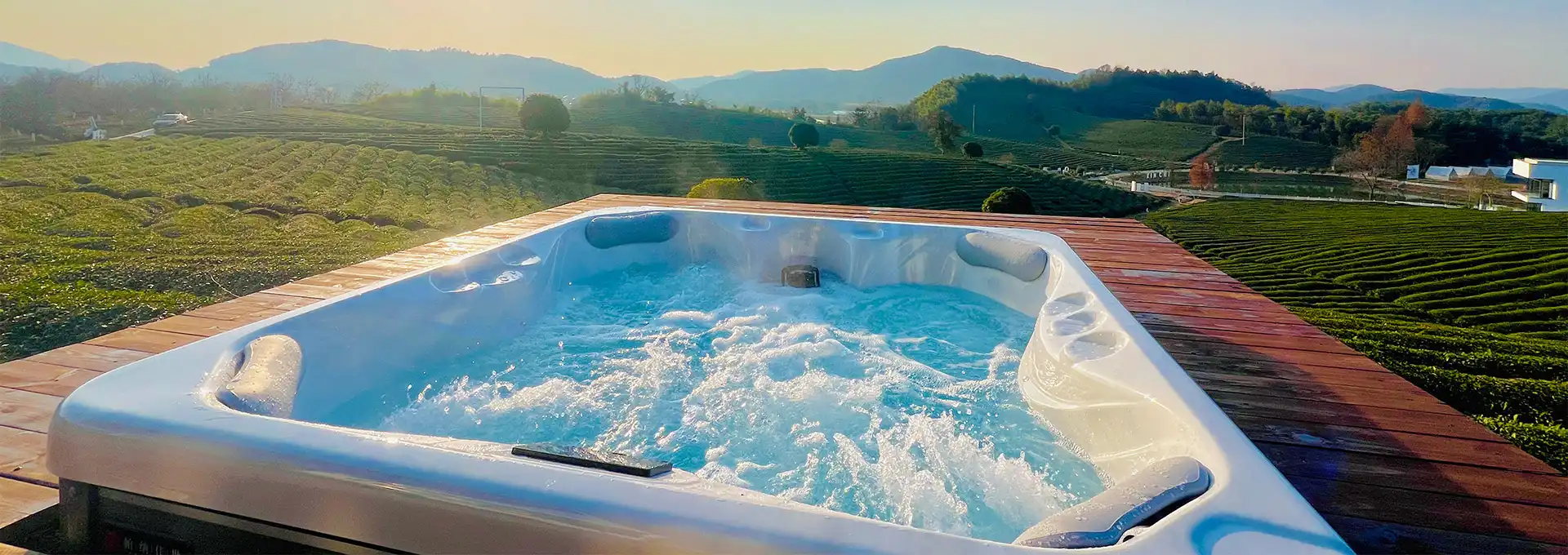
Installing an Inground Swim Spa represents a transformative investment for luxury residential projects, hospitality developments, and commercial wellness facilities. Unlike traditional above-ground models that disrupt landscape aesthetics, inground installations create seamless integration with surrounding environments while delivering powerful swimming capabilities and therapeutic benefits. This comprehensive guide addresses the critical planning considerations, technical requirements, and design innovations that custom home builders, landscape architects, and resort developers need to execute successful installations that enhance property value and user experience.
Understanding Inground Swim Spas – Key Concepts and Benefits
Defining Inground Swim Spa Architecture
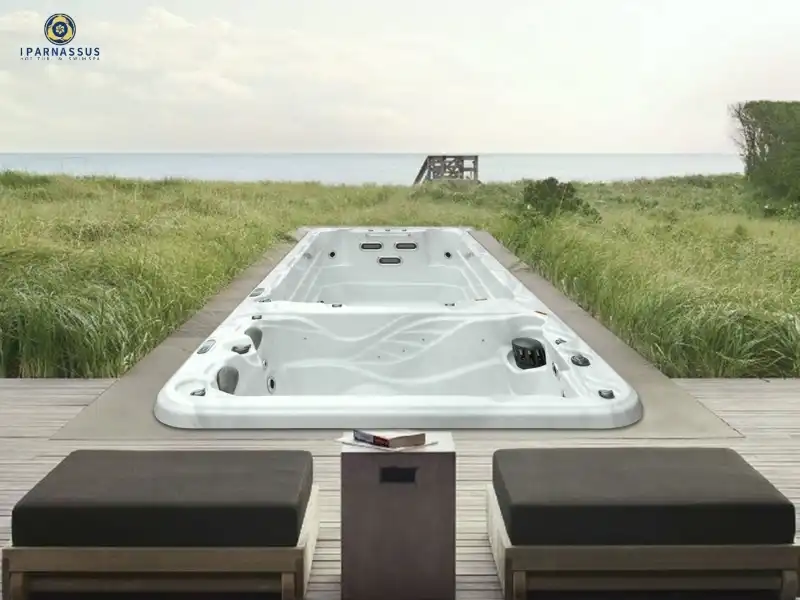
Inground Swim Spas are single, flush-mount machines that combine hot tub therapy with swimming. These systems are underground or placed into outdoor structures. They complement high-end architecture and landscaping with their elegant design. Below-grade models need unique structural support, drainage systems, and access for maintenance personnel, not simply appearances.
Modern versions include powerful swim current generators and hydrotherapy jet arrays. These employ numerous 3.0HP pumps to provide adjustable lap swimming and aquatic workout resistance. Fitness and relaxation may happen simultaneously with dual-zone functionality. These installations are ideal for hotels, wellness facilities, and high-end houses that prioritise space efficiency and multipurpose usage.
Space Efficiency and Functional Integration
Due to their compact size, inground swim spas are superior to pools. These smaller pools provide the same fitness advantages as lap pools but take up less ground area. This is crucial for urban residences, rooftop installations, and projects with little outside area. Smaller pools are cheaper to heat and maintain; therefore, this economy applies to energy utilisation.
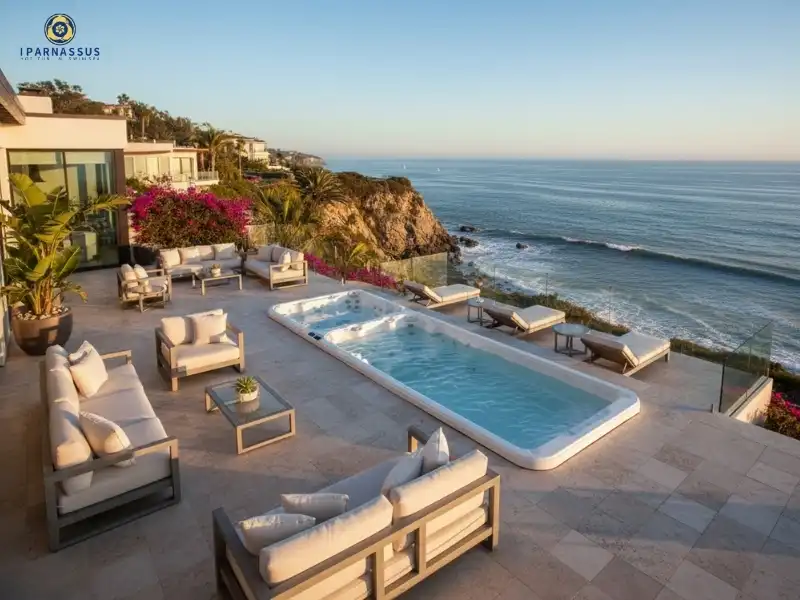
Integration is another advantage. Hardscaping, natural components, and water features integrate well with flush-mount designs, which landscape designers prefer. Visual consistency creates resort-like environments without huge cabinets above ground. By seamlessly integrating swim spas into terraces, pool decks, and entertainment areas, custom home builders optimise outdoor living spaces.
Advanced Maintenance Access Innovation
Traditional buried sites have always been difficult to maintain since they must be dug up or cleaned around the perimeter for equipment. Single-side service entrance designs have solved this challenge in current engineering. The new systems' electrical, filtration, and control systems are located in a waterproof, movable service panel with steps. This method eliminates the need to remove many side panels and makes it simpler to reach units against walls or in confined places.
Modern versions' direct drain technology speeds up water management by draining and refilling tanks faster. This reduces maintenance downtime. This efficiency is particularly important for commercial installations where smooth operations affect income and visitor happiness. The simplified maintenance strategy reduces long-term labour expenses and ensures specialists can swiftly and accurately assess and mend.
Preparing for Installation – Essential Planning Steps
Site Assessment and Structural Requirements
A thorough site analysis is the first step to a successful underground installation. Soil testing finds out how much weight the soil can hold and if there are any drainage problems that could weaken the structure. Soils that are high in clay might need more base preparation, and soils that are low in sand need strengthened concrete vaults to keep them from sinking. By hiring geotechnical engineers early on in the planning process, you can avoid having to make expensive changes during construction.
Planning for drainage should get extra attention. Floor drain systems are needed for the concrete pad that holds up the Inground Swim Spa so that water can't get to the installation. If the drainage isn't right, rainwater can build up and damage tools and pose safety risks. To make sure that water is managed reliably throughout the year, the drainage design should take into account the site's topography, groundwater levels, and the way it rains in the area.
Dimensional Planning and Custom Design Selection
Finding the right dimensions means balancing the amount of space you have with your needs. Larger units that can handle multiple users at once are usually preferred for commercial setups like hotels and wellness centers. On the other hand, smaller units that save yard room for other features may be preferred for household projects. Wide steps on one end of a good swim club serve two purposes: they make getting in and out safer, and they give users a place to rest between sets of exercise.
Customizing a design is more than just choosing a size. Choosing between acrylic-reinforced fiberglass and stainless steel construction affects how long something lasts, how well it keeps heat in, and how much maintenance it needs. When installing something in the ground, where the earth is touching the installation, it's very important to have good insulation. Villa owners and resort developers should choose high-quality insulation systems that keep temperatures stable while saving money on energy costs and making sure users are comfortable in all kinds of weather.
Regulatory Compliance and Safety Standards
Building permits and following the rules are important parts of professional installations that can't be skipped. Electrical systems, obstacle fences, drain safety features, and accessibility standards are all regulated by local governments. Occupational safety rules require commercial projects to have extra care because they need emergency shutoff systems, the right signs, and written maintenance protocols.
Working with authorized dealers and certified installers who know the rules in your area makes the approval process go more quickly. These people help people apply for permits, set up inspections, and make sure that systems meet the standards set by the American Society of Heating, Refrigerating, and Air Conditioning Engineers (ASHRAE) for business aquatic facilities. Following the rules correctly keeps everyone involved in the project from being held responsible and guarantees the project's long-term legality.
Inground Swim Spa Installation Process – Step-by-Step Guide
Pre-Installation Planning and Partner Selection
Picking reliable service partners is the first step to a successful job. Certified workers know how to figure out the depth of an excavation, build structural supports, and connect utilities in a way that keeps common problems from happening. When you ask for detailed proposals from different contractors, you can compare how they do installations, how long they say they will take, and what warranties they offer.
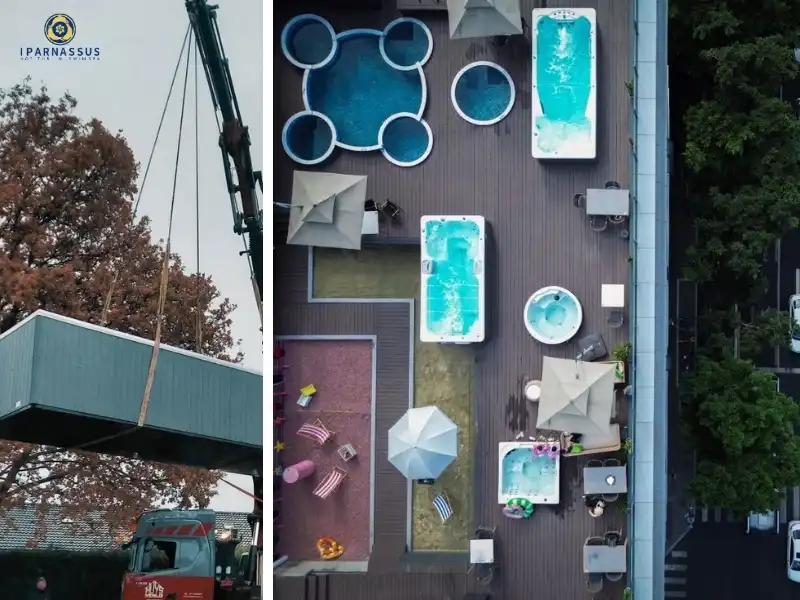
Budget concerns go beyond the cost of buying equipment. The practicalities of installation, such as digging, pouring concrete, setting up electrical equipment, and making plumbing connections, usually add a lot to the total cost of a job. Coordinating delivery means making sure that the site can be accessed and that the equipment can get to where it needs to go without damaging the landscape or interfering with the structure. Talking openly about these details with workers during the planning stages keeps you from having to pay extra money or miss your deadlines.
Excavation and Foundation Construction
The excavation depth needs to be big enough to fit the swim spa's height plus enough base thickness to support the structure. The concrete vault or slab needs to be strengthened to hold the weight of the filled unit, which is usually more than a few tons. Accurately measuring the excavation area is very important because holes that are too big make it hard to fill them in, and spaces that are too small make it impossible to place things correctly.
Before the base can be used, it needs to dry fully, which can take a few days or more depending on the concrete specs and the weather. During this time, teams should dig utility trenches for plumbing and electrical lines and place access points so that they meet the swim spa's connection needs. Paying attention to these details during the base work will keep changes from being too upsetting during the installation phases that follow.
Plumbing, Electrical, and Equipment Integration
Water supply lines, drain systems, and filtration loops that keep the water clean are all part of plumbing connections. Professional installations include shut-off valves in key spots that separate certain systems so that maintenance can be done without draining the whole system. The straight drain design makes managing water easier by sending it to the right drainage spots or systems that reuse water.
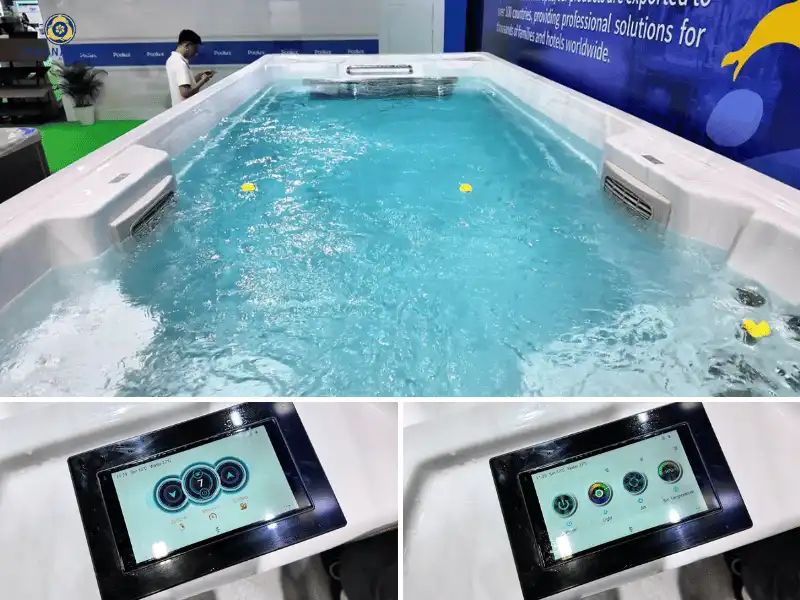
For electrical work, you need licensed workers who know how to use high-voltage tools. Modern swim baths with touchscreen controls and smartphone integration through systems like the iParnassus® control platform need their own circuits that can handle the right amount of electricity and have ground fault protection. The automated power supply ports for heat pumps make sure that the temperature is controlled well while using as little energy as possible by smartly scheduling when to run the units.
Post-Installation Quality Assurance
All systems are checked thoroughly before they are handed over to the client. Testing the water makes sure that the chemicals are balanced and that the cleaning is working. Leak inspections check all connections while they are under working pressure to find places where they might fail and need to be fixed. Functional testing checks the jet's performance, the accuracy of the temperature control, and the responsiveness of the control interface.
Property managers and maintenance staff get operational knowledge from their first training in maintenance. This training makes sure that teams can keep up their best performance on their own. It covers things like managing the chemistry of the water, cleaning schedules for filters, and how to fix common problems. For future use, documentation like equipment manuals, warranty information, and repair plans should be put together into complete operation guides.
Comparing Inground Swim Spas with Alternatives – Making the Right Choice
Cost-Benefit Analysis Against Traditional Pools
Traditional swimming pools need much bigger initial investments. The costs of digging, building, and finishing them are often two to three times what it costs to install an Inground Swim Spa. Due to smaller water amounts that need less chemical treatment, simpler filtration systems, and lower heating needs, swim baths have lower operational costs. The small size makes it possible to control the temperature effectively even when the weather is bad.
Maintenance needs are very different. Full-sized pools need to be vacuumed regularly, have a lot of chemicals managed, and have to be opened and closed every season, which takes a lot of work. Maintenance time is cut down by a huge amount in swim spas with single-side service access. Routine care can be done in minutes instead of hours. This efficiency is especially valuable for commercial operators because lower repair costs directly increase business margins.
Evaluating Manufacturer Reliability and Product Features
When making purchases, companies that have a history of doing well in business settings should be given more weight. In 18 years of making spas and with 80 patents to their name, companies like iParnassus® have shown they have the engineering know-how and quality control needed for tough jobs. Looking at the warranty terms shows how confident the manufacturer is—coverage that includes all structural parts, equipment, and surface materials shows that the building was built to high standards.
Features of a product should be carefully compared. Touchscreen control panels make the experience better for users by being easy to use, and smartphone integration lets users monitor and make changes from afar. The waterproof movable service access is a big new idea that sets high-end manufacturers apart from competitors who offer standard designs that need a lot of space around the edges. These differences affect both how easy it is to run the business and how happy the owners are with their purchase over time.
Financing and Scalable Investment Strategies
High-end swim spa setups, together with installation requirements, represent a significant investment. Commercial buyers should explore financing options specifically designed for business equipment purchases. Equipment leasing can help companies preserve working capital for other operational or development needs while still gaining access to premium aquatic facilities. Package deals that include multiple units for resort or hotel installations may also provide volume-based savings, more favorable purchasing terms, and extended warranty coverage. These benefits can improve the overall cost-effectiveness of a project while reducing financial pressure during installation and deployment. For large hospitality developments, buyers should evaluate the complete package, including equipment, delivery, installation, warranty, maintenance, and after-sales support, rather than focusing only on the initial unit cost.
Scalable solutions let you implement them in stages that fit your business's growth. Starting with a single placement is the safest way to see if the idea will work. If the rollout goes well, it can be expanded to more units as demand rises. This can help the business make more money by adding more amenities. This step-by-step method works well for hotel developers and wellness center owners who want to build a market presence slowly.
Maintenance and Long-Term Performance Optimization
Routine Water Quality Management
Keeping the water's chemistry in check saves the equipment's life and makes sure users are safe and comfortable. When pH levels are balanced between 7.2 and 7.8, corrosion and scale buildup don't happen, which protects jets and heating elements. Regular testing with digital meters gives accurate readings that help with making chemical changes. Automated sanitation systems keep disinfection levels constant while reducing the amount of work that needs to be done by hand.
Filtration care includes cleaning it on a regular schedule that is based on how much it is used. Commercial installations that get a lot of use every day need to be checked on more often than private installations. The well-organized equipment in service access panels makes it easier to remove and clean filters, so maintenance workers can do these jobs quickly and easily without needing special tools or a lot of training.
Seasonal Preparation and Winterization
Properties in cold areas need to be winterized to protect equipment from damage caused by freezing. When draining is done right, water is taken away from pipelines, pumps, and heating elements that could expand when the ice melts. Extra safety is provided by antifreeze products made just for spa systems. Insulated covers keep temperatures low enough to keep things from freezing completely and stop snow and ice from building up.
During spring recommissioning, all parts are carefully checked for damage, leaks are tested after the tank is refilled, and control systems are calibrated. Writing down seasonal procedures makes sure that maintenance cycles are consistent and that nothing is missed when changing seasons. Commercial operators should plan these events for times when the property isn't full so that they don't have a big effect on guests' experiences.
Leveraging Manufacturer Support Programs
Authorized service networks offer maintenance help that goes beyond what regular maintenance staff can do. Manufacturers with full support programs make sure that customers can get real replacement parts, expert help, and emergency service. Building ties with approved service providers during installation makes resources available for the whole duration of the equipment's life.
Manufacturers offer proactive maintenance contracts that include regular inspections that find problems before they happen. These programs are especially helpful for business setups that have unplanned downtime that costs money and makes customers unhappy. Maintenance contracts help with accurate operational budgeting and protect long-term asset value because their costs are known ahead of time.
Conclusion
For Inground Swim Spa projects to go well, they need to be carefully planned, professionally carried out, and maintained on a regular basis. For high-end residential projects and business hotel developments, the benefits—seamless landscape integration, space-efficient design, strong swimming capabilities, and easier upkeep thanks to new service access—make the investment worth it. Knowing what needs to be done to prepare the site, what regulations need to be followed, and what long-term operational issues need to be thought through lets you make smart decisions that maximize return on investment. Modern improvements in control systems, energy efficiency, and ease of maintenance have turned these installations from niche luxury items into useful, high-performance amenities that can be used in a wide range of settings, such as homes, boutique hotels, wellness centers, and resorts.
FAQ
1. What makes in-ground installation superior to above-ground placement?
When cabinets are installed in the ground, they don't get in the way of the view, and they blend in perfectly with the landscaping and architecture. The flush-mount design makes the property look much better than above-ground units, which take up most of the outdoor space. The usual problems that come with placing something below grade can be fixed by making maintenance easier through single-side service panels.
2. How long does a typical installation take from start to completion?
Installation times depend on the site factors and the difficulty of the job. Simple home installations usually take two to three weeks, which includes digging, letting the base dry, putting in the equipment, and connecting the utilities. Commercial jobs that need a lot of site planning or complicated integration may take up to six weeks longer. Schedules can be changed by things like bad weather and the time it takes to get permits.
3. What ongoing operational costs should buyers anticipate?
The main ongoing costs are energy costs for heating and filtering, which change depending on the temperature, how the home is used, and the quality of the insulation. Chemical treatments, replacing filters, and testing the water on a regular basis all add to the long-term costs. Because they are better insulated and have automatic management systems that cut down on waste, well-kept units with energy-efficient systems usually cost less each month than regular hot tubs.
Partner with iParnassus® for Your Inground Swim Spa Installation
Need an Inground Swim Spa for your high-end building, health spa, or hotel? iParnassus® brings 18 years of experience in specialized manufacturing to your installation, providing top-notch solutions that are known in the Middle East, North America, Europe, and Australia. Our new single-side service access design makes maintenance much easier to do, and our smart touchscreen control systems, which can connect to smartphones and handle water automatically, set new standards for user experience and business efficiency.
Dealing directly with a well-known Inground Swim Spa supplier gives you access to exclusive technologies, such as our fully waterproof movable service access that doesn't take up any space, powerful 3x3.0HP pump configurations for real swimming experiences, and energy-efficient climate control systems that lower the cost of running the spa. During project planning, our engineering team works together with custom home builders, landscape planners, and hotel developers to make sure that the project fits in perfectly with your design idea and meets all the strict rules set by the government.
Find out how iParnassus® can change your outdoor living areas or business facilities. You can talk to our expert team at info@iparnassus.com to talk about your project needs, get detailed specifications, and look into your options for customizing the product to fit your needs. Let us show you why iParnassus® is the choice of professionals who want the best quality and long-term dependability for their projects.
References
1. Johnson, M. & Williams, R. (2022). Commercial Aquatic Facility Design and Installation Standards. National Swimming Pool Foundation Press.
2. Anderson, K. (2021). "Comparative Analysis of Inground Versus Above-Ground Spa Installations in Luxury Residential Projects." Journal of Landscape Architecture and Design, 45(3), 112-128.
3. Thompson, S. (2023). Hydrotherapy Systems Engineering: Modern Approaches to Swim Spa Technology. Aquatic Systems International.
4. Martinez, L. & Chen, P. (2022). "Energy Efficiency in Commercial Spa Installations: A Ten-Year Performance Study." Hospitality Facilities Management Quarterly, 18(2), 67-89.
5. Roberts, D. (2023). Building Code Compliance for Inground Aquatic Installations. Construction Standards Institute.
6. Wilson, A. & Patel, N. (2021). "Maintenance Optimization Strategies for Commercial Swim Spa Operations." Facility Management Journal, 39(4), 201-219.

Send Inquiry